Caldera Therapeutics and Vidya Therapeutics have struck a pair of deals with struggling biotechnology firms, according to company announcements made Wednesday.
Caldera, which launched just seven months ago with $112.5 million in venture funding, will merge with Synlogic. It’s also brought in $278 million in a concurrent private financing to support a drug prospect licensed from China’s Qyuns Therapeutics.
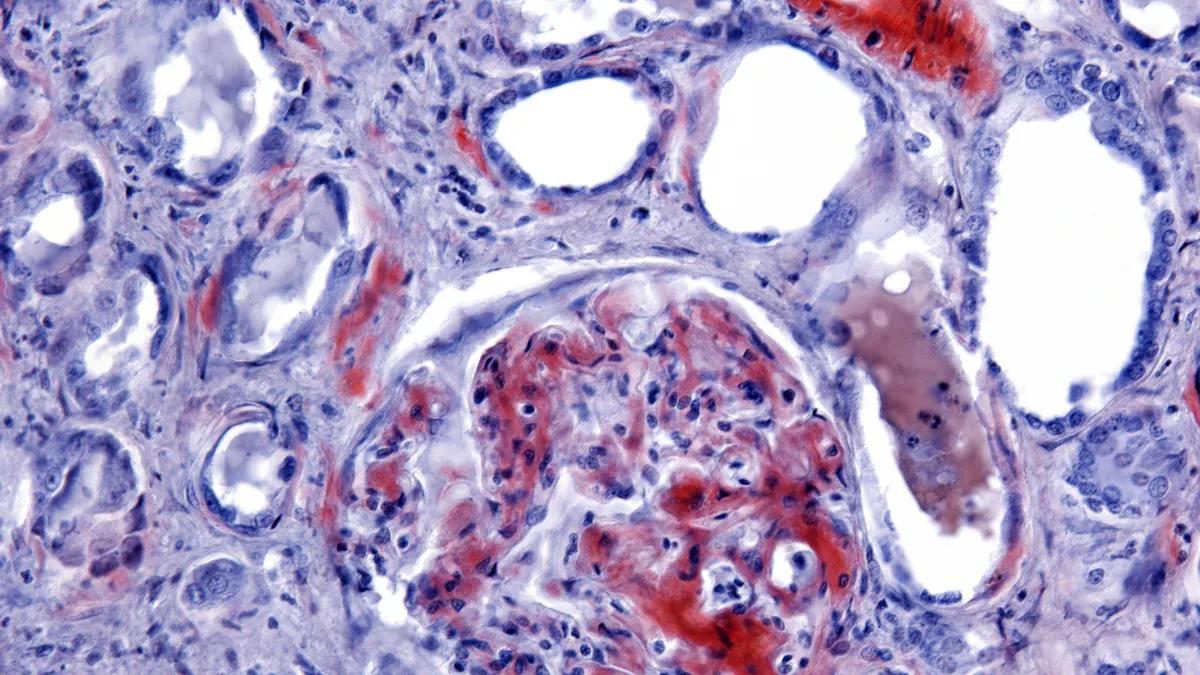
Called CLD-423, that drug aims at the proteins TL1A and IL-23p19, two well-known drug targets involved in inflammation. Caldera is testing it in ulcerative colitis and Crohn’s disease. Phase 1 testing is currently underway, with data expected by the end of 2026. The merger cash should fund the company through Phase 2 development.
Synlogic, Caldera’s merger partner, went public via its own reverse merger in 2017. But its lead program struggled against the rare genetic disorder phenylketonuria and, in 2024, the company announced it would seek strategic alternatives and lay off about 90% of its staff.
Caldera is the latest participant in a recent run of merger deals involving biotechs built around China-licensed assets. Avere Therapeutics and Serapha Bio have both announced similar pacts over the last month.
Others with advanced drug prospects are finding better access to the public markets, too. Vidya has a candidate called VT-7208 that it sees as having potential treating conditions such as food allergies, chronic spontaneous urticaria and relapsing multiple sclerosis. That drug’s nearing Phase 2 testing, and an acquisition by Processa Pharmaceuticals announced Wednesday will support the effort.
Like Caldera, Vidya also announced a sizable financing alongside its acquisition — a $200 million private funding from more than 10 firms.
VT-7208 is a newer type of so-called Bruton’s tyrosine kinase inhibitor. These drugs are best known for their impact on blood cancers, but drugmakers in recent years have developed prospects that can slip past the blood-brain barrier and potentially treat neurological conditions or immune diseases.
Vidya faces stiff competition. Sanofi’s tolebrutinib is approved in Europe for a form of MS. Roche is nearing a potential clearance a different BTK blocker in relapsing disease.
The combined company will continue developing two drugs Processa was studying in breast cancer and gastrointestinal conditions as well, though it will continue “evaluating strategic opportunities designed to maximize their clinical and long-term value,” according to the announcement.
Both deals announced Wednesday are expected to help fund company operations into 2029.