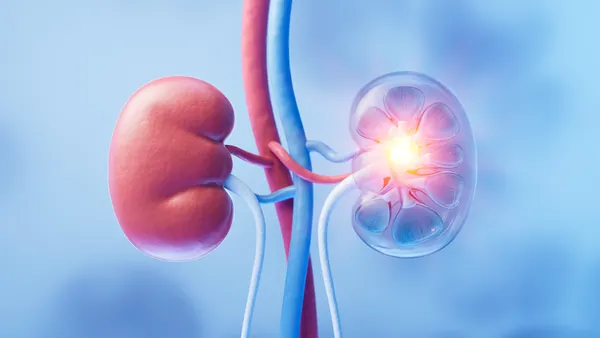
People with failing kidneys deal with a host of health issues, among them a complication that drives up phosphorus levels so high it can weaken bones and damage the heart.
This hyperphosphatemia is common among those whose chronic kidney disease has progressed to the point of needing dialysis. But their treatment options can be tough to tolerate and involve taking multiple pills with each meal.
R1 Therapeutics, a new biotechnology startup based in Redwood City, California, wants to change that. Armed with $77.5 million in Series A funding, the company has signed a deal with a Chinese pharmaceutical firm to bring into further clinical testing a drug it believes can advance upon available therapies for the condition.
Typical treatments for hyperphosphatemia bind to the mineral in the gut. One, sold as Renvela, attaches to phosphate and keeps it from being absorbed in the bloodstream. Another, Xphozah, prevents phosphate buildup by targeting a protein in the gastrointestinal tract that is responsible for transport between cells.
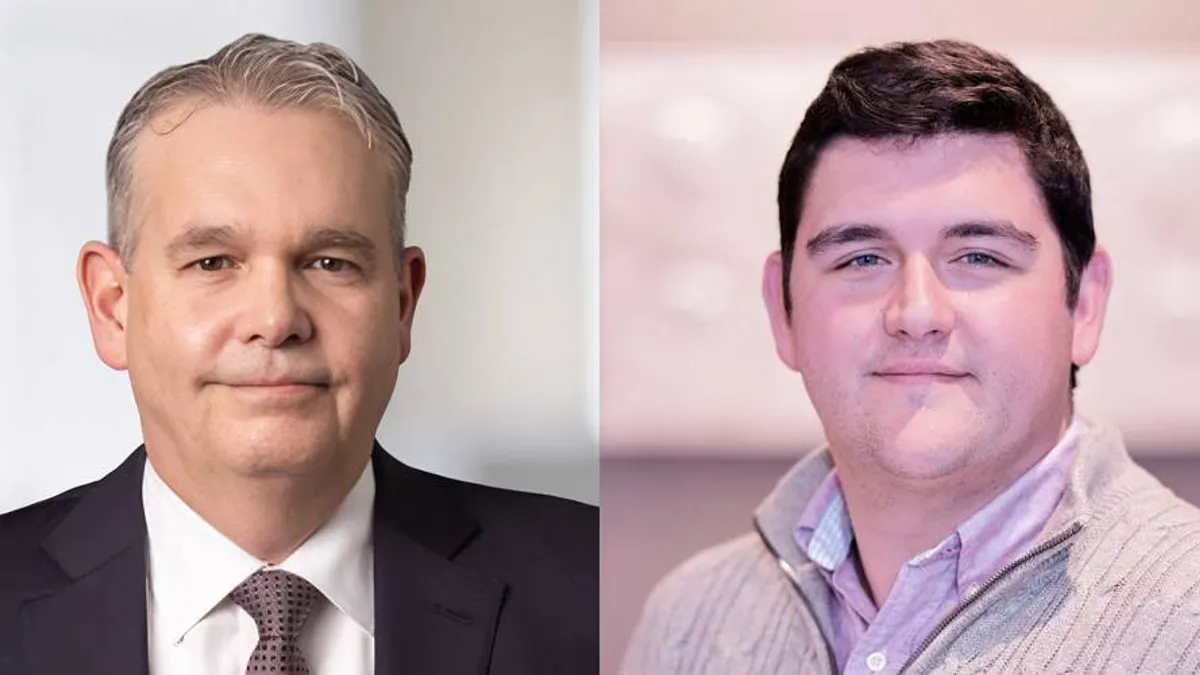
Krishna Polu, R1’s co-founder and CEO, argues that there’s room for more potent treatments. The company says it might have one in a small molecule codenamed “AP306,” which aims at multiple targets involved in “actively” transporting phosphate between cells.
R1 claims this approach could yield a more effective and tolerable drug. A Phase 2 study run in China and testing a thrice-daily regimen of AP306 against a phosphate binder showed that R1’s medicine was superior at lowering phosphorus levels after 12 weeks, as well as bringing people into what would qualify as a normal range. It hasn't yet clearly proven to have a safety advantage in clinical testing.
“When we talk to practicing nephrologists and those who are providing dialysis care for patients, what they tell us they're most excited about is that the pill burden is going to be substantially lower than the requirements with traditional phosphate binders,” Polu said.
AP306 is set to enter Phase 2b testing later this year in patients with dialysis, with data expected in 2027. The drug was originally developed by Chugai Pharmaceutical and then licensed to Shanghai-based Alebund Pharmaceuticals in 2021. R1 acquired righs to the therapy, outside of China, at the end of 2025, Polu said.
R1’s venture backers include Abingworth, F-Prime Capital, DaVita Venture Group, Curie.Bio, SymBiosis and U.S. Renal Care.
Polu, meanwhile, previously helped form Mineralys Therapeutics, which is now publicly traded, and a company called Renalys Pharma that Chugai acquired last year.