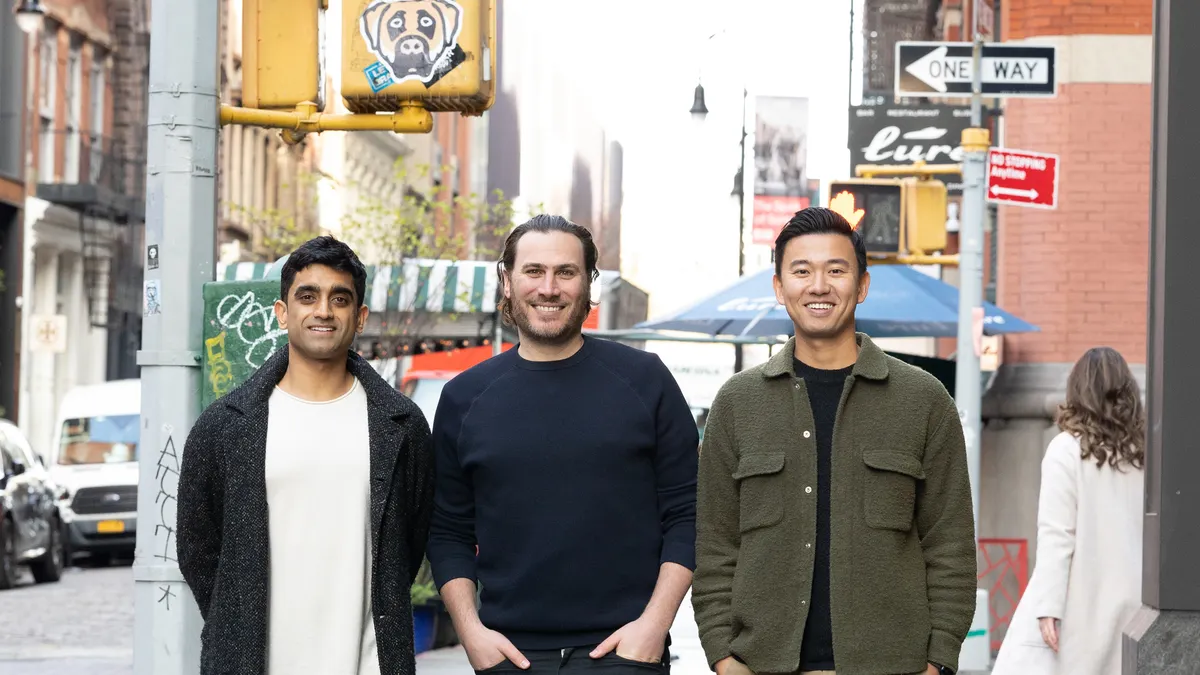
Verge Genomics is turning over a new leaf, rebranding as Verge Labs, a biotechnology company that will provide drug developers with data to identify the best targets for their experimental programs.
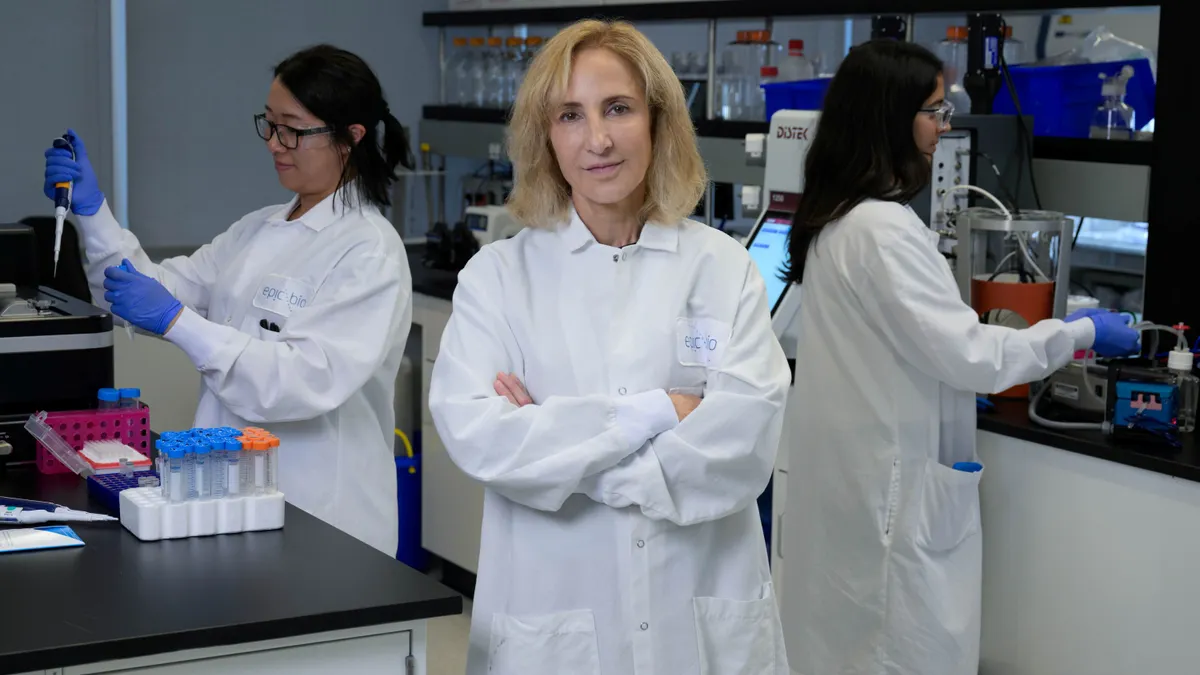
Verge laid off about 90% of its workforce after it decided to change course, said Alice Zhang, the company’s CEO and founder. In December, Verge wrapped an early-stage clinical trial of VRG50635, an experimental drug for ALS that the biotech designed with AI technology, and found that prospect had failed to benefit the patients it sought to help.
Drugs discovered by AI have been an object of fascination for many drugmakers. A few, including VRG50635 and Recursion Pharmaceuticals’ REC-994, have made it into human testing, though they’ve struggled to prove their worth.
Still, Zhang says that experience is par for the course even with traditionally discovered drugs. “Never in history has a transformational technology been just built overnight, and it is very rarely the case that the first attempt is the blockbuster,” she said in an interview with BioPharma Dive.
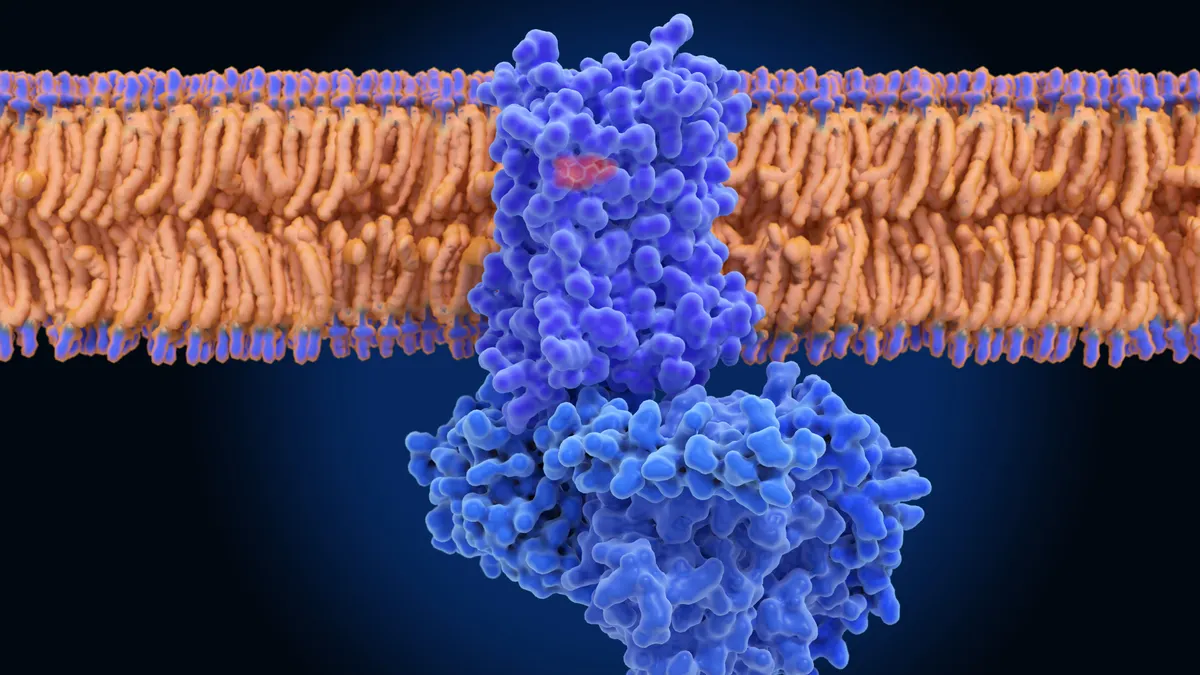
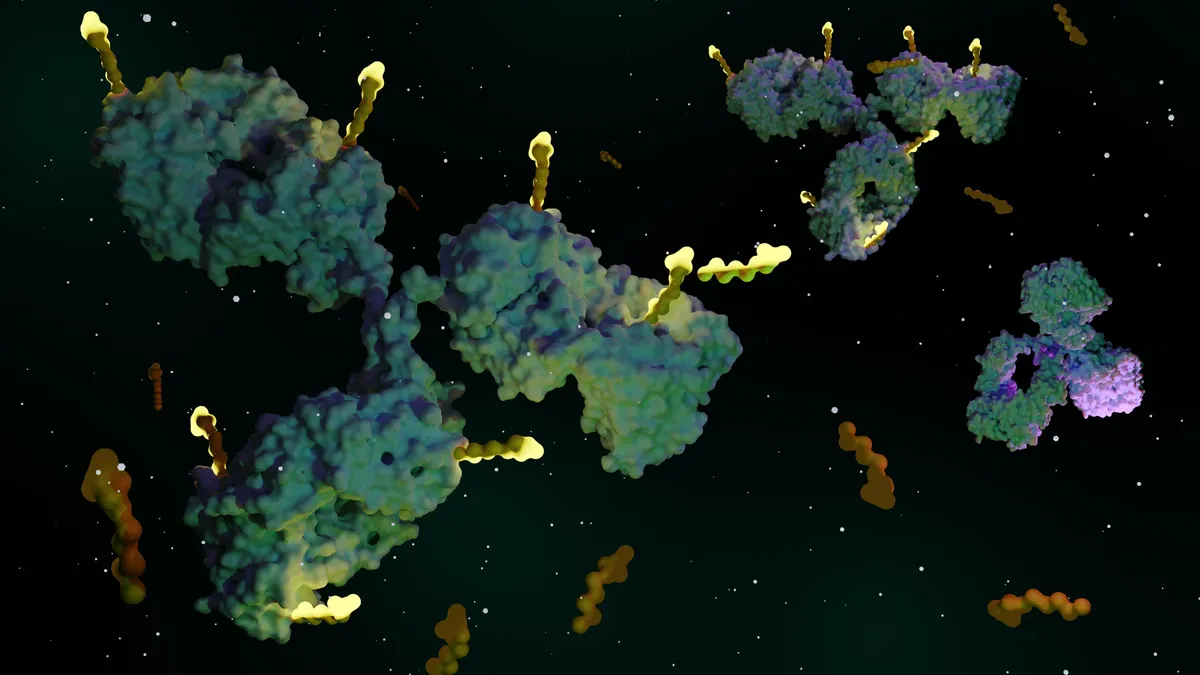
In neurodegenerative diseases like ALS, the cell's waste disposal system can get clogged or impaired, leading to the buildup of toxic proteins. PIKfyve is one enzyme involved in this waste-removal process, and research indicates that inhibiting it actually prompts cells to find an alternative route. Verge was testing this hypothesis with VRG50635 — which is designed to target PIKfyve — in a study that measured levels of a protein, "neurofilament light chain," with known ties to nerve cell damage.
That experiment, though, found levels increased, suggesting the drug wasn't having its desired effect.
“A more reasonable expectation is that the technology is going to go through some setbacks, but there's going to be really important learnings that can be fed back into the platform and iteratively used to actually improve on things,” Zhang said.
Verge has considered for years what Zhang called “spinning out” the new company focused on AI models, but the disappointing trial results finally prompted it to act. In its new form, Verge will continue its work in neuroscience and partner with developers to identify new drug targets, find potential patients and predict new biomarkers.
Its business model is “centered around monetizing the datasets and insights,” Zhang said, similar to how some medtech companies such as Tempus AI have built their business development strategies. Other AI drug discovery companies in the space include Chai Discovery and Noetik, both of which have announced collaborations with major pharmas.
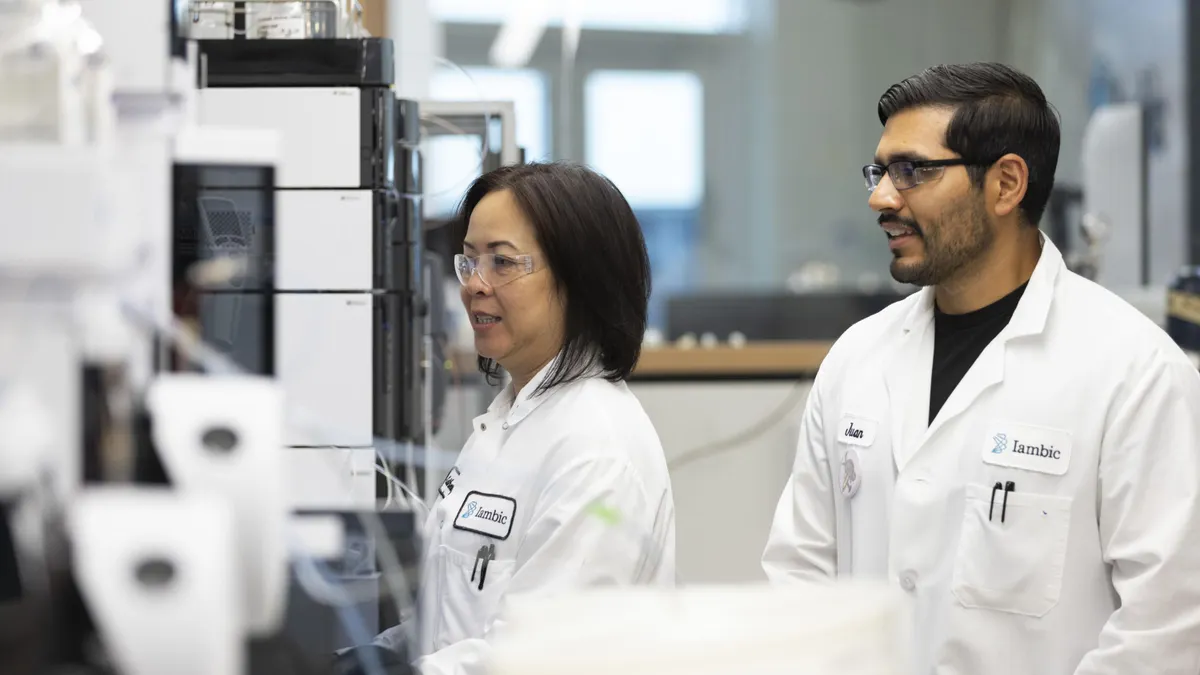
As part of Verge’s restructuring, the company has hired a suite of AI experts from companies such as Altos Labs and Flatiron Health.
The biotech was founded in 2015 and in subsequent years raised more than $100 million in venture financing. In the past, Verge struck drug discovery deals with Eli Lilly and AstraZeneca.