
As healthcare continues to advance, connected medical devices (CMD) have become an inseparable part of collecting data on patients’ vitals and administering treatment. Accelerating this growth is the desire to gather real-world data, especially for clinical trials studying life-saving therapeutic applications. This movement is driven by personnel with expertise in the procurement, storage, setup, and maintenance of every type of device.
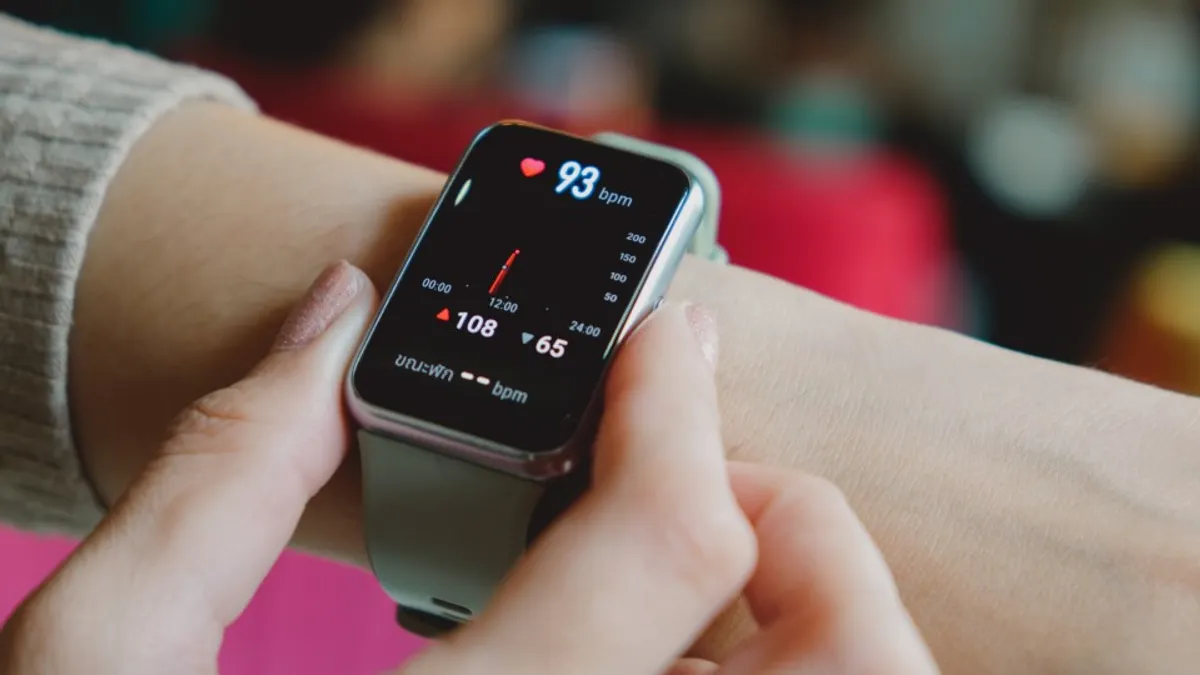
A deep understanding and specialized skills are critical to CMD integration, and once they are implemented, their effective and safe operation has a major impact on trial success. Whether it be wearable bio sensors for cardio and metabolic record keeping or precision dosing through a continuous glucose monitor, these types of equipment drive the efficiency and success of therapies and clinical trials.
The transition toward decentralized and hybrid clinical trials marks a shift in the healthcare landscape, where a dedicated service line for CMD brings a robust foundation for management by overseeing the full lifecycle of these technologies. From the precise calibration of biosensors to the seamless integration of real-time data into electronic databases, their proper functionality is a vital part of research. By automating data capture through wearables, providers like Marken eliminate uncharted data gaps that plague traditional methods, replacing intermittent snapshots with a continuous stream of objective physiological metrics.
The integration of CMD demands a rigorous operational framework for storage and setup, to be certain that complex device bundles are deployed to patients’ homes with proper guidance to alleviate burden and provide clear instructions for use. As clinical-grade consumer devices become standard for measuring primary endpoints like cardiovascular health or sleep patterns, the ability to maintain interoperability between diverse hardware and dashboards is essential for a study’s success.
Connected devices directly support patient-centricity, reducing the need for site visits and improving geographic accessibility. CMD are responsible for fostering higher retention and compliance rates while recording higher volumes of more vital data. These connected systems are designed with a major focus on data integrity and patient safety, paving the way for faster, more inclusive, and highly accurate medical breakthroughs.
The management of CMD in tandem with other logistics functions gives greater structural control, while creating a bridge to the new era of healthcare of personalized medicines and evidence-based progress. As the industry continues toward high-frequency, real-world data collection, the ability to orchestrate multiple logistics components, along with the storage, calibration, and integration of CMD will be the primary differentiator between static data sets and dynamic health insights. This new ability to deliver mobile solutions effectively transforms the patient’s home into an extension of the clinic, demanding a level of operational excellence that ensures technology enhances the patient experience.
Additionally, researchers rely on the high-quality results CMD produce, ultimately lending efficiency and optimization to clinical trials. As we look ahead, the integration of connected devices will be viewed not as a specialized niche, but as a standard operating procedure for any trial seeking to be inclusive and globally scalable. When this is offered in line with other logistical solutions, patient accessibility and the capabilities of healthcare are maximized. Embracing this complexity is the only way to keep pace with the rapid acceleration of digital health and deliver lifesaving therapies to market with unprecedented speed and precision.
The future outlined by the integration of these devices and other technology is designed for patients to live functionally. By committing expertise and prioritizing the integrity of devices, healthcare providers mitigate the risks of poor data and technical failures, ensuring every heartbeat or glucose reading contributes to a verifiable medical outcome. This commitment to well implemented devices fosters trust with patients, and they feel supported and comfortable, not hindered, by technology.