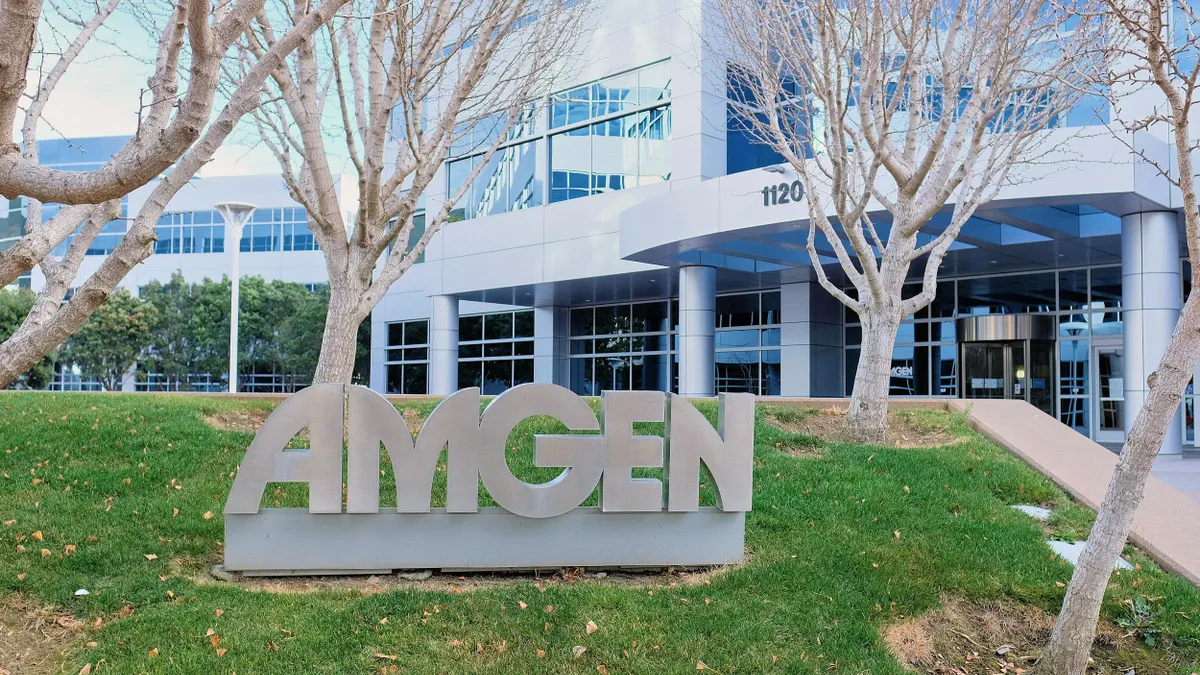
Amgen will acquire a cancer drug developer called Dark Blue Therapeutics, the companies announced Tuesday, in a deal that could be worth as much as $840 million.
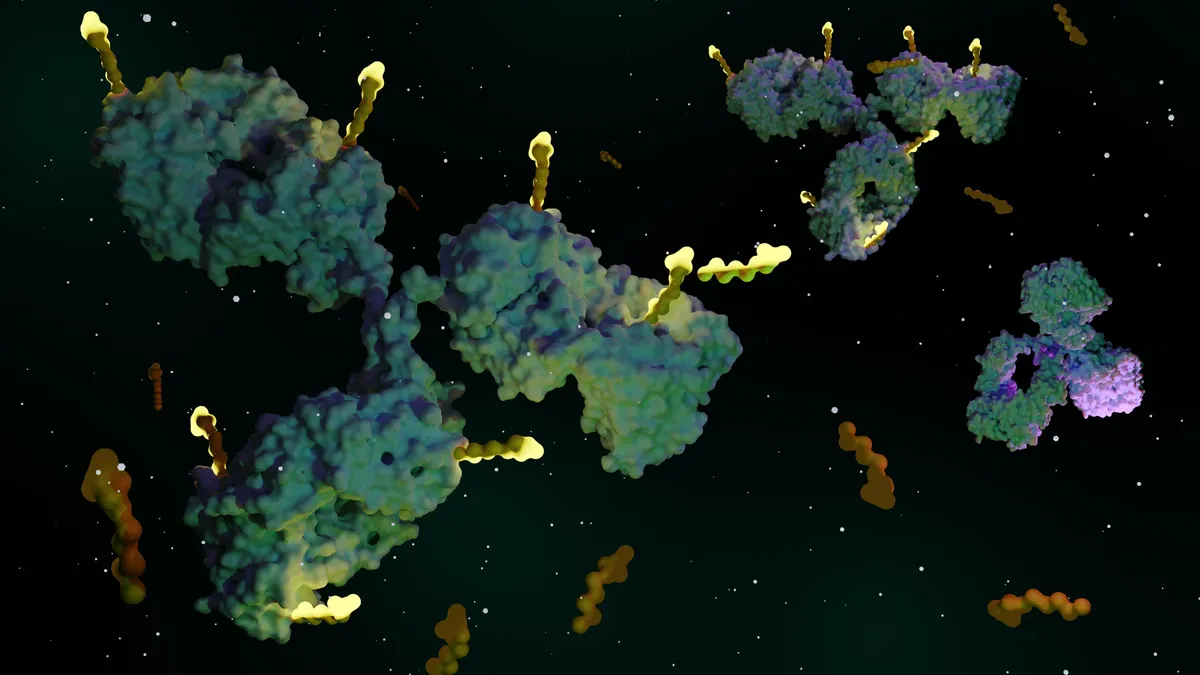
Dark Blue, a biotechnology company headquartered in Oxford, England, has a preclinical drug prospect that can “degrade” troublesome proteins. That type of approach represents a way to get after tough-to-reach drug targets, and has drawn the interest of several large pharmaceutical companies in recent years.
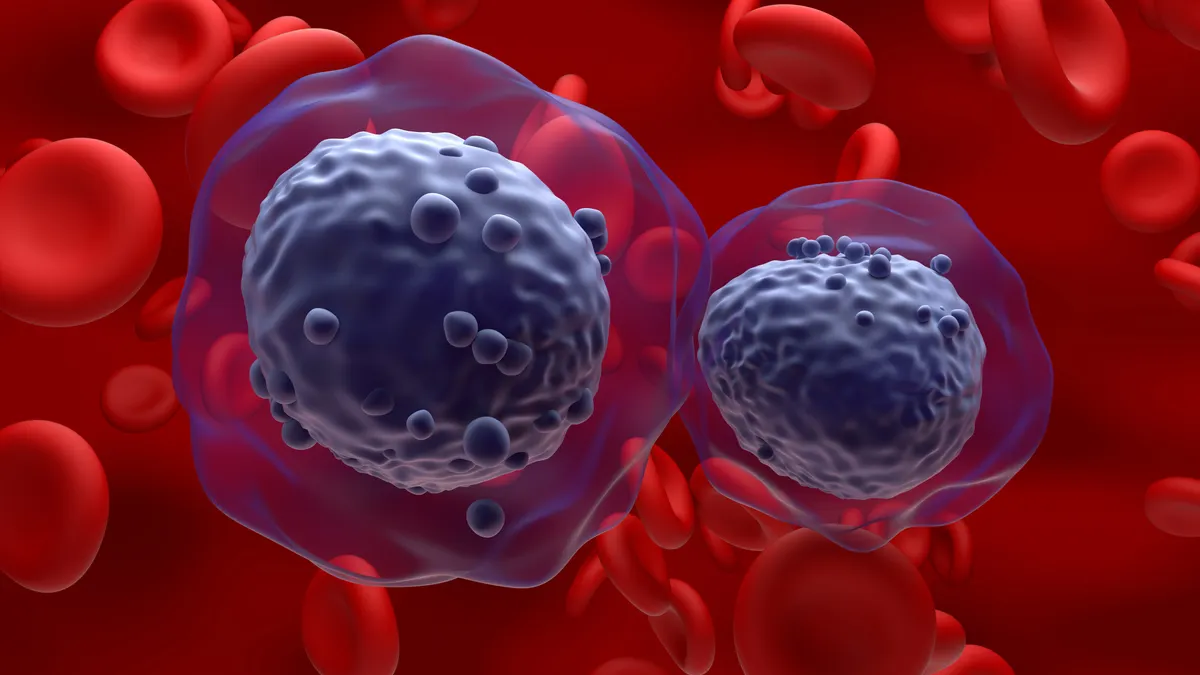
Dark Blue’s drug, DBT 3757, is designed to degrade two proteins called MLLT1 and MLLT3 that drive specific types of AML. Early research presented at the American Society of Hematology meeting in 2024 suggested the approach held merit against a broad range of acute leukemias, and could theoretically be helpful when used either alone or alongside other medicines.
In its statement, Amgen noted how Dark Blue’s drug showed “promising anti-cancer activity” as well as “mechanistic differentiation” from current medications. Amgen R&D head Jay Bradner added that Dark Blue’s work “complements and extends” the biopharmaceutical giant’s protein degradation and leukemia research.
Amgen’s pipeline includes two treatments in human testing for acute lymphoblastic leukemia. One, Blincyto, is in late-stage testing for adults with the blood cancer. The other, Kyprolis, is being tested in pediatric cases.
“With its world-leading capabilities in oncology and deep experience in developing, manufacturing and commercializing novel medicines, we are confident that Amgen will build on our preclinical work to bring DBT 3757 to the patients who urgently need new treatment options,” Alastair MacKinnon, Dark Blue’s CEO, said in a separate statement.
Dark Blue was spun out of research at Oxford University in 2020. The company has since been backed by venture capital firm Oxford Science Enterprises, Bristol Myers Squibb and Evotec.
Alongside its leukemia drug, the biotech startup has publicly revealed two other programs targeting an RNA-editing enzyme as well as a type of G-coupled protein receptor associated with cancer growth. Those drugs are small molecule inhibitors, rather than degraders.
The companies did not disclose how much Amgen is paying upfront.