Atavistik Bio has raised $160 million in its pursuit of new treatments for rare hematological disorders and cancers, the company said Thursday.
The Series B round, which was originally announced in December and extended recently with a $40 million infusion from RA Capital Management, will be used to bring its top prospect ATV-1601 into human testing for hereditary hemorrhagic telangiectasia later this year.
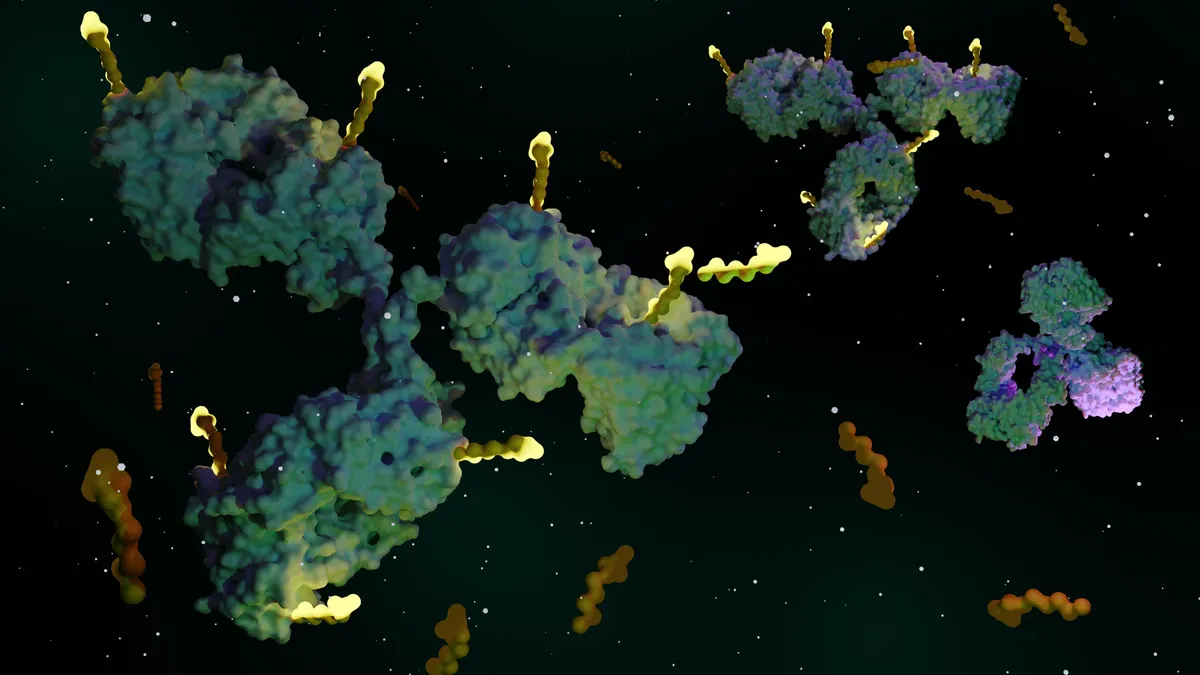
Traditional small molecules bind to a protein’s “active” site, a kind of clear pocket or groove that’s easy to latch onto. Atavistik develops oral medicines that are instead aimed at distinct “allosteric” sites that are harder to spot but can still alter protein function.
Going after these allosteric sites — which Atavistik claims it can find with the help of an in-house technology — can give drugmakers access to tough-to-reach proteins, or potentially offer new and more precise ways to hit targets known to be important. ATV-1601 is one example.
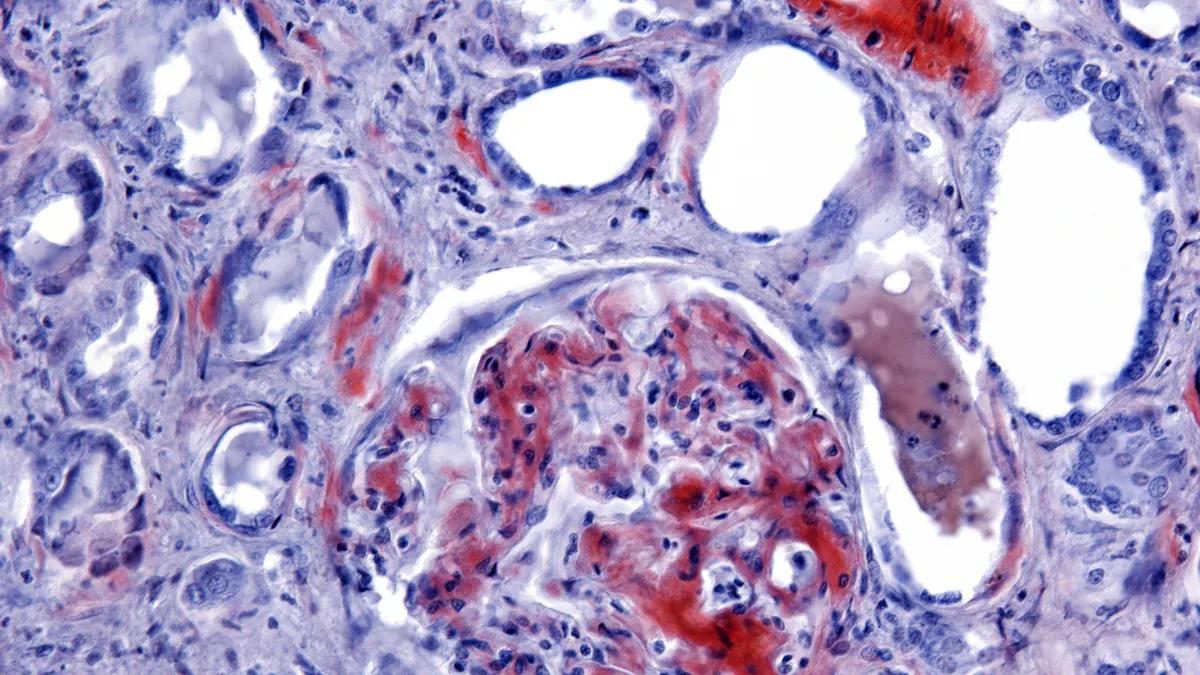
The drug targets AKT1, an enzyme that regulates the function of the endothelial cells that line blood vessels. In HHT, genetic mutations spur AKT1 to overactivate and abnormal blood vessels to form. Those misformed blood vessels can rupture, leading to bleeds, chronic anemia and, in severe cases, seizures or heart failure.
Existing HHT treatments only manage symptoms, but none are curative. It’s been difficult to find the right drug or find study endpoints “that can be measured accurately,” Susan Pandya, Atavistik’s chief medical officer, wrote in an email to BioPharma Dive.
By blocking AKT1’s activity, Atavistik hopes to find a better solution. ATV-1601, Pandya said, can “broadly address" the mutations that cause the diease. The hope is that by doing so it can tackle the disease’s root cause, control bleeds and potentially “change its natural course.”
Pandya also noted that the drug’s ability to precisely target AKT1 while sparing closely related variants of the same enzyme should make it more tolerable than the “pan-AKT inhibitors” other companies have invested in. The drug displayed “encouraging” safety in a Phase 1 oncology study, Pandya added. It is now headed towards an early-stage trial in HHT.
Other companies such as Diagonal Therapeutics and Alnylam Pharmaceuticals are also working on potential treatments, though those drugs act on different targets. Unlike Diagonal and Alnylam’s therapies, Atavistik’s is taken orally.
Atavistik is also studying a JAK2 inhibitor in bone marrow cancers such as polycythemia vera and myelofibrosis. Certain JAK inhibitors are already approved for those two conditions, but are also associated with hematological side effects. Atavistik believes its more selective approach could “achieve disease-modifying activity” while avoiding the issues “associated with broader JAK inhibition,” CEO Bryan Stuart said in an email.
Other investors in Atavistik’s Series B round include Nextech Invest, The Column Group, Lux Capital and Regeneron Ventures. Atavistik previously raised $100 million in a Series A round spread over 2021 and 2023.