EpiBiologics, a biotechnology startup developing protein degraders for cancer and immune diseases, has raised $107 million in funding to advance its lead program into the clinic.
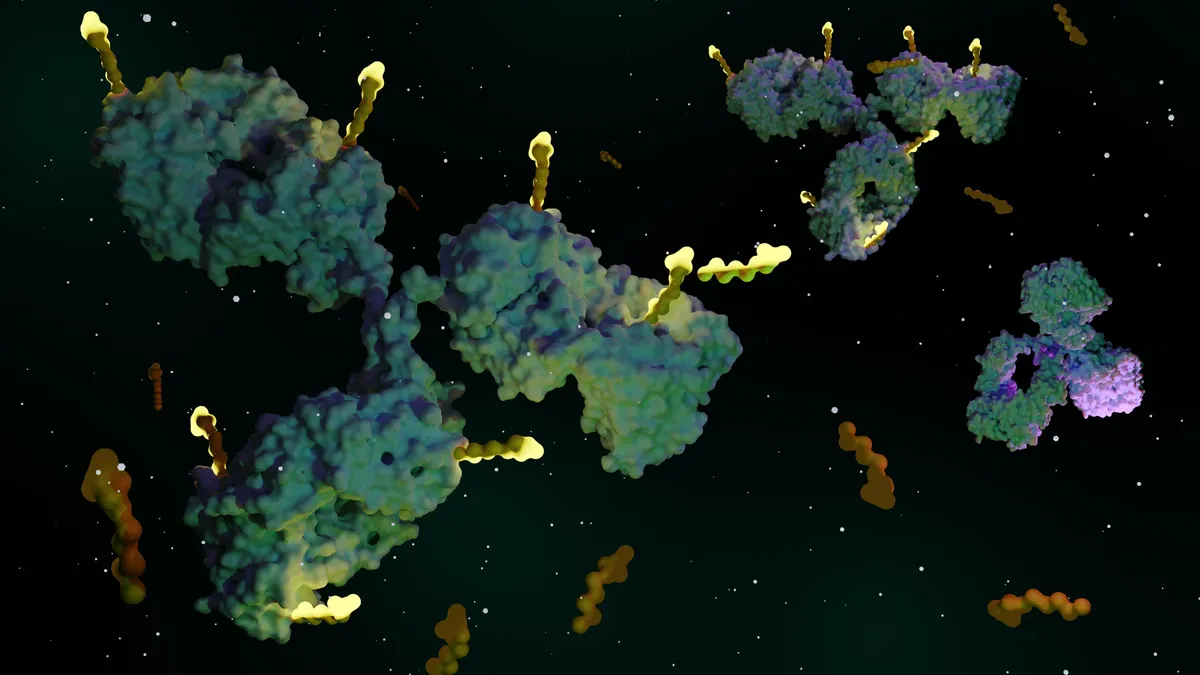
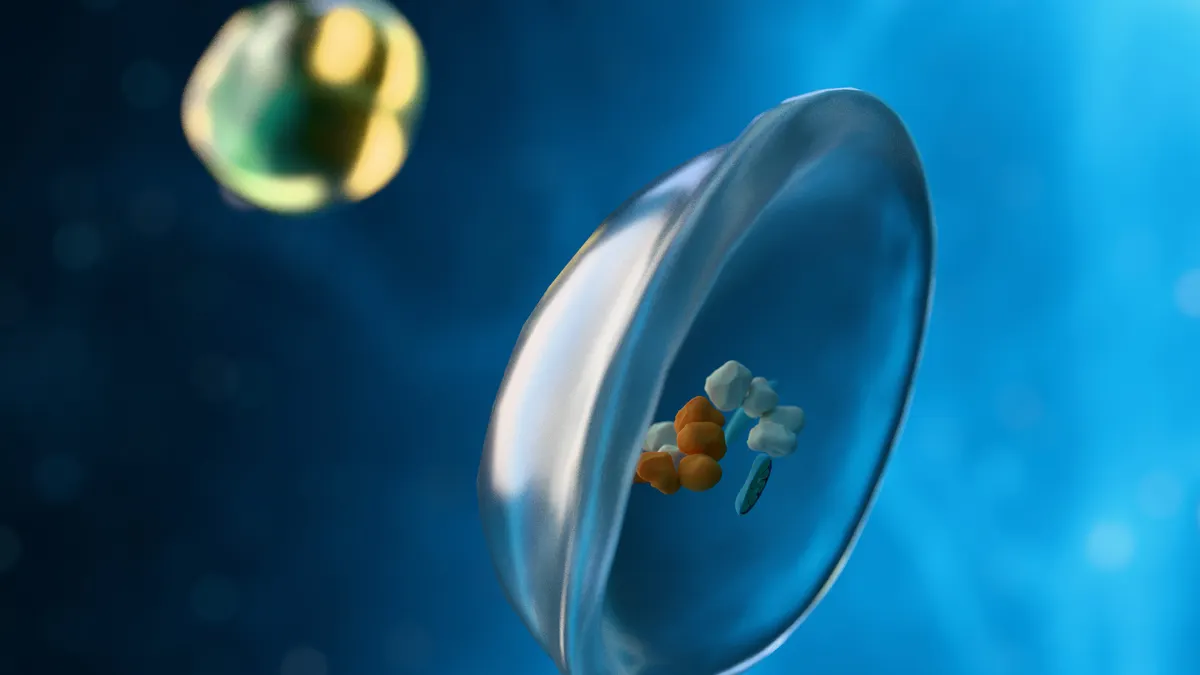
The company is developing what it calls “EpiTACs,” drugs that are designed to destroy harmful proteins found on the outside of cells. These medicines use a signaling molecule to “tag” protein targets and ferry them to a cell’s lysosome for disposal. They’re a form of targeted protein degradation, an area of research that’s exploded in recent years.
EpiBiologics’ lead experimental medicine, EPI-326, is a bispecific antibody designed to degrade cancerous forms of EGFR, a well-known cell surface protein and the target of many marketed cancer drugs. The company claims that EPI-326 could offer certain advantages, though, as it’s meant to very precisely degrade the protein on tumors while sparing healthy tissue. “That has given us a really great safety profile,” said Shyra Gardai, EpiBiologics’ chief scientific officer.
The company aims to initially test it in non-small cell lung cancer and head and neck squamous cell carcinoma. Human testing should start in the first half of 2026 in patients whose disease has relapsed or hasn’t responded to existing treatment.
EPI-326’s specificity could also make it easier to combine with other treatments, such as tyrosine kinase inhibitors. While tumors can develop resistance to these therapies, a combination with EPI-326 could have “a strong degradation effect” across tumor cells throughout the body, Gardai said.
The company’s pipeline includes multiple other protein degraders. It’s also working on drugs that combine a degrader with an antibody-drug conjugate, another popular type of targeted medicine, according to CEO Ann Lee-Karlon. It plans to publicly name its second program later this year.
“It's been very well-established now that orthogonal approaches and combinations are key to attack multiple types of cancer, especially since cancer can be moving and organic depending on responses to treatment,” Lee-Karlon said.
The Series B round was co-led by GV and Johnson & Johnson’s corporate venture arm, and included 10 other investors such as Novartis Venture Fund, Samsara BioCapital and Polaris Partners.
EpiBiologics launched in 2021, built around research from University of California San Francisco professor Jim Wells. The company raised a $50 million Series A round in 2023.