Ethyreal Bio emerged from stealth Wednesday with $101 million to advance an experimental drug it believes to have potential treating both Graves disease and thyroid eye disease.
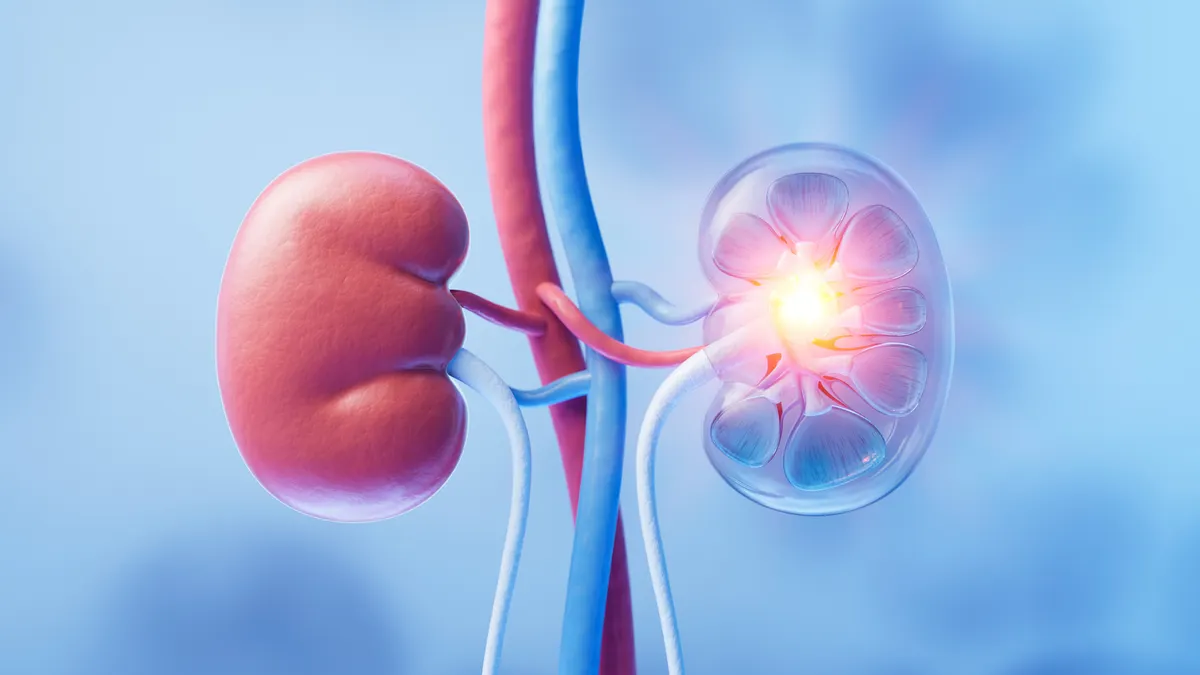
The Cambridge, Massachusetts-based biotech’s core program is a monoclonal antibody dubbed ETHY-001 and that’s designed to block a protein receptor on the surface of thyroid cells. This protein, “TSHR,” is overactivated in Graves and thyroid eye disease, leading to hyperthyroidism in one condition and eye bulging and inflammation in the other.
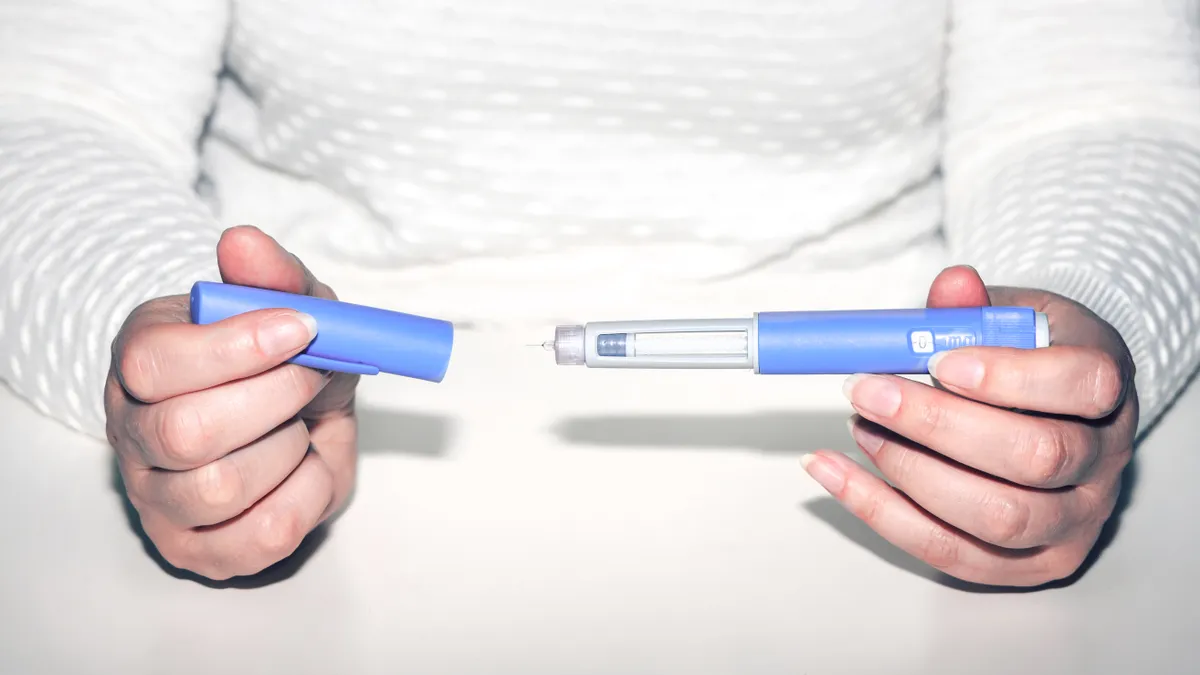
Ethyreal claims that blocking the activation of TSHR with a drug could halt both diseases. ETHY-001 is also being designed as a long-lasting subcutaneous injection, which could offer convenience advantages over existing treatments. The biotech plans to start its first human clinical trials in the second half of 2026 and will present preclinical data of ETHY-001 at a medical meeting next week.
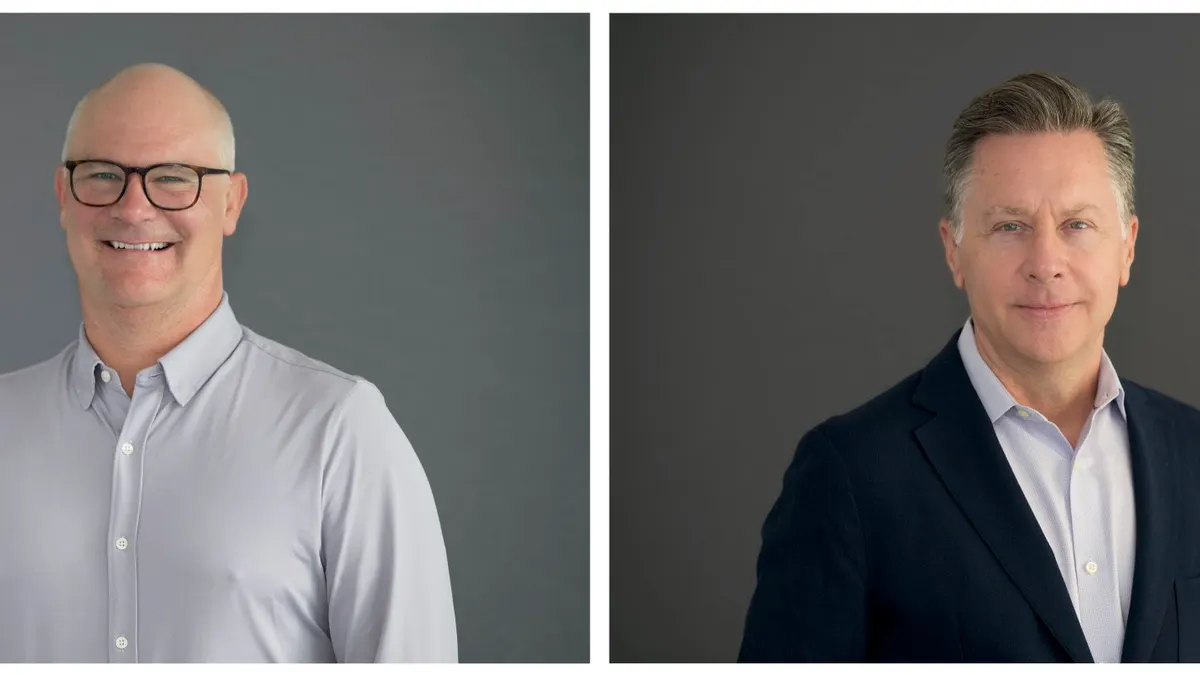
“ETHY-001’s differentiated profile is unique in its potential to address two closely related, debilitating conditions, said board chair Simon Read, in a statement.
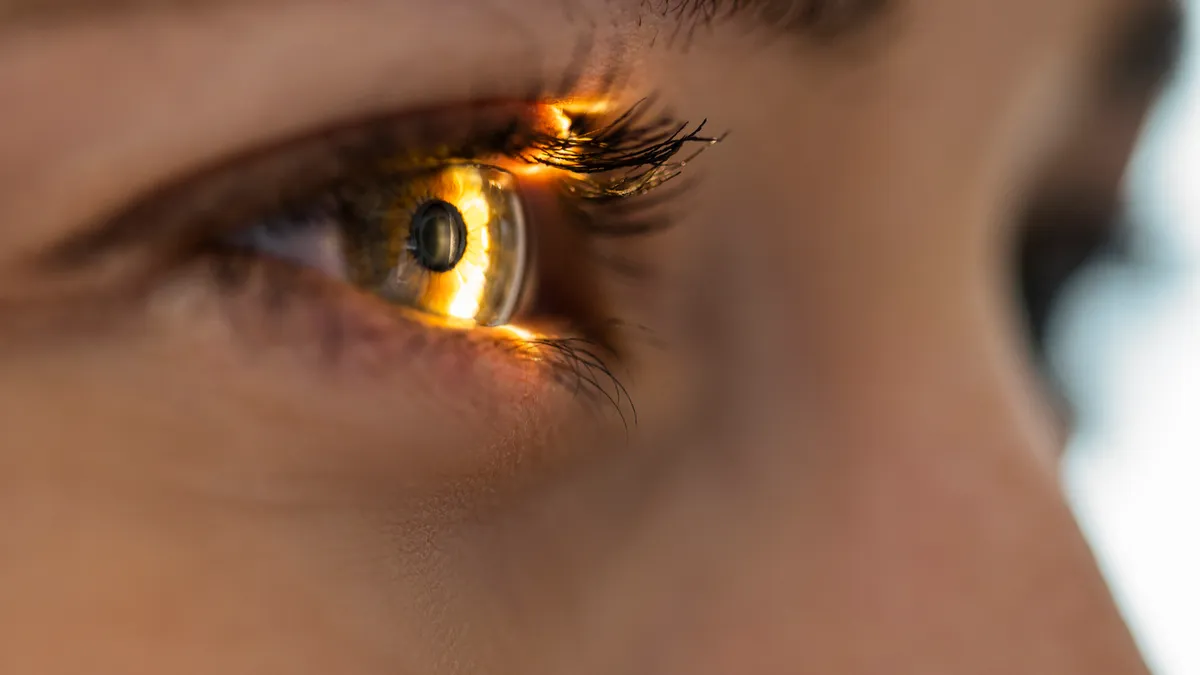
Graves is an autoimmune condition that occurs when the immune system mistakenly attacks the thyroid gland. It’s closely linked to thyroid eye disease, or TED, an eye-swelling condition catalyzed by the same kinds of errant “autoantibodies.”
TED has in recent years become a competitive corner of drug research. The current treatment standard is Tepezza, an intravenous drug Amgen acquired through a large acquisition. But Amgen is working on an injectable version of Tepezza and multiple others, such as Viridian Therapeutics, are developing new alternatives, too.
Those therapies only target TED and not Graves as well, however. Ethyreal contends that a treatment able to handle both, while administered in a “patient-friendly” way, could address a critical need.
“These two conditions frequently co-exist in the same individual, yet current treatments for [Graves] do not treat or prevent TED, and conversely, TED treatments do not address the hyperthyroidism characteristic of [Graves],” said CEO Niranjan Kameswaran, in a statement. ETHY-001 “has the potential to address both conditions through a single, mechanism-driven therapy.”
Ethyreal’s funding came in the form of separate Series A and Series B rounds. The Series A was co-led by Atlas Venture and Medicxi Ventures. Avoro Capital led the Series B, which included all Series A investors.