When BridgeBio Pharma prepared to sell the heart drug Attruby on its own, investors and analysts were skeptical. The San Francisco-area biotechnology firm was competing with two large companies with experienced sales forces, and its chances of success seemed slim.
Optimistic investors believed BridgeBio, at best, could rake in $100 million in sales for the year. But Attruby easily blew past those projections, earning $362 million in 2025 and proving BridgeBio a viable threat to its bigger rivals.
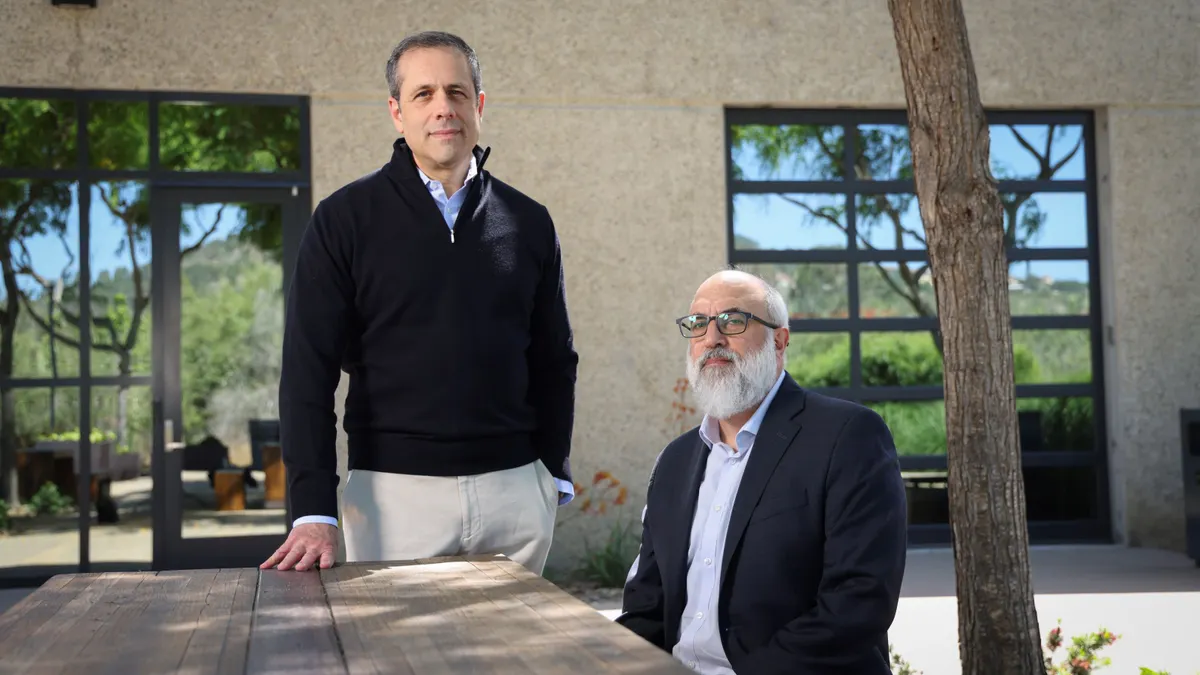
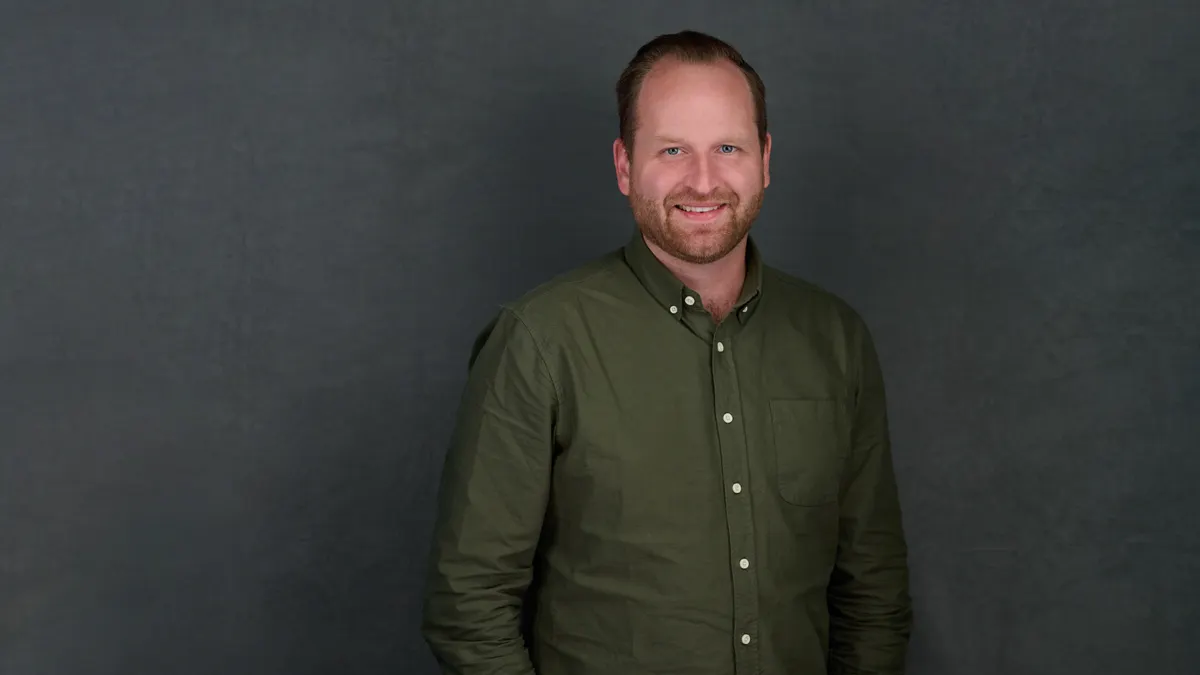
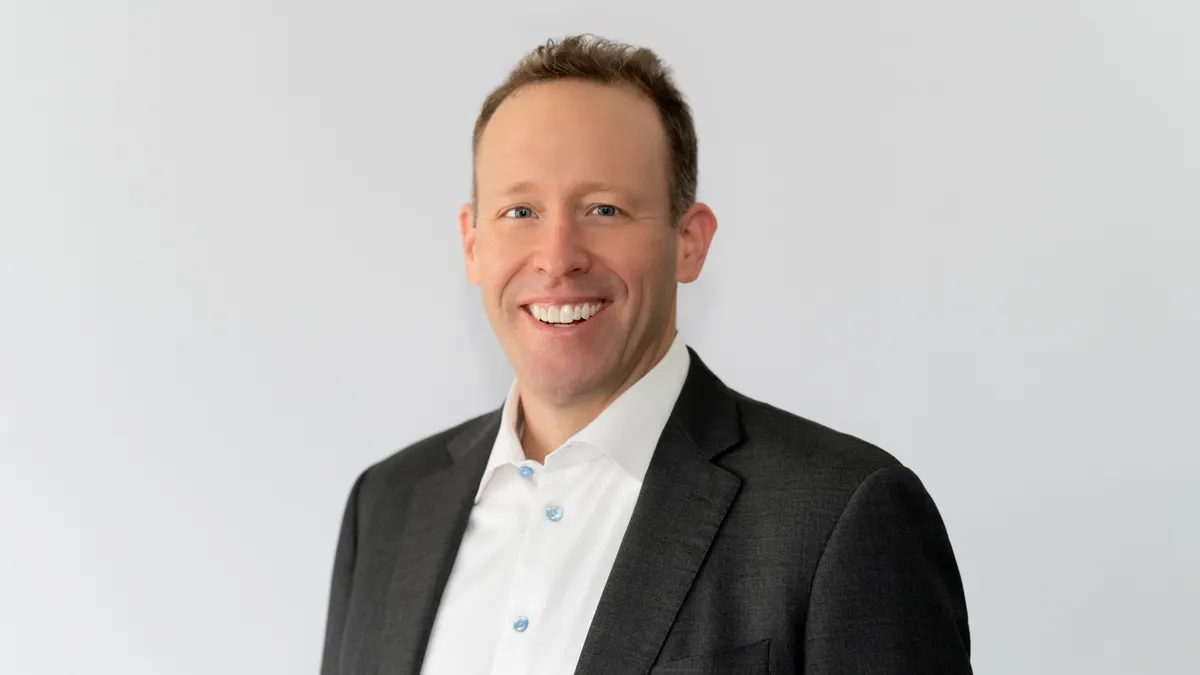
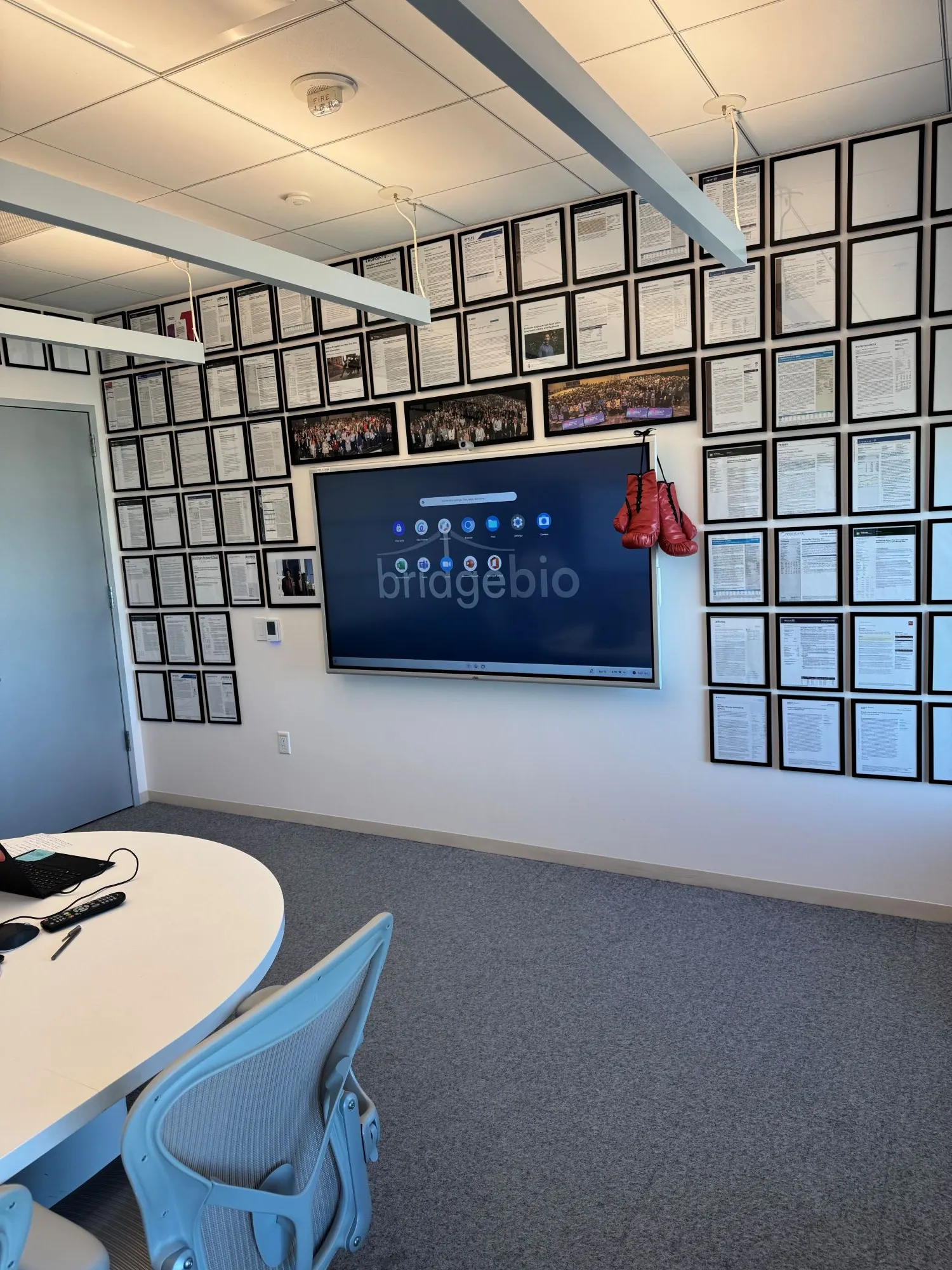
Now, those analyst notes — the skeptical and the optimistic — are framed in the background of a room in BridgeBio’s San Francisco office, where Matt Outten, its chief commercial officer, sometimes takes meetings. “When people come in, they see the good ones, and also the ones where people are like, ‘you could never do it,’” Outten told BioPharma Dive. “The nice thing is, I'm starting to have to replace the early notes with the positive ones.”
Biotechs spend hundreds of millions, if not billions, to develop a medicine. Most will fail, and those that don’t often end up selling the rights to their drug — or the entire firm — to a partner with the budget and sales force to launch their product. Investors historically bet on those deals and against the companies that try to market their own drugs, a “short the launch” approach built on decades of skepticism.
But over the past few years, more have grabbed at the proverbial brass ring. Among them are companies like Argenx, BridgeBio, Insmed and Madrigal Pharmaceuticals, which have all proven they can sell medicines better than investors expected. In the process, they’ve joined the ranks of the sector’s more valuable companies, rewarding the shareholders who stuck around for the journey.
“For companies with significant products, investors are becoming more willing to tolerate slower launch ramps,” said Michael Rome, a managing director at Foresite Capital.
Biotech companies make many tough strategic decisions early on, from which diseases to target to how to finance themselves. But as they mature, they’ll all confront the critical choice of whether to sell their own drugs.
Forging ahead and succeeding could offer big financial upside, enabling a young drugmaker to grow into a large and profitable company. Yet that’s an expensive undertaking that requires patient investors.
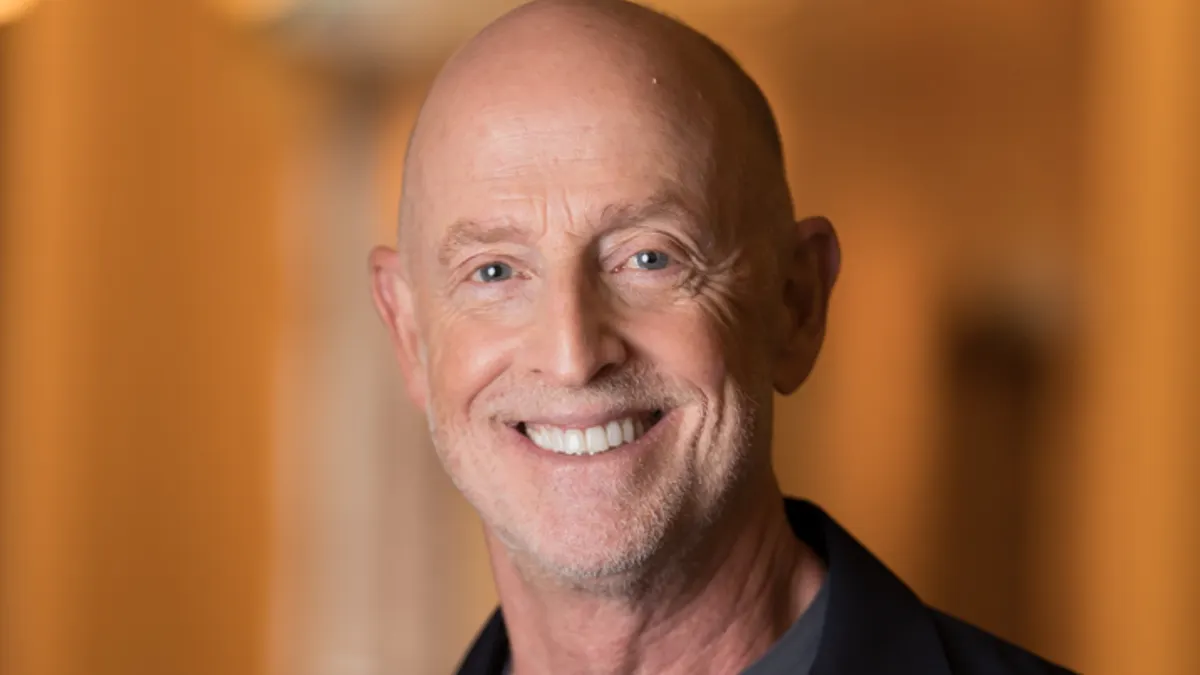
One company facing this question is Alumis, which will apply later this year for approval of envudeucitinib, a competitor to Bristol Myers Squibb’s psoriasis treatment Sotyktu. The biotech’s shares have more than quadrupled since it revealed data showing its drug may be not only superior to Sotyktu, but among the best in an emerging class of therapies. That drug is also in testing for other autoimmune conditions such as lupus.
At peak, envudeucitinib could bring in $1.7 billion in annual sales in psoriasis alone, according to one forecast by the investment firm Leerink Partners. But bringing the drug to market would be a costly endeavor, as footing the bill for direct-to-consumer advertising is a difficult expense for a company of Alumis' size to handle, said Martin Babler, Alumis’ CEO.
To “maximize that opportunity,” Babler said, “that is more likely going to be done with a partner than on our own.”
LB Pharmaceuticals is making similar calculations. CEO Heather Turner told BioPharma Dive in January that the company, which has a schizophrenia drug in late-stage testing, is weighing whether it can market its own medicines. In securities filings prior to going public, LB made the case that its drug could outperform approved schizophrenia treatments, among them Bristol Myers’ Cobenfy. "We think it is a nice, large market opportunity, which helps, but it is one in which a biotech company could credibly launch,” Turner said.
Turner was previously the CEO of Carmot Therapeutics, an obesity specialist that eventually sold to Roche for $3.1 billion. Had that company considered marketing its own drugs, “people probably would have laughed at me,” she said.
Still, some are considering doing so. One is Kailera, a well-funded obesity drugmaker that recently raised one of the sector’s biggest-ever initial public offerings. It's advancing a portfolio led by ribupatide, a weight loss treatment that it’s hoping will compete with Novo Nordisk’s Wegovy and Eli Lilly’s Zepbound. CEO Ron Renaud — who has led and sold three other biotechs — previously said the company built into its hiring plans the expertise needed to lead future drug launches. At least as of now, the company intends to sell its own medicines one day.
“We’ve got a chief medical officer who has developed blockbuster cardiovascular drugs in the past,” Renaud said. “We have that experience internally. So the idea is to take this as far as we can with the skill sets that we have.”

Companies with such ambitions have recent positive examples indicating that kind of plan can yield a stable, profitable business investors will buy into. The drug Ohtuvayre was off to an exceptionally fast launch in a kind of lung disease when its developer, Verona Pharma, was acquired by Merck & Co. for $10 billion in 2025. Argenx commands a nearly $50 billion market cap thanks to the sales growth of the immune drug Vyvgart. Others, such as Insmed and BeOne Medicines, are approaching similar valuations thanks to rapidly growing franchises.
Other biotechs are showing they might reach those heights, too.
Madrigal surprised investors with the early sales trajectory of Rezdiffra, the first drug approved for metabolic dysfunction-associated steatohepatitis, or MASH. Prior to that clearance, there was skepticism about Rezdiffra’s benefits and the market potential for MASH drugs.
Yet Madrigal’s first-mover advantage and strong uptake caused sales of Rezdiffra to outstrip analysts’ expectations. The drug reached $180 million in its first year on the market and almost $1 billion in 2025. Along the way, Madrigal’s value skyrocketed. Even with a double-digit percentage stock decline this year, the company is worth around $12 billion.
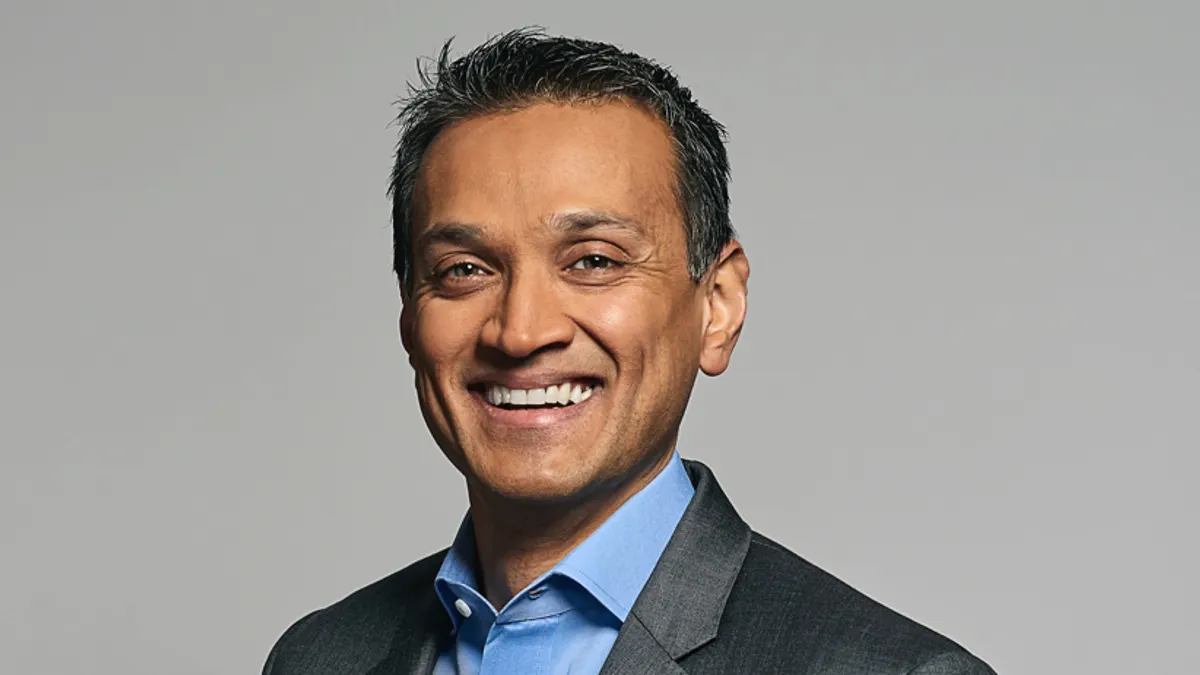
BridgeBio, meanwhile, brought a drug for the progressive heart condition transthyretin amyloidosis cardiomyopathy to market when one, Pfizer’s tafamidis, was already available and another, from Alnylam Pharmaceuticals, was soon following. But BridgeBio compiled data suggesting its drug might be more potent than tafamidis and priced the therapy at a discount. It also adopted a series of marketing strategies to “lower the bar” for access, BridgeBio CEO Neil Kumar previously told BioPharma Dive.
“It takes some bravery and Wild West attitude to think that you can do it even when so many other people have not,” BridgeBio’s Outten said.
The uptake of Attruby has accelerated in 2026. BridgeBio is now worth more than $14 billion.
These stories, some analysts say, represent a maturation for the sector that may have been accelerated by a tough environment. Up until late last year, biotech suffered through a lengthy pullback in funding and dealmaking that forced many developers to spend more frugally to survive, said RBC Capital Markets analyst Luca Issi.
According to Issi, these kinds of cost-controlling maneuvers have better prepared companies to profitably sell medicines — positioning them to reward shareholders without agreeing to a takeover.
"Most biotech companies graduate middle school and get bought," Issi said. "These guys graduated college and they have their own jobs. They got their PhDs and MDs."
Mergers and acquisitions are still a core part of the biopharmaceutical sector. Large pharma companies often snap up biotechs to get ahold of new drugs that can grow revenue or offset patent expirations. This year, at least 20 buyout deals have already been struck, the majority of which were worth at least $1 billion, according to BioPharma Dive data.
An April report from Stifel described the fast start as the sector’s second most active year, ever, for M&A.
Issi contends that biotech’s evolution could, at minimum, give younger firms more leverage in deal negotiations. But others also note how there are now enough recent examples of drugmakers successfully launching new medicines to credibly argue that more should try.
“It’s taken longer than I initially thought it would take, but it's a good thing,” said Mani Foroohar, an analyst at Leerink. “The universe of companies that people think of as ‘grown-up,’” he added, “is expanding.”
Those success stories could also make biotech more appealing to the “generalist” investors that have long seen biotech as a crapshoot, RBC’s Issi said.
“There's this perception from generalists that biotech is just like playing in a casino, like you gamble on who gets bought,” Issi said. “But the broader sector is in much better shape because we have more companies that have self-sustainable businesses.”