Today, a brief rundown of news from Evommune and Takeda Pharmaceutical, as well as updates from AstraZeneca, Upstream Bio and Moderna that you may have missed.
Shares of Evommune nearly doubled on Tuesday following mid-stage study results the company reported in atopic dermatitis. Evommune said its drug, EVO301, led to a 33% placebo-adjusted improvement in a measure of disease severity after 12 weeks. That difference is “potentially competitive” with marketed biologics for eczema, among them Sanofi and Regeneron’s Dupixent, wrote William Blair analyst Matt Phipps. No severe side effects or treatment discontinuations were reported either. Evommune’s drug neutralizes an inflammatory cytokine, IL-18, involved in inflammation. The company acquired it from South Korean biotech AprilBio in 2024, a year before going public. — Ben Fidler
The Food and Drug Administration has agreed to evaluate an approval application for Takeda Pharmaceutical's "oveporexton," the lead member of a group of new, promising narcolepsy medicines. Takeda on Monday said the drug will receive a fast-track review, with an approval verdict slated for sometime between July and September. Like similar medicines from Alkermes, Eisai and Centessa Pharmaceuticals, oveporexton works by stimulating a protein known as orexin-2. In a report late last year, RBC Capital Markets argued that recent clinical data not only validate this emerging drug class, but suggest targeting orexin-2 "could have superior efficacy" to existing therapies. Consensus among analysts, the RBC team added, is the class could generate more than $3.3 billion annually by 2034. — Jacob Bell
AstraZeneca is advancing an experimental obesity pill following positive results in mid-stage testing. In its earnings report Tuesday, AstraZeneca said the drug, called elecoglipron and licensed from China-based Eccogene, met its primary goals in a pair of studies in diabetes and obesity. AstraZeneca didn’t provide specifics, but said the results supported advancement into late-stage testing this year. AstraZeneca is well behind the leaders in obesity, but has used dealmaking to amass a portfolio of prospects. — Ben Fidler
Upstream Bio’s share price fell by more than 50% on Wednesday on Phase 2 study results for an asthma drug the company has positioned as a potential challenger to Amgen and AstraZeneca’s Tezspire. Upstream said that drug, verekitug, met its main objective by reducing annualized rates of disease “exacerbations.” It also helped improve measures of lung function. Still, Mizuho Securities analyst Joseph Catanzaro wrote that there was “likely some disappointment” from investors in the performance of a bi-yearly dosing regimen. The once-quarterly regimen is “clearly active and viable,” but Catanzaro’s team is “not sure this dataset dispels concerns around emerging competition” from others with similar drugs. Upstream is advancing verekitug into Phase 3 testing. — Ben Fidler
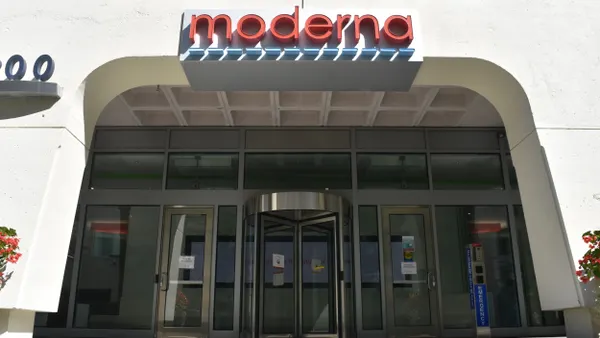
Moderna has signed a five-year deal with the Mexican Government to boost the country’s “health sovereignty” and messenger RNA manufacturing capabilities. The agreement announced Monday will ensure Mexico has a stockpile of Moderna’s respiratory vaccines and includes a technology transfer deal equipping Mexican pharmaceutical company Liomont to produce the company’s COVID shot domestically. Moderna will also work with the Mexican government on local clinical research and help with pandemic preparedness. — Delilah Alvarado