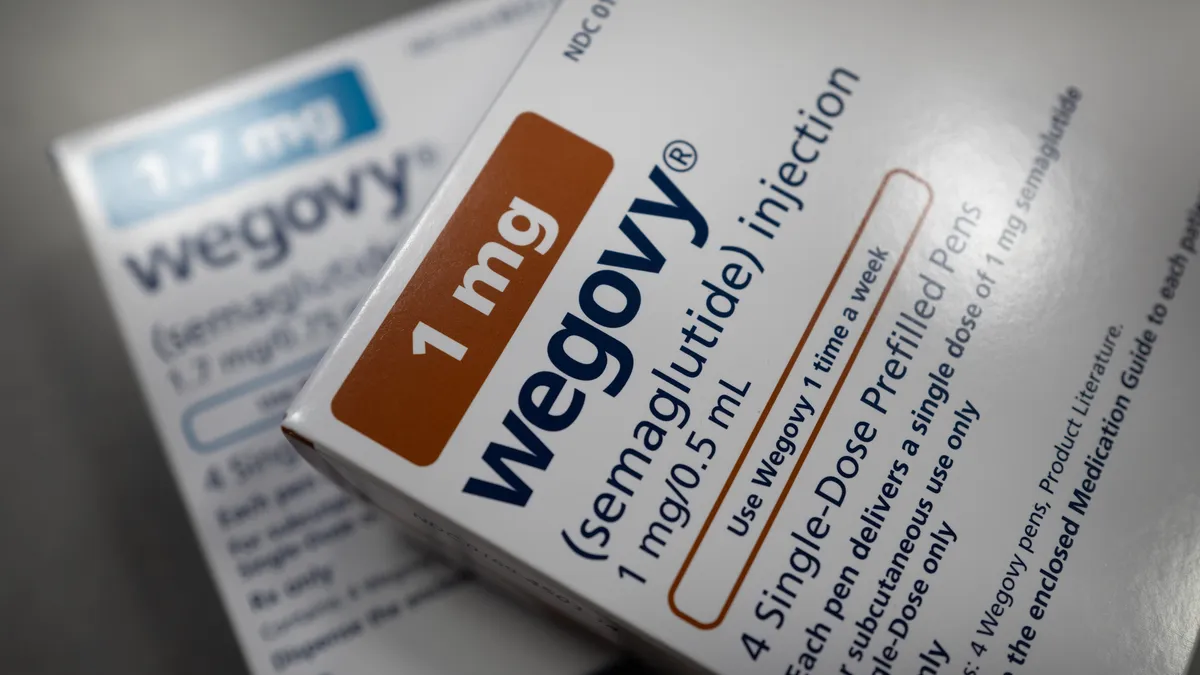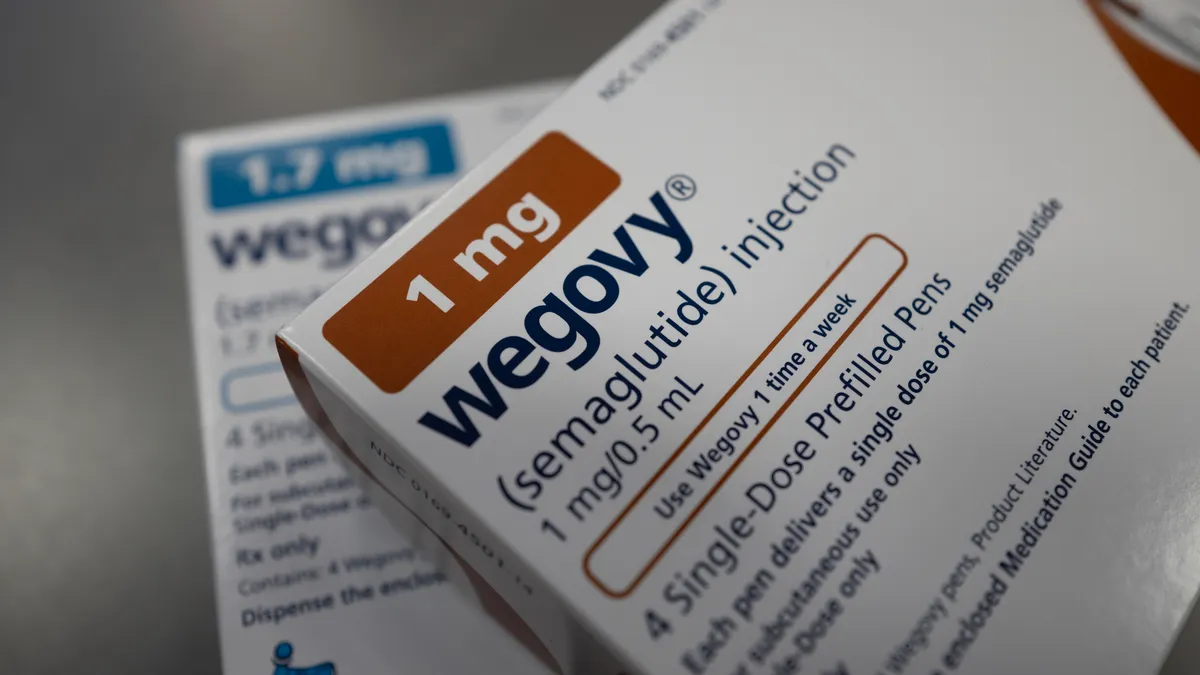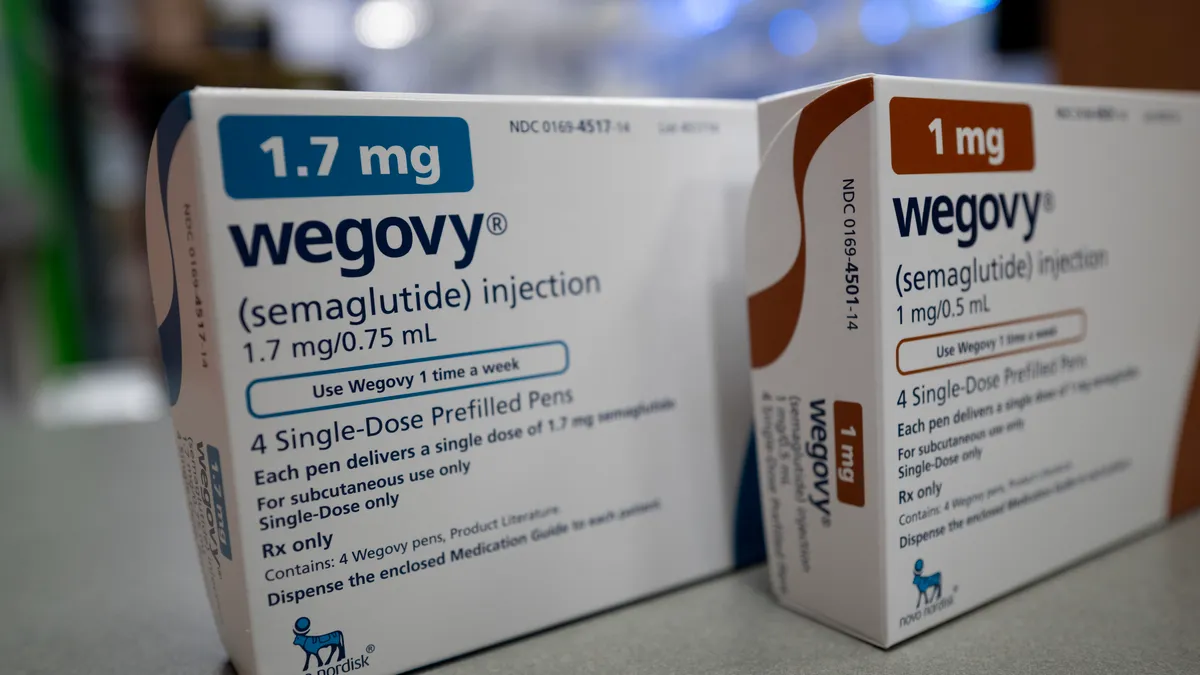
Hims & Hers Health is launching a copycat form of Novo Nordisk’s newly launched obesity pill, ushering in the latest contentious battle between the makers of branded weight loss medications and their drug-compounding counterparts.
Hims said Thursday that it’s now enabling healthcare providers to prescribe a compounded pill with the same active ingredient, semaglutide, as Novo Nordisk’s oral Wegovy. That treatment will be sold as part of treatment plans that begin at $49 for the first month — $100 lower than the price Novo is charging under a deal with the Trump administration. Hims also claimed that its treatment is formulated differently and involves a different delivery method to protect the active ingredient during digestion.
In a statement issued in response to Hims’ announcement, Novo spokesperson Ambre James-Brown called Hims’ move “illegal mass compounding and deceptive advertising” and threatened litigation. The compounder is “unlawfully” mass-marketing an “unapproved, inauthentic, and untested knockoff” of Novo’s medication, she said.
The launch “poses a significant risk to patient safety,” James-Brown said. “Novo Nordisk will take legal and regulatory action to protect our patients, our intellectual property and the integrity of the U.S. gold-standard drug approval framework. This is another example of Hims & Hers’ historic behavior of duping the American public with knockoff GLP-1 products, and the [Food and Drug Administration] has previously warned them about their deceptive advertising of GLP-1 knockoffs.”
Over the last year or so, compounding pharmacies have used legal loopholes to capitalize on the widespread demand of GLP-1 medicines for weight loss. They first began producing lower-cost, copycat versions of injectable Wegovy and Eli Lilly’s rival Zepbound when those drugs were in shortage. But even afterwards and despite lawsuits and warnings from the FDA, those efforts have continued, with companies using tailored methods of titrating and personalizing doses to seek to comply with established law.
The presence of drug compounders has been particularly impactful on Novo, which has ceded its once-leading market share in the U.S. to Lilly. Novo just this week predicted a decline in sales growth in 2026, in part due to competitive pressures that include drug compounders. That disclosure erased tens of billions in market value.
Novo has been hoping that its Wegovy pill could be part of the solution. By early prescription totals, the drug, which was launched last month, is off to the fastest pharmaceutical launch in history. Novo is counting on early sales to gain back momentum, too, as a similar pill from Lilly could be approved in the second quarter.
The announcement by Hims on Thursday put a dent in those plans, sinking its shares, as well as Lilly’s, by more than 6%. But Novo took pains to differentiate its product, noting how it’s the “only” company that manufactures an FDA-approved product and the compounded version “may contain impurities, unnecessary additives, and untested doses.”
UBS Securities analyst Michael Yee pointed to those differences in a note to clients Thursday. The differences in formulation leave “unclear” how the drug is absorbed by the body and what type of side effect profile might occur as a result.
According to Yee’s estimates, compounding prescriptions account for some 1 million of prescriptions compared to the 100 million or so his firm estimates being written across Novo and Lilly’s GLP-1 franchises. “The oral Wegovy dynamic might need to play out and other efforts on behalf of Novo,” he said, but added that Lilly so far has been able to consistently outperform expectations despite the presence of compounded, injectable GLP-1 drugs.