Dive Brief:
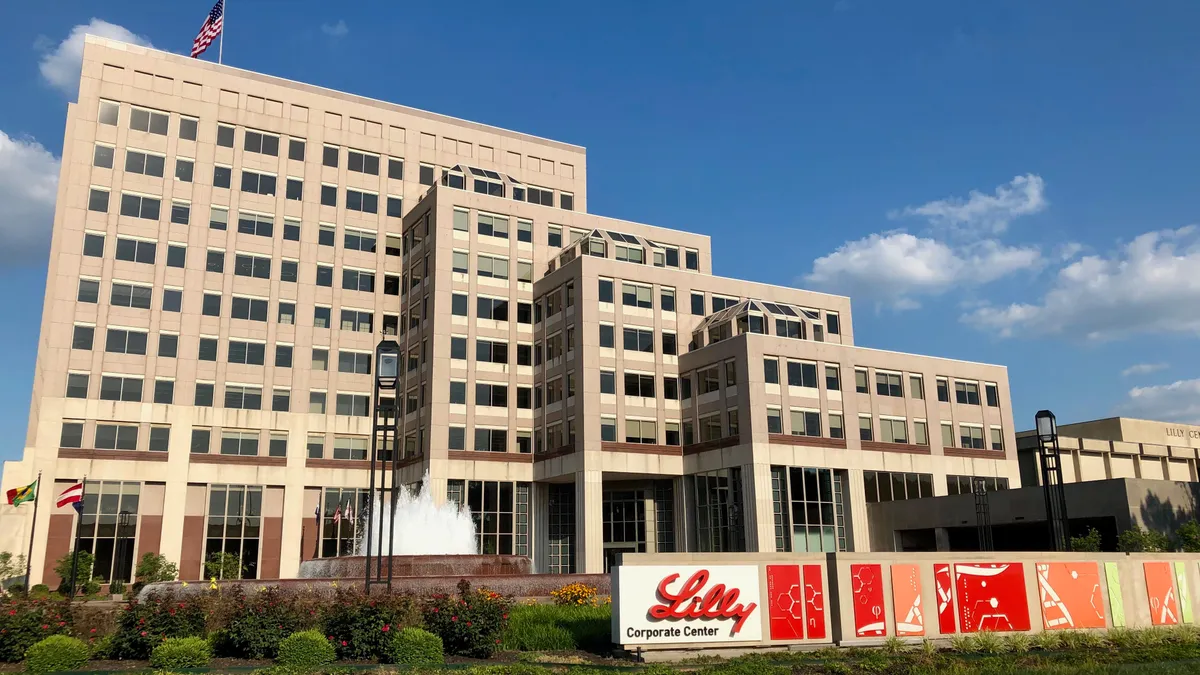
- Eli Lilly’s experimental base editing medicine succeeded in an early stage trial, “meaningfully” lowering low-density lipoprotein and levels of a key protein in people with genetically elevated cholesterol or with early-onset heart disease, the company said Monday.
- A single infusion of “VERVE-102” reduced LDL — the so-called “bad cholesterol” — as much as 62%, and sustained the reductions for up to 18 months, according to Lilly. The reduction was similar to that generated by Amgen’s marketed product Repatha in people with genetic high cholesterol, although the two drugs haven’t been tested head to head.
- Lilly obtained the drug through its $1 billion buyout of Verve Therapeutics, a startup that hoped to find genetic medicine solutions to cardiovascular disease. The drug was Verve’s second try at developing a safe and effective treatment for elevated LDL, after a first candidate raised safety concerns.
Dive Insight:
Cardiovascular disease treatment has undergone a transformation in the past 40 years, as first statins like Pfizer’s Lipitor and then “PCSK9” antibody drugs like Repatha showed that significantly lowering LDL could delay heart attacks and strokes and prevent heart-related deaths.
Those drugs have limitations, however. Many patients can’t tolerate statins because of joint and muscle pain, while others quit taking PCSK9 inhibitors early because of access barriers or dissatisfaction with their benefit. And in many cases, treatment with these drugs still doesn’t get LDL down to healthy levels.
“With coronary artery disease still one of the leading causes of death worldwide, the need for new approaches is real,” said Riyaz Patel, a cardiologist at Barts Health NHS Trust in London, in a statement provided by Lilly.
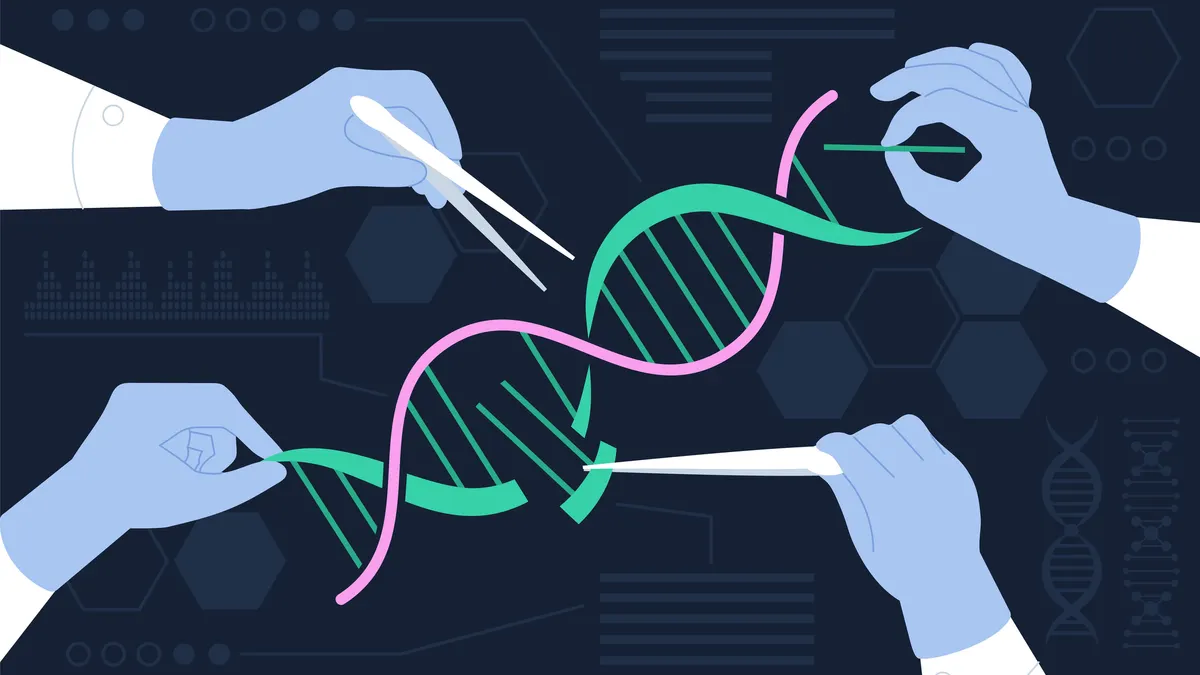
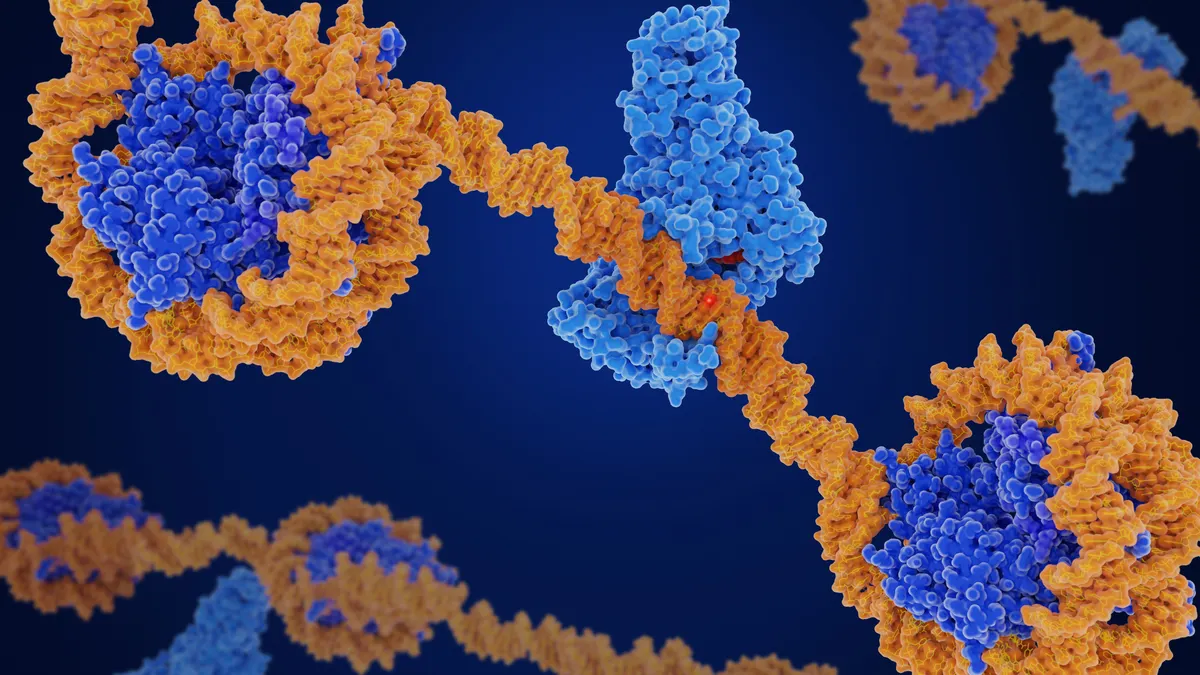
Verve hoped to overcome some of those problems with a one-time solution that turns off the gene that activates PCSK9, a protein that regulates LDL metabolism in the liver. VERVE-102 changes a letter, or “base,” in the DNA that alters the PCSK9 gene.
Lilly found Verve’s strategy compelling enough to commit $1 billion to acquiring its pipeline of cardiovascular drugs, which could become an even richer payout for Verve’s investors if VERVE-102 enters Phase 3 testing by 2035. If successful, VERVE-102 could help shore up Lilly’s position in metabolic diseases, where it has become a leader thanks to top-selling obesity and diabetes products as well as a healthy pipeline of experimental drugs.
The data disclosed Monday were part of a presentation at the European Atherosclerosis Society Congress and published in the New England Journal of Medicine. They suggest VERVE-102 was both hitting its biological target and having the intended effect. The data came from 35 enrollees who received one of six different doses of the drug, ranging from 0.3 to 1 milligram per kilogram of body weight.
According to Lilly, PCSK9 levels dropped between 55% and 88% while LDL levels fell between 9% and 62%. Investigators said there were no treatment-related adverse events, and enrollees reported that the main side effects were reactions to the infusion and fatigue. All received their planned dose and no one withdrew from the trial.
Lilly plans on beginning a Phase 2 study by the end of 2026.