Dive Brief:
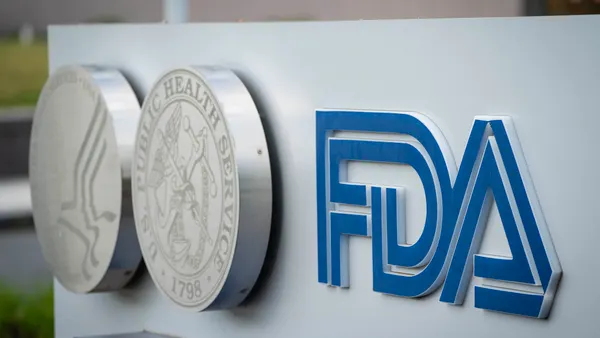
- The Food and Drug Administration has, for the second time, turned back a medicine for a tough-to-treat skin cancer in a decision that marks a major setback for the therapy and its developer, biotechnology company Replimune.
- The agency on Friday rejected the treatment, vusolimogene oderparepvec or “RP1,” which had been under review for people whose advanced melanoma progresses despite treatment with a widely used cancer immunotherapy. In a letter made public Friday, the agency claimed that the review team, as well as multiple agency leaders and subject matter experts, determined the data are “insufficient to conclude substantial evidence of effectiveness.”
- The decision comes eight months after U.S. regulators spurned RP1, arguing that the company’s findings couldn’t be “adequately interpreted.” Replimune claimed to have been blindsided by the rejection and afterwards provided the FDA with additional information and analyses to boost its case. The agency, though, argued in its letter that its feedback to Replimune has remained consistent through years of communications and that its issues weren’t addressed.
Dive Insight:
Replimune’s case has become a flashpoint in a public debate about how the FDA has been handling certain drug reviews.
Several companies accused the FDA of reneging on previous agreements about what it would take to get their medicines approved. Those situations have roiled biotech investors and drawn scrutiny from critics and lawmakers, who’ve claimed the FDA’s actions don’t match the flexibility its leaders promised. Nearly half of the investors polled by analysts at the investment bank RBC Capital Markets have called the uncertain regulatory climate the sector’s “biggest issue.”
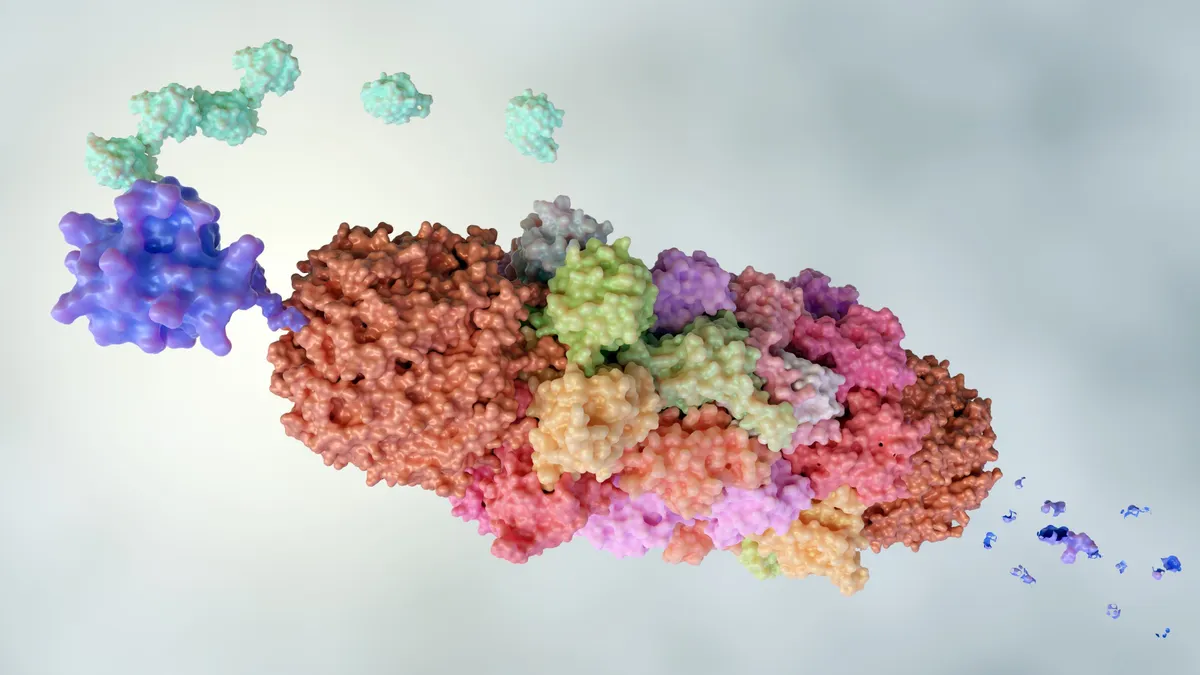
Replimune’s therapy is one such example. A type of oncolytic virus, it succeeded in a trial the FDA had once endorsed; the company claimed to have only found out afterwards that that study wasn’t “well-controlled.” Nearly two dozen investigators came to its defense following the rejection, disputing the agency’s negative conclusions in an open letter and pleading for another review.
Replimune met with the FDA in September and quickly filed a revised application that was accepted a month later.
In the meantime, political pressure has mounted against the FDA. Vinay Prasad, an agency leader who’s taken a hard-line stance on approvals, announced plans to depart the regulator by the end of April. The FDA also last month cleared a therapy that had been seen as a questionable case, boosting optimism among analysts that the regulator might be taking a more permissive stance going forward.
Yet in its letter Friday, the FDA appeared to wave off suggestions that it had flip-flopped on Replimune. Agency staff argued that Replimune essentially ignored feedback dating back to 2021 and that longstanding “study design concerns previously communicated were not addressed.” Those issues left unclear the contributions Replimune’s therapy had to the responses observed in testing, the letter read.
The FDA also recommended ways Replimune might use data from an ongoing Phase 3 trial to support an accelerated approval. Replimune, though, ultimately tried to support its reworked filing with data from an “early unplanned analysis" of that trial as well as “additional exploratory analyses” from the study at the center of its application.
Replimune shares fell about 20% in midday trading Friday.