Dive Brief:
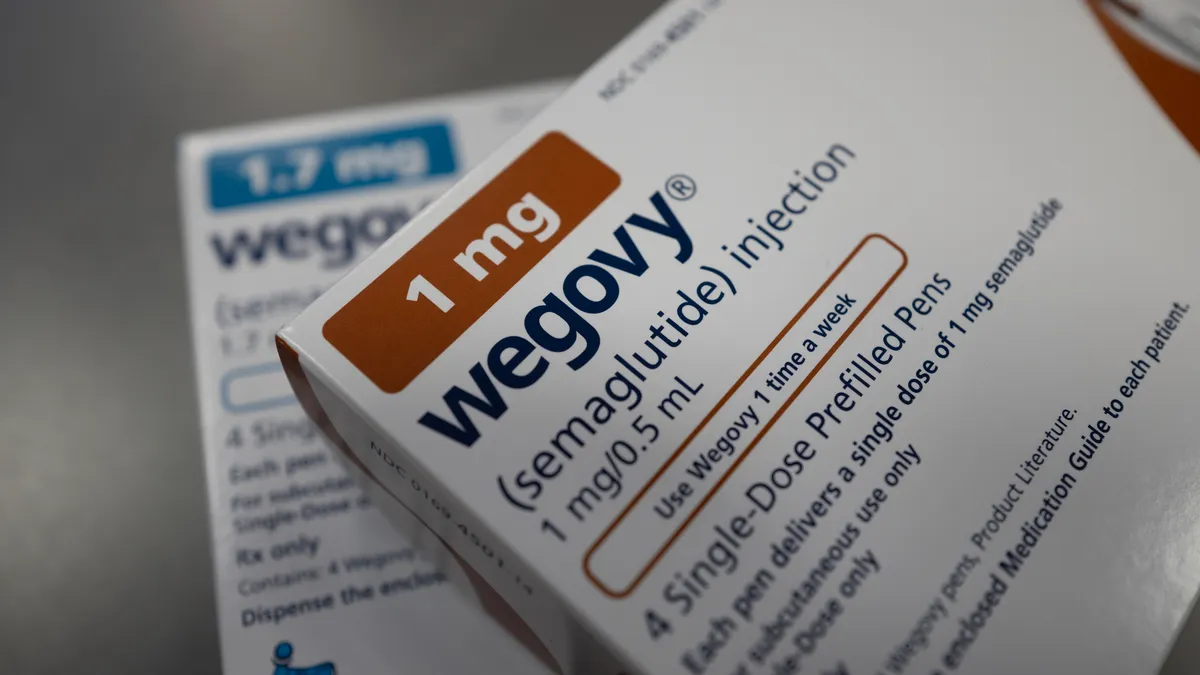
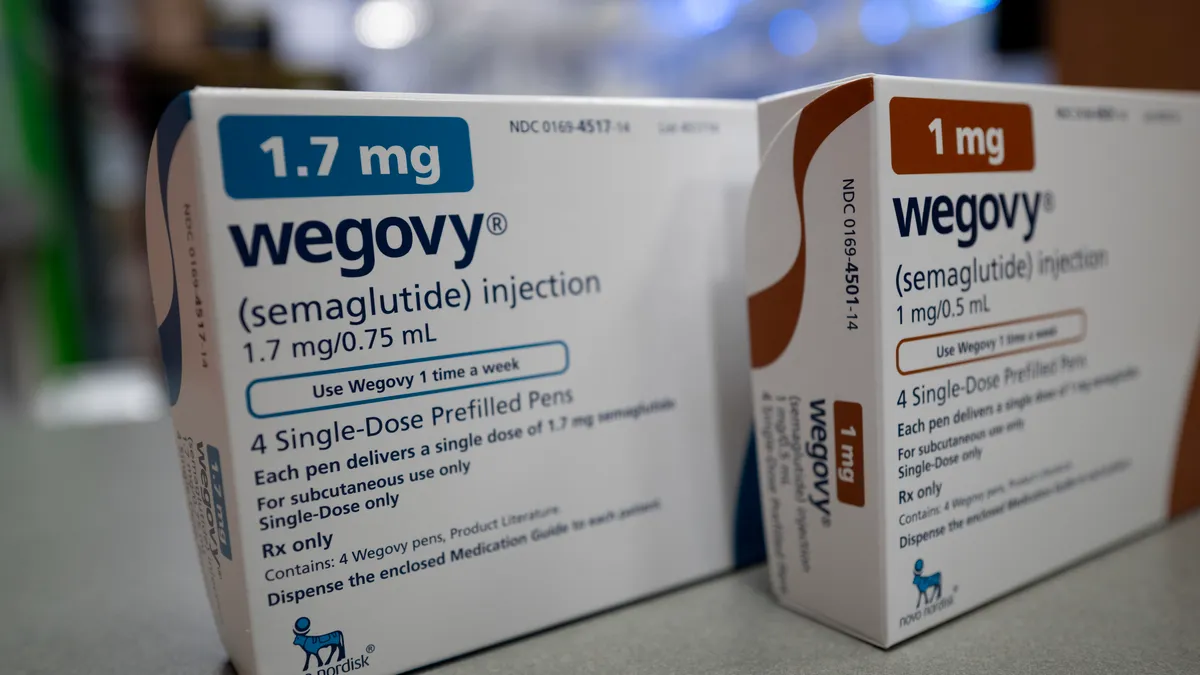
- Roche is broadening its obesity strategy, signing a deal with South Korea-based Hanmi Pharm for a novel drug designed to stimulate weight loss but preserve lean tissue, addressing one of the perceived weaknesses of GLP-1-targeting medicines like Eli Lilly’s Zepbound and Novo Nordisk’s Wegovy.
- Per deal terms announced Monday, Roche will pay $190 million up front and offer as much as $2.3 billion in total based on potential development, regulatory and commercial milestones, along with royalties, for rights to “HM17321” outside of South Korea. Hanmi will complete a Phase 1 dosing trial currently underway, after which Roche will assume development.
- The shot, a so-called urocortin 2 analog, turns on a biological pathway that spurs muscle growth and fat metabolism. The companies are in a race with Denmark-based Gubra, which initiated a Phase 1/2 trial of a urocortin 2 shot in July.
Dive Insight:
Roche is behind obesity market leaders, having advanced drugs it acquired from Carmot Therapeutics or in-licensed from Zealand Pharma as far as mid-stage studies while Lilly and Novo book tens of billions of dollars a year in sales from their similar incretin-targeting agents.
Obesity doctors and analysts see lean-mass-sparing approaches as potential next-generation treatments, as the significant weight loss that Zepbound and Wegovy stimulate comes with an accompanying cost of healthy muscle tissue. Research investments are flowing to “quality” weight loss strategies, whether they are supplements or GLP-1 drugs or in the form of a shot that does both, as Hanmi and Gubra are trying.
“The paradigm of obesity treatment is evolving beyond simple weight reduction toward improving body composition and restoring metabolic health,” said In-Young Choi, head of Hanmi’s research and development division, in a statement. “We are very pleased that the differentiated scientific mechanism and development potential of HM17321 have been recognized by the global market.”
Pfizer is among the companies that have researched urocortin 2 as a potential metabolic target. Hanmi’s preclinical work included a study in animal models head-to-head against Wegovy, including monkeys, to demonstrate potential human translation.
The Phase 1 trial of HM17321 currently underway is enrolling healthy non-obese volunteers to measure side effects along with biological markers, followed by people with obesity to measure similar safety and biological parameters along with weight loss.
The November 2025 start date of that trial gave Hanmi an eight-month head start on Gubra, and Hanmi could complete the trial and hand it off to its big pharma partner more than a year and a half before Gubra wraps its early human studies.