A cohort of blue-chip venture capital firms have poured $130 million into Slate Medicines, a newly formed startup developing a migraine drug licensed from China.
In a Tuesday announcement, Slate said that it would use the Series A funding from RA Capital Management, Forbion, Foresite Capital and another undisclosed backer to advance that drug — which it sees as capable of preventing migraines and other headache disorders — into clinical testing.
More than 37 million people in the U.S. are estimated to live with migraines, which are pulsating headaches that can last hours to a few days and involve symptoms such as nausea and sensitivity to light and sound.
Multiple therapies, from over-the-counter painkillers to generic medications called triptans, can help with attacks and ease symptoms. And over the last decade, drugs that block calcitonin gene-related peptides, or CGRP, have emerged as a way to prevent or reduce the frequency of headaches. Several are sold by Amgen, Novartis, Pfizer, Eli Lilly, Lundbeck and Teva Pharmaceuticals. Some were acquired through company buyouts.
Still, many patients don’t respond to anti-CGRP medicines, leaving an opportunity for alternative approaches. Slate is working on one prospect that’s “distinct” from CGRP drugs, it said in a statement. Originally developed by Guangzhou, China-based DartsBio Pharmaceuticals and licensed to Slate, it goes after a protein called PACAP.
Like CGRP, PACAP is involved in the onset of migraines. But PACAP acts on different intracellular signaling pathways, heightening expectations that drugs blocking it might benefit people who aren’t helped by CGRP inhibitors.
The most advanced anti-PACAP drug in development belongs to Lundbeck, which acquired the program through a 2019 acquisition of Alder BioPharmaceuticals. That drug, bocunebart, has showed promise in a pair of mid-stage trials. Lundbeck said earlier this month that it intends to work with U.S. regulators on the design of a Phase 3 program.
Bocunebart is administered via an intravenous infusion. Slate’s drug, SLTE-1009, is a subcutaneous injection that could be given at home. The company declined to offer more details on the therapy in an email to BioPharma Dive, but noted that PACAP is a “clinically validated target distinct from CGRP, offering potential benefit for patients underserved by current preventive therapies.” Phase 1 testing should start in mid-2026.
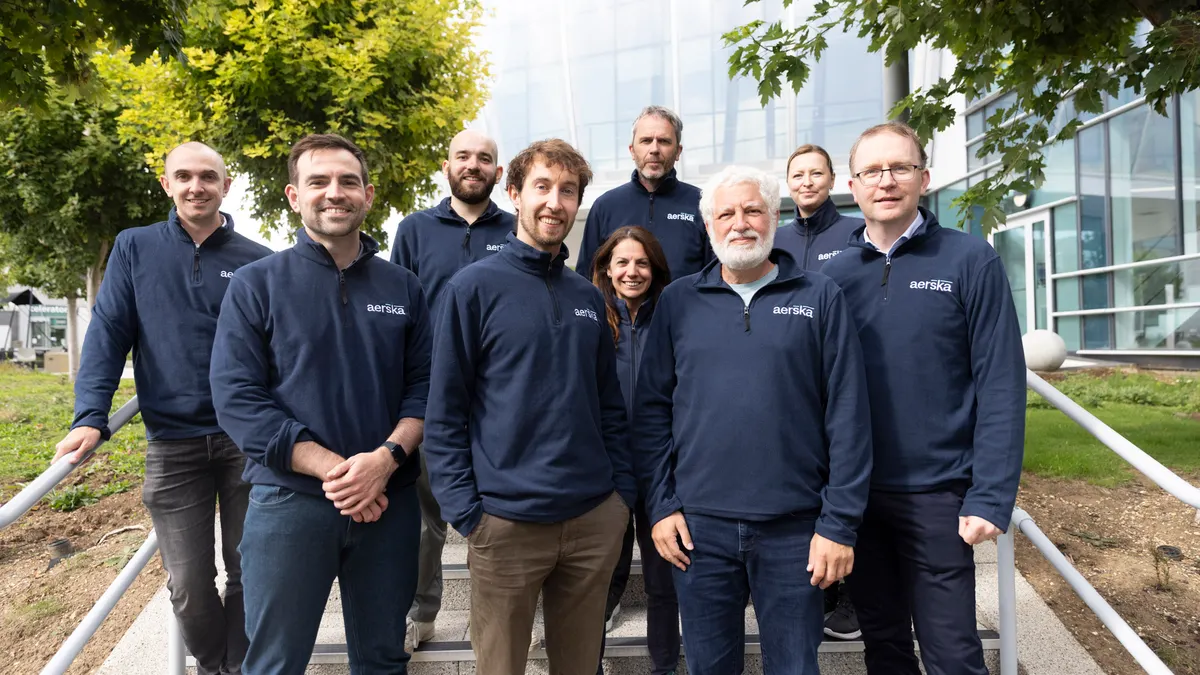
Slate is led by Gregory Oakes, the former head of a company, Landos Biopharma, that was acquired by AbbVie in 2024. Neil Buckley, a venture partner at RA Capital, is the company’s chief operating officer. Chief Medical Officer Roger Cady, meanwhile, was formerly the vice president of neurology at Alder and Lundbeck.
The company is headquartered in Raleigh, North Carolina.