Dive Brief:
- The Food and Drug Administration on Wednesday approved Yuvezzi, an eye drop Tenpoint Therapeutics developed for presbyopia.
- The transatlantic biotechnology company also announced it raised $235 million in debt and equity funding to support the coming launch. An $85 million Series B funding was led by Janus Henderson, EQT Nexus, Hillhouse and British Business Bank. Hercules Capital, meanwhile, is providing a $150 million secured loan.
- Tenpoint plans to launch Yuvezzi in the second quarter of 2026, Henric Bjarke, the company’s CEO, said in a statement.
Dive Insight:
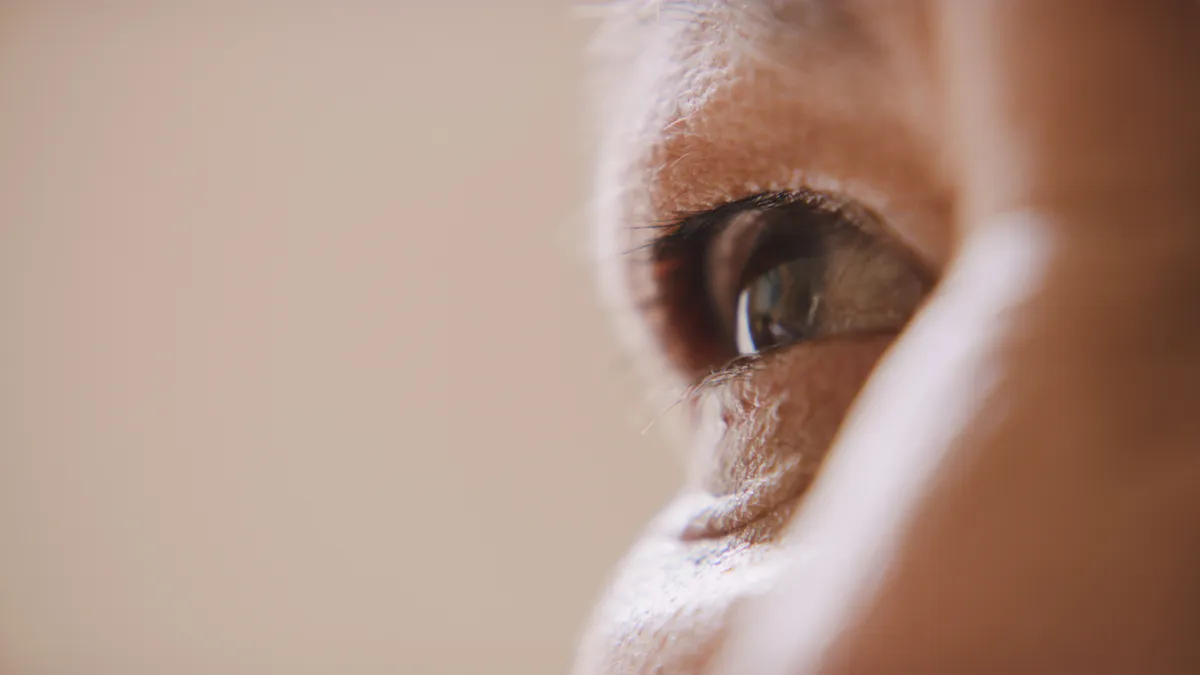
By some estimates, presbyopia affects 128 million people in the U.S. and some 2 billion people worldwide. The condition isn’t a disease so much as a product of aging. As people get older, the lenses in their eyes become more rigid, making it difficult focus on objects up close. People typically manage presbyopia with the help of over-the-counter reading glasses, prescription glasses or contact lenses.
More recently, though, pharmaceutical and biotech companies have been offering alternatives in the form of drops that essentially shrink the pupil and improve near or intermediate focus. Those drops — Lenz Therapeutics’ Vizz, Orasis Pharmaceuticals’ Qlosi and AbbVie’s Vuity — produce effects that kick in within 15 or 30 minutes and last for several hours, enabling people to potentially bypass use of glasses or contacts.
Tenpoint claims Yuvezzi could represent an improvement over those therapies. The drop is a combination of two chemical compounds, carbachol and brimonidine tartrate, that constrict the pupil and prevent it from dilating so the effects last longer. One of those components also helps whiten the eyes, which is meant to reduce the kind of redness associated with presbyopia drops.
It’s the “first and only dual-agent” presbyopia drug that “offers the right balance of efficacy, tolerability and ease of use,” Bjarke wrote in an email to BioPharma Dive. Yuvezzi starts working in about 30 minutes and can last for up to 10 hours, he added.
The drug is a “valuable and practical advancement,” Bjarke wrote.
Yuvezzi’s clearance was based on two Phase 3 trials. One showed that the treatment was more effective than its individual components. In the second study, Yuvezzi achieved all main endpoints related to close vision. The most common side effects reported were headaches, impaired vision and temporary eye pain. Rates of redness were low; in one study, about 3% of recipients on Yuvezzi reported redness compared to roughly 11% of those who got only carbochol.
Tenpoint first emerged in 2023, with ambitions of using cell therapy technology to make vision-restoring medicines. That year, it brought in $70 million in Series A funding from F-Prime Capital and Sofinnova Partners, among others.
But Tenpoint merged with a fellow eye drug developer called Visus Therapeutics in 2024 and switched up its leadership team. That deal handed it what’s now known as Yuvezzi, which vaulted to the front of its pipeline.
“It’s incredibly exciting to see the Series B financing and Yuvezzi approval align at the same moment, creating the perfect launch point for this exceptional ophthalmology team to deliver a best-in-class dual agent to this massive market,” said Tenpoint chairman David Guyer, in a statement.