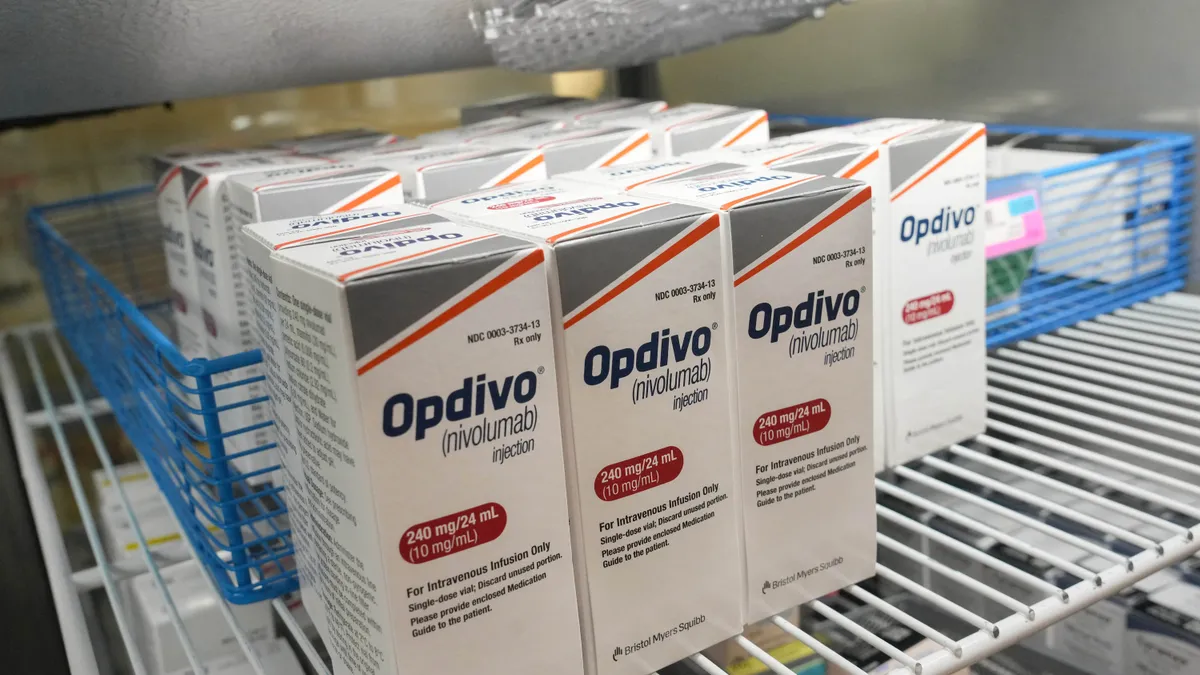

The global pharmaceutical industry now spends more than $5 billion each year on patient support programs (PSPs). These investments are delivering real value: studies have shown that PSP participation improves adherence by nearly 30% while reducing healthcare utilization and costs. A majority of patients participating in these programs report substantial improvements in quality of life.
As specialty medicines account for an increasing share of the drug pipeline, it makes sense for sponsors to support patients financially, emotionally, and logistically, since these high-cost therapies are often complex to administer, require ongoing dose monitoring, and carry significant risks of side effects. A well-designed PSP can remove many of the barriers to treatment access, helping patients start, stay on, and fully benefit from innovative drugs.
Diagnostic laboratory testing is an essential component of PSPs, providing the data healthcare providers (HCPs) need to optimize dosing, track disease activity and treatment response, and monitor patient safety. When HCPs have rapid access to accurate test results, they can make timely, well-informed therapeutic decisions.
Diagnostic lab tests to support the patient journey:
- Monitor drug safety and response: Longitudinal lab test data can enable HCPs to detect toxicity early, adjust dosages, and avoid preventable complications.
- Deliver personalized adherence support: Test data can be used for risk stratification and care gap detection, and to trigger targeted interventions for high-risk or non-responding patients. A nurse might, for instance, reach out to patients whose lab results are abnormal, rather than having the program send generic, one-size-fits-all reminders.
- Boost clinical confidence: When PSPs have a reliable, trustworthy diagnostic testing partner, providers gain confidence. They know their decisions are based on accurate data, reinforcing trust in both the PSP and the therapy.
Choosing the right diagnostic partner can make PSP program coordination easier and, more importantly, help ensure that care is patient-centric, convenient, and delivered with empathy.
Here are three key characteristics to look for in a diagnostic testing partner:
1. Accessible, convenient service locations
To maximize participation in your program, it’s essential to meet patients where they are. A PSP partner conducting therapeutic drug monitoring (TDM) should have a broad geographic footprint so that their service centers are easy for patients to reach. LifeLabs, for example, operates more than 380 PSCs in convenient locations, allowing patients to complete their bloodwork without going out of their way.
“Most PSPs involve drugs administered through infusion,” explains Rob Dottori, Director of Private Payer and Virtual Markets at LifeLabs. “We coordinate with the infusion sites so that our couriers can pick up samples that are collected during the infusion. Some of our Patient Service Centers are in the same building as an infusion site. We also create Lab-Validated supply test kits that enable infusion clinics to collect specimens and return them to LifeLabs coast to coast. And when it’s needed, we travel to patients—meeting them at home or at work, wherever it’s most convenient and most supportive of adherence.”
A PSP partner conducting TDM testing should also provide rapid test result turnaround times as well as efficient, easy-to-understand reporting.
2. A highly personalized approach to PSP design and delivery
As advanced therapies become increasingly specialized, each patient population has support needs unlike those of any other group. Look for a partner who can tailor its approach to your therapy, target population, and disease area.
“We maintain close working relationships with pharmaceutical teams so that we can really understand the outcomes they’re aiming for, how they want to support patients, and which populations need the most help,” says Jenny Williams, Key Account Manager for Pharma Solutions at LifeLabs. “Every client gets a dedicated account manager, participates in monthly alignment sessions, and receives round-the-clock support. We don’t take an out-of-the-box approach. Instead, we encourage our clients to come to us with their needs, and then we work together to build a customized program that meets those needs.”
3. An ethos of care throughout the organization
Most healthcare professionals enter the field to help people. An ideal PSP partner should never lose sight of the emotional and psychological needs of the patients receiving care.
“We are a mission-driven organization,” Dottori says. “We care for our clients, and we care for our patients. That’s at the heart of a successful patient support program—having very responsive, very engaged teams to support patients throughout the care journey and sponsors throughout the program lifecycle. We’re not just a diagnostic lab. We can also raise awareness about a new treatment across our digital media properties, we have marketing resources to help with collateral creation, and we have field teams who can deliver healthcare provider education. It’s truly an end-to-end approach.”
A community laboratory like LifeLabs, with extensive reach and brand recognition across Canada, as well as a strong track record of working with CROs, academic researchers, and healthcare providers, is ideally positioned to deliver high-quality patient support. As Canada’s most trusted health diagnostics brand, LifeLabs has a name patients associate with superior service and personalized support—exactly what’s needed to engage them and help them achieve the best possible outcomes.
Want to learn more about how LifeLabs is improving the treatment journey for patients and helping drug developers accelerate access and adoption? Visit us online.