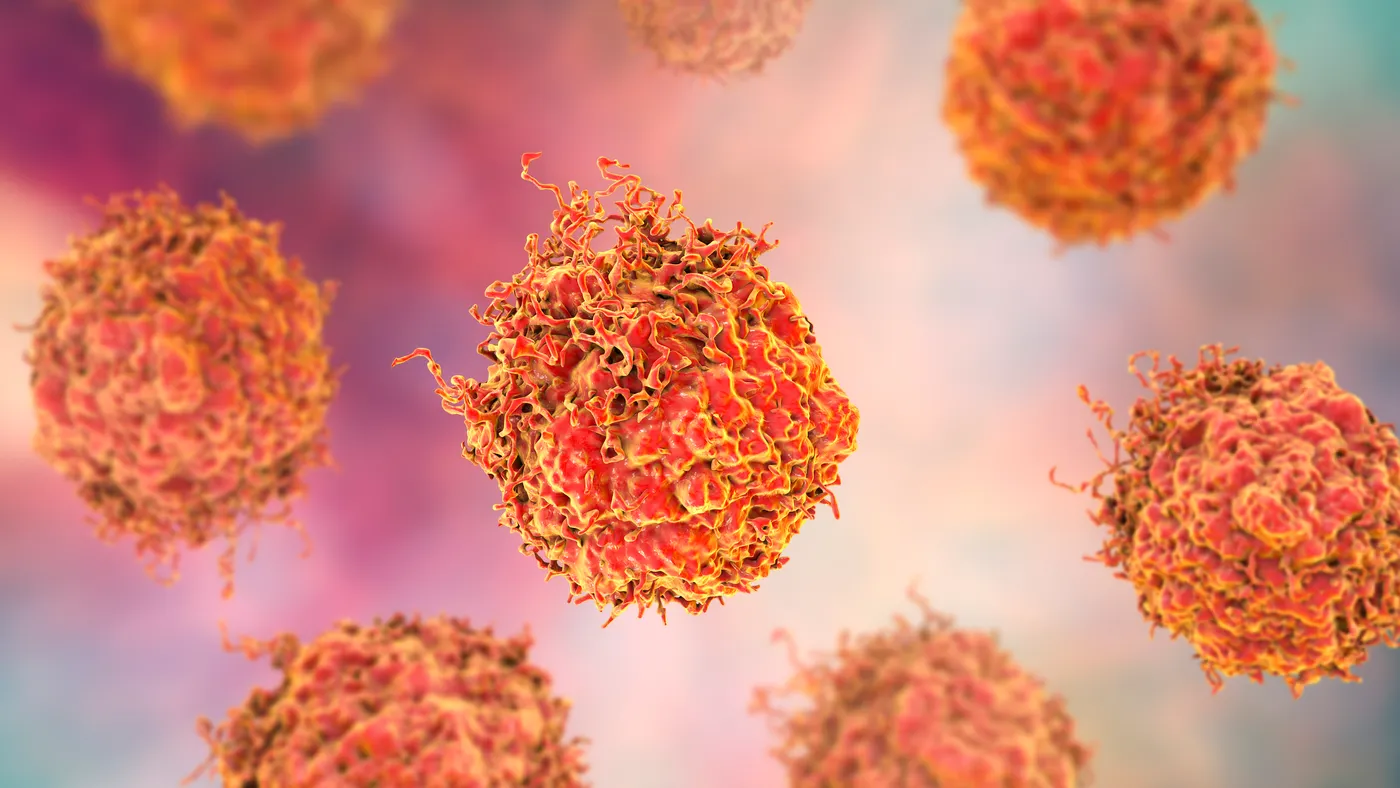
An illustration of T cells attacking a cancer cell.
Getty Images
Note from the editor
Since 2015, the Food and Drug Administration's main drug review office has approved nearly 140 new cancer drugs, about a quarter of the almost 500 medicines it’s cleared for market during that time.
The long list of new treatments reflects the advent of cancer immunotherapy as well as continued progress in matching treatment to genetics. New drugs for lung, breast, skin and blood cancers have made gains over previous standards of care, while other additions have expanded options for patients. Technologies like antibody-drug conjugates, bispecifics and radiopharmaceuticals have come of age.
Many of those new therapies, however, are getting cleared with less supporting evidence, at times lacking control group comparisons or evidence of a survival benefit over typical treatment.
Drugmakers and, for the most part, the FDA argue the medicines now reaching patients are different than the blunter interventions of the past. Targeted to genetic mutations, newer drugs can be given to only those patients most likely to benefit, meaning an experimental compound's effectiveness is more readily apparent.
While not all agree, that view has had consequences for how clinical trials are run, and for how much money drugmakers are investing in cancer R&D. Large pharmaceutical companies are launching hundreds of clinical trials, while aggressively targeting inventive biotechs via multibillion-dollar buyouts. They’re also looking to China, where they’ve found cheaper versions of new modalities to license and acquire.
In recent years, though, the FDA has scrutinized some of the speedy approvals it previously handed out. The agency has had its advisers review whether certain cancer drugs and treatment indications should be withdrawn, and pressured developers to pull their medicines from market when confirmatory testing has failed.
Read on for a look at how cancer research is advancing and how it's changing the industry in the process.
‘Unprecedented’ Revolution data point to paradigm shift in pancreatic cancer
Highly anticipated data confirmed what’s been heralded as a medical breakthrough against a historically tough-to-treat tumor.
By: Jonathan Gardner• Published May 31, 2026
A drug from Revolution Medicines has proven broadly effective against an aggressive and tough-to-treat pancreatic tumor in a highly anticipated study result that could quickly change medical practice.
Revolution disclosed in April that the drug, daraxonrasib, nearly doubled survival compared to standard chemotherapy in a Phase 3 trial. At the American Society of Clinical Oncology meeting, study investigators provided fuller details experts described as “unprecedented” and “landscape changing.”
Revolution’s primary study objective was to test whether daraxonrasib could benefit pancreatic cancer patients whose disease had spread despite a previous treatment and whose tumors were driven by a particular “RAS G12” mutation. But it also evaluated daraxonrasib’s effects on the entire trial population as a secondary outcome, too.
Data presented at ASCO show Revolution’s drug extended survival by a median of 13.2 months among all recipients. By comparison, those who got chemotherapy and had RAS G12 mutations lived a median of 6.6 months. And that figure was comparable — 6.7 months — for all treated with chemo.
The benefits were similarly stark on measures of disease progression. For people with a RAS G12 mutation, daraxonrasib held tumors in check for a median of 7.3 months. For all drug recipients, that number was 7.2 months. Both numbers doubled the 3.5 month and 3.6 month median survival observed, respectively, among those groups of chemo recipients.
“These results are landscape-changing for metastatic pancreatic cancer patients with a KRAS mutation,” said Rachna Shroff, hematology and oncology chief at the University of Arizona Cancer Center, in a statement provided by ASCO. “We are seeing unprecedented survival and efficacy in second-line treatment with an expected safety profile.”
The data also mark the first time “any patients with pancreatic cancer” had lived a median of more than a year following a drug intervention in a clinical trial, said Alan Sandler, Revolution’s chief development officer.
“And this is in the second-line setting,” in “the all-comer population,” he added.
The drug’s impact was so broadly strong, in part, because enrollees who got daraxonrasib felt better almost immediately, added Pashtoon Kasi, a gastrointestinal oncology specialist at City of Hope and a study investigator.
“We saw an improvement in patients' pain and tumor markers within a week or two of starting treatment. That's how quickly things worked,” Kasi said.
Daraxonrasib is the latest step forward in what’s been a yearslong scientific push to develop medicines that can successfully target the “KRAS” mutations known to drive many cancers. That quest first yielded drugs now known as Lumakras and Krazati, which affect a specific type of KRAS mutation and haven’t become big sellers. Daraxonrasib works differently, binding to the protein in its active, or “on,” state and switching it off.
The therapy’s progress treating pancreatic cancer — a notoriously deadly tumor and tough target for drugmakers — has vaulted Revolution into the biotechnology sector’s upper echelon. The company went public at $17 per share in 2020. Its stock price has climbed nearly ten-fold since, giving Revolution a comparable market capitalization to industry heavyweights like Biogen.
Some analysts believe daraxonrasib could have a more than $10 billion overall market opportunity in pancreatic cancer alone.
Article top image credit: Getty Images
ASCO ‘26: Bispecifics vs. ADCs, a ‘RAS’ revolution and a step change in prostate cancer
At the year’s biggest cancer meeting, a high-stakes clash between two popular drug classes erupted, and scientists made headway against a once-insurmountable foe.
By: Jonathan Gardner and Delilah Alvarado• Published June 2, 2026
CHICAGO — The American Society of Clinical Oncology’s annual meeting always features data with the potential to change clinical practice. This year’s meeting, though, was headlined by the kind of medical breakthrough cancer researchers have waited years for — and progress for another class of medicine many believe to hold similarly standout potential.
These two headlining presentations from Revolution Medicines in pancreatic cancer and Akeso and Summit Therapeutics’ in lung cancer dominated the discussion at McCormick Place. But they were also just two of hundreds of studies that sparked debate that carried on outside presentation rooms and across convention center hallways, as well as at sales meetings, dinner tables and cocktail parties.
Below are three storylines that emerged from ASCO.
A bispecific vs. ADC clash
Bispecific antibodies and antibody-drug conjugates have exploded in popularity in recent years, in part, for their potential to upend more traditional methods of cancer treatment. Bispecifics, as their name suggests, can get after two troublesome targets instead of one. And antibody-drug conjugates, or ADCs, are a form of precision chemotherapy designed to squarely aim tumor-killing toxins at cancer cells while sparing healthy tissue.
Both drug types have been approved for multiple malignancies. But at ASCO this year, a battle began brewing between them in one of oncology’s most competitive landscapes.
At the meeting, Merck & Co. and Akeso presented dueling datasets testing a bispecific and an ADC, respectively, in non-small cell lung cancer. Both were from Phase 3 trials in China that, if replicated in global studies, could enable their therapies to become essential front-line treatments.
Leading up to the meeting, analysts and investors parsed through the details from Merck and partner Kelun Biotech’s study of the ADC ‘sac-TMT,’ and the implications its progress might have for Akeso and collaborator Summit’s bispecific ivonescimab. But at ASCO, some attendees were more skeptical that an ADC like sac-TMT would measure up.
Though ADCs are designed to be safer than traditional chemotherapy, they’re still associated with side effects. Those toxicities come from the chemotherapy “payload,” and their severity can depend on how well the ADC keeps it out of systemic circulation, where it can cause broader harm. In the case of sac-TMT, some of those side effects include lung inflammation as well as mouth sores known as stomatitis.
Some argue that, by comparison, the side effects a bispecific like ivonescimab adds when paired with a Keytruda-like drug may not be as burdensome. "You're not adding a lot of toxicity, and you’re increasing the efficacy fairly substantially,” said John Heymach, chair of thoracic and head and neck cancer care at MD Anderson Cancer Center, in an interview. (Heymach is an investigator in a study involving ivonescimab.)
But not all ADCs have these toxicities. And in those that do, the side effects can often be proactively managed by treating physicians. Patients can be given eye drops to manage swelling in ocular tissue, ice chips during infusions and steroid-based mouth washes to reduce mouth soreness. They can also be educated to look for signs of lung problems, such as shortness of breath.
“You have to know what the toxicities are going to be and how to get patients through that treatment safely, which can certainly be done with some foresight and planning,” said Krushangi Patel, a City of Hope oncologist, speaking in an interview about a different ADC called Datroway.
The ‘RAS revolution’
RAS, a family of genes that, when mutated, drive a constellation of tumors, has long been seen as an unattainable “Holy Grail” of cancer research. But a series of recent discoveries have shown RAS mutations can finally be successfully targeted with drugs.
Revolution Medicines’ pancreatic cancer medicine daraxonrasib is at the forefront of this scientific progress, but many more RAS-targeting drugs are quickly following, prompting Rachna Shroff, the hematology and oncology chief at the University of Arizona’s Cancer Center to declare to journalists that “the RAS revolution is here.”
Revolution’s results — which showed daraxonrasib nearly doubled survival in patients with a notoriously fast-moving and deadly disease — drew a rare and spontaneous standing ovation at ASCO. Jennifer Knox of the University of Toronto, the oncology expert ASCO asked to provide outside commentary, called the slide depicting that finding “an absolutely beautiful curve.”
“This is the first glimpse at the real power of targeting RAS in pancreas cancer,” Knox said.
Knox lamented the fact that many people in the setting daraxonrasib could be approved for — second-line treatment, following an initial round of chemotherapy — may die or decline too quickly before they’re eligible. Still, the data provide hope for what’s to come. Revolution is already testing daraxonrasib in newly diagnosed patients. And more than 20 companies, including Roche, Eli Lilly, Amgen, Boehringer Ingelheim and BeOne Medicines, are following with different, experimental RAS-targeting drugs.
That all suggests the story is just beginning, said Brian Wolpin, a medical oncologist at Dana-Farber Cancer Institute and the daraxonrasib trial’s lead investigator.
A RAS mutation “is the founding event of pancreatic cancer, and now we've shown that you can drug that, and you can clearly benefit patients,” he said.
“The next step” will be science that “lets us have long, durable responses and ultimately cure patients,” Wolpin added, “and I think it's here.”
A paradigm shift in prostate cancer
Prostate cancer is often such a slow-growing tumor that it can be dealt with via active surveillance rather than any type of intervention. But in aggressive or “high-risk” cases, surgery to remove the prostate gland and some surrounding tissue can come next.
For decades, that procedure has been the one way to effectively eliminate prostate cancer. But it’s not a cure-all; up to half of patients experience a recurrence within five years.
Study results from Johnson &Johnson suggest there may be a new option ahead. In a Phase 3 trial called PROTEUS, the pill Erleada, when combined with a hormone therapy before and after prostate surgery, reduced the relative risk of disease progression and death by 20% compared to standard treatment. Patients who received it were nine-times more likely to have no cancer remaining at the time of their surgery. Treatment also helped lengthen the time before recipients needed additional treatment, according to findings presented at a plenary session on Sunday and simultaneously published in The New England Journal of Medicine.
“You have that moment where you could potentially give this patient curative-intent treatment, but once recurrence occurs, you've lost that opportunity,” said Mark Wildgust, J&J’s vice president of global medical affairs for oncology, in an interview. “We had a conviction that Erleada was really different.”
Erleada is already approved for two different, advanced stages of prostate cancer and is now a blockbuster medicine for J&J. The drug brought in over $3.5 billion in revenue last year, a 19% jump from 2024, and generated $949 million in the first quarter of 2026.
The latest data could drive those numbers much higher, making Erleada available to a “much earlier, larger localized-disease population,” wrote Leerink Partners’ David Risinger. Various sources estimate that about 50,000 people in the U.S. are diagnosed each year, he added in a note to clients.
Treatment does come with caveats. Rates of serious adverse events, as well as treatment-related discontinuations, were higher among Erleada recipients. Wildgust, however, said combining Erleada with existing care only added “a little bit more rash.”
But he believes the biggest challenge ahead for J&J will be convincing physicians to change practice and “just changing people’s minds.”
“There’s going to be a lot of questions, and we’re ready to support them in answering those questions,” he said.
Article top image credit:
ASCO / Nick Agro
Sponsored
Putting real-time oncology insights to work
How a digital drug companion helps from onboarding to maintenance
BOSTON, MA - We are experiencing a paradigm shift to oral chemotherapy treatments with an estimated 25% to 30% of all new antineoplastic agents in development representing oral cancer therapies, and almost 50% of the 300 medications in phase 2 and 3 clinical trials are oral medications.
The shift to oral treatments means patients in home settings have less supervision, fewer office visits, and less frequent interaction with the oncology care team. Digital drug companions can connect patients to continuous support and fill those lost touchpoints with clinicians.
In fact, more than 1.5 million patients have used the Medisafe platform to manage their oncology medications, with reported adherence ranging from 96% for thyroid cancer to 84% for non-Hodgkin's Lymphoma, bone cancer and leukemia. Our next-gen digital companion captures unique oncology insights, such as cancer medication adherence peaks on Wednesday and is highest when doses are scheduled just prior to breakfast and dinner.
Permission granted by Medisafe
In addition Medisafe found 54% of its users with lymphoma were worried that their meds make them more vulnerable to coronavirus, compared to 38% for those living with cancer and 21% for all Medisafe users surveyed.
They also found that 30% of US cancer patients were not familiar with savings plans for their meds offered by pharma at a time when affordability became a rising adherence concern given coronavirus' impact on the economy.
"This shows the power of a next-gen digital companion being able to reach patients throughout their journey, from onboarding to maintenance," said Medisafe CEO Omri Shor. "Our ongoing use of Just-In-Time-Interventions™ (JITI) can have an immediate impact on a personalized level."
Medisafe developed JITI™ AI technology to increase patient engagement, adherence and retention by offering the right motivational messaging, reminders, educational guidance, and even interactive surveys at just the right time for each patient - resulting in personalized patient journey management.
Pharma is taking notice.
Medisafe's next-gen companions already delivering for pharma
Empowering cardiology, diabetes, and thyroid patients globally
Merck KGaA, Darmstadt, Germany recognized the need to empower chronic disease patients across three therapeutic areas (Cardiometabolism and Endocrinology) in better managing their condition particularly focusing on three areas:
Medication management
Education
Convenient refill
The company partnered with Medisafe to pilot customized digital medication management programs across three emerging markets: Brazil, Russia, and Mexico. Medisafe and designed programs to address the various condition-related management challenges facing patients.
In just five months, the customized programs achieved an average adherence of 83%. The cardiology, diabetes, and thyroid patients demonstrated an average adherence rate 10% higher than patients not enrolled in the programs.
While adherence rates can be seen as one successful measure, Medisafe surveyed users on their experiences. They found that:
73% of patients reported that they are Very or Extremely Satisfied with the program
70% are Satisfied or Extremely Satisfied with the content
85% are Satisfied or Extremely Satisfied with the customization features in the app
Personalizing guidance from first fill to maintenance
In 2019, a top-three global pharmaceutical company (Global-Pharma) aimed to improve its patients' experience with an injectable specialty medication.
The medication's complexity presents unique challenges for patients, and despite comprehensive educational materials, print handouts and limited website resources fell far short of patients' expectations of 24/7, real-time support.
Global-Pharma wanted to do more to put guidance easily within patients' reach, including:
Achieving successful onboarding and first takes;
Incorporating both schedule and adherence guidance, and
Offering continuous, digital support for patients as an opportunity for improvement.
They turned to Medisafe's solution, launching a branded digital drug companion, a personalized solution that addressed their patients' most difficult journey challenges holistically, from treatment initiation through every-day medication management.
This improved engagement is a result of proactive support for every stage of the patient journey, specifically:
Fixing the first fill
Ensuring the first take
Demystifying complex dosing
Intervening just in time using Medisafe's JITI™ technology and
Boosting engagement
The results so far: The number of patients installing the companion exceeded goal by 30%, and of that group, 94% remain engaged at 90% reported adherence.
See a Digital Drug Companion In Action - Free
Take a week and see how a cancer patient uses Medisafe's digital drug companion to manage onboarding, doses, and even a simulated event during the week. After download you’ll see firsthand what it’s like to be managing a simulated oncology medication - we called it "Onclegen." It's free and available for download here.
Celcuity breast cancer drug misses ‘lofty’ expectations in ASCO-spotlighted trial
Gedatolisib could “establish a new standard of care” for PIK3CA-mutated breast cancer, an investigator said, but the results nonetheless appeared to disappoint investors.
By: Delilah Alvarado• Published June 2, 2026
Two drug regimens involving an experimental medicine from Celcuity halved the risk of death or disease progression in a late-stage trial in certain people with a type of advanced breast cancer. But the results still fell short of Wall Street expectations, sending the company’s shares plummeting by more than 20%.
Celcuity disclosed last month that its therapy, gedatolisib, succeeded in the latest part of a Phase 3 study evaluating the treatment in breast cancer patients with or without mutations to a gene called PIK3CA. Fresh data presented at the American Society of Clinical Oncology’s annual meeting revealed the extent to which patients with those mutations benefited from treatment with Celcuity’s therapy.
In that study, “VIKTORIA-1,” Celcuity enrolled 350 people whose HR-positive, HER2-negative breast tumors were driven by PIK3CA mutations and who’d progressed after prior treatment. Trial participants were randomized to receive a “triplet” involving gedatolisib, hormone therapy and Pfizer’s Ibrance; a “doublet” pairing of gedatolisib and hormone treatment; or Novartis’ targeted therapy Piqray and a hormone drug.
Data show that both the “triplet” and “doublet” regimens halved the risk of disease progression or death. Those combinations held patients’ disease in check for a median of 11.1 months and 11.3 months, respectively, versus 5.6 months for patients treated with Piqray and hormone therapy.
To Celcuity CEO Brian Sullivan, those results are indicative of a paradigm-shifting therapy and progress against a hard-to-drug target, much in the way a Revolution Medicines treatment has proven beneficial against “RAS” mutations.
Revolution “figured out how to drug [RAS]. We think in a lot of ways we're doing the same thing with the PI3K pathway,” Sullivan said in an interview, referring to gedatolisib’s target.
Yet Celcuity didn’t get a positive response from some shareholders. In earlier testing, gedatolisib had slowed disease progression by a median of 14.6 months in 30 patients with PIK3CA mutations. Those findings saddled Celcuity with “lofty expectations” heading into the ASCO readout, leading the new data to likely “disappoint some investors,” Leerink Partners analyst Andrew Berens wrote in a note to clients.
The three-drug regimen also didn’t seem more helpful than the doublet either, raising important questions about commercial use, added Jefferies’ Maury Raycroft in a separate note.
However, Sara Hurvitz, a co-principal investigator and head of the Fred Hutchinson Cancer Center’s clinical research division, contended that the findings suggest gedatolisib could “establish a new standard of care” for PIK3CA-mutated breast cancer. Other trials testing a similar type of drug alongside an endocrine therapy produced progression-free survival totals in the range of five and a half to seven months, she said.
“PIK3CA-mutated disease tends to be more aggressive and have poorer outcomes,” Hurvitz said. “Seeing a doubling in the amount of time a patient can live without their disease getting worse is pretty clinically significant.”
The numbers may have “disappointed,” but the drug “cut progression by half compared to one of the two leading PI3K inhibitors, which is a big advance,” said Roderick Wong, a Celcuity investor as well as the Managing Partner and Chief Investment Officer of RTW Investments.
HR-positive, HER2-negative breast cancer is the most common form of the disease, and about 40% of those cases involve a mutation in the PIK3CA gene, according to Celcuity. Multiple treatments, such as Piqray and AstraZeneca’s Truqap, are already available. But they’re associated with tough side effects, like skin rashes and high blood sugar.
Gedatolisib is part of a new wave of therapies designed to be more specific or potent. Unlike Piqray, the drug aims at multiple nodes of a pathway, “PAM,” implicated in cancer growth and survival. Hurvitz also noted how gedatolisib appears different because of its potential to be combined with a “CDK4/6 inhibitor,” like Ibrance, without additive toxicity.
With other, similar therapies, “you can often see pretty high rates of hyperglycemia, as well as diarrhea and rash,” said Hurvitz. “But they were uniquely low in the VIKTORIA-1 study.”
The most common serious side effects seen with in the gedatolisib regimens were low white blood cell counts and a mouth inflammation called stomatitis. One treatment-related death was recorded with the gedatolisib triplet, but was attributed to Ibrance, which is associated with stomatitis and gastrointestinal problems, Hurvitz said.
When clinicians look at the results, they’re going to have to decide who needs Ibrance and whether a two- or three-drug regimen is more appropriate, she added.
Gedatolisib previously succeeded in an earlier part of the Phase 3 trial centered around breast cancer patients without PIK3CA mutations. It’s currently under review in the U.S. as a treatment for those patients, and Celcuity has said it plans to submit the new data in a supplementary application that would expand use.
Sullivan said the new submission should come in the third quarter, around when the drug might reach market. A decision is expected by July 17.
Despite the negative outlook from some investors, Leerink’s Berens wrote that the new data show the “regimen is clearly superior to existing options [for PIK3CA-mutated disease] and likely approvable.”
“Ultimately, input from clinicians will be important” in assessing the drug, “many of whom seem to have lower expectations than the investor community,” Berens wrote.
Article top image credit: Getty Images
Blocking PD-1 and VEGF: The bispecific cancer drugs that could best Keytruda
Striking study results last year indicated a new type of medicine may improve on Merck’s immunotherapy, spurring a wave of research practically overnight.
By: Ben Fidler• Published March 4, 2025
Merck & Co.’s cancer immunotherapy Keytruda is one of the pharmaceutical industry’s biggest successes. The drug's arrival in 2014 introduced a new way of treating cancer and, over time, it became standard therapy for a panoply of different tumors. Clinical achievements brought about commercial performance, making Keytruda the world's best-selling medicine.
After the repeated failure of past attempts to improve on Keytruda, a new class of drugs might finally offer a better backbone for immunotherapy's next decade.
In September 2024, biotechnology companies Summit Therapeutics and Akeso revealed clinical trial results showing one of these drugs significantly outperformed Keytruda. Called ivonescimab, it cut the risk of lung cancer progression in half compared to Keytruda in a Phase 3 study — a result so striking it sparked a wave of investment in oncology research practically overnight.
“This really was a ‘black swan’ event,” said Allen Yang, Summit’s chief medical officer. “It’s clearly what everybody’s been looking for.”
In the wake of Summit’s results, drugs like ivonescimab, which block cell signaling via proteins called PD-1 and VEGF, have become the “new shiny object” in cancer research, according to analysts with the investment bank William Blair. More than a dozen companies, from pharmaceutical giants to newly formed biotech startups, are now developing them.
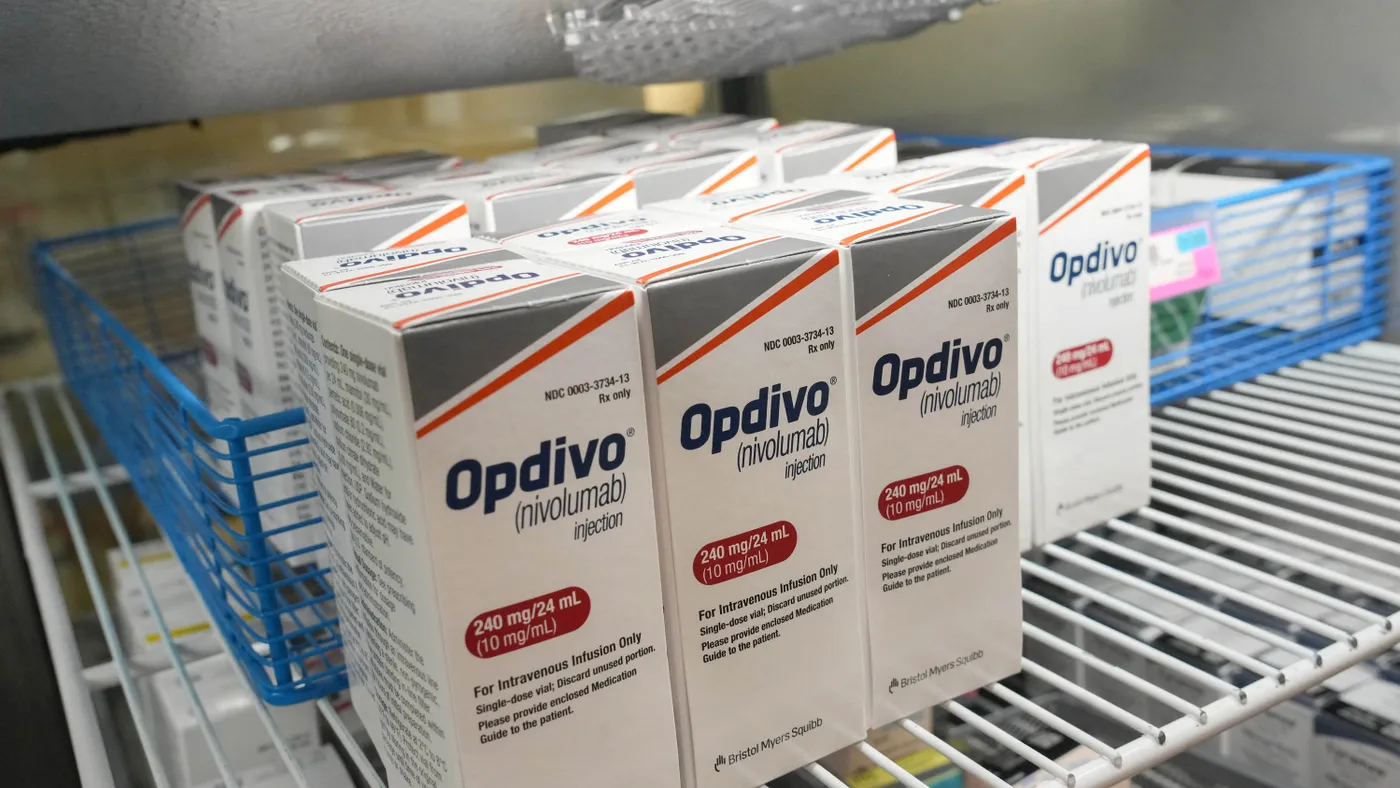
Proponents see these “PD-1/VEGF inhibitors” as building upon Keytruda and drugs like it, such as Bristol Myers Squibb’s Opdivo. The hope, some say, is they’ll improve response rates, shrink tumors their predecessors can’t and become cornerstone cancer treatments of the future.
“These drugs are going to work,” said David Epstein, the former CEO of Seagen and head of Ottimo Pharma, a startup developing a PD-1/VEGF inhibitor. “The question is, how big is the order of magnitude going to be, and across how many different tumor types?”
Many aren’t as convinced as Epstein. Ivonescimab hasn’t shown it can extend overall survival by more than Keytruda. It wasn’t tested against the Keytruda-chemotherapy combination that’s standard of care in most lung cancers. And the trial demonstrating ivonescimab’s superiority to Keytruda took place only in China, leaving it unclear whether a similar benefit will be observed in broader testing. Those questions hang over not only Summit, but others working on PD-1/VEGF inhibitors, too.
“The jury is out,” said Samit Hirawat, the chief medical officer of Bristol Myers Squibb.
What are PD-1/VEGF inhibitors and how do they work?
Cancer cells are survivalists. They’re adept at siphoning the body’s resources to fuel their rampant growth, and skilled at slipping past immune defenses evolved to stop them. Even when beat back by drug therapies, malignant cells can acquire new abilities to thwart treatment.
Drugmakers and researchers have spent enormous effort studying cancer’s weaponry, uncovering along the way many tools that have improved care. Two breakthroughs from the 1990s helped researchers design protein drugs that can pinch off a tumor’s supply chains and, years later, unleash the immune system against cancerous growth.
In the former case, antibodies that block VEGF, such as Avastin, can stop tumors from forming new blood vessels. The latter kind of antibodies, which are called PD-1 or PD-L1 inhibitors for the proteins that they block, prevent cancer cells from shutting down powerful defenders known as T cells. Keytruda is the most famous example.
Both classes of medicines are now used to treat dozens of tumor types. PD-1 and PD-L1 immunotherapies, also called “checkpoint” inhibitors, are sometimes a patient’s first line of defense after a tumor is surgically removed — or even before.
Developers like Akeso and Summit aim to combine the power of both types of drugs into a single, multi-pronged antibody, typically termed “bispecific” or “bifunctional.” These medicines can interfere with PD-1 and VEGF signaling in ways their makers contend will maximize the benefits and minimize the flaws of their predecessors.
Akeso designed ivonescimab to have a “tetravalent” structure, in theory giving it better binding to PD-1 and to VEGF. Yang, Summit’s CMO, says the simultaneous targeting of both proteins helps increase the affinity the drug has for each.
“We believe that those two features make ivonescimab, and the whole class of PD-1/VEGFs, unique,” he added. “Now people seem to believe us.”
Others have different twists on the concept. BNT327, a drug acquired by German biotech BioNTech, binds to the ligand PD-L1 instead of the PD-1 receptor. A drug licensed by Merck consists of an anti-VEGF antibody fused to two PD-1-targeting antibodies, while Ottimo’s lead program, jankistomig, specifically targets a related protein called VEGF receptor 2.
They’re joined by other companies pursuing more variations, such as drugs that block three proteins or use different strategies to block VEGF.
The glut of similar drugs means “many or most of the resulting companies seem unlikely to succeed,” wrote Paul Rennert, the head of consulting firm Sugarcone Biotech, in a February report. Still, Epstein, Ottimo’s CEO, said the sheer size of the commercial opportunity leaves ample room for many to prosper.
“How many PD-1s and PD-L1s are there? How big is the market currently? And how big is it going to be if people live twice as long, or at least twice as long before their cancer progresses?” Epstein said.
What are the advantages over drugs like Keytruda?
Keytruda and other checkpoint inhibitors like it are the standard choice for many tumor types because trial data has shown they can extend lives to degrees that weren’t possible with other cancer medicines.
There’s no better example than in lung cancer. Some studies have shown that, in the years before cancer immunotherapy, the average five-year survival rate for people with metastatic non-small cell lung cancer was around 5%. That rate has climbed since the arrival of Keytruda and its cousins. In Phase 3 testing, around 20% of people given a Keytruda-chemotherapy combination survived at least five years.
Yet that statistic also shows checkpoint inhibitors aren’t panaceas. In lung cancer and other malignancies, they still don’t work well for a good portion of people — particularly those whose tumors express little of the PD-L1 protein that’s linked to an immunotherapy response. They also struggle against so-called cold tumors that don’t tend to provoke as strong immune reactions.
In response, drugmakers have searched for more than a decade to find new immunotherapies that work better, but the hunt has yielded far morefailures than successes.
“It’s been one disappointment, honestly, after another,” said Srini Akkaraju, a founder and managing general partner of Samsara BioCapital, and an investor in Ottimo.
Among the approaches tested, with mixed results, were combinations of PD-1 inhibitors together with anti-VEGF drugs. Roche found that pairing Avastin with its immunotherapy Tecentriq improved survival in liver cancer and won an approval in that tumor type as well as lung cancer. Further testing showed a limited survival benefit as well as significant side effects, however. And the combination hasn’t been as broadly successful as hoped.
Merck has had a similarly uneven experience. It has gained clearances of regimens involving Keytruda and the VEGF-inhibiting drugs Lenvima and Inlyta in a few tumors, but these combinations have fallen short in others.
“You see, in many cases, clear evidence of [delaying tumor progression]. But then as we go longer out, we're not able to hit [on survival] as often as we wish to,” said Merck research chief Dean Li, during a conference presentation last January.
At least so far, ivonescimab seems to work more effectively than delivering two separate drugs together. The initial evidence “raises the possibility that there may be some true synergy when the two are combined with a single molecule,” John Heymach, chair of thoracic, head and neck oncology at the MD Anderson Cancer Center, said in a September interview.
Supporters say that will play out with further testing. If they’re right, the “emerging blue sky story” is that these drugs might make immunotherapy useful to more people and against more tumors, wrote Stifel analyst Bradley Canino in a note in 2024.
More data could burst those expectations, too, though. Bristol Myers’ CMO Hirawat noted how ivonescimab hasn’t yet been proven to extend survival. Moreover, its advantage over Keytruda on tumor progression appeared to shrink after six months. And for earlier-stage drugs also targeting the PD-1 and VEGF pathways, promise in single-arm studies will need to be replicated in more rigorous tests.
“There is some level of additional data that is required,” Hirawat said. “We'll keep an eye on it and continue to look for what the right opportunities are from a scientific perspective, and what we need to continue to learn.”
In their report, William Blair analysts had a similarly skeptical take. Citing the multiple “disappointing datasets” with checkpoint inhibitor and Avastin combinations, they wrote that developers need more results from global studies and a clear survival advantage to prove these drugs can become “a new standard of care.”
Safety is also a concern. VEGF-blocking drugs are associated with sometimes severe side effects like high blood pressure, bleeding or protein in the urine. In clinical practice, doctors can stop treatment when these instances occur. With a combined therapy, though, “if we see [concerning] proteinuria, then we have to hold the whole drug,” Jyoti Malhotra, director of thoracic medical oncology at City of Hope Orange County, said.
Which companies are developing PD-1/VEGF inhibitors?
More than a dozen companies are developing dual-targeting antibodies that block PD-1 or PD-L1 and VEGF in one way or another.
Akeso, a Guangdong, China-based cancer drug developer, originally discovered ivonescimab. Summit got involved in 2022 when it paid Akeso $500 million upfront. In February, Pfizer and Summit agreed to test ivonescimab alongside some of Pfizer’s targeted cancer medicines in the hopes of finding yet more powerful drug combinations.
Ottimo Pharma was formed in 2020 by U.K. venture firm Medicxi and prolific biotech founder and former Pfizer researcher Jonny Finlay. The company emerged from stealth in October with Epstein, a former Seagen and Novartis executive, as its CEO and raised $140 million in Series A funding two months later. Ottimo’s lead prospect is a bifunctional antibody, meaning its “arms” can interact with both of its targets.
Crescent Biopharma spun out of Paragon Therapeutics in 2024 armed with a PD-1/VEGF prospect and two other medicines. In October, it merged with struggling drug developer GlycoMimetics, giving the company enough cash to fund operations into 2027.
“They all have little variations. They all have a reason to be best in class,” said Yang, Summit’s CMO, of the medicines following ivonescimab. “But we think ours has all the features that are important, and that have been proven to be important.”
Gwendolyn Wu, Jonathan Gardner and Ned Pagliarulo contributed reporting.
Article top image credit: Getty Images
A decade of cancer immunotherapy: Keytruda, Opdivo and the drugs that changed oncology
Medicines that can rev up the immune system against tumors have reshaped expectations of what cancer treatment can accomplish. Their success has hit limits, however.
By: Jonathan Gardner• Published Sept. 4, 2024
Nine years ago, Lisa Haines got news no one wants to hear. Her doctors said her lung cancer, which chemotherapy had earlier arrested, was growing again.
The Massachusetts resident began planning for family events she thought would be her last, like her son’s wedding and a Thanksgiving trip. Her doctor didn’t give up, however. She recommended Haines try an immunotherapy called Opdivo, one of what was then a new class of drugs that works by enlisting the body’s immune system to fight cancer.
In December 2015, Haines became the first patient at Addison Gilbert Hospital in Gloucester, Mass., to receive Opdivo. The following August, lung inflammation prompted her doctors to stop treatment. But by then, scans showed her disease was stable. Most of what remained was scar tissue. Nearly a decade later, she has no detectable disease.
“I’m alive today because of those drugs,” Haines said. “They’re miraculous when they work.”
Keytruda’s initial U.S. approval, which preceded Opdivo’s by a few months, was niche, reserved for people with inoperable melanoma or whose disease had spread and couldn’t be controlled with other medicines. Today, Keytruda is on track to become one of the highest selling pharmaceutical products of all time, supported by approvals for 20 different types of cancer.
In addition to Keytruda and Opdivo, seven other drugs that block the PD1 pathway have reached market. They’ve been used to treat millions of people with cancer.
Along the way, they have reshaped patient and doctor expectations of what cancer treatment can accomplish. In lung cancer like Haines’, the spread of deadly nodules is now most commonly contained with Keytruda-based combinations. In melanoma, metastatic skin lesions are often held in check with Opdivo and another immunotherapy called Yervoy. And facing tumors of the kidney, liver, stomach, breast and lymph system, doctors can choose immunotherapy options instead of older interventions that may be less effective or more toxic.
“I stand at a podium now and talk about curing 50% of patients,” said Hussein Tawbi, an oncologist at MD Anderson Cancer Center who specializes in treating melanoma.
The success of PD1 immunotherapies has also set a high standard for treatment — one that, in the years since, drugmakers and researchers have spent billions of dollars trying unsuccessfully to top. Since the arrival of PD1 drugs, only one new type of these “checkpoint inhibitors” has won approval, defying expectations they’d lead to a new armamentarium of immune-boosting cancer medicines. Now, even Merck is turning more of its research focus to other types of cancer treatment.
“We thought we had enough scientific understanding to unlock the biology,” said Caroline Loew, formerly Bristol Myers’ R&D strategy and planning chief and now CEO of Mural Oncology. “We didn’t; we weren’t quite there.”
Coley’s toxins
For decades, the main prescription for cancer was chemotherapy, which stops tumor growth by essentially poisoning cells that divide rapidly. But chemo affects healthy cells, too, leading to side effects like hair loss and nerve damage.
A huge step forward came in the 1990s and 2000s, when more precise therapies arrived. Herceptin, an antibody drug, changed the way doctors thought about a protein known as HER2 and its role in breast cancer. Gleevec, a chemical medicine, vastly improved the outlook for people with a type of leukemia. While these targeted treatments can be less toxic than chemo, they are usually limited in which cancers they treat.
Immunotherapies work differently. Keytruda, Opdivo and their cousins help circumvent the ways tumor cells evade detection and destruction by the immune system, specifically infection-fighting T cells. Another type of immunotherapy, known as CTLA4 inhibitors, makes T cells work harder to find and eliminate tumor cells.
But the path to understanding the immune system’s role in cancer was long. More than a century ago, scientists were able to guess at a relationship. Most famously, in the 1890s, a surgeon named William Coley noticed how some people with cancer who experienced a bacterial infection unexpectedly had their tumors shrink.
At a time when X-rays were seen as the best way to treat cancer, Coley instead tried injecting bacteria into the tumors of people with cancer. “What he found was that the patient would have an enormous inflammatory response. And then within a couple of days, the tumor would simply melt away,” said Robert Schreiber, a pathology and immunology professor at Washington University who has studied how cancer and the immune system interact.
Scientists of Coley’s time didn’t have the means to tease out the immune system’s role. Only over time did they gain the right tools so that, by the 1960s and 1970s, they could try new experiments with immunocompromised mice.
Unfortunately, the experiments, which involved injecting carcinogens into these mice and into others with healthy immune systems, failed to show any meaningful result. The setback slowed the field’s development for decades.
Schreiber was one of the scientists who began building the foundations that would later enable immunotherapy’s breakout. His experiments, an offshoot of studies into an immune-signaling chemical called gamma interferon, involved mice bred without a certain gene that’s expressed on T cells.
His research found the specially bred mice developed more cancers and did so more rapidly. “We didn't believe it,” Schreiber said. “So we did it over and over and over again, and got the same answer.”
In essence, he was able to show what previous experiments couldn’t: Mice with weakened immune systems weren’t able to fight cancer as well. His lab’s discoveries led to the theory of cancer “immunoediting,” which proposed that, although the immune system could destroy tumor cells, in some cases the response is only powerful enough to keep cancer in check for a short time. During that time, variations can develop that help tumors “escape” immune attack.
Tasuku Honjo and James Allison, seen here attending a press conference in Stockholm on Dec. 6, 2018, won the 2018 Nobel Prize in Physiology or Medicine for their work on immune checkpoints.
Kyodo/AP
‘No tumors anywhere’
Schreiber’s work helped inform researchers elsewhere. Among them was James Allison, who, with Japanese researcher Tasuku Honjo, eventually won a Nobel Prize for discovering how cancer cells shield themselves from the immune system.
Allison, at MD Anderson, along with researchers at the University of Chicago, found the CTLA4 molecule regulates T cells’ response to tumors. Certain proteins expressed on cancer cells use CTLA4 to essentially tell those T cells to stand down, leading to tumor escape.
This and other molecules became known as immune “checkpoints,” which check, or brake, the body’s immune response. Japanese researchers led by Honjo separately discovered another checkpoint, called PD1, that eventually became the target of Keytruda and Opdivo.
Allison first presented data on CTLA4 in 1995, but found almost no one willing to help him translate his work into drugs that could be tested in humans. One big obstacle was that, at the time, many of the world’s most powerful drug companies considered cancer immunotherapy a dead end. Prior attempts to create a therapeutic cancer “vaccine” had flamed out.
“A lot of the companies I approached said, ‘Immunotherapy has never worked. It's never going to work,’” Allison said.
Complicating matters further, Bristol Myers held intellectual property rights to a drug that targeted CTLA4, making companies wary of licensing Allison’s science.
Eventually, through some of his academic connections, Allison was able to forge a deal with a company called Medarex, which took his findings forward into clinical research.
Medarex was in a hurry. After using Allison’s science to design an antibody that blocked CTLA4, the company took just 466 days to move from a key first step in the laboratory to testing it in humans. That speed has only recently been beaten by Regeneron Pharmaceuticals in its development of a COVID antibody, according to Nils Lonberg, who helped shepherd immunotherapy research while at Medarex and later Bristol Myers.
“We didn’t know if the project was going to work or not,” Lonberg said. “If it didn’t work out, we didn’t want to spend any time or money on this.”
But it worked. The second patient tested with Medarex’s drug was a young woman whose relapsed melanoma got so severe that a metastasized tumor collapsed her lung. She was about to be sent into hospice care. After one treatment with Medarex’s drug, though, her tumor shrank enough doctors could remove it surgically.
Her response was so profound it took her physicians by surprise. At a follow-up imaging scan, Allison recalls the radiologist saying, “There's some mistake here, because there are no tumors anywhere anymore, so it's got to be the wrong patient.”
As Bristol Myers moved deeper into testing, results began exciting melanoma specialists who were used to new drug treatments disappointing. Tawbi remembers how, for many doctors then, the first step they would recommend for metastatic melanoma was a clinical trial. Melanoma was “the place where all good drugs go to die.”
“We could give people chemotherapy. Sometimes — rarely — that helped. But there was almost never a durable response,” said Jedd Wolchok, a Weill Cornell Medicine oncologist who ran some of the first clinical trials of checkpoint inhibitors.
The most important data for Yervoy came in 2010, at a plenary session of the American Society of Clinical Oncology’s annual meeting. They showed the drug helped people with melanoma live longer when compared to an experimental vaccine for the cancer.
“I remember sitting in the audience. We actually gasped,” Tawbi said. “I got back to the clinic and used it as soon as I could.”
The FDA approved Yervoy in 2011. But Yervoy’s substantial side effects on the intestines, liver, kidneys and other organs proved difficult to tolerate. And early on, doctors were reluctant to use the steroids that later proved effective in managing the drug’s toxicity.
With Yervoy’s use constrained by side effects, researchers hunted for another immunotherapy that would be as effective in stopping melanoma, but easier for patients to take.
Schering-Plough, whose Kenilworth, New Jersey, headquarters were seen here on March 9, 2009, was acquired by Merck & Co. in a $41 billion deal that year.
Jeff Zelevansky/Reuters
An acquisition afterthought
In the early 2010s, Merck primarily sold cardiovascular and respiratory disease drugs. The company faced a big patent “cliff,” when top-sellers like its asthma medicine Singulair were set to lose market exclusivity.
Two years earlier, Schering-Plough had purchased a company called Organon BioSciences, the human and animal health division of a Netherlands chemical company. At the time, Schering-Plough was excited about Organon’s products in central nervous system diseases and women’s health. But within its labs Organon had developed a little-noticed PD1-targeting antibody it called lambrolizumab.
By the time Merck absorbed Organon, lambrolizumab wasn’t a high priority and, according to reports, was even marked for sale. Right around then, though, Bristol Myers advanced Yervoy into late-stage studies, catching the attention of Merck’s scientists.
“At the time, the whole immuno-oncology space was in its infancy, other than [Yervoy],” said Roy Baynes, Merck’s former chief medical officer. “What really re-energized Merck to develop this was a growing awareness that PD1 looked as though it was going to be important.”
In response, Merck dusted off lambrolizumab, renamed it pembrolizumab and thrust it into clinical trials. Because of its Medarex buyout, Bristol Myers had its own PD1 blocker in Opdivo, and the two companies became locked in a race to get the drugs into the clinic and approved.
The annual ASCO meeting in 2013 provided an early forum for both companies to present initial data from trial volunteers with melanoma. Baynes, who had previously worked with Merck research chief Roger Perlmutter at Amgen, was in attendance.
“Roger sought me out,” Baynes recalled. “He said, ‘What do you think of these data?’ And I said, ‘Well, they look pretty darn good.’ He said, ‘Well, why don't you come and help me develop it?’”
Perlmutter, Baynes and the Merck R&D team were widely viewed by Wall Street as playing catch-up to Bristol Myers. But Merck made up ground with a nimble strategy centered on a large Phase 1 trial that transformed from initial dose testing to fuller evaluations of safety and efficacy.
Merck beat Bristol Myers to market with that strategy, gaining an accelerated approval in melanoma for pembrolizumab, or Keytruda, on Sept. 4, 2014, more than three months ahead of Opdivo.
The PD1 drugs offered significant advantages over CTLA4 and Yervoy. Tawbi describes PD1s as “nine times better” than Yervoy — “three times more effective and three times less toxic.” And treatment began changing the lives of patients. “We started being able to sit down with patients and say, ‘You’ve got melanoma, but there’s a 42% chance of a cure,’” he said.
While the two companies worked to shore up those first approvals in melanoma, a second prize awaited in a common form lung cancer.
Once again, Merck got there first, winning U.S. approval a week before Bristol Myers in October 2015 to treat people whose disease worsened following chemotherapy. The approvals came with an important difference, however. To be eligible for Keytruda, people with lung cancer had to test positive for PDL1, the protein to which PD1 receptors bind, while Opdivo’s use wasn’t restricted.
But Bristol Myers’ “all comers” approach eventually led to one of the company’s largest setbacks. In a first-line trial, Merck enrolled people who were positive for PDL1 on at least 50% of their tested tumor cells, while Bristol Myers’ competing trial set the enrollment threshold at 5%. Moreover, Merck designed its trial with more opportunities for Keytruda to succeed, enrolling many more patients and following them for longer.
Merck’s trial succeeded in showing a survival benefit compared to chemotherapy, while Bristol Myers’ failed, an event so momentous Bristol Myers lost billions of dollars in market value.
“It destroyed BMS,” said Lonberg. “We had huge pressure from investors. It radically changed the company. It was just one bad trial design. But there was no clawing our way back.”
As the two companies competed for primacy, they sought to combine their drugs with others to improve on the survival benefit. Merck focused largely on pairing Keytruda with chemotherapy while Bristol Myers tested Opdivo both with Yervoy and with chemotherapy.
More recently, the two companies have focused on earlier-stage disease. Studies have shown immunotherapy can help reduce the size of tumors early so they are small enough to be removed with surgery. The drugs are also now used as follow-up treatment to prevent cancer from returning.
Over the course of the past decade, Merck and Bristol Myers also added approvals in numerous cancer types, including a “tissue agnostic” approval for Keytruda in people with a certain type of genetic mutation. These successes sparked a gold rush among other large pharma companies; First there was Roche with Tecentriq, and then followed drugs developed by Merck KGaA, AstraZeneca, Regeneron, GSK and others.
Merck and Bristol Myers also became the partner of choice for companies seeking to develop new cancer drugs, with hundreds of combination trials launched over the past 10-plus years.
Doctors have now used Keytruda to treat 2.5 million people, and the drug is currently in 1,600 studies, according to Merck’s own tally. During the 2024 ASCO meeting, Merck CEO Robert Davis said the company has spent $46 billion developing Keytruda and expects to invest another $20 billion by 2030.
By comparison, Opdivo has been used to treat 1.8 million people and tested in 500 clinical trials, according to Bristol Myers.
General views during the American Society of Clinical Oncology’s annual meeting in Chicago on June 1, 2018.
ASCO/Rodney White 2018
Antoni Ribas, an oncologist at the University of California, Los Angeles, presents early clinical trial data on Keytruda at the American Society of Clinical Oncology's annual meeting on June 2, 2014.
ASCO/Zach Boyden-Holmes 2014
‘I hope to get a postcard from you’
For patients, it’s hard to understate the impact of immunotherapy. Haines, the lung cancer survivor, has been disease-free since ending Opdivo treatment in 2016. “They won’t say if it’s curative for some people but it’s pretty darn close,” she said. “I still get nervous whenever I get a scan. My oncologist says, ‘You’re good.’”
Heidi Nafman-Onda learned she had Stage 3A lung cancer from a scan following treatment for an ovarian cyst. At an initial consultation with a pulmonologist, she was told her tumor was inoperable. They said, “your prognosis is poor, you have four to six months left and you should get your affairs in order,” Onda recalled.
However, she was surprised by an oncologist in a follow-up visit. “He walked into the office all chipper and smiling. I wondered what he was smiling about,” Onda said. He told her an AstraZeneca immunotherapy called Imfinzi had been approved and that it could cure many patients with her diagnosis. “He said, ‘I hope to get a postcard from you in 10 years from some exotic vacation you’ve been on.’”
When she was about to begin treatment, her care team gave her extensive information about side effects. “I said, ‘I don’t want to look at it.’ This was my only option. It was either that or die soon.”
Her one year of Imfinzi treatment ended January 2020. “To this day I have no evidence of disease. They can’t see any trace,” said Onda, who co-founded the White Ribbon Project to raise awareness of lung cancer.
Pamela Berryhill, who had difficult with the side effects of Imfinzi and other drugs prescribed to treat her lung cancer, has found a tolerable regimen in Keytruda and the chemotherapy Alimta.
“They are telling me that this will be my lifetime treatment,” said Berryhill. “I can see myself being on this happily for the rest of my life because the side effects that I get are minimal and bearable — just giving myself a little bit of grace after the treatment to deal with the fatigue and fuzzy head feeling.”
For doctors who’ve been treating lung cancer for years, this is a remarkable turn of events. “I was in medical school in the ‘90s and medical oncology residency in the early 2000s. We had old platinum-based chemotherapy, and really not much more,” said Tina Cascone, a thoracic, head and neck cancer specialist at MD Anderson.
Now, there are a “plethora” of agents to use to improve survival. “We are able to tell our patients more and more there is no evidence of disease, that they’re cancer free, and they can go on with their life,” she said.
Still, PD1 drugs are not panaceas. While in many cancers they work better than alternative treatments, the majority, or even sometimes most, of treated patients don’t respond fully. Testing for certain biomarkers can help identify patients most likely to respond to treatment, but isn’t a guarantee. So far, too, deadly cancers of the brain, ovaries, prostate and blood have proven harder to treat with immunotherapy, for reasons that drugmakers are still sorting out.
“Not all patients benefit from these treatments,” Cascone said. “Some patients still will experience severe side effects [that] impact the quality of life.” She said more research needs to be done to identify which patients will benefit and how immunotherapy can be better tailored.
The me-too trap
PD1 drugs have undoubtedly improved cancer treatment. Yet, despite much trying in the decade since they’ve launched, pharma companies haven’t been able to replicate their success.
New targeted treatments such as Tagrisso and Ibrance have helped people with certain solid tumors, while, in the field of immunotherapy, engineered cell therapies like Kymriah can produce durable survival benefits for people with blood cancers. But their reach is more limited than Keytruda’s or Opdivo’s. And while Bristol Myers has had success exploring a new immune checkpoint called LAG3, others’ attempts to rewire the immune system against cancer have mostly met with failure.
For its part, Merck doesn’t see its future in new cancer immunotherapies. Instead it’s leaning into targeted treatments. “We're not out there saying, ‘Let's find the next Keytruda.’ That was lightning in a bottle,” Davis said at the ASCO 2024 press conference. “Most of what we're looking at are therapies that are very specific.”
According to Weill Cornell’s Wolchok, one reason for the slow progress is that pharma companies and academics spent too much time and money trying to develop new PD1s or to combine new agents with PD1s in hopes of finding an additive benefit.
“There's no reason why we need the number of PD1-blocking drugs that we have,” he said. “What if we [had] tried to uncover another foundational checkpoint rather than making additional copies of similar drugs?”
The checkpoint inhibitors tested after PD1 weren’t particularly effective on their own. Nonetheless companies pushed them into expensive combination trials, lured by the financial promise of finding the next immunotherapy.
“What we've learned is single agent activity is really important,” he said. “What we call IO-IO combinations, that is two checkpoints put together, have been really underwhelming.”
However, Allison argues, other checkpoint inhibitors haven't been evaluated correctly yet. “We’ve got to change the way we think about testing,” he added. His laboratory is currently working on iterative small trials that can help tease out the benefit of targeting other checkpoints. And he notes how some immune checkpoints don’t seem to emerge until tumor cells are first exposed to PD1- or CTLA4-blocking drugs
Bristol Myers still sees its immunotherapies as backbone treatments, but is extending the combination to emerging drug classes like precisely targeted radiotherapies and chemotherapies. “It really does start with harnessing your own immune system to fight cancer and that gives us the ability to have that durable, long-term survival impact,” said Adam Lenkowsky, Bristol Myers’ chief commercial officer.
Even so, disappointment has been felt throughout the field.
“Combination development naturally becomes very complicated,” said Loew, of Mural Oncology. “All of that work, in the end, didn't result in anything except with LAG3.”
Loew claims cancer immunotherapy research is following a fairly typical pattern, though. Generally, drug development occurs in 10-year cycles, she said, and in immunotherapy, “we’re about to see another evolution, another step change.”
Lonberg, who’s now an executive-in-residence at the venture capital firm Canaan Partners, is also optimistic. Still, he concedes investment may flow away from some biotechnology companies as the field evolves.
“The more sophisticated players are going to survive and thrive,” he said, “and there will be renewed interest in immunotherapy because of that.”
Article top image credit:
George Frey/Reuters
‘The bar has risen’: China’s biotech gains push US companies to adapt
A fast-improving pipeline of drugs invented in China is attracting pharma dealmakers, putting pressure on U.S. biotechs and the VC firms that back them.
By: Ben Fidler• Published Jan. 16, 2025
Soon after starting a new biotechnology company, David Li realized he needed to rethink his strategy.
Li had been conducting the competitive research biotech entrepreneurs typically undertake before soliciting investment. He drew up a list of drug targets that his startup, Meliora Therapeutics, could pursue and checked them against the potential competition.
Li quickly found that biotechs in China were already working on many of the targets he had on his list. Curious, he visited Shanghai and Suzhou and witnessed a buzzing scene of startups set frenetically to task.
“They're not really thinking about the U.S. at all. They're just trying to create more value and stay alive to differentiate themselves from the next guy in China,” he said. “They're moving quick. There are a lot of them and they're just quite competitive.”
Li’s experience is illustrative of a trend that could pressure biotech companies in the U.S. and alter their drug development strategies. More and more, large pharmaceutical companies are licensing experimental drugs from China. Venture companies are testing similar tactics by launching new U.S. startups around compounds sourced from China’s laboratories. This shift has been sudden, with licensing deals ramping rapidly over the past two years. And it is occurring even as the shadow of U.S.-China competition within biotech grows longer.
Executives and investors interviewed by BioPharma Dive at the J.P. Morgan Healthcare Conference in January 2025 shared Li’s outlook. They expect such deals will accelerate and, in the process, force U.S. biotechs to work harder to stand out.
“We’ve been warning people for a while, we're losing our edge,” said Paul Hastings, CEO of cell therapy maker Nkarta and former chair of the U.S. lobbying group the Biotechnology Innovation Organization. “Innovation is now showing up on our doorstep.”
There’s perhaps no clearer example of this than ivonescimab, a drug developed by China-based Akeso Therapeutics and licensed by U.S.-based Summit Therapeutics. Results from a lung cancer study run in China showed ivonescimab outperformed Keytruda, Merck’s dominant immunotherapy and currently the pharmaceutical industry’s most lucrative single product.
The finding “put a huge focus on what’s happening in China,” said Boris Zaïtra, head of business development at Roche, which sells a rival to Keytruda.
Fast-moving research
Today’s deal boom has roots in efforts by the Chinese government to upgrade the country’s biotech capabilities by upping investment in technological innovation. In the life sciences, the initiative provided funding, discounted or even free laboratory space and grants to support what Li described as a “robust ecosystem” of biotechs.
The results are clear. Places like Shanghai and Suzhou are home to a skilled workforce of scientists and hundreds of homegrown companies that employ them. Science parks akin to the U.S. biotech hubs of Cambridge, Massachusetts and San Francisco have sprouted up.
Chinese companies generally can move faster, and at a lower cost, than their U.S. counterparts. Startups can go from launch to clinical trials in 18 months or less, compared to a few years in the U.S., Li estimated. Clinical trial enrollment is speedy, while staffing and supply chain costs are lower, helping companies move drugs along more cost effectively.
“If you're a national company within China running a trial, just by virtue of the networks that you work within, you pay a fraction of what we pay, and the access to patients is enough that you can go really fast,” said Andy Plump, head of research at Takeda Pharmaceutical. “All of those are enablers.”
And what they’ve enabled is a large and growing stockpile of drug prospects, many of which are designed as “me too better” versions of existing medicines, analysts at the investment bank Jefferies wrote in a December report. Initially focused in oncology, China-based companies are now churning out high-quality compounds across multiple therapeutic areas, including autoimmune conditions and obesity.
“There was a huge boom of investment in China, cost of capital was very low, and all these companies blew out huge pipelines,” said Alexis Borisy, a biotech investor and founder of venture capital firm Curie.Bio. ”Anything that anybody was doing in the biotech and pharmaceutical industry, you could probably find 10 to 50 versions of it across the China ecosystem.”
Me-toos become me-betters
For years now, Western biopharma executives have scouted the pipelines of China’s biotech laboratories — exploration that yielded a smattering of licensing deals and research collaborations. Borisy was among them, starting in 2020 a company called EQRx that sought to bring Chinese versions of already-approved drugs to the U.S. and sell them for less. EQRx’s plan backfired amid scrutiny by the U.S. Food and Drug Administration of medicines tested only in people from a single country.
Now, however, the pace of deals has accelerated rapidly. There are a few reasons for this. According to Plump, one is the improving quality of the drug compounds being developed. The “me toos” are becoming “me betters” that could surpass available therapies and earn significant revenue for companies — like BeiGene’s blood cancer drug Brukinsa, which, in new prescriptions for the treatment of leukemia, overtook two established medicines of the same type in 2024.
Another reason, Plump said, is that China-based companies are becoming more innovative, studying drug targets that might not have yet yielded marketed medicines, or for which the most advanced competition is in early testing. Li notes how Chinese companies are going after harder “engineering problems,” like making complex, multifunctional antibody drugs, or antibody-drug conjugates.
“There are so many [companies] that the new assets are going to keep coming,” Li said.
Much as in the U.S., China-based biotechs are also fighting for funding, pushing them to consider licensing deals with multinational pharma companies. At the same time, these pharmas are hunting for cheap medicines they can plug into their pipelines ahead of looming patent cliffs. The two trends are “colliding,” said Kristina Burow, a managing director with Arch Venture Partners. “I don’t see an end to that.”
The statistics bear Burow’s view out. According to Jefferies, the number and average value of deals for China-developed drugs reached record levels in 2024. Another report, from Stifel’s Tim Opler, showed that pharma companies now source about one-third of their in-licensed molecules from China, up from around 10% to 12% between 2020 and 2022.
“I see huge opportunities for us to partner and work together with Chinese companies,” said Plump, of Takeda.
“There's been a lot of really good, high quality molecules and data that have emerged from China over the last couple of years,” said Robert Plenge, the head of research at Bristol Myers Squibb. “It's also no longer just simply repeating what's been done with the exact same type of molecule.”
Geopolitical risks
These deals are happening against an uncertain backdrop. U.S. Congress has spent considerable time kicking around iterations of the Biosecure Act, a bill that would restrict U.S. biotechs from working with certain China-based drug contractors. A committee in the House of Representatives called for new limits on clinical trials that involve Chinese military hospitals. And the Trump administration has reportedly considered restrictions on the kinds of licensing deals that have recently proliferated.
“We don’t know what this ... administration is going to do,” said Jon Norris, a managing director at HSBC Innovation Banking.
The Biosecure Act “keeps going sideways,” added Hastings, who believes that any impact from the legislation, if passed, would be minimal. Instead, Hastings wonders if tariffs may be more problematic. “There will be tariffs on other goods coming from China. Does that include raw materials and innovation? It’s hard to imagine that it won’t,” he said.
But executives and investors expect deals to continue, meaning U.S. biotechs will have to do more to compete.
“U.S. companies will need to figure out what it is they’re able to bring to the table that others can’t,” said Burow, of Arch.
Borisy said startups working on first-of-their-kind drugs need to be more secretive than ever. “Do not publish. Do not present at a scientific meeting. Do not put out a poster. Try to make your initial patent filing as obtuse as possible,” he cautioned.
“The second that paper comes out, or poster at any scientific meeting, or talk or patent, assume it has launched a thousand ships.”
Those that are further along should assume companies in China will be quick on their heels with potentially superior drugs. “The day when you could come out with a bad molecule and open up a field is over,” he said.
Greater competition isn’t necessarily a bad thing, according to Neil Kumar, CEO of BridgeBio Pharma. Drug development could become more efficient as pharmas acquire medicines from a “cheaper” starting point and advance them more quickly.
Venture dollars could be directed towards newer ideas, rather than standing up a host of similar companies.“If all of a sudden this makes us less ‘lemming-like,’” Kumar said, “I have no problem with that.”
Li similarly argues that, going forward, U.S. companies need to focus on “novelty and innovation.” At his own company, Li is now working on things “we felt others were not able to access.”
“The game has always been the same. Bring something super differentiated to market,” he said. But “the bar has risen.”
Gwendolyn Wu and Jacob Bell contributed reporting.
Article top image credit: Getty Images
Allogene data suggest ‘off-the-shelf’ CAR-T could delay relapse in lymphoma
Initial results from a high-stakes trial indicated the biotech may have finally found a niche in lymphoma care for a donor-derived cell therapy.
By: Gwendolyn Wu• Published April 13, 2026
An experimental therapy from Allogene helped eliminate signs of cancer better than standard treatment in a Phase 3 trial in first-line large B-cell lymphoma, results suggesting the biotechnology company may have found a role to use donor-derived cell therapy against the deadly blood cancer.
After 45 days of treatment, seven of the 12 patients given Allogene’s therapy in the study were negative for “minimal residual disease,” meaning that diagnostic tests could no longer detect signs of cancer. By comparison, only 2 of 12 placebo recipients hit that mark, a roughly 42-percentage-point difference that clears an important bar published literature has suggested is crucial for delaying a relapse.
The results come from an early “futility” analysis. Allogene is enrolling 220 people in the study and expects to report in 2027 results showing whether treatment staved off cancer’s return.
Allogene spun out of Pfizer’s cell therapy work in 2018 with plans to prove that donor-derived, or “allogeneic” cell therapies could prove a more convenient alternative to their personalized CAR-T counterparts. But like many of its peers, Allogene suffered several setbacks along the way. It’s lost most of its market value since going public.
In 2024, though, Allogene came up with a new way to show allogeneic treatments might have an important role to play in lymphoma. Rather than position cema-cel in settings where CAR-T therapies like Breyanzi and Yescarta are available, it set its sights earlier, testing the treatment in people who are at risk of relapse after receiving a widely used drug regimen known as R-CHOP.
The study results released in April were an important, early step towards validating Allogene’s choice. The therapy significantly exceeded the 25- to 30-point difference, compared to placebo, on minimal residual disease that investors and analysts had been looking for. The treatment also wasn’t associated with severe occurrences of the kind of immune or neurological side effects often associated with personalized cell therapies.
Half of the patients in the cema-cel arm experienced neurological side effects such as headache and dizziness that were judged to be “low grade.” Two had mild infections, such as a urinary tract infection or COVID-19, according to Allogene.
“These interim data suggest that an off-the-shelf CAR-T may be able to intervene during that important window before clinical relapse to eliminate residual disease and make earlier intervention feasible in routine clinical practice,” Zachary Roberts, Allogene’s chief medical officer, said in a statement, calling the data “encouraging.”
Personalized, or autologous CAR-T treatments, are largely given at specialized centers. Allogene aims to show that its donor-derived treatment could be more accessible to those who receive care at community cancers. A third of study participants were infused at these centers, which “bodes well for broad adoption,” wrote William Blair analyst Sami Corwin in a client note.
Roger Song, an analyst at Jefferies, added in a separate note that cema-cel could become a $3 billion asset for Allogene “that is currently underappreciated.” Song has previously predicted that cema-cel could bring in peak global revenues of $1.1 billion per year.
Article top image credit: Peddalanka Ramesh Babu via Getty Images
J&J’s ‘remarkable’ Tecvayli data support earlier use in multiple myeloma
In a step forward for bispecific antibodies, study results presented at ASH suggest a Tecvayli-based combination could have curative potential early in a patient’s disease course.
By: Jonathan Gardner• Published Dec. 9, 2025
ORLANDO – A regimen involving Johnson & Johnson’s dual-acting drug Tecvayli could be curative when used early in the disease course of people with multiple myeloma, according to data disclosed in December.
Released at the annual meeting of the American Society of Hematology in Orlando, the results come from a trial called MajesTEC-3. J&J had earlier claimed early success for the study, which evaluated Tecvayli alongside another J&J drug called Darzalex, against Darzalex and a standard combination in people whose disease had advanced after one to three treatment lines. But it didn’t provide specific details, saving them for a spotlighted presentation at ASH.
According to those results, the Tecvayli-Darzalex combination cut the relative risk of disease progression or death by 83% when compared to Darzalex and other therapies. Progression was also uncommon for treatment recipients who went six months without relapsing. According to J&J, 90% of those enrollees were still progression-free three years after the study’s start, leading researchers to suggest the combination could have curative potential.
“The efficacy is truly remarkable with this combination,” said Surbhi Sidana, an associate medical professor at Stanford University and a trial investigator. “We can see a light at the end of our tunnel with all of these therapies for our patients, having maybe a functional cure in the future.”
Tecvayli is one of four so-called bispecific antibodies available for multiple myeloma. Prior to its most recent clearance, though, Tecvayli was only available under a “conditional” approval for patients who’d previously received at least four lines of treatment.
The MajesTEC-3 results showed the potentially dramatic benefits of moving these drugs into earlier lines of care and combining them with other treatments, said one expert.
“What it does is prove two things. One is clearly that when you give bispecific antibodies earlier in the disease course they work better,” said Amrita Krishnan, executive medical director for hematology at City of Hope Orange County, in an interview. The other is that Darzalex “further augments the efficacy of [Tecvayli], and one would assume the same for other bispecifics,” added Krishnan, who wasn’t involved with the trial.
Tecvayli’s newfound use provides a more convenient, and potentially more broadly used alternative to the CAR-T cancer cell therapy Carvykti. Carvykti, with J&J also markets, is made from a patient’s own cells. It is administered most often in a limited number of highly specialized cancer centers and less so in the community oncology practices that treat many patients.
“There are patients at early relapse who we do not want to [give] CAR-T, and a preference would be to give them a bispecific antibody,” Krishnan said. But bispecifics have only been available to patients much later on in their disease course, so “we’ve had to wait to be able to do that.”
Widening use of bispecifics in multiple myeloma has been one of J&J’s major objectives, said Imran Khan, its vice president of hematology medical affairs. “Up to 50% of patients are in the community. We want to ensure that every single patient has the opportunity to get the option that is best for them where they are in their treatment journey,” he said.
But broader use could bring new safety considerations, too. The presentation showed that 13 people in the Tecvayli-Darzalex group died from infections, and treatment recipients were more likely to contract COVID-19 and related pneumonia, as well as upper respiratory tract infections and other viral conditions. By comparison, patients who receive CAR-T therapies are closely monitored and even kept in hospitals to quickly receive care for side effects like infections.
MajesTEC-3 trial investigators changed medication protocols during the study to allow for immunoglobulin replacement therapy and antimicrobial prevention.
“Infection risk can be mitigated, but still, patients do get some infections,” Sidana said. “We have to be very, very vigilant, especially as we transition these drugs to the community, where doctors are treating many different diseases and they may not be so on top of things.”
J&J enrolled 587 people and randomized roughly half to the Tecvayli-Darzalex combination, with the rest receiving Darzalex, a commonly used steroid and either Velcade or Pomalyst. The study’s main objective was improving progression-free survival. Response rates, overall survival and achieving undetectable disease were considered secondary endpoints.
The Tecvayli-Darzalex combination induced a complete response, meaning patients had no trace of disease, in 82% of people who received it, compared with 32% of people who got the alternative combinations. The combination also reduced the relative risk of death by 54%.
Additionally, 83% percent of people who got Tecvayli were still alive three years after entering the trial, compared with 65% of people who got the other regimens.
Article top image credit: Getty Images
Daiichi Sankyo struck gold with ‘ADC’ cancer drugs. Its new CEO has to figure out what’s next.
Enhertu, Datroway and other antibody-drug conjugates developed by Daiichi Sankyo have made the company a leader in a competitive field. Hiroyuki Okuzawa is working to keep it that way.
By: Ned Pagliarulo• Published June 4, 2025
Hiroyuki Okuzawa holds an enviable position. The veteran Daiichi Sankyo executive took over as the Japanese drugmaker’s new CEO in April and inherited a company whose cancer medicines have, over the past half-decade, won it three of the pharmaceutical industry’s largest licensing deals.
One of those medicines, the antibody-drug conjugate Enhertu, took the spotlight at the American Society of Clinical Oncology’s annual meeting on June 2, showing potential to become part of standard therapy for the frontline treatment of advanced breast cancer. It did the same in 2022 and 2024.
Okuzawa can point to Enhertu and four other antibody-drug conjugates Daiichi Sankyo’s developing with AstraZeneca and Merck & Co. as proof of the strength of its research laboratories. By 2030, the company plans to have these five “ADCs” approved across more than 30 tumor types, which would allow it to treat nearly 400,000 cancer patients each year.
“We’d like to become one of the most important players in oncology,” said Okuzawa, noting aspirations to crack the top 10 companies by cancer drug sales. “Our senior leaders are now talking about not only top 10, but maybe top 5. We’re very much confident in our ADCs.”
But, current success notwithstanding, the task ahead of Okuzawa is among the most difficult in corporate management. Daiichi Sankyo has one hit drug platform; he must figure out what comes next.
“In the coming five years, our growth will be driven by these five programs,” he said in an interview at ASCO. “But at the same time, we would like to establish the next growth driver.” Identifying that driver will be a big part of the company’s next five-year plan, which it will launch for the fiscal year beginning April 2026.
Daiichi Sankyo’s current ADCs are built around a technology known as DXd that the company’s scientists have fine-tuned since inventing it 15 years ago. It is the backbone for Enhertu, as well as the recently approved breast cancer medicine Datroway and three other ADCs that remain experimental.
ADCs like these contain three main components: a targeting antibody, a cancer-killing toxin and a linking molecule that can tightly hold onto the drug’s payload while it’s transiting through the body, but then release it upon arriving at the tumor. The concept is simple, but the details make the difference in balancing efficacy with safety.
Daiichi Sankyo’s next big thing might end up being more ADCs.
Okuzawa highlighted two as particularly promising. The first, dubbed DS-3939, combines an antibody licensed from Glycotope with the DXd backbone. It could be an opportunity for Daiichi Sankyo to take on independently, said Okuzawa. The other, DS-9606, uses a new payload technology Daiichi Sankyo hopes will yield other medicines in much the same way DXd has.
“There are a lot of opportunities in the ADC space. On the other hand, [our scientists] are also pursuing discovery research outside of ADCs,” he said. “We have rich ideas for new modalities.”
In the meantime, Daiichi Sankyo needs to execute on the partnerships it already has in place with AstraZeneca and Merck. Combined, those deals promise up to $27 billion in conditional fees due upon Daiichi Sankyo’s medicines reaching certain regulatory and sales milestones. While some of those payments have already been made, the bulk remains unrealized.
Enhertu, which earned some $3.7 billion in sales last year, is well on track to meeting expectations. However, the path forward for Datroway and the lead program being developed with Merck may be steeper. While Datroway won an important U.S. approval in January 2025, AstraZeneca and Daiichi Sankyo have narrowed their development plans in lung cancer after obtaining mixed study results. And in late May, Merck and Daiichi Sankyo withdrew an approval application for another ADC in lung cancer after it failed to extend survival in a study they presented at ASCO in June
“Further biomarker analyses of the [study] are being conducted to determine if certain patient populations might differentially benefit as we explore the path forward for patritumab deruxtecan in lung cancer,” a spokesperson for Daiichi Sankyo confirmed by email, using the ADC’s generic name.
“However, we remain confident in the broad clinical development program of patritumab deruxtecan, which includes multiple clinical trials across 15 types of cancer.”
Development setbacks may be partly to blame for Daiichi Sankyo’s stock price, which in U.S. over-the-counter trading has fallen by one-quarter over the past year. Shares now trade at just under $21 apiece, about what they were worth at the start of the current five-year planning cycle in 2021.
Article top image credit: Permission granted by Daiichi Sankyo
Radiopharmaceuticals for cancer: Making radiation precise
More than a dozen startups are developing drugs that deliver a dose of radiation directly to tumors. Here’s where they stand, and why their progress is worth watching.
By: Ben Fidler• Published Aug. 15, 2023
Editor’s note: This story was published in August 2023 and, since then, the radiopharmaceuticals field has continued to advance quickly. We’re continuing to include this story in the trendline you’re reading as it provides a useful snapshot of when the field started to take off.
When the Food and Drug Administration approved a new prostate cancer drug in 2022, it validated a bet made by Novartis to acquire the drug’s maker, Endocyte. The decision was also another step forward for a long-studied research field that is finally coming of age.
The medicine, Pluvicto, is known as a “radiopharmaceutical.” Unlike the small molecule or biologic medicines drugmakers use to flip cellular switches on or off, radiopharmaceuticals are designed to precisely deliver radioactive material into the body. The result is a targeted punch of radiation that can knock out tumors in a way other drugs can’t.
However, since Pluvicto’s approval, Novartis has hit challenges meeting demand, highlighting one of the many issues that has slowed development of radiopharmaceuticals. They’re difficult to produce, distribute and administer. The earliest examples never lived up to commercial expectations, hamstrung by manufacturing problems, competition, high costs and safety concerns. GSK stopped making one, known as Bexxar, in 2014. Another, named Zevalin and originally developed by Idec Pharmaceuticals, never became a big seller.
A group of companies, from biotechnology startups to pharmaceutical giants, think they’ve solved these problems. Borrowing from progress in another cancer drug field, they’re leaning on technical advancements that have enabled researchers to design medicines capable of safely delivering a radioisotope to just the right spot.
Behind them are a handful of publicly traded companies and at least a dozen biotech startups, making radiopharmaceuticals a hotly competitive area of drug research. Here’s where things stand:
What are radiopharmaceuticals, and how do they work?
Born shortly after the discovery of the X-ray, radiation therapy has more than a century of history in cancer treatment. It’s a way of using high-energy particles or waves to damage the DNA of cancer cells, preventing division and growth.
Along with surgery, radiation therapy is a mainstay of cancer care, used to treat or prevent the recurrence of tumors in more than half of people with the disease, according to the American Cancer Society.
But radiation therapy is a blunt force. Rays beamed from outside the body can damage healthy tissue, while a more targeted, inside-the-body approach is costly and complex.
By comparison, radiopharmaceuticals can deliver the destructive power of radiation directly into tumors. They are akin to microscopic smart bombs — radioactive material guided by a molecular courier to cells with specific protein flags.
With Novartis’ drug Pluvicto, a radioisotope known as lutetium is chemically fused to a small molecule that binds to PSMA, a protein overexpressed in most prostate cancers. Novartis’ other radiopharmaceutical, Lutathera, delivers radioactive lutetium to SSTR, a target found on certain neuroendocrine tumors.
The drugs are complex, made of hand-picked parts. Different radioactive materials may weigh more or less, last longer or pack a bigger punch. Some radiopharmaceuticals may require a “chelator,” a molecule that keeps the radioactive material intact as it’s carried through the body.
Drugmakers also have to design chemical “linkers” that hold their therapies together, but don’t stick around too long after reaching their target. A molecular guide that seeks out malignant cells is another necessary component.
Once designed, radiopharmaceuticals are tricky to produce at scale. Supplies of radioactive materials are limited, and their transport is controlled. The drugs must be made and delivered quickly, before the radioactive components decay too much.
Why are radiopharmaceuticals a hot area of investment?
Interest in radiopharmaceuticals mirrors the ascent of another class of targeted cancer medicines, known as antibody-drug conjugates, or ADCs.
Like radiopharmaceuticals, ADCs deliver a toxic substance, usually a chemical, directly to a tumor. After years of slow progress, they’ve undergone a renaissance catalyzed by technical advances, regulatory approvals and interest from large drugmakers. Venture investors are in turn backing new startups.
Radiopharmaceuticals are now in the spotlight, too. Despite the poor sales of the field’s first medicines, newer drugs are performing better. Studies supporting some, like Pluvicto, have shown radiopharmaceutical drugs can extend survival and, in some cases, outperform other types of treatments.
Radiopharmaceutical drugs are “now being recognized as an effective, safe, and economically and logistically viable treatment modality,” wrote physicians from Johns Hopkins University School of Medicine and Memorial Sloan Kettering Cancer Center, in a 2020 article in Nature Reviews Drug Discovery.
As is often the case, large pharma investment is sparking a chain reaction of activity. Novartis’ acquisitions of Advanced Accelerator and Endocyte yielded Lutathera and Pluvicto, which, despite production challenges, are seeing strong demand. Bayer reached close to $500 million in peak yearly sales with its radiopharmaceutical Xofigo; it’s now working on newer medicines and, in 2021, acquired two startups.
Diagnostics company Lantheus Holdings bought the maker of Azedra, another radiopharmaceutical recently approved by the FDA for rare neuroendocrine tumors.
Those deals, along with radiochemistry advances and a “greater ability to innovate in ‘complex’ therapeutic modalities,” have spurred a wave of investments in new radiopharmaceutical companies, wrote Faisal Khurshid, an analyst with Leerink Partners, in a 2023 report.
Some, like Fusion Pharmaceuticals and RayzeBio, are going after the same targets as Pluvicto and Lutathera, but with different radioactive components or guiding molecules. Both have been acquired, by AstraZeneca and Bristol Myers, respectively.
Others are pursuing different cancer-associated proteins. Belgian biotech Precirix, for example, is evaluating a radiopharmaceutical for tumors driven to growth by HER2, a well-known cancer gene.
Article top image credit: Getty Images
The latest developments in oncology research
Since 2015, the FDA has approved nearly 140 new cancer drugs, about a quarter of the almost 500 medicines it’s cleared for market during that time. The long list of new treatments reflects the advent of cancer immunotherapy as well as continued progress in matching treatment to genetics.
included in this trendline
ASCO ’26: Bispecifics vs. ADCs, a ‘RAS’ revolution and a step change in prostate cancer
Celcuity breast cancer drug misses ‘lofty’ expectations in ASCO-spotlighted trial
‘Unprecedented’ Revolution data point to paradigm shift in pancreatic cancer
Our Trendlines go deep on the biggest trends. These special reports, produced by our team of award-winning journalists, help business leaders understand how their industries are changing.