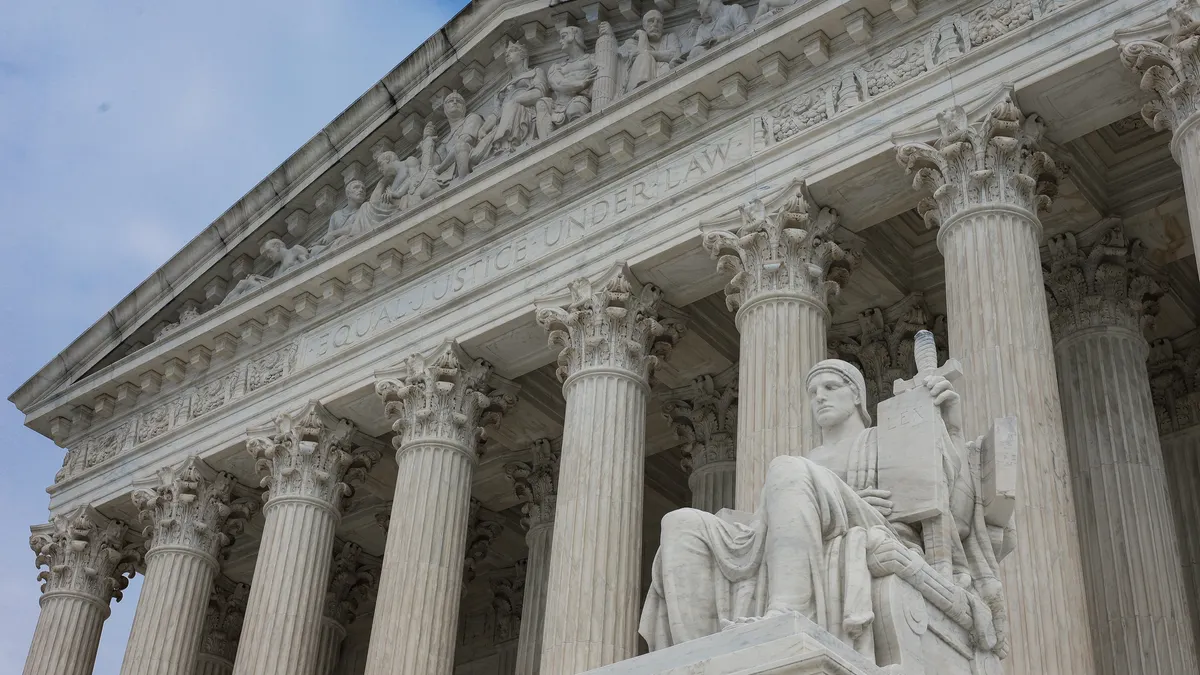
Hikma Pharmaceuticals didn’t run afoul of patent law in marketing a copycat version of Amarin’s heart drug Vascepa, the Supreme Court ruled Thursday, in a decision that could help protect makers of non-branded medicines from legal threats arising from “skinny labeling” practices.
In a Thursday decision, the court ruled that London-based Hikma didn’t “induce” use of its generic counterpart in an unapproved indication for which Vascepa was available and Amarin still held patents.
“Skinny labeling” is a tactic generic drugmakers use to speed products to market ahead of broad patent expirations of branded medications. The practice involves first seeking a Food and Drug Administration approval in a limited indication for which a branded drug no longer has exclusivity, which enables companies to market a generic earlier than if they were to wait out the rest of a branded product’s intellectual property.
Generic drugmakers argue this approach is essential because of legal maneuvers pharmaceutical companies use to extend patent protection for their medicines. In many cases these moves involve delaying competition far after the main patents covering a drug’s chemical or biological structure end, extending monopolies and inflating drug costs. The case involving Hikma and Amarin, then, was being closely watched, as a decision against skinny labeling might make it harder for generic companies to drive down prices.
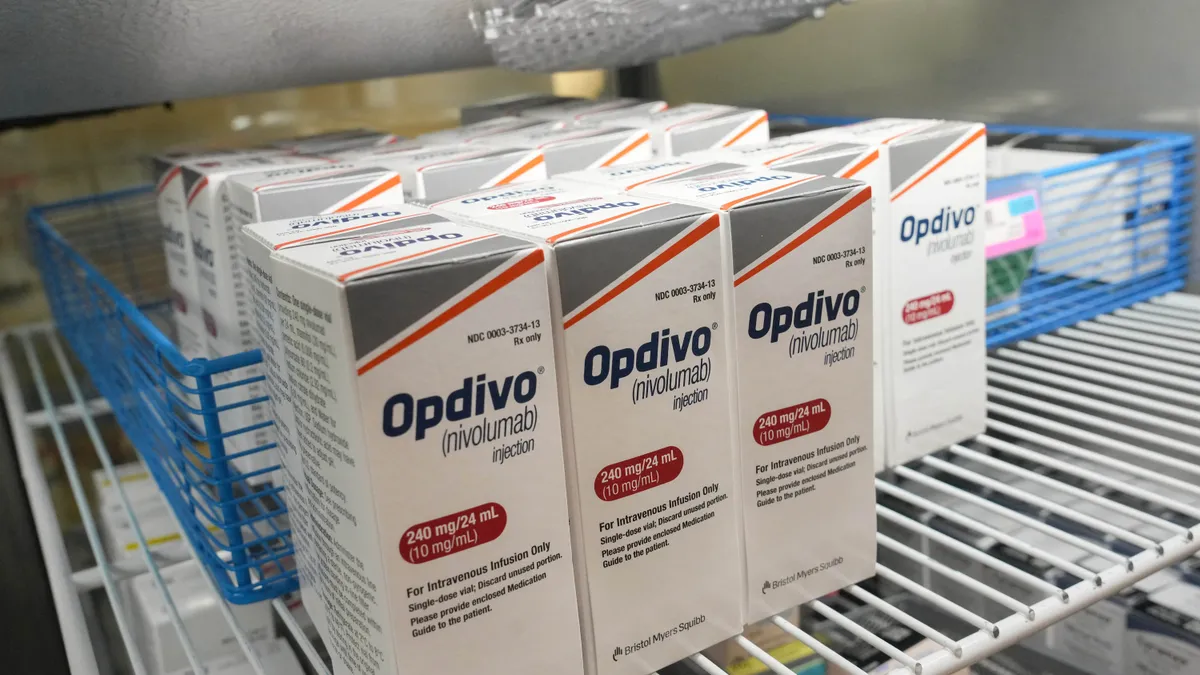
Vascepa, a purified, prescription grade version of fish oil, won Food and Drug approval in 2012 to help lower levels of triglycerides in the blood. It then gained a second OK in 2019 as an add-on to cholesterol lowering statins to prevent heart attacks and strokes in people with elevated triglycerides at high cardiovascular risk.
Hikma launched its knockoff version in the U.S. in 2023 and, at the time, specifically stated that the drug was only intended to lower triglycerides and wasn’t approved “for any other indication for the reference listed drug Vascepa.”
Nonetheless, Amarin alleged that Hikma was “inducing” use of its drug as a tool to reduce heart risk because the company didn’t do enough to discourage use.
A Delaware court initially dismissed Amarin’s case. But an appeals court overturned that decision, raising questions about how the Supreme Court — which had declined to hear an appeal in a separate “skinny label” case — might rule.
The high court sided with Hikma. In a 9-0 ruling, the justices wrote that many Hikma actions that were allegedly encouraging patent-infriging use were required by law. Other moves were too vague to constitute “affirmative steps” toward inappropriate use.
One legal expert noted that the finding could essentially raise the bar for challenging skinny labels and affect other ongoing litigation.
“The question has been, ‘what types of active steps are required in order to induce infringement?’ A more permissive standard has been evolving among the lower courts over the past several years,” said Randy McCarthy, head of intellectual property law at law firm Hall Estill, in a statement. “This decision by the Supreme Court significantly redefines and tightens the requirements for induced infringement, providing a far more bright-line test and, from a practical standpoint, has made it significantly harder to prove in future cases.”
Amarin recorded sales, licensing and royalty revenue of $214 million in 2025. Vascepa is its only marketed product.