The chance to unleash powerful cancer cell therapies on autoimmune conditions has gotten tantalizingly closer this year. One program from Kyverna Therapeutics is headed toward an approval decision. Others are either in, or nearing late-stage testing.
News this week from Novartis and Bristol Myers Squibb, though, has threatened to throw that progress into disarray. On Monday, both companies revealed they’ve paused multiple trials of their so-called CAR-T treatments in several autoimmune disorders because of worrisome safety incidents. In Novartis’ case, three participants died following a severe immune reaction. Bristol Myers saw “transient but reversible inflammatory events,” a spokesperson said.
Shares in companies like Kyverna, Cabaletta Bio, Allogene Therapeutics, CRISPR Therapeutics and Fate Therapeutics — all of which are investing in autoimmune cell therapy in one way or another — dropped abruptly before recovering. Since then, Wall Street analysts have begun assessing the impact of Novartis and Bristol Myers’ findings, and multiple developers have tried to assure investors their prospective treatments are different.
The results “have raised some investor questions regarding the broader [autoimmune cell therapy] landscape,” wrote Leerink Partners analyst Thomas Smith.
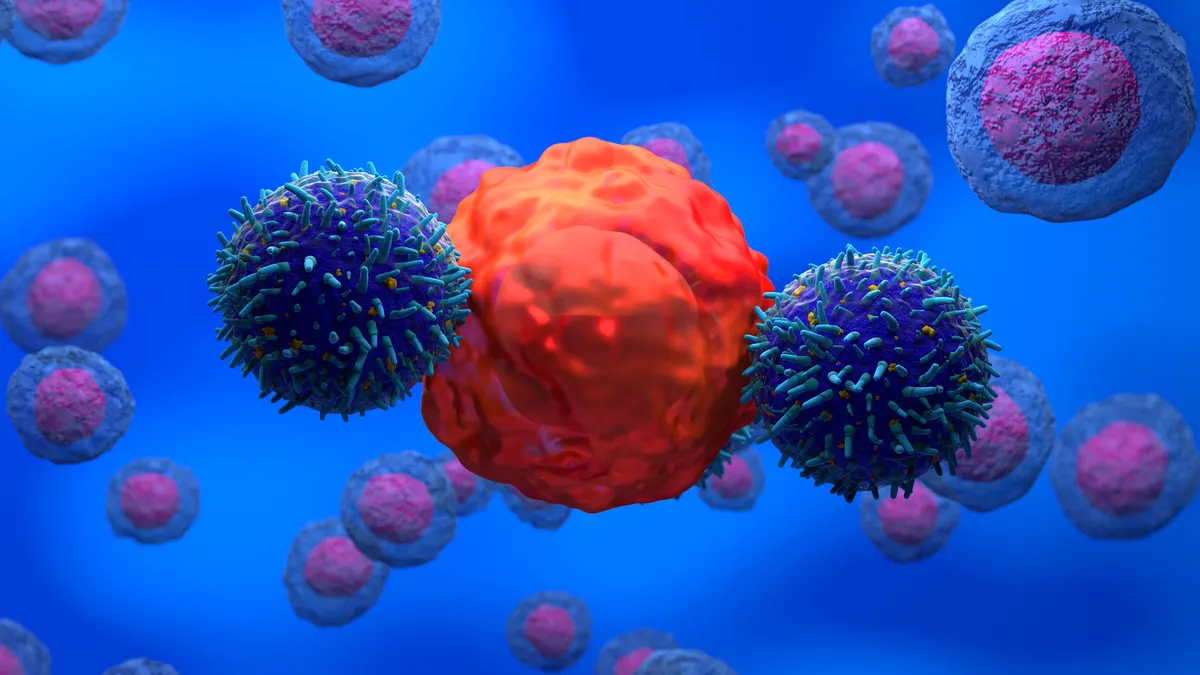
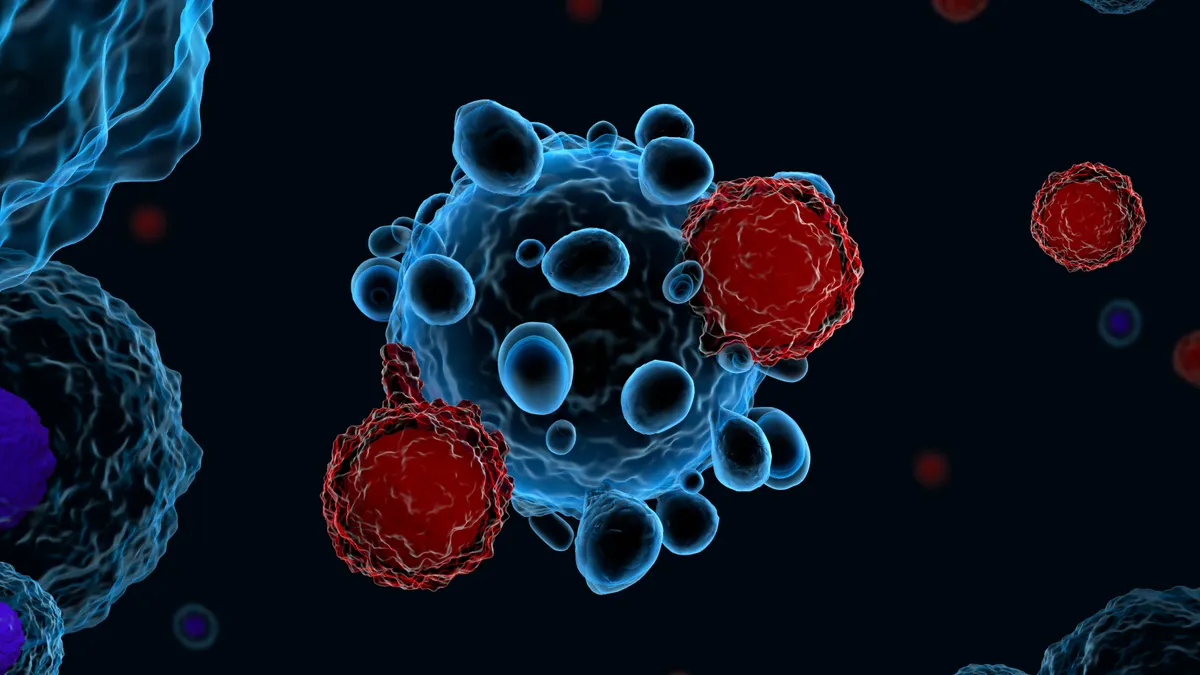
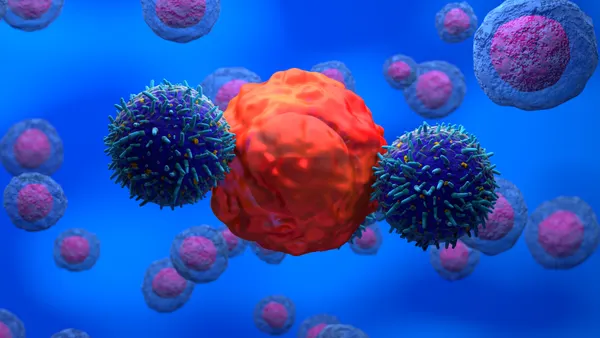
The CAR-T therapies available for cancer have shown they can drive certain malignancies into deep and long-lasting remissions. They work by rewiring a patient’s own immune defenders to hunt down and kill diseased cells in such conditions as leukemia and multiple myeloma. They have a couple of notable downsides that have slowed uptake, however.
One issue is the therapies’ lengthy production time. Patients’ T cells are extracted, sent to a specialized manufacturing facility, modified and then eventually reinfused in a process that can take multiple weeks. Patients can also require extensive post-infusion monitoring for potentially severe immune or neurological side effects.
Novartis and Bristol Myers have been seeking to compress production times by using a speedier approach to grow modified cells more quickly. Multiple analysts have zeroed in on this strategy as a possible culprit for the reported safety issues. They also noted that companies like Cabaletta, Kyverna and Autolus Therapeutics are making their therapies via more traditional processes.
“This is particularly [important], as autoimmune diseases have more activated immunity at baseline” that CAR-T therapies could kick into overdrive, wrote Jefferies analyst Roger Song, in a client note.
Kyverna, for its part, was quick to emphasize this on Tuesday. The company’s lead therapy, mivocabtagene autoleucel, “has a distinct construct design and is produced using a well-established, validated manufacturing process,” Kyverna stated in a release.
Companies like Allogene and Fate that make therapies from the cells of donors, rather than individual patients, may also have a lower risk of triggering severe immune responses. These so-called allogeneic therapies have more “effector cells” tasked to perform a specific function, and fewer “inflammatory” cells, which could lead to a more controlled therapeutic impact, Song wrote.
Similarly, TD Cowen analyst Phil Nadeau noted how Cabaletta purposefully invested in a standardized, nine-day production process meant to “minimize immune related toxicities and prioritize patient safety.” Cabaletta hasn’t seen any cases of the potentially deadly “IEC-HS” reactions observed in Novartis’ trials, and so far has recorded low rates of immune and neurological adverse events, Nadeau wrote.
“Given the difference in protocols, we see limited read-through” from Novartis and Bristol Myers’ safety issues, he added.
Additionally, other companies might now be better able to avoid enrolling people at higher risk of a serious immune reaction. Cabaletta’s trials in lupus and other conditions, for instance, exclude patients who’d had a recent infection or harmful inflammatory event to reduce risk, Song wrote.
“We believe greater physician awareness of symptoms and treatments specifically for IEC-HS will improve the management and outcomes of this adverse event over the longer term,” wrote William Blair analyst Sami Corwin on Monday.