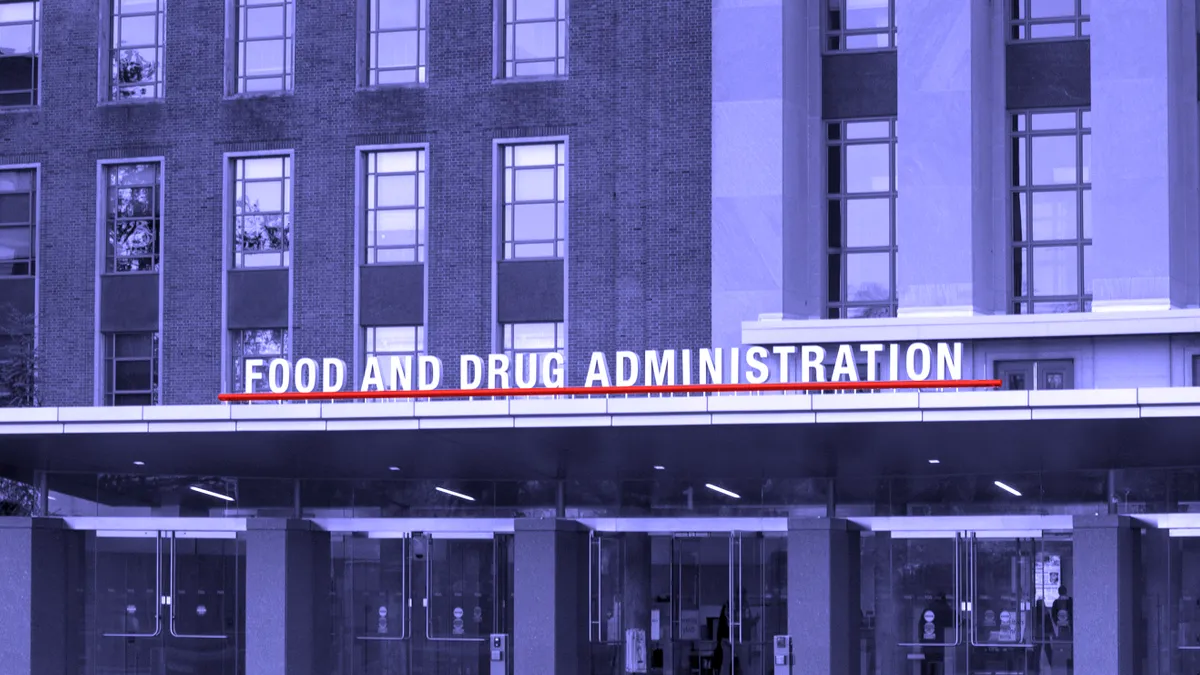
Since the Food and Drug Administration approved the first biosimilar 11 years ago, more than 80 biosimilars for various brand-name drugs have been given the go-ahead, reflecting a shift in regulatory and industry priorities.
Now, the agency is paving the way for more approvals, hoping the smoother road will introduce competition and lower prices for consumers. This week, the FDA issued draft guidance that, in some cases, would lower the bar for biosimilar testing, allowing companies to develop copycat versions of biologic medicines with reduced upfront R&D costs.
Biosimilars aren’t easy to make. Unlike small molecules, which can be recreated using a chemical recipe, biologics and biosimilars are developed with live organisms. Even if a brand-name biologic is well established, biosimilars need to be developed from the ground up and proven to be comparable — and at best interchangeable — with the original.
Comparative studies alone can take up to three years and cost $24 million, according to the FDA. But now, the agency plans to allow biosimilar makers to use data from a comparator product outside the U.S. Copycats have been more prominent in Europe, for example, where regulators have approved more than 130 biosimilars as of last year. This shift could cut development costs by about half, the agency said.
Biosimilars originally gained a pathway to approval as part of the Affordable Care Act in 2010, but their use has been uneven. With limited access to formularies and rampant patent barriers from brand-name drugmakers, the intended effects on prices have been limited.
But there’s also evidence that biosimilars can play a bigger role in the market moving forward if given continuing incentives from regulators.
A future in oncology
Because of a long, difficult and expensive R&D process, biologics come with a hefty price tag. Although they represented only about 5% of prescription volume in 2024, biologic medicines made up more than half of all drug spending in 2024, according to a recent report from health services company Cardinal Health.
Biologics have dominated in oncology since the arrival of “checkpoint inhibitors” in the middle of last decade. Those drugs are now used to treat dozens of cancers, in turn, have become big business for Big Pharma.
Merck & Co.’s cancer drug Keytruda remained the bestselling drug in the world last year, raking in more than $35 billion.
Cancer drugs like Keytruda, as well as Bristol Myers Squibb’s Yervoy and Opdivo, and Genentech’s Perjeta, face exclusivity losses before 2030, opening the door to biosimilar competition. This wave could potentially result in major savings, Cardinal Health reported.
Oncologists have also been the most receptive to incoming biosimilars, with 99% of practices saying they are “confident in explaining biosimilars to patients,” according to Cardinal Health, which could drive demand and encourage patient switches.
Biosimilars of Roche’s Herceptin provide an early example of cost savings in cancer. Six copycats of the breast cancer drug have entered the market since 2019, resulting in an average sales price drop of 76%, Cardinal Health found.
Some price cuts, however, make for an unsustainable market for biosimilar makers. For example, when biosimilars of AbbVie’s bestselling immunology drug Humira entered the market in 2023, some launched at a 92% discount from the brand name’s wholesale acquisition cost, according to the Association for Accessible Medicines’ Biosimilars Council, creating difficult margins.
AbbVie’s legal practices presented another barrier for competitors. A “patent thicket” of hundreds of protections surrounding Humira kept biosimilars from the market for years until the pharma giant achieved settlements with the copycat makers for a 2023 launch. The biosimilars struggled at first before gaining traction about a year later.
While some biosimilars do cut costs for patients, the margins for companies that make them have become too thin. At the rate of $100 million to $300 million in upfront investment and years of clinical development, “fewer manufacturers will be able — or willing — to bring new biosimilars to market. This means the U.S. market could face diminished competition and higher long-term costs for patients,” according to the Biosimilars Council.
That’s where regulatory changes like the FDA’s revamped guidance could come into play. Big biosimilar makers like Amgen, Pfizer and Sandoz could reap the benefits of an easier route to market, potentially lowering prescription drug costs if the barriers to entry are reduced.