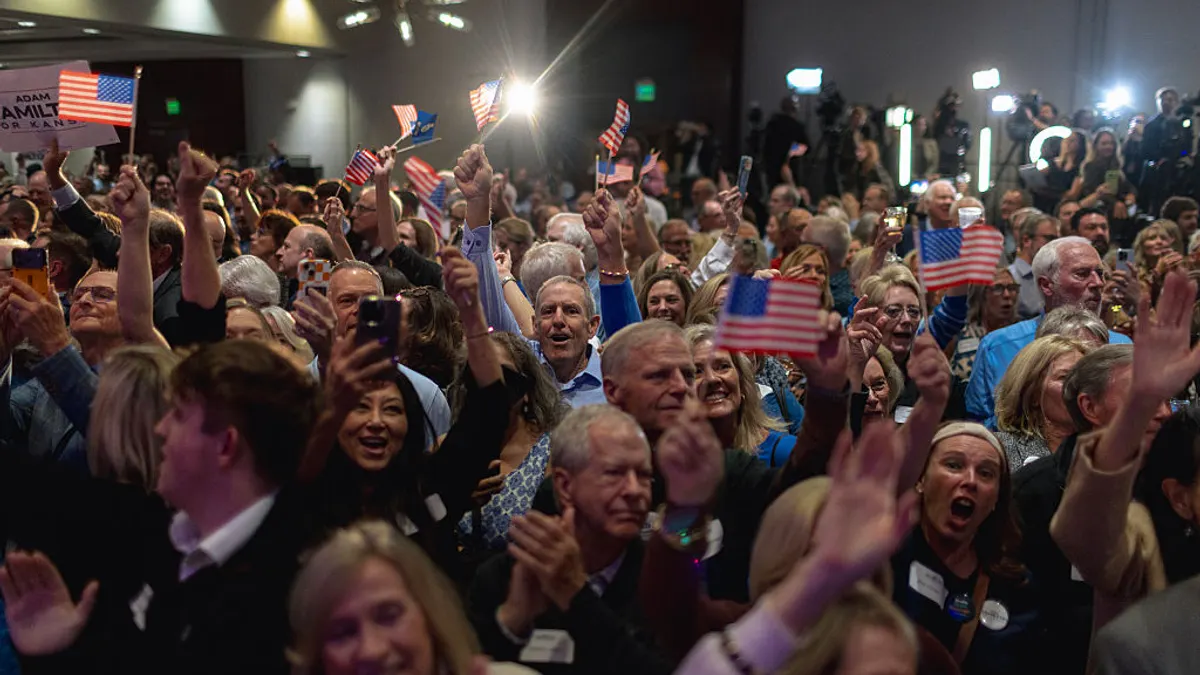
The midterm elections have swung control of U.S. Congress from one side of the aisle to another, as Democrats on Tuesday regained majorities in the House and Senate. And that shift is likely to escalate, rather than hinder, the biopharmaceutical sector’s broader recovery, according to Wall Street analysts.
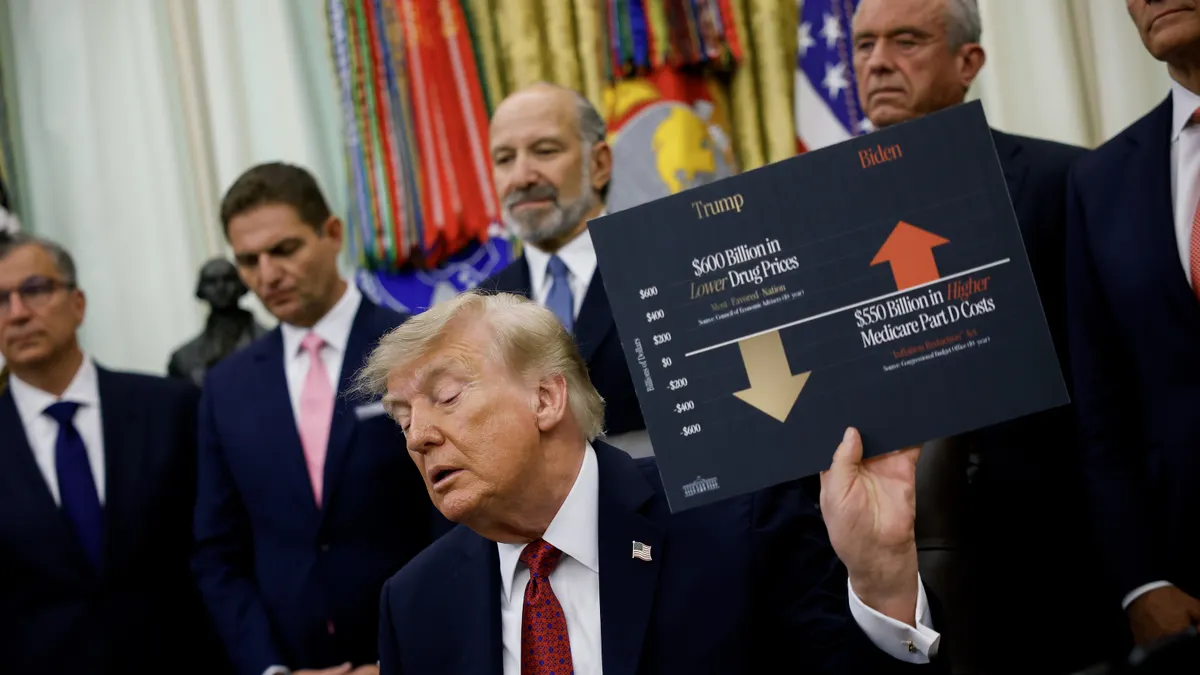
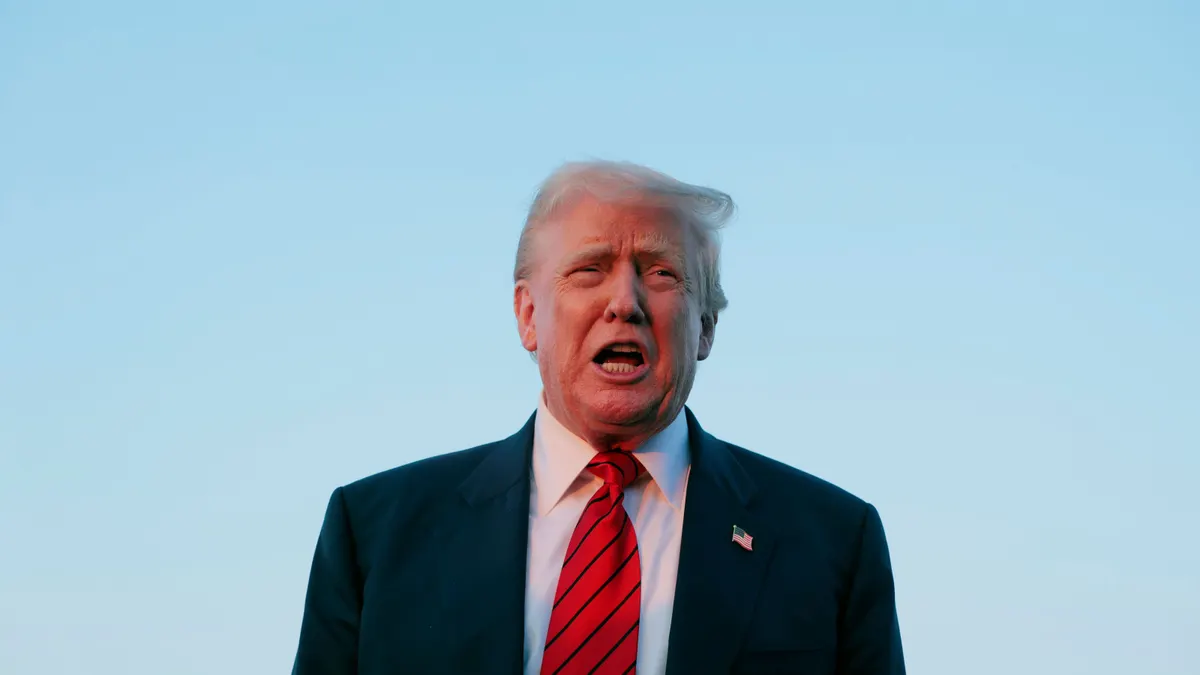
Drug pricing may not be the hot-button issue it has been after past elections, given that former president Joe Biden and President Donald Trump have both implemented programs and deals to control their growth.
In particular, the number of drugs subject to Medicare price negotiation under the Biden-era “Inflation Reduction Act” is set to automatically expand each year, meaning lawmakers don’t need to intervene to ensure its effects. The IRA is also seen by Democrats as their “big victory on drug pricing” and “too complicated to materially change,” said RBC Capital Markets analyst Brian Abrahams, at a recent media briefing.
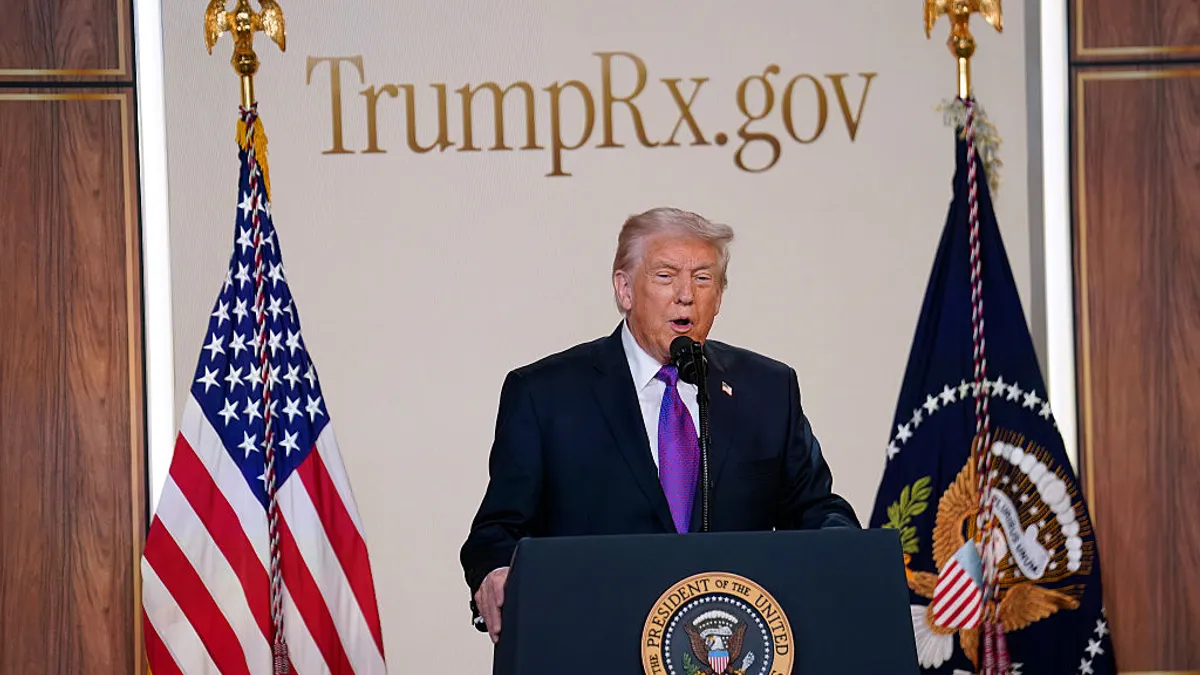
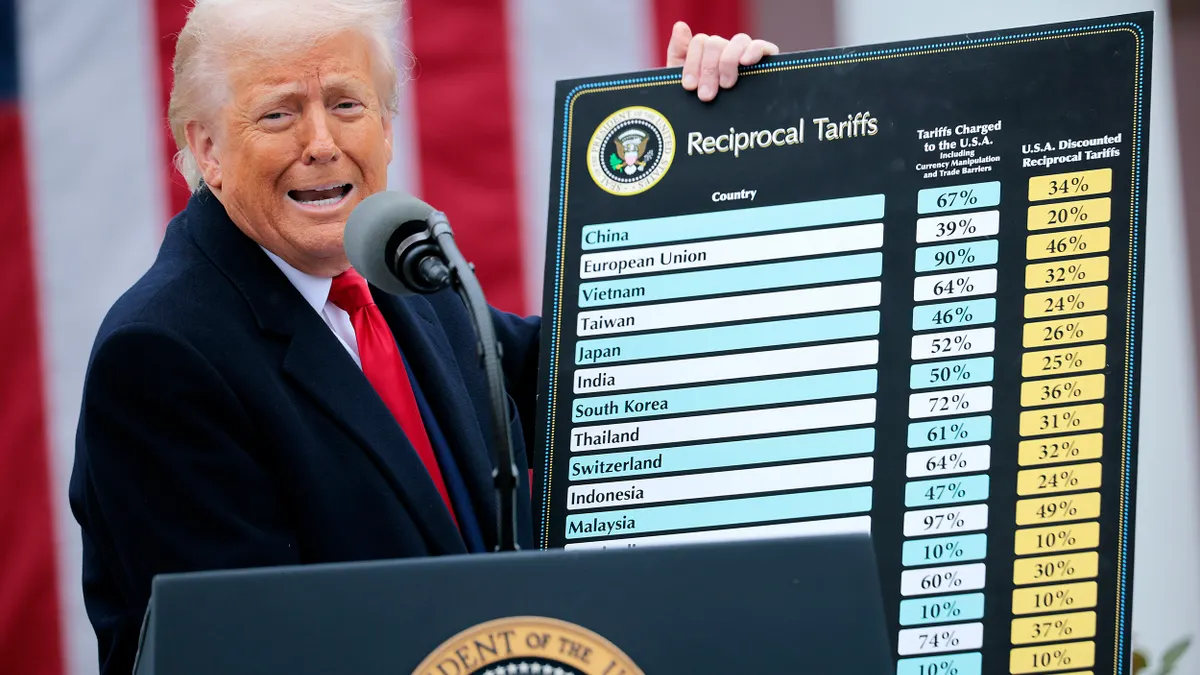
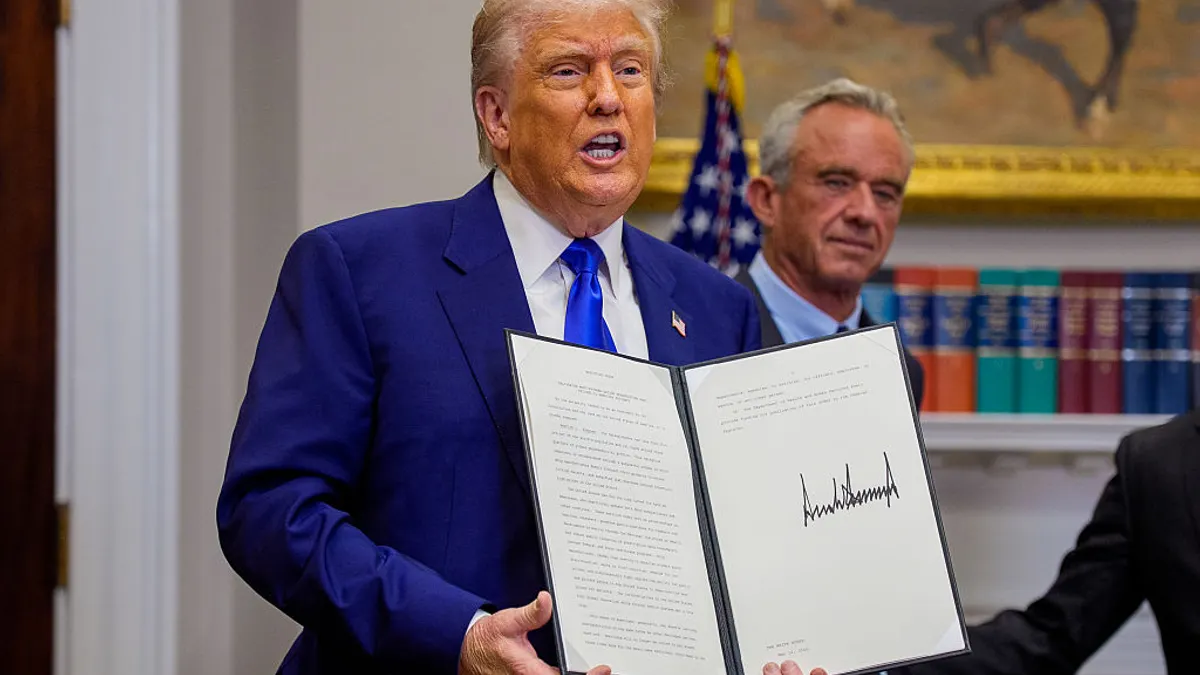
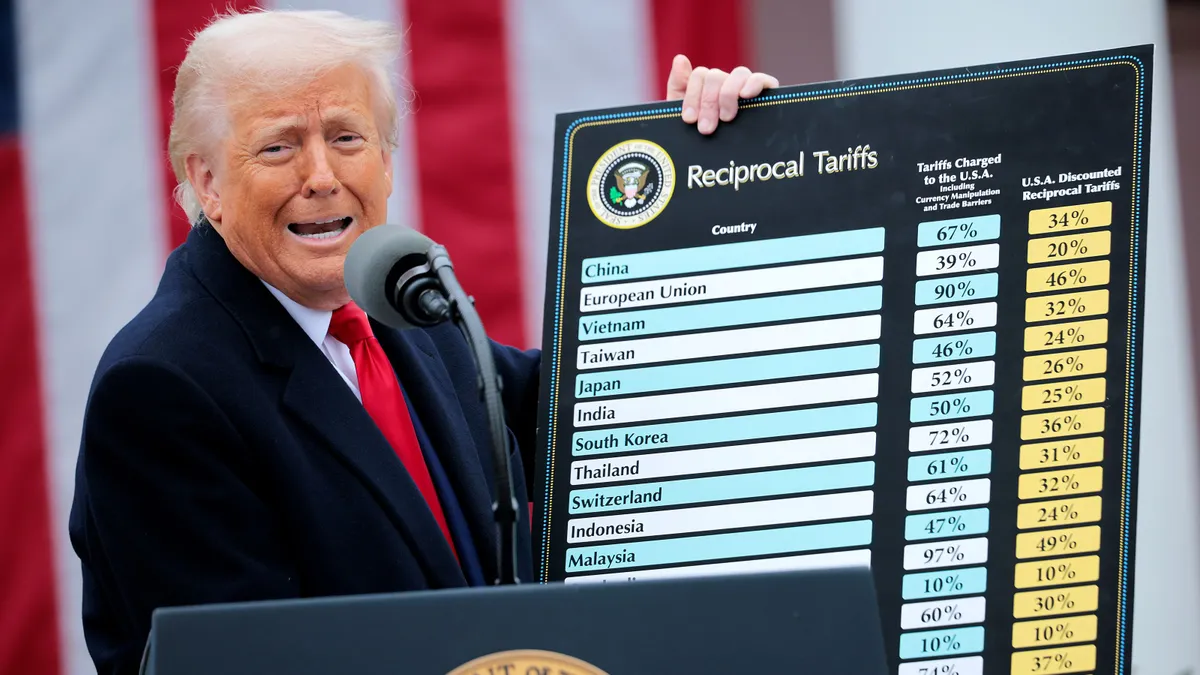
Nor is it expected that Democrats will meaningfully tinker with Trump’s “most-favored nation” drug pricing deals, which offered tariff relief in return for lowering U.S. pharmaceutical costs. Those pacts haven’t meaningfully affected drugmaker bottom lines, but they’ve helped boost access to certain medicines — like obesity drugs for Medicare recipients.
“I think the agreements are signed and are going until the end of the term of this government,” Pfizer CEO Albert Bourla said during an earnings call on Tuesday.
Democrats could probe these “tariff-avoidance” deals next year, but likely have “bigger fish to fry” than drug pricing, wrote Leerink Partners analyst David Risinger. A better bet is the issue returning in full force ahead of the next presidential election, he added.
Analysts also expect greater scrutiny of leadership at the Food and Drug Administration as well as the Department of Health and Human Services, both of which have had a tumultuous start in Trump’s second term.
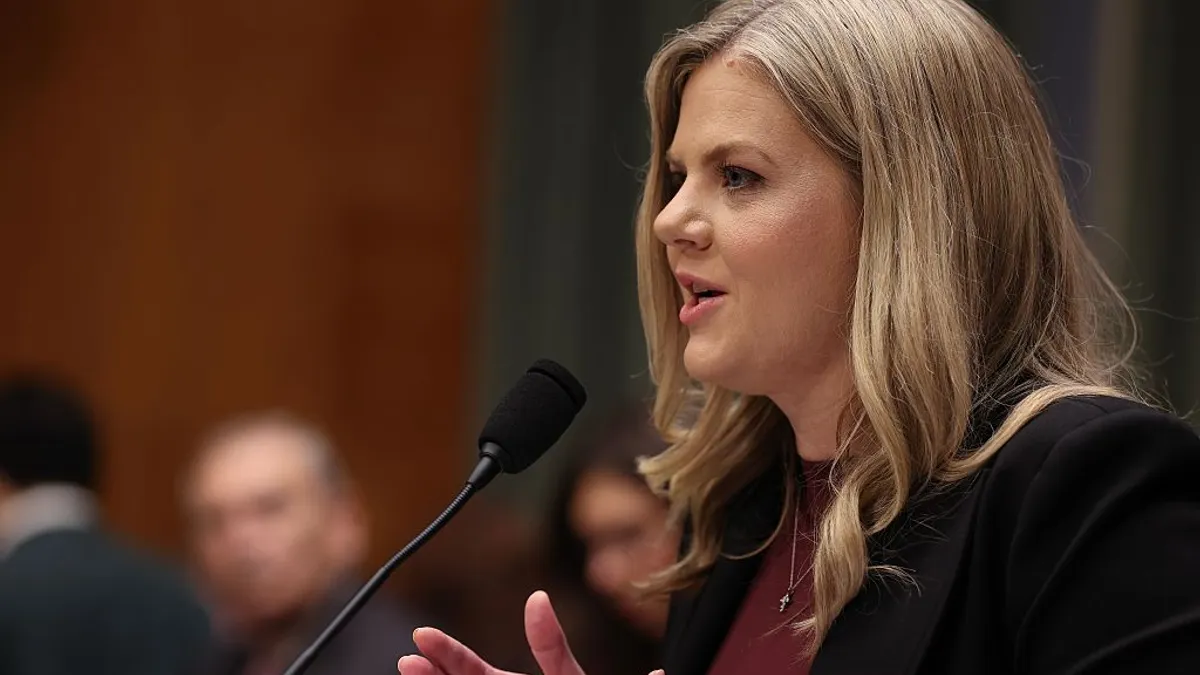
The Senate, for instance, still has to deal with the pending confirmation of Heidi Overton, Trump’s nominee for FDA commissioner. That vote would need to occur in a lame duck session, or Overton’s nomination might expire once Congress adjourns for the year — giving newly sworn-in Democrats a greater chance to impact her appointment.
Biotech investors and analysts view Overton’s nomination as further entrenching the kind of steadiness that’s taken hold at the FDA after the turbulent tenure of Marty Makary, who was castigated for erratic agency decision-making that frustrated the industry. The FDA has since reversed many of its controversial Makary-era rulings, and its two main drug review offices are now headed by permanent replacements. Overton’s confirmation would complete the staffing cycle.
“The new leadership regime at the FDA looks like it is tracking towards more stability and I would say reasonable flexibility,” said RBC’s Abrahams.
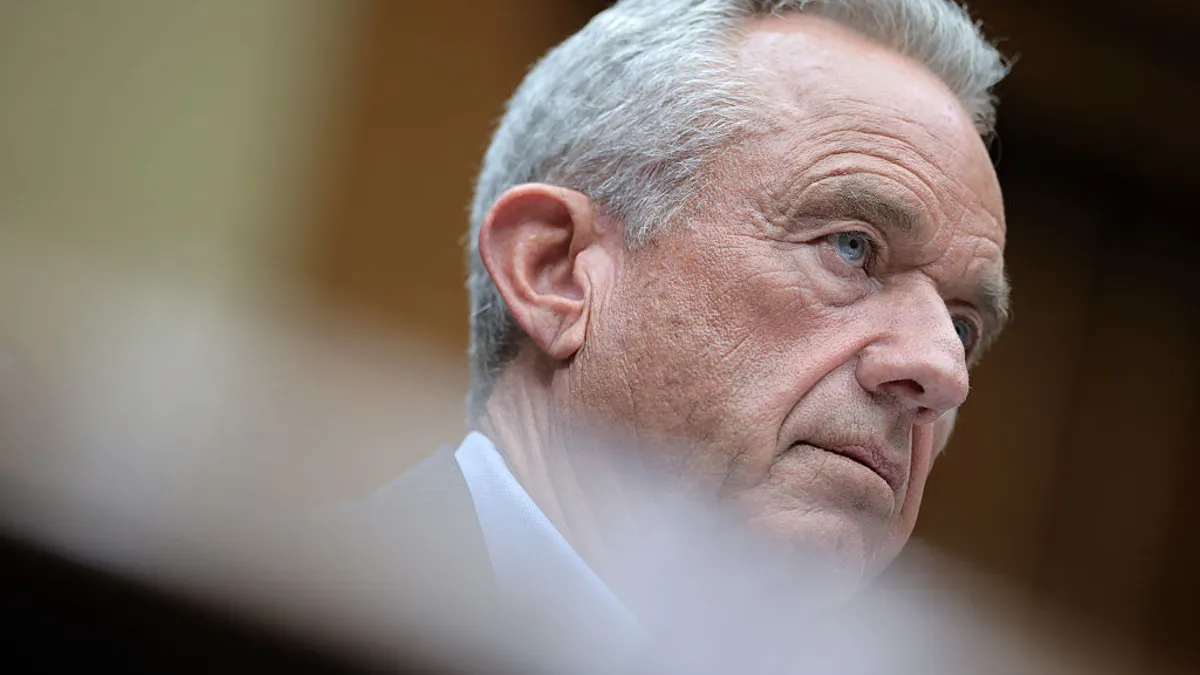
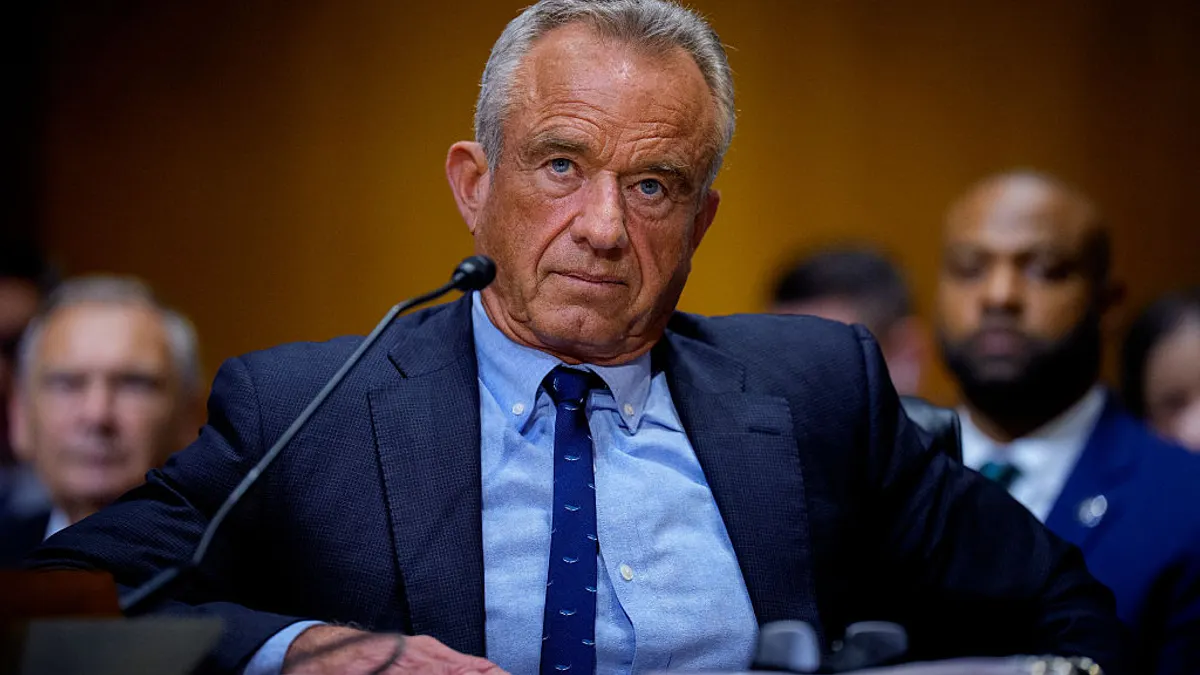
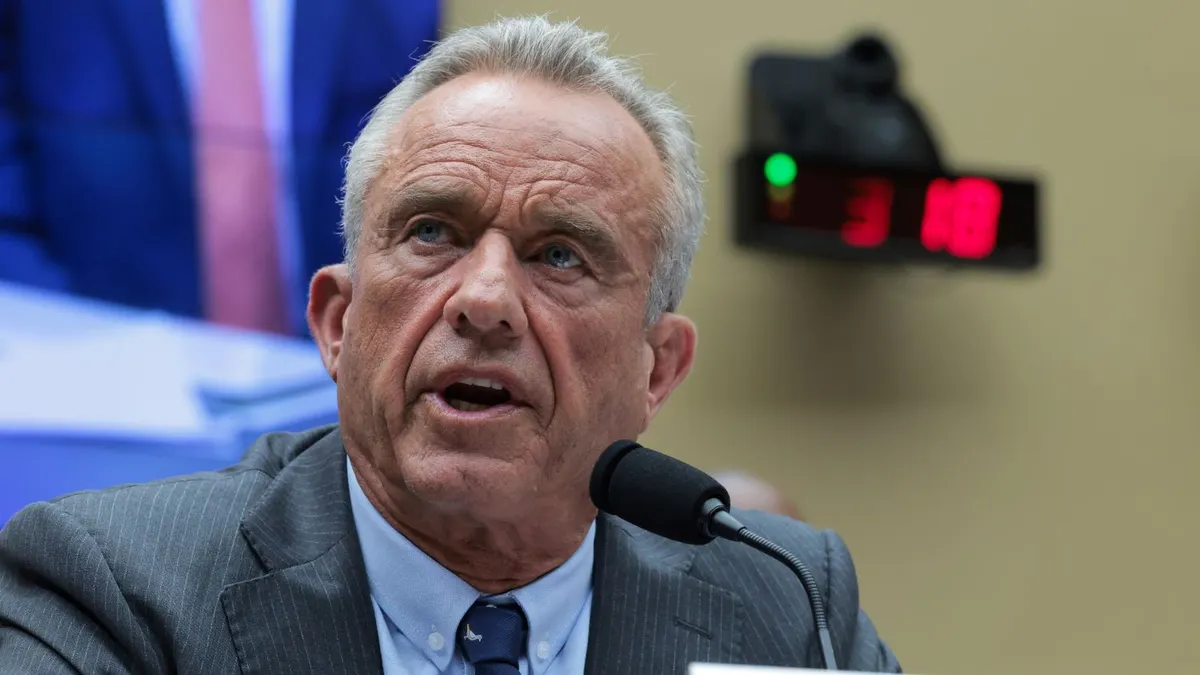
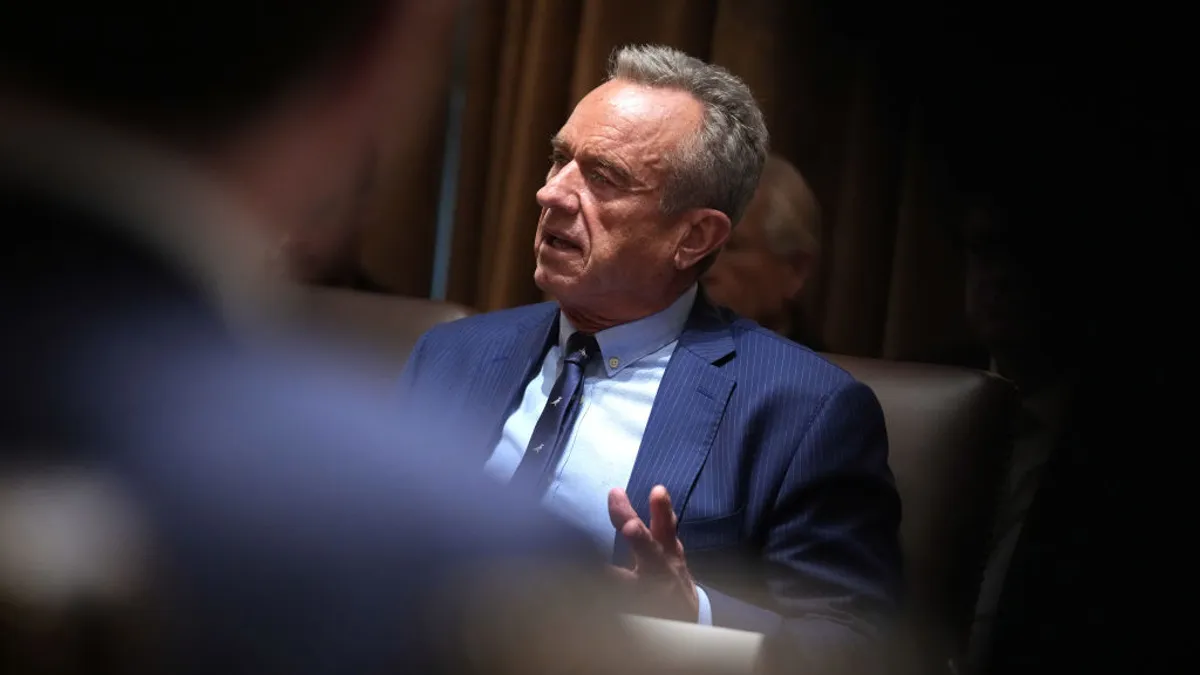
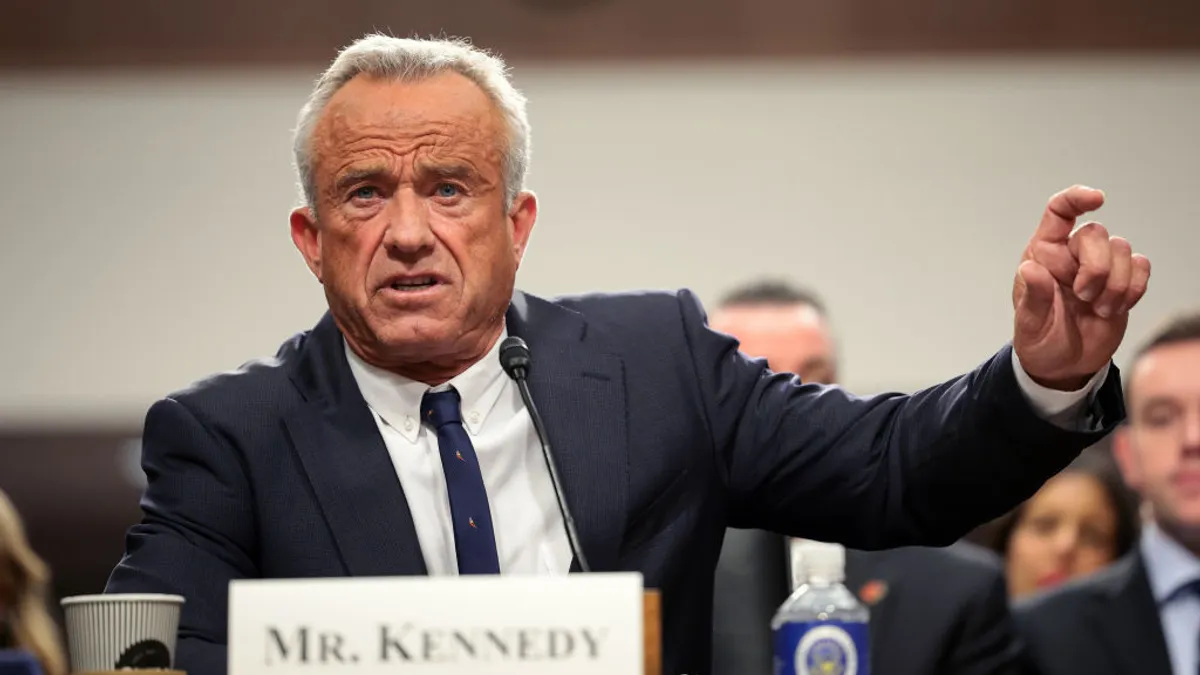
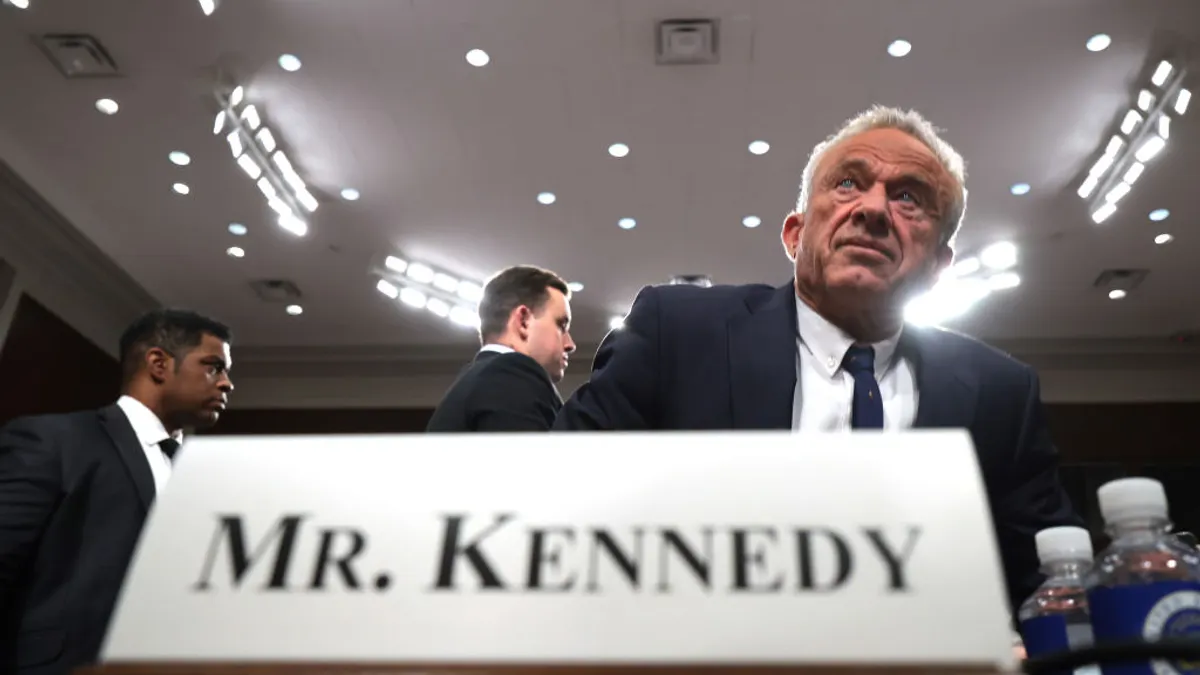
Vaccine policy could become a target, too, following a series of moves by HHS Secretary Robert F. Kennedy Jr. that weakened recommendations for immunizations and have been sharply criticized by the medical establishment.
Many elected Democrats “voiced their support for proven medical science,” Risinger wrote. That suggests Kennedy could be under greater pressure and certain aspects of the “MAHA” movement, such as attacks on vaccines, “could face scrutiny.”
The next Congress may take a closer look at a recent and notable shift in the global pharmaceutical pipeline, zeroing in on a surge in collaborations involving drugs originating from China. The Treasury Department recently proposed adding biotech to the “COINS” Act, which could curtail certain U.S. investments in China.
The RBC team argued that, while there’s bipartisan agreement China poses a threat to the U.S. pharmaceutical sector, the concerns are “overstated.” Any future action is likely to be focused on protecting U.S. patient data and safety, and shielding intellectual property from the Chinese military, said analyst Leonid Timashev.
“What we're not expecting is a blanket ban on data from China. We’re expecting a ban on manufacturing. We're not expecting a ban on M&A or things like that,” he said.
The sector’s early stock performance on Wednesday suggests investors are optimistic. The XBI, a stock fund correlated with the industry’s health, ticked up by a percentage point before trading essentially flat Wednesday morning. That aligns with historical data, according to Jefferies analyst Faisal Khurshid. The XBI has generated positive returns in the six months following each of the last four midterm elections, he wrote in a Tuesday client note.
Khurshid’s team doesn’t see the midterms being as “impactful” to biotech as presidential elections. Sentiment will be much more dependent on dealmaking and the state of FDA leadership, which now seems “industry-supportive,” he wrote.