Healthcare Dive, MedTech Dive and BioPharma Dive collaborated on this five-part series examining changes at the HHS one year after sweeping layoffs. The series explores impacts across the department and provides inside looks at the CDRH, CMS, CDC and FDA.
Demetre Daskalakis joined the Centers for Disease Control and Prevention in 2020. Along the way, he helped lead a response to the mpox outbreak and, more recently, ran an agency division focused on containing infectious diseases like influenza and COVID-19.
From that vantage point, Daskalakis saw, firsthand, an unsettling shift in the way the CDC operated once Robert F. Kennedy Jr. took control of the Department of Health and Human Services and the web of agencies under its purview. Daskalakis says he had an open mind when Kennedy, a known vaccine skeptic, came aboard. He was prepared to aid Kennedy’s desire to better public health and show him the ins and outs of the CDC. But what he saw instead was a raft of policies he believes prioritize ideology over established science.
CDC changes under Robert F. Kennedy Jr.
Daskalakis calls the series of changes “death by 1,000 cuts.” Each slash, from unorthodox tweaks to vaccine policy to the sudden removal of respected agency director Susan Monarez, tarnished the CDC’s standing with the scientific community and eroded public trust. Last summer, he published a scathing letter as he and two other senior CDC officials resigned in protest.
“It became pretty clear that with the loss of any scientific leadership at CDC, there was not going to be a way forward that wouldn't compromise my ethics and my ‘first, do no harm’ Hippocratic oath,” he said.
Daskalakis, now an outspoken critic of the agency and its actions, likens the CDC to a “hijacked plane.”
“You have this very important agency that is being steered by people that don't have the goal of public health really as their main mission,” he said.
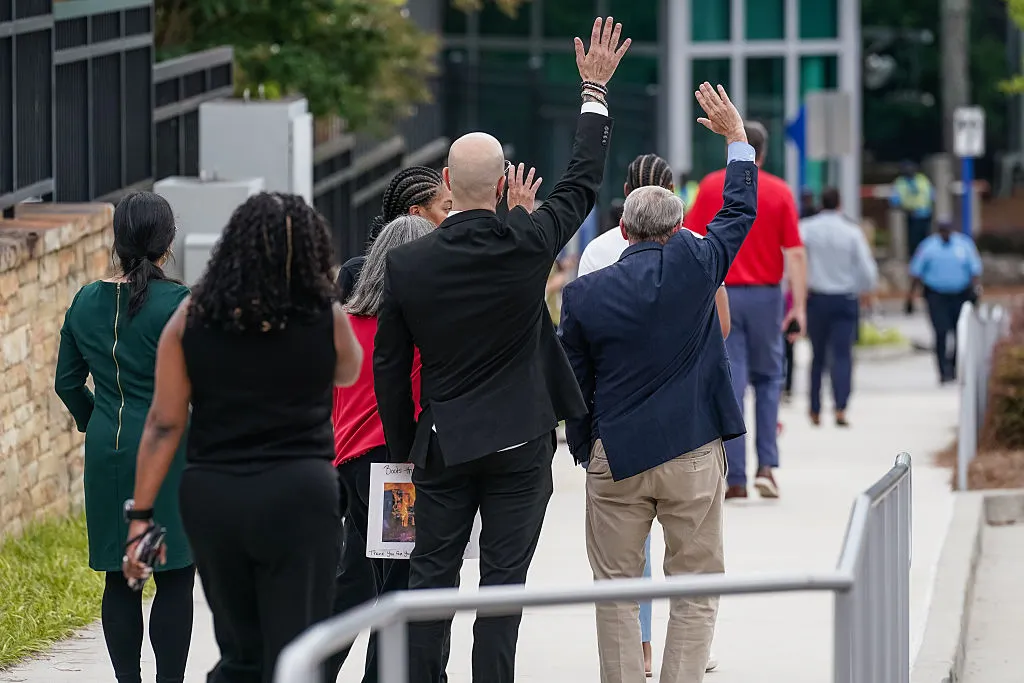
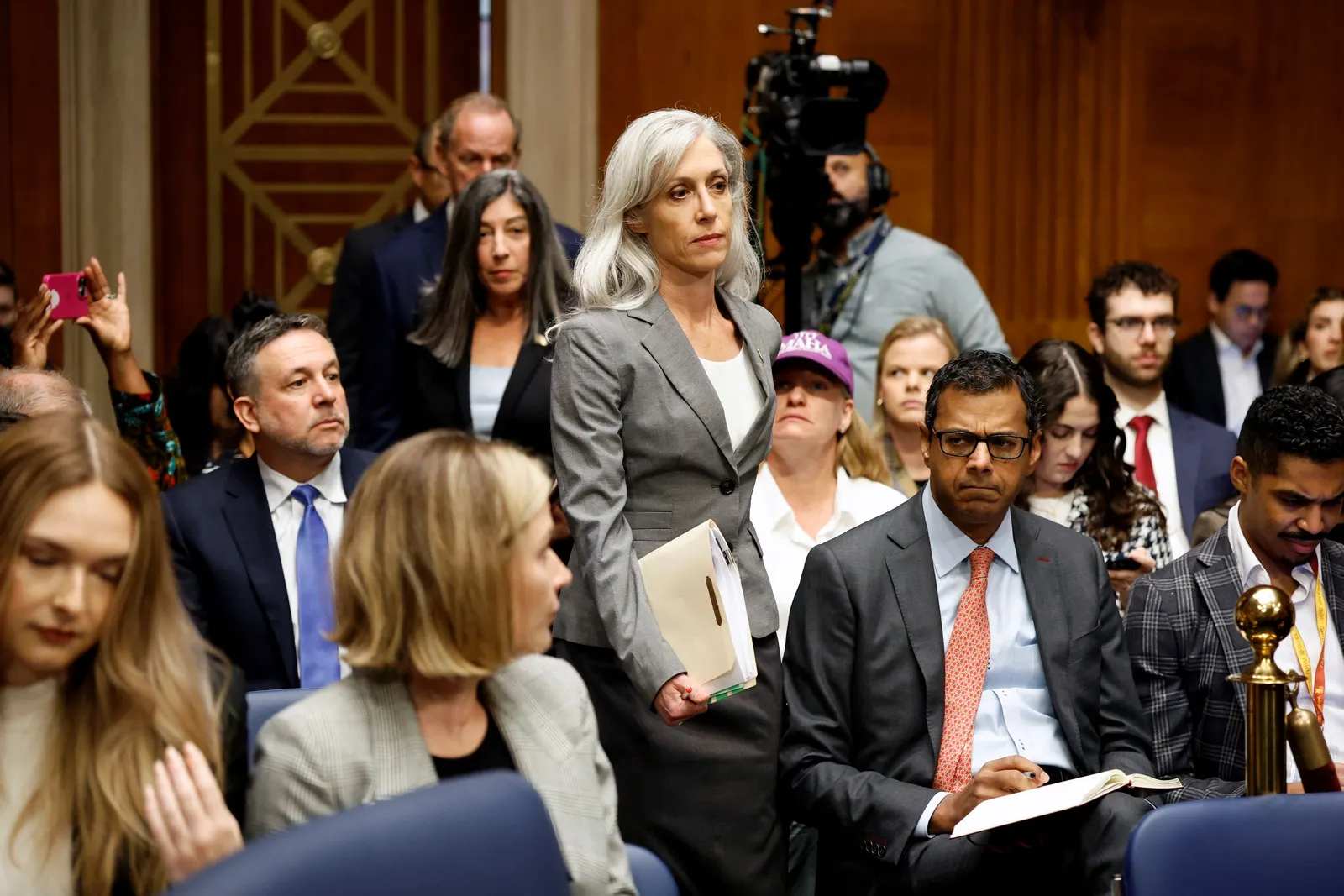
A sudden transformation
The CDC’s main objective is to protect the American public from disease threats. It monitors emerging outbreaks, coordinates a response, and helps guide the public, physicians and state agencies on vaccinations as well as other preventive measures.
Like other federal health organizations, the CDC became a political target in the wake of the COVID-19 pandemic amid anger over lockdown and vaccination policies. Its weaker standing was seized on by President Donald Trump, who nominated Kennedy to lead HHS and “restore” the CDC and other public agencies to “the traditions of gold standard scientific research.”
The choice was controversial. Kennedy founded and chaired the Children’s Health Defense, a prolific anti-vaccine group that’s spread false claims about the safety and effectiveness of childhood inoculations. He’d also long publicly crusaded against the adoption of approved vaccines, citing debunked links to autism and chronic health conditions.
Ahead of his confirmation, Kennedy vowed to “clean up corruption” at the nation’s public health agencies. In the CDC’s case, that’s resulted in major staffing cuts, leadership turnover and dramatic shifts in the way the agency forms new recommendations.
The most impactful of those moves has been the reorganization of the Advisory Committee on Immunization Practices, or ACIP, a crucial panel that issues vaccine guidance linked to insurance coverage. The committee is comprised of independent experts with backgrounds in infectious disease or public health and that are vetted through a rigorous process. That panel then carefully reviews evidence gathered by smaller “working groups” and pharmaceutical representatives before recommending who should, or shouldn’t, receive new immunizations.
You have this very important agency that is being steered by people that don’t have the goal of public health really as their main mission.

Demetre Daskalakis
Senior public health advisor for Wellness Equity Alliance and former CDC executive
Last June, Kennedy abruptly fired all 17 members of that panel and hastily replaced them with a smaller group largely aligned with his views or without relevant expertise. Scientists and public health veterans widely criticized the secretive way the new group was selected, and expressed concern that the reformed ACIP’s mandate was to enact an already agreed-on agenda.
“We don't really know what was going on behind the scenes as far as picking the replacements, because there's not been much transparency,” said Kevin Ault, vice president of the National Foundation for Infectious Diseases, who previously served on ACIP and was a former liaison for the American College of Obstetricians and Gynecologists, or ACOG.
Jeffery Goad, the NFID’s president and former liaison to one of the CDC’s work groups, called the move a “radical departure” from what was observed during previous presidential administrations.
“The CDC and ACIP have been in place and independent through every political change. It doesn't matter what party is in power. The scientific process, the rigor, the independence of the CDC and ACIP has always been there,” he said.
Meanwhile, the agency altered website language regarding vaccine safety. Many surveillance databases, chiefly involving vaccination topics, stopped being updated. And Monarez was fired less than a month into her tenure for refusing to rubber-stamp new vaccine guidelines without supportive evidence. Her departure spurred the resignations of several senior leaders, including Daskalakis, and led to widespread calls for Kennedy to step down.
“Each one of the events really led the people at the CDC, especially in my center, to feel more and more like they are unable to effect any change,” said Daskalakis. Monarez was “interested in doing the right thing” and “really wanted to bring order and reason to what was happening at ACIP,” he added.
The CDC remains without a leader. Jim O'Neill, who was named acting director in June, left his post in February. National Institutes of Health leader Jay Bhattacharya is currently serving in that role in the interim.
HHS spokesperson Andrew Nixon said in an email to BioPharmaDive HHS continues to rely on input from scientists and experts across the agency.
Upending vaccine policy
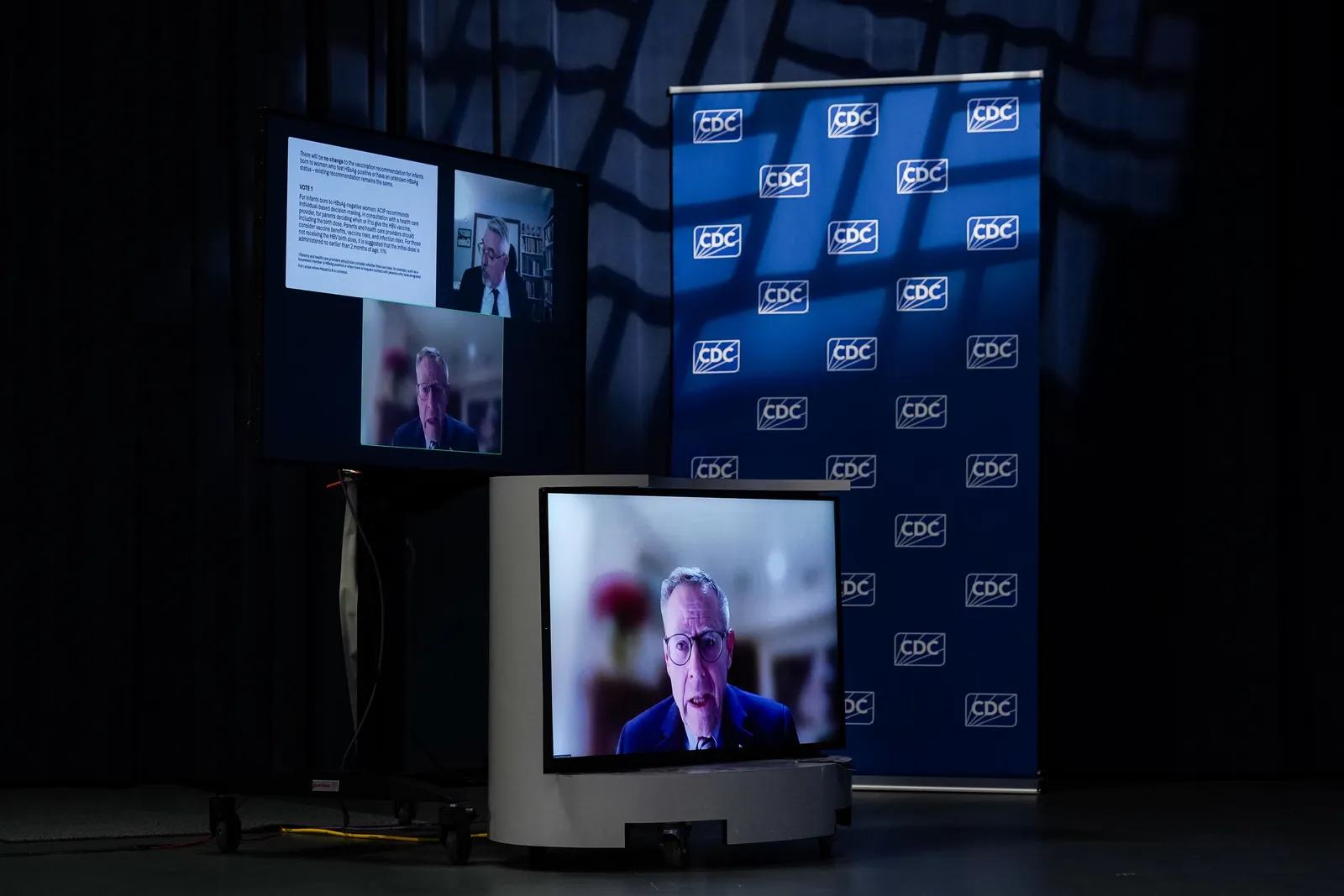
In less than a year, Kennedy’s reformed ACIP committee has directed a series of changes that have gone against longstanding scientific evidence in weakening support for several routine inoculations.
The panel dialed back support of a birth dose protecting newborns against hepatitis B infections that can cause deadly complications later in life. The panel has also questioned the evidence supporting COVID-19 vaccines as well as routine childhood immunizations, voted to split measles and varicella shots and indicated plans to dig into an immune-boosting adjuvant used in several vaccines.
The committee’s focus seems to be “what can we do to reduce vaccination, rather than what can we do to protect the public,” claimed Robert Hopkins, medical director of the NFID and a liaison to ACIP. The meetings, he thinks, are “political theater.”
“ACIP is doing what it’s supposed to do, evaluate the evidence and have an open debate, not rubber-stamp prior consensus,” Nixon said.
The process by which these changes were made has raised alarm from career scientists. Some ACIP presentations, for instance, came from unorthodox sources with a history of vaccine skepticism.
It's a very dark time for evidence-based recommendations coming from CDC.
Robert Hopkins
Medical director of the NFID and a liaison to ACIP
Liaisons to major medical organizations have also been barred from participating in work groups. These liaisons provided critical assistance in collecting, analyzing and presenting evidence on the topics ACIP reviews, as well as the language of the issues the panel ultimately votes on.
Experts worry the sidelining of liaisons means CDC subject matter experts are unable to provide data to ACIP, and signals the committee no longer follows established frameworks for decision-making.
“Since the ACIP has been reconstituted last year, nothing that has been put forward by them is based on science or evidence, not one single change. This is unlike the previous 50-year history,” said Michael Osterholm, director of the Center for Infectious Disease Research and Policy at the University of Minnesota.
“Right now, the changes that are occurring are by dictum, without any data or information to support their change,” he added.
Ault, meanwhile, noted that while liaisons can participate in public meetings to provide insight to ACIP members, they’re often ignored.
“[Members] had their hands raised, and nobody would call on them. And I don't know if that's just part of the general disorganization of the group, or if that was purposeful, but either way, it doesn't look good,” he said.
When asked if participants have been ignored and if factual data has been sidelined, Nixon said those claims are “completely false.”
“CDC experts and liaison members have attended the ACIP meetings. Additionally, multiple liaison groups, including AAP, have refused to participate,” he added.
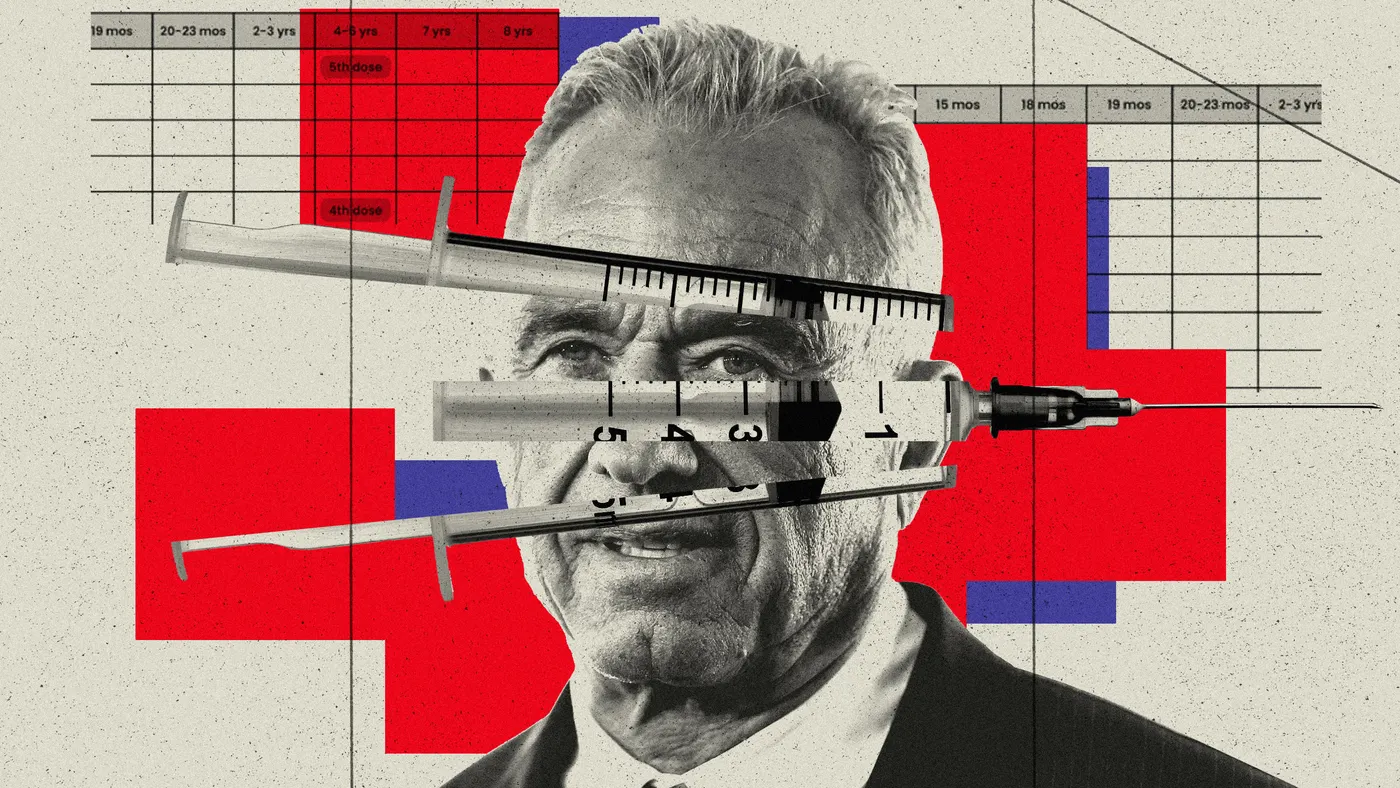
The CDC also bypassed ACIP in January by announcing it would reduce the number of universally recommended childhood shots to 11, down from the previous 17. The agency claimed the decision was made to align the U.S. schedule with certain other wealthy nations. But that argument was challenged by scientific experts, who noted the call was made without public debate of data supporting such a drastic policy shift.
“It's a very dark time for evidence-based recommendations coming from CDC,” Hopkins said.
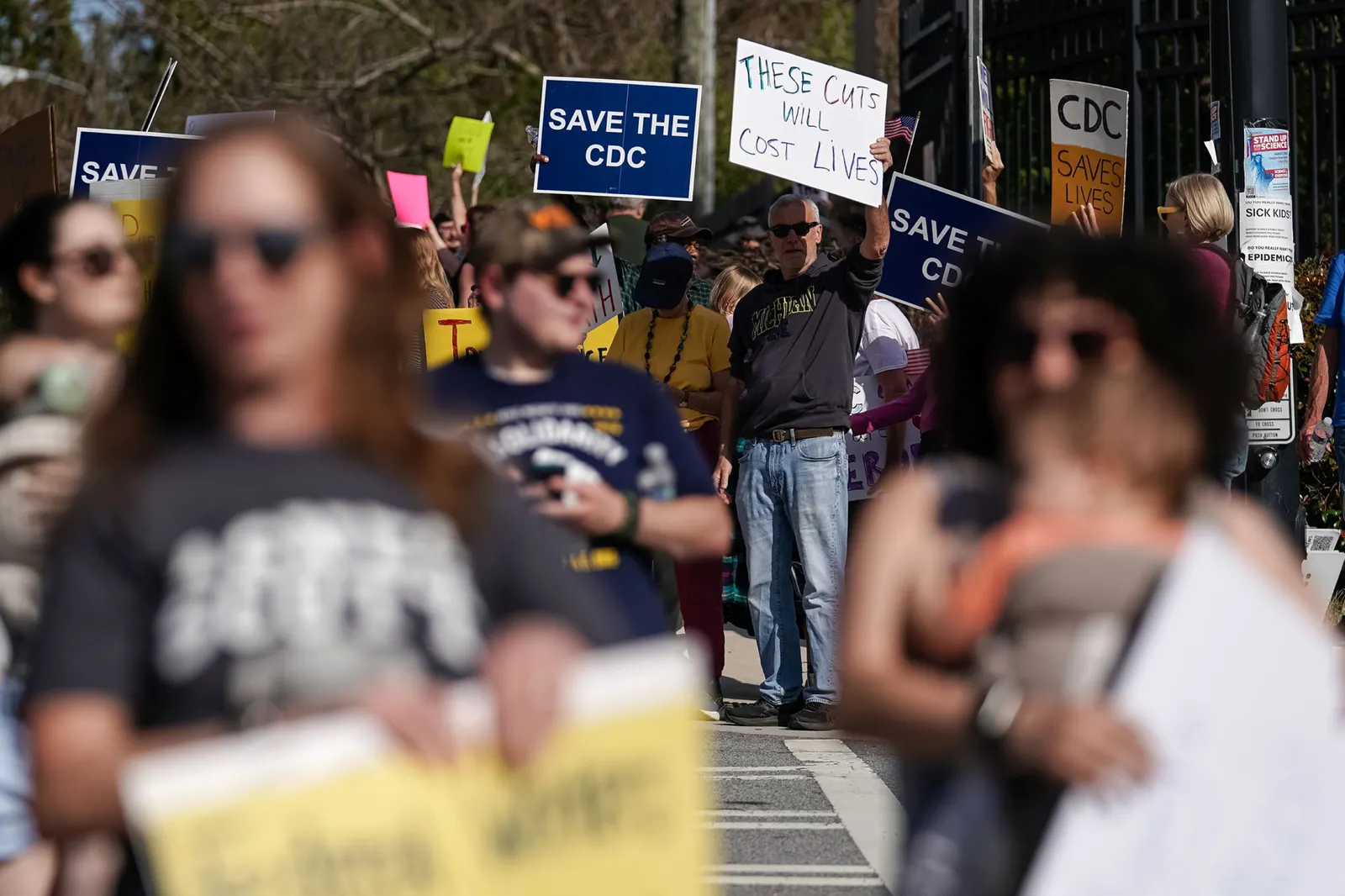
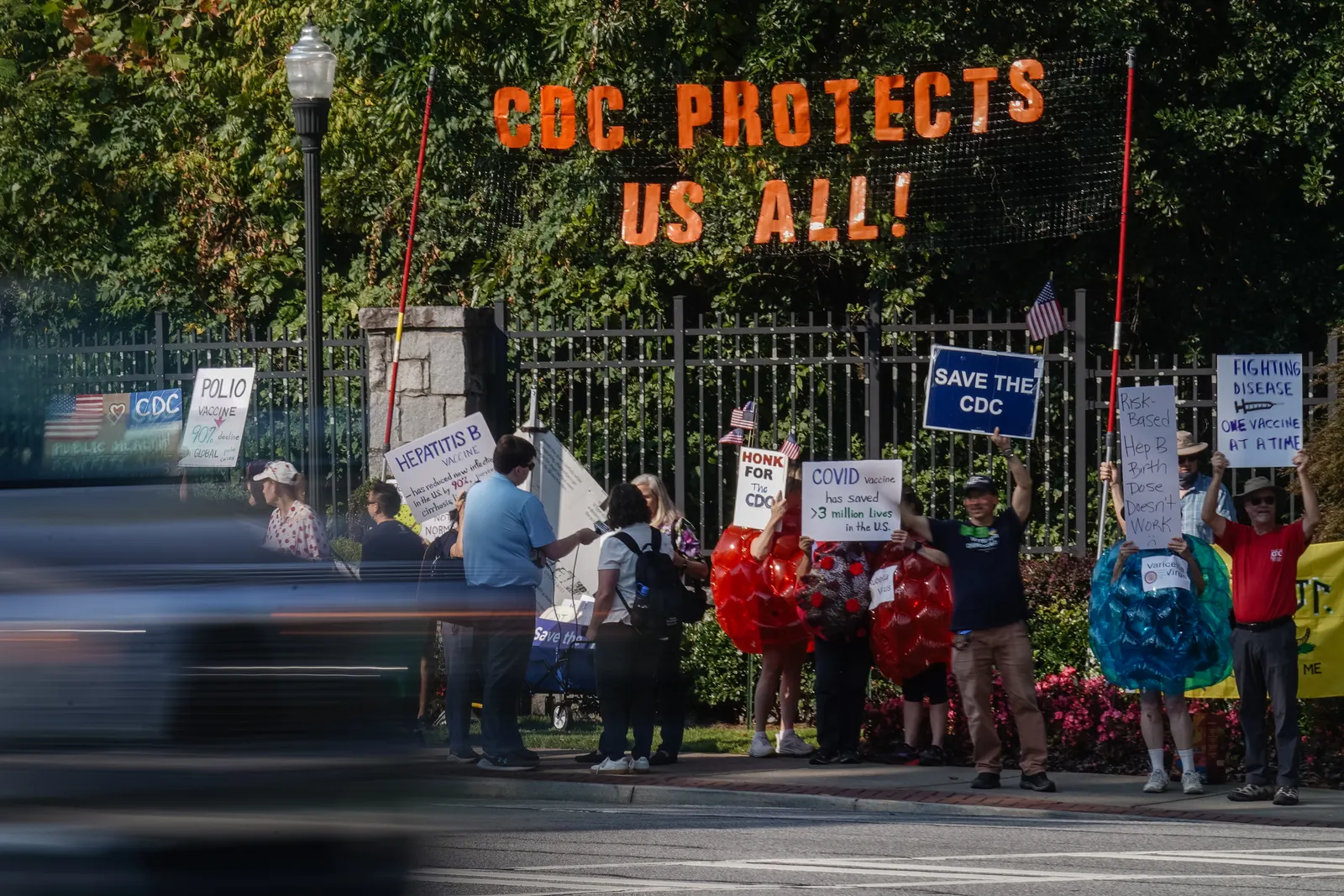
Growing distrust
The CDC’s transformation has disrupted the way the U.S. issues health guidance to the public.
Already, multiple medical groups, including ACOG, the Infectious Diseases Society of America and the American Academy of Pediatrics have put forward their own vaccination recommendations. Several states have rejected official CDC vaccine guidance, too. And other initiatives, like the nonprofit Vaccine Integrity Project, have emerged to, as its executive director Osterholm says, “do the work” ACIP and its work groups had been known for.
“I think there's a pretty universal acceptance out here that the ACIP’s recommendations are seriously flawed and not based on good science,” he said. “So I think you're going to continue to see the medical community supporting this alternative approach.”
Nixon refuted this, saying, “At each meeting, the ACIP committee conducts a thorough review of the scientific evidence presented by experts and engages in open, substantive debate before voting.”
A lawsuit brought on by several medical organizations also resulted in a federal court recently blocking the changes the CDC made to the vaccine schedule. That decision also halted all of ACIP’s decisions and left unclear the next time the group will meet. Some published reports, as well as a post from a member, have indicated the current group may be disbanded. One member has already stepped down.
When asked if ACIP is or will be disbanded in the future, Nixon said, unless it is officially announced by HHS, “any assertions about what [HHS is] doing next is baseless speculation.”
Unfortunately, I think the worst is yet to come.
Kevin Ault
Vice president of the National Foundation for Infectious Diseases, former liaison and group member to ACIP.
The court decision represented a victory in the eyes of medical experts. But there are tough challenges ahead. For one, conflicting messages between the scientific community and federal government could deepen confusion among the American public and strain local and state health departments.
“That's going to continue to be an issue as the CDC continues to depart from evidence-based recommendations, and as that divide widens, it's going to become even more difficult for payers, for the public and healthcare providers to reconcile these differences,” Goad said.
Medical groups are also struggling to consistently refute government-endorsed recommendations that fly in the face of established science.
“I think the hardest part has been trying to educate or make the public aware of how far from procedure and evidence-based decision-making we've gone,” said Annicka Evans, a bioengineer and contractor for the Evidence Collective, a group of scientists and health communicators aiming to provide rapid, factual responses on public health issues.
Experts worry that lasting damage may have already been done. Recent polling from the independent media organization KFF showed that trust in the CDC is at its lowest point since the beginning of the COVID pandemic. A steady decline in vaccination rates has coincided with more severe flu seasons as well as a flurry of measles outbreaks that have threatened the disease’s elimination status in the U.S.
“I think what scares me is being able to make sure that we can bring people back to trusting in [HHS leadership] when the time is right,” Evans said.
Nixon, however, said the decline in trust started “long before the Trump Administration.”
“Secretary Kennedy’s mandate is to restore transparency, scientific rigor, and accountability so trust can be earned back. We’re restoring rigor, transparency, and accountability to public health decision-making, and that’s exactly how you rebuild trust,” he added.
Ault worries, though, that the damage may have already been done regarding the spread of preventable diseases. He warned, “Unfortunately, I think the worst is yet to come."