Dive Brief:
- Genetic medicines maker BreezeBio said Wednesday it raised $60 million in a Series B round, backed by more than a dozen investors across Asia and the U.S.
- Formerly known as GenEdit, the South San Francisco, California-based startup was built around an alternative method of delivering gene-based medicines that involves specialized nanoparticles. The company has changed its name to reflect a newfound push to develop its own treatments, with a focus on autoimmune diseases and oncology.
- BreezeBio’s lead program, codenamed BRZ-101, is designed to coerce the body into stifling the damaging autoimmune response in Type 1 diabetes. The company is advancing that therapy this year into the final preclinical studies that come before human testing.
Dive Insight:
BreezeBio has spent a decade sharpening a delivery technology it refers to as “NanoGalaxy.”
Founded by CEO Kunwoo “Ryan” Lee and other researchers at the University of California, Berkeley, the startup was one of many to emerge with plans to broaden the reach of genetic medicine. Its goal was to develop a new way to send genetic cargo into the body — one that could break beyond the limitations of modified viruses or tiny lipid spheres.
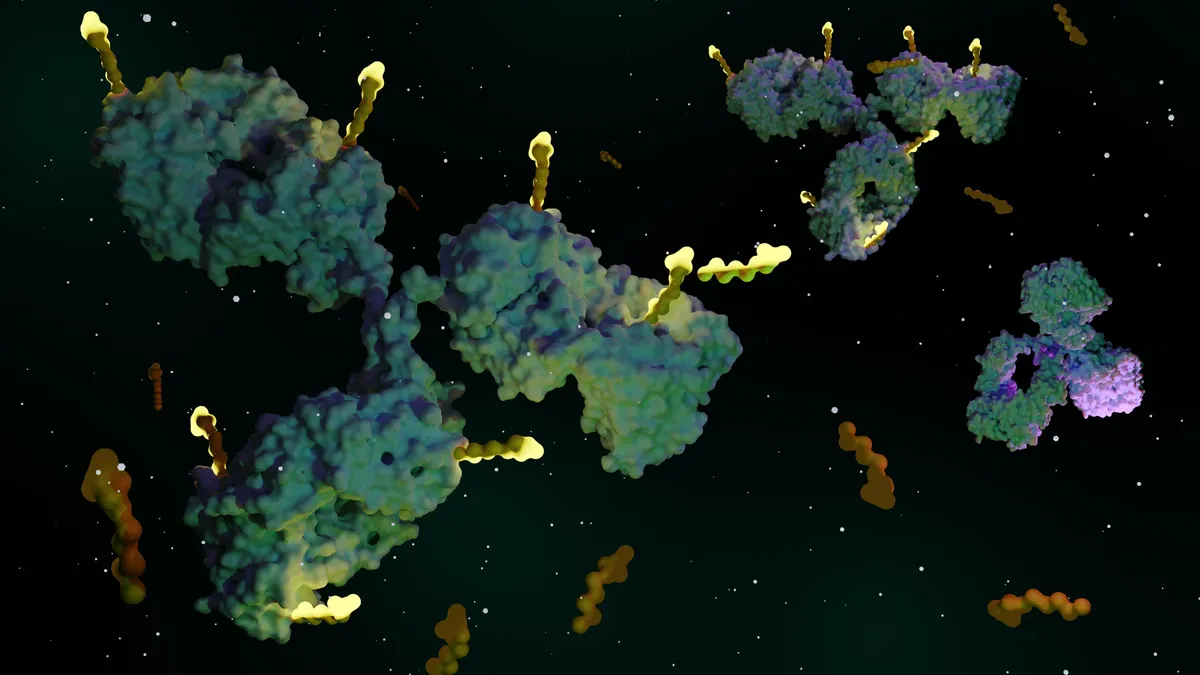
As GenEdit, the company made progress on that front. It developed specialized polymer nanoparticles — now known as NanoGalaxy — able to shepherd genetic instructions to a range of different tissues in the body. Notably, those particles can be designed to precisely target specific organs, and have the potential to be dosed multiple times. The approach caught the attention of Sarepta Therapeutics, Editas Medicine and Genentech, all of which signed collaboration deals with the company.

According to Lee, that work encouraged the startup to change course to develop its own therapies. The company raised funding to support that effort and has set its sights on autoimmune disease, an area it’s been focusing on with Genentech.
"The biggest impact everyone is looking for is delivering therapeutics that can change the patient's life," Lee said. "We have been doing it with our partners, but now with the additional capital, we are going to our own pipeline as well."
BRZ-101 effectively delivers into certain immune cells blueprints for antigens and other substances that promote immune tolerance. Those cells then train the body to “oppress” the destructive inflammation occurring in Type 1 diabetes, Lee said. Type 1 diabetes occurs when the immune system mistakenly wipes out insulin-producing beta cells. No curative treatment currently exists.
The Series B cash will also help BreezeBio broaden its technology, so it can start developing “in vivo” cell therapies as well. Such capabilities have become increasingly popular of late among both young biotechnology companies and large pharmaceutical firms seeking new ways to treat autoimmune conditions.
The funding round was co-led by Yuanta Investment and DSC Investment, and included firms such as SV Investment, Kiwoom Investment and Dayli Partners.