Claris Biotherapeutics has netted $118 million and hired new chief executive and chief commercial officers to support its bid to develop an experimental eye drug, the New Jersey biotechnology company said Tuesday.
Samsara BioCapital and Catalio Capital Management co-led the Series B round, which included a number of other investors such as Sofinnova Investments and Novo Holdings. Claris will use the funds to propel its prospect into late-stage testing early next year for people with a blinding condition called limbal stem cell deficiency.
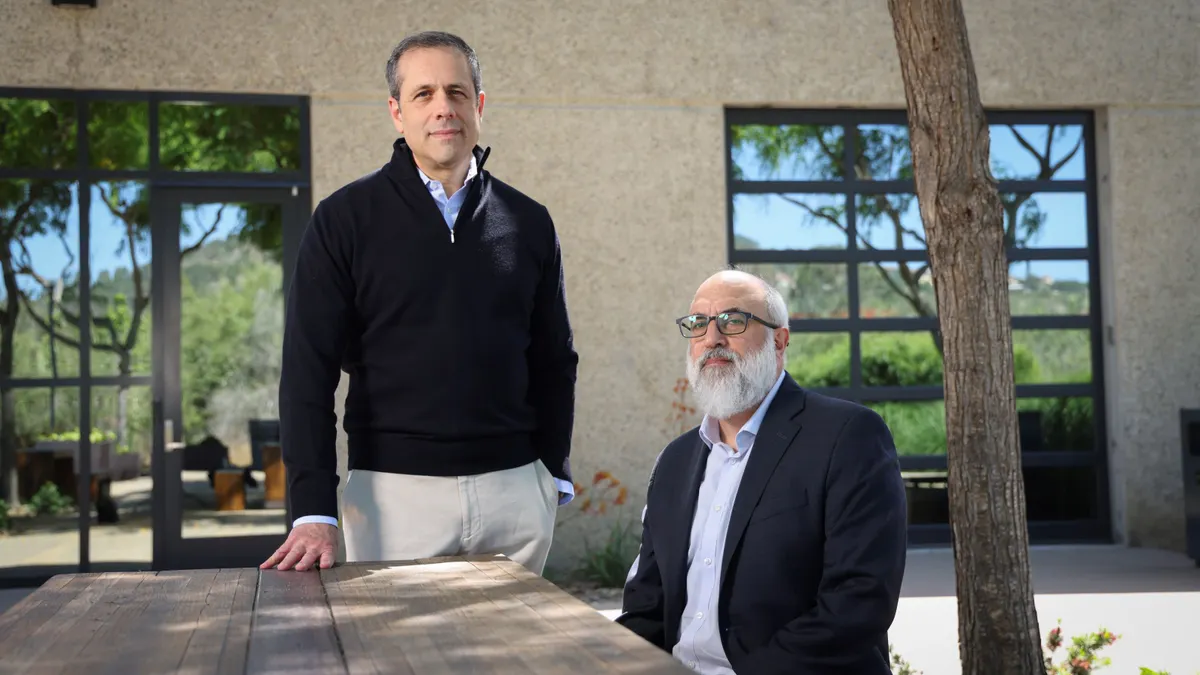
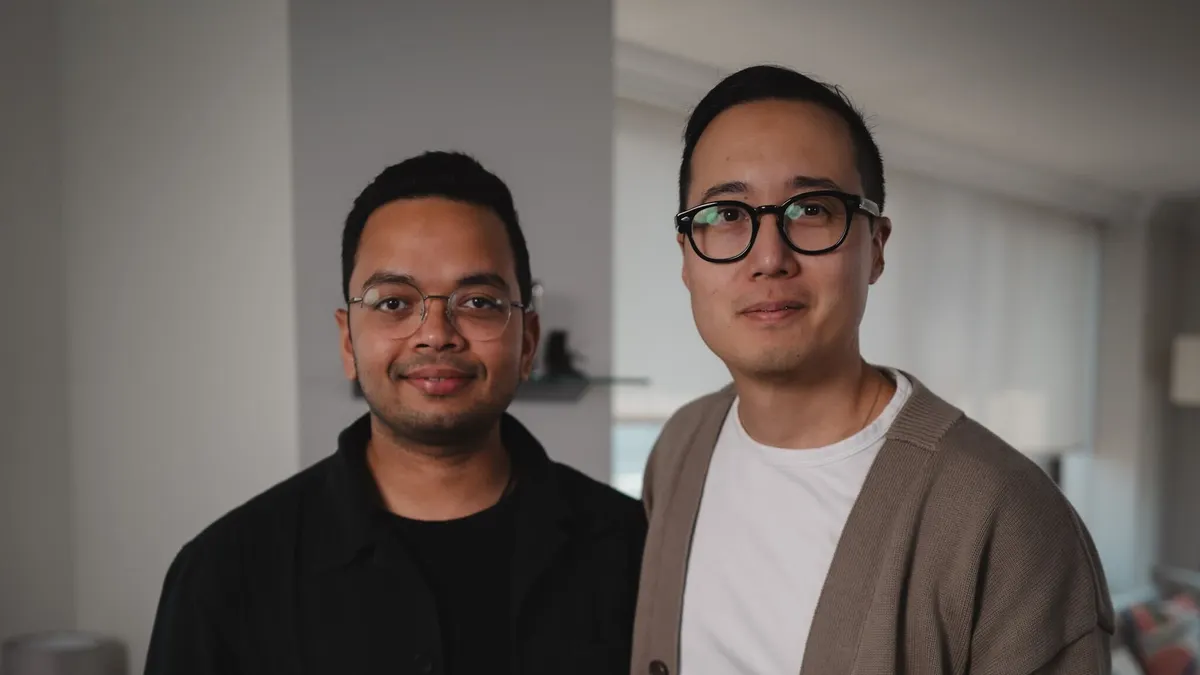
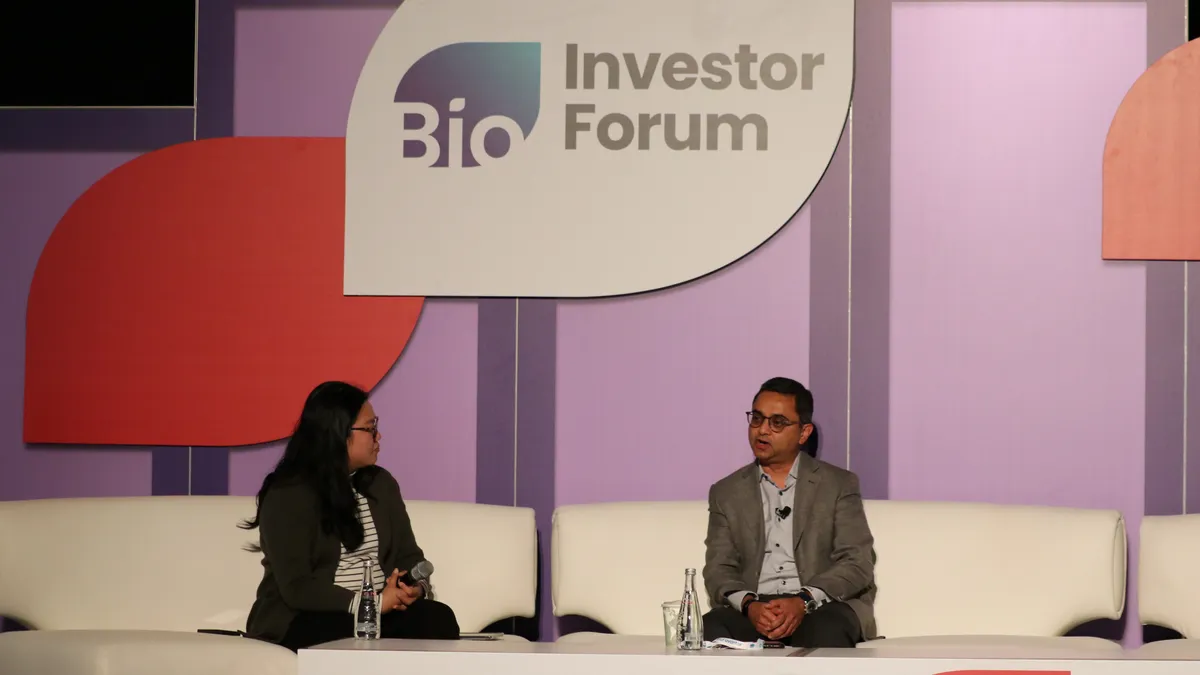
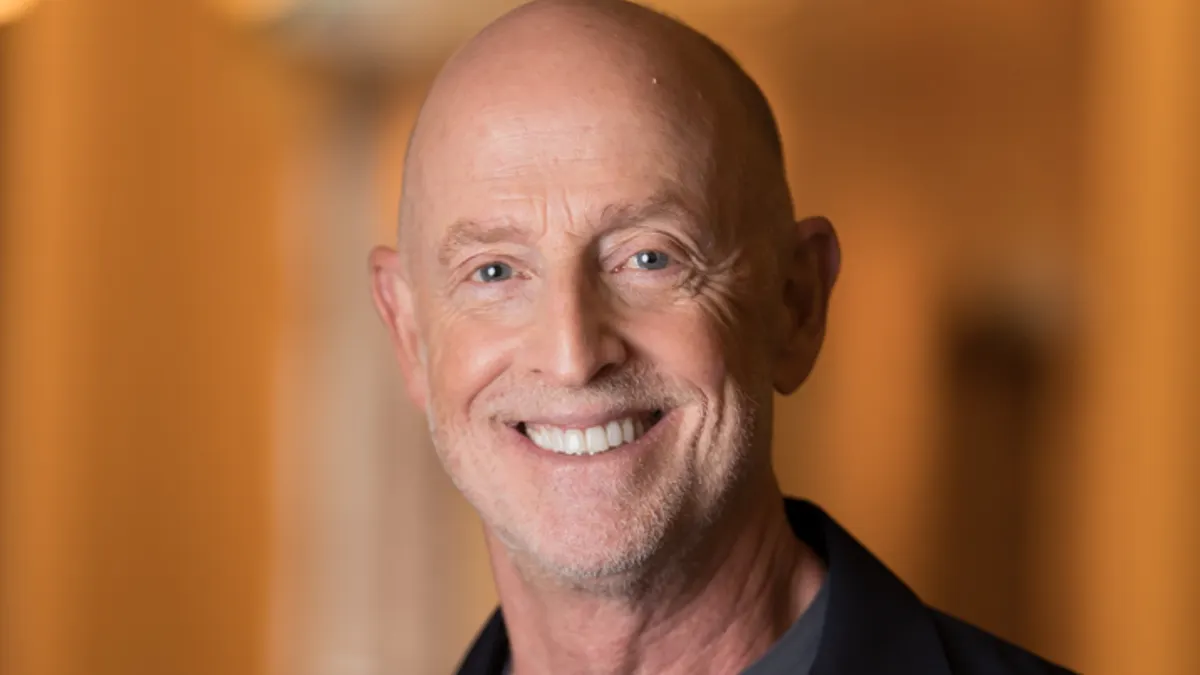
“What's happening in ophthalmological indications is that people are realizing that the opportunities in this are significant,” said Stephen Brady, the newly minted CEO of Claris.
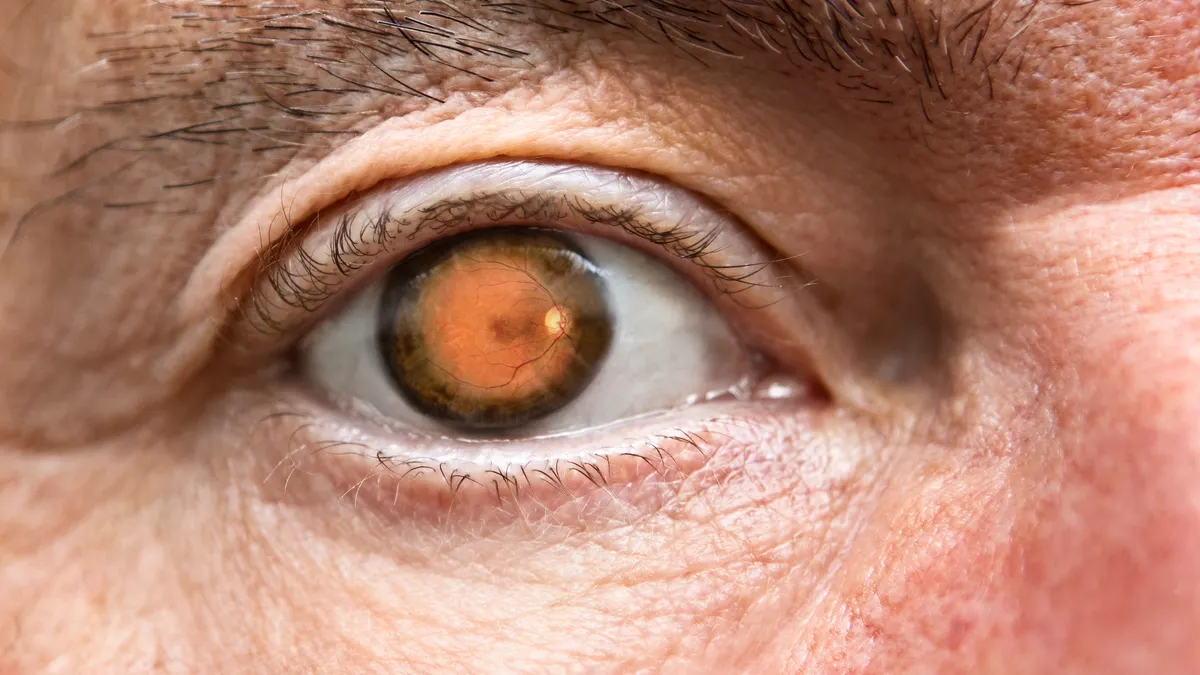
Limbal stem cell deficiency, or LSCD, occurs when the eye’s “limbal” stem cells are so damaged or depleted they can’t repair the outermost layer of the cornea. It can be caused by trauma to the eye — such as from a chemical burn or ocular surgery — or emerge via collateral damage from autoimmune conditions.
Some estimates hold that at least 30,000 people in the U.S. are diagnosed with LSCD and being actively treated. Claris believes that more than twice that number actually have the condition, which is difficult to diagnose as it shares a range of symptoms — like pain, chronic irritation and blurry or reduced vision — associated with other eye conditions.
No medications are specifically approved to treat LSCD. Milder cases can be managed with the help of specialized lenses, topical steroids or lubricating eye drops. More severe ones typically require surgical interventions such as stem cell transplants.
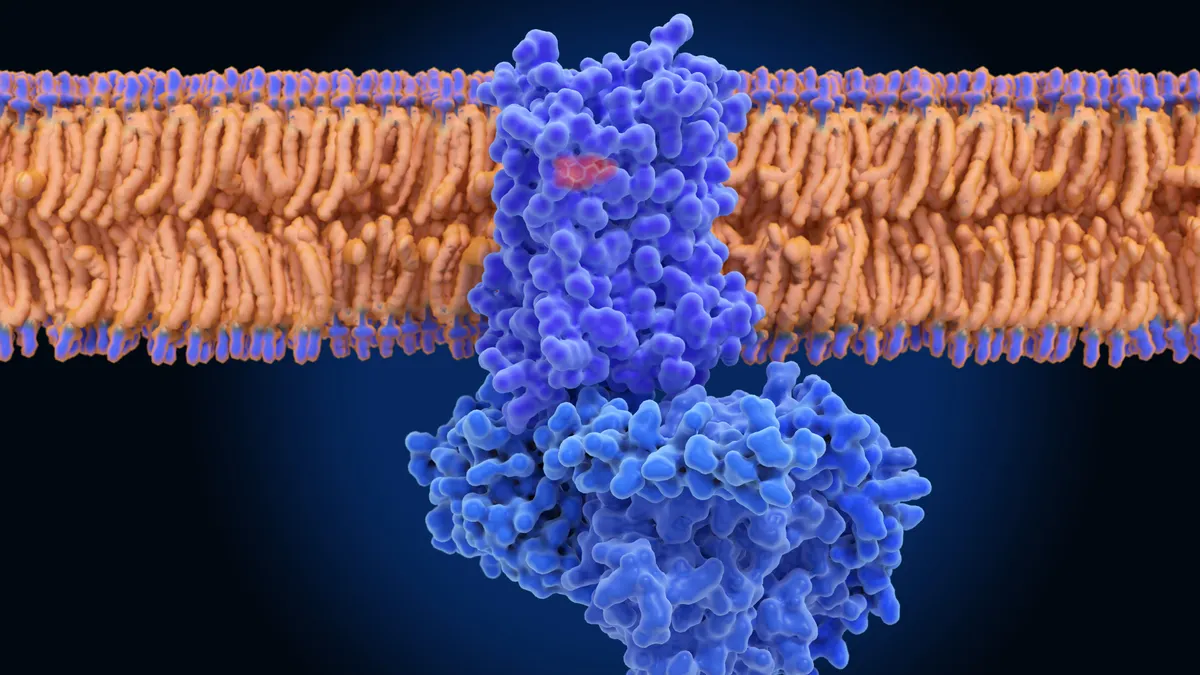
Claris is hoping to add its prospective treatment to the mix. Dubbed CSB-001, the drug targets “hepatocyte growth factor,” a protein that helps protect and repair various tissues and organs. It was discovered by Japanese biotech Kringle Pharma, which is developing the treatment for acute spinal cord injuries and other conditions.
Claris licensed rights to the therapy in eye diseases in 2020 and, four years later, emerged from stealth with a $57 million round to advance CSB-001 in neurotrophic keratitis. Though it didn’t succeed in that indication, researchers saw a “meaningful” improvement in other patients, leading the biotech to pivot development toward LSCD, Brady said.
The startup’s investors believed that “not only do these data warrant a significant infusion of capital, we also needed to beef up the team,” Brady said. Data from a proof-of-concept study in LSCD are expected later this year.
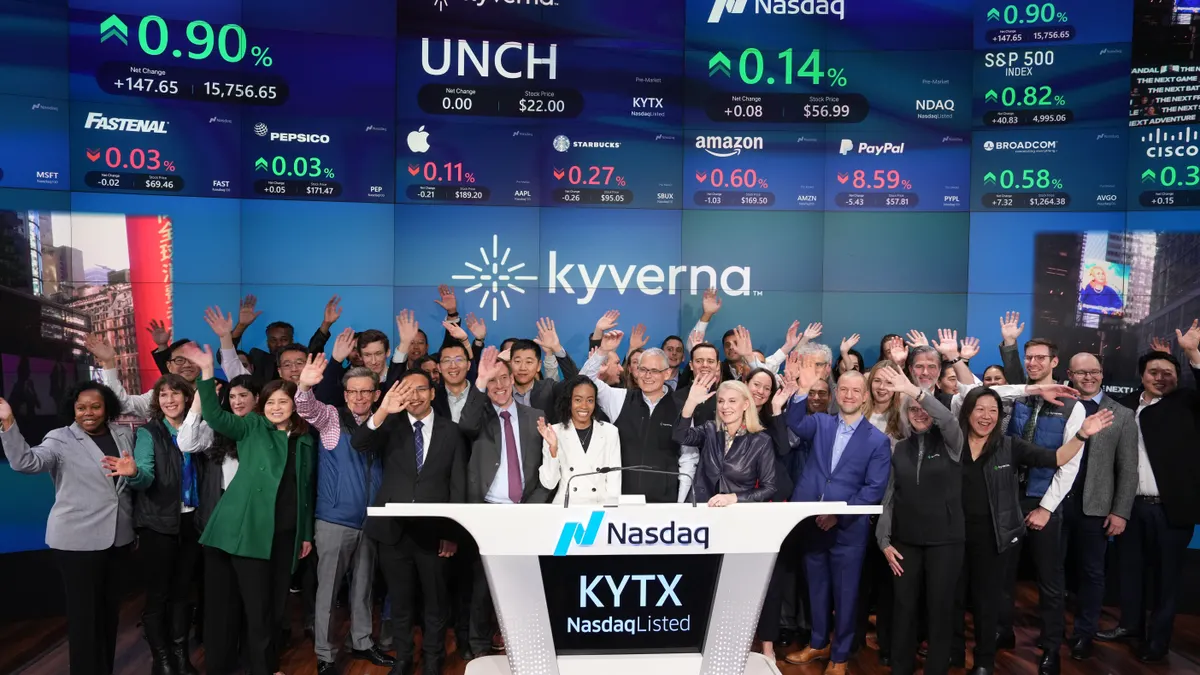
With larger studies on the horizon, Brady said Claris is now considering a possible run at the public markets and discussing commercialization plans. “The sales force and U.S. build is not dramatic,” he said.
Brady has multiple decades of industry experience, including positions at two biotechs — Immune Design and Proteolix — that were sold to larger drugmakers. Most recently, he ran Tempest Therapeutics, which changed course and shook up its executive suite last year.
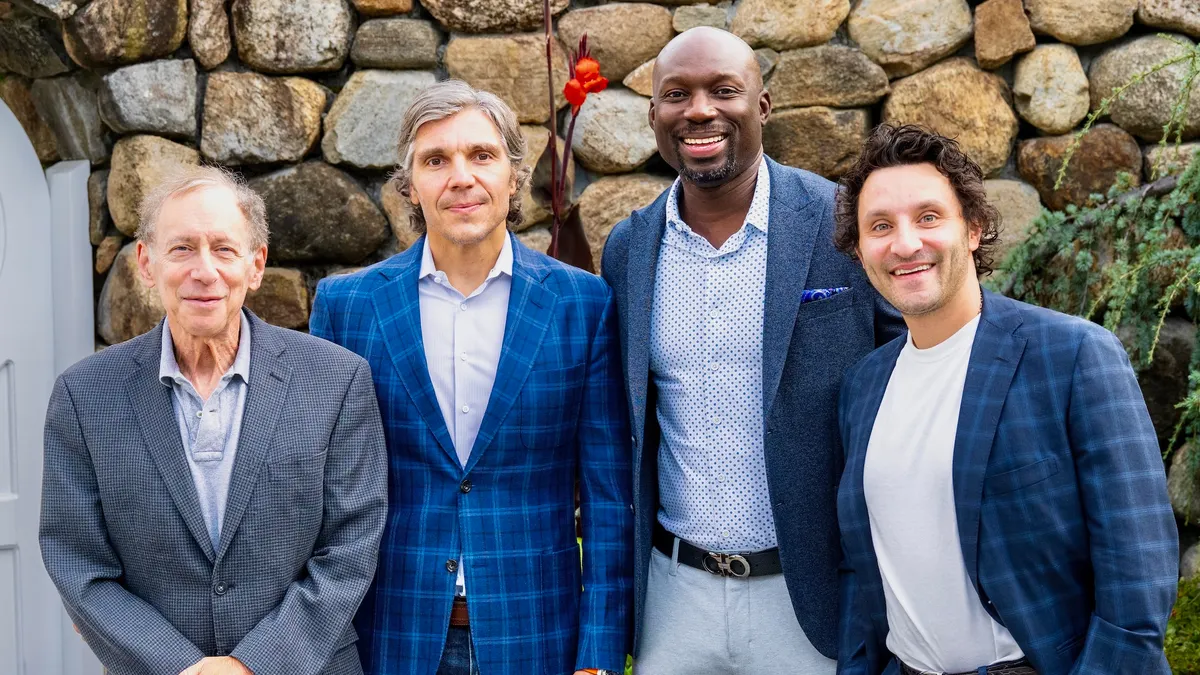
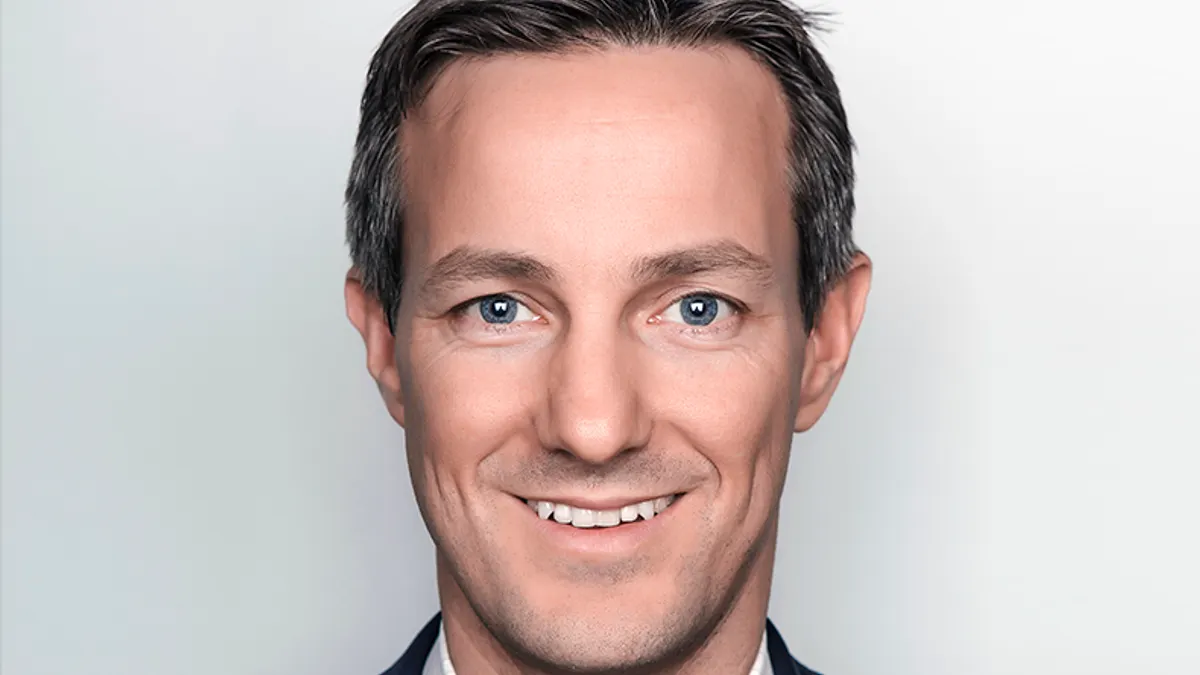
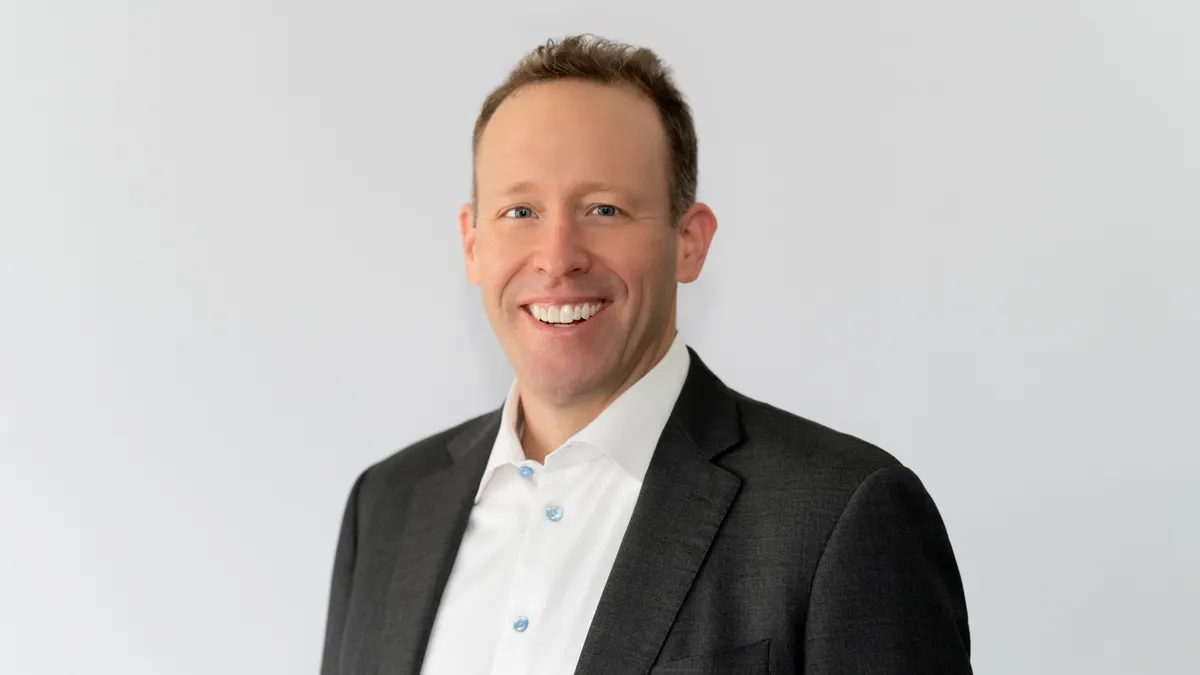
Claris, meanwhile, also named Marc de Garidel, Abivax’s CEO, as its board chair and Brian Baum, a veteran of another eye drugmaker Dompé Pharmaceuticals, as its new chief commercial officer. Under Baum, Dompé brought to market an eye drug called Oxervate for neurotrophic keratitis, which has no other approved treatments in the U.S.