Dive Brief:
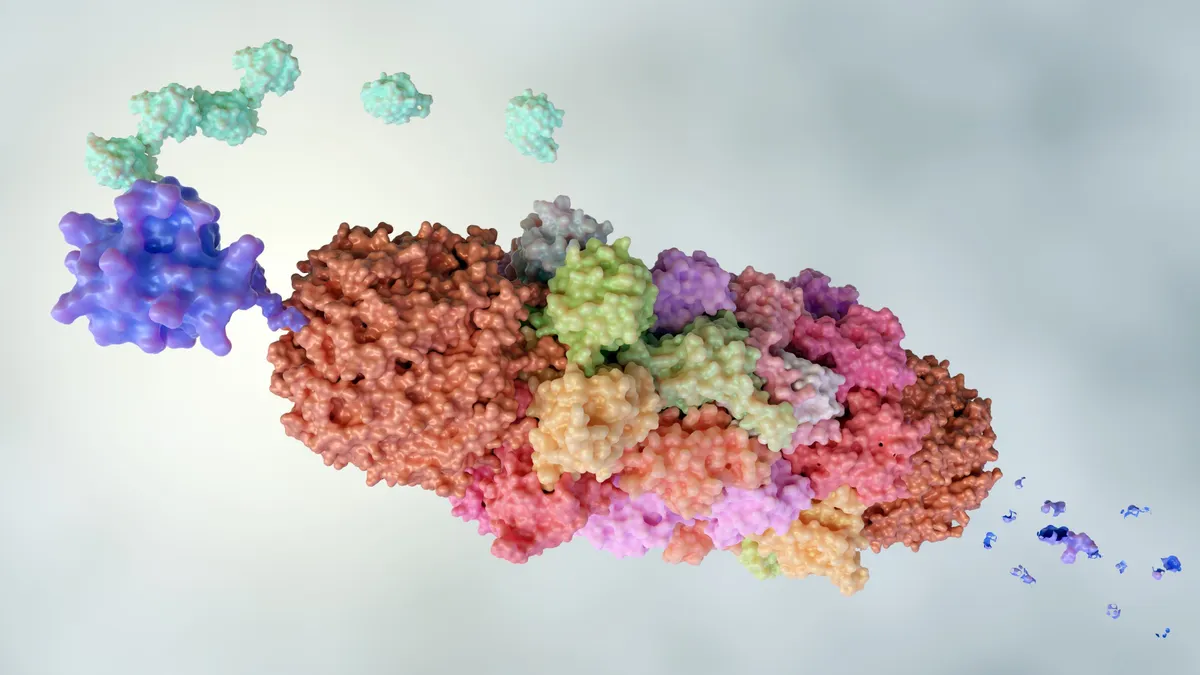
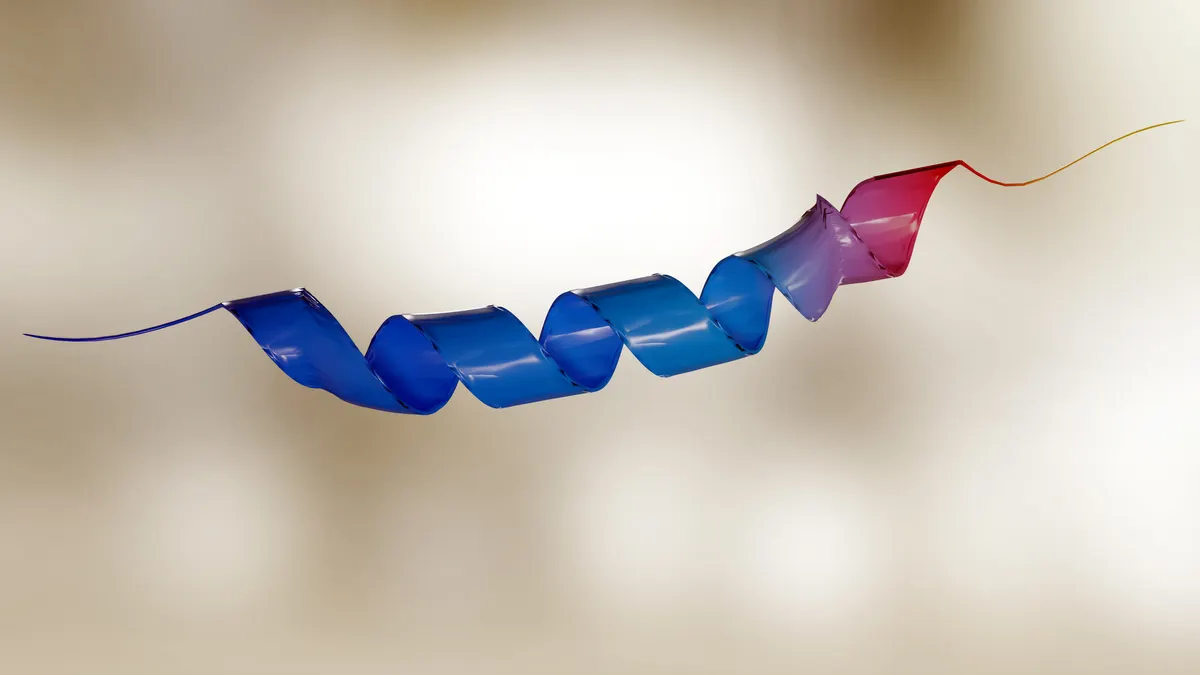
- Eli Lilly’s experimental obesity pill orforglipron helped people maintain their weight following a 72-week course of the GLP-1 shots Zepbound or Wegovy in a Phase 3 clinical trial, opening up a potential new use for drugs of its kind.
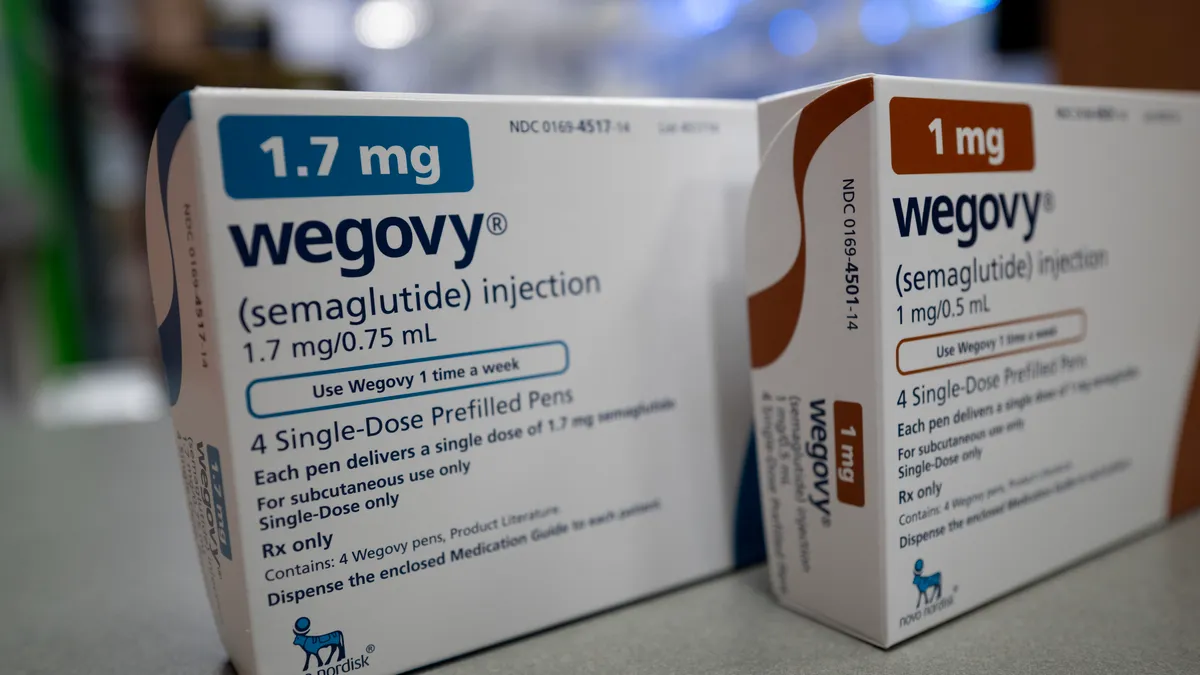
- People taking orforglipron after Wegovy gained less than one kilogram over the span of a year, while those who got Zepbound regained five kilograms. Both ended up at the same average at the end of the study period, however, and placebo recipients regained more than nine kilograms before being offered “rescue” orforglipron.
- Lilly also said it has officially asked the Food and Drug Administration to approve orforglipron. The pill was awarded one of the FDA’s new “national priority” vouchers, making a decision likely within weeks rather than the standard six to 10 months.
Dive Insight:
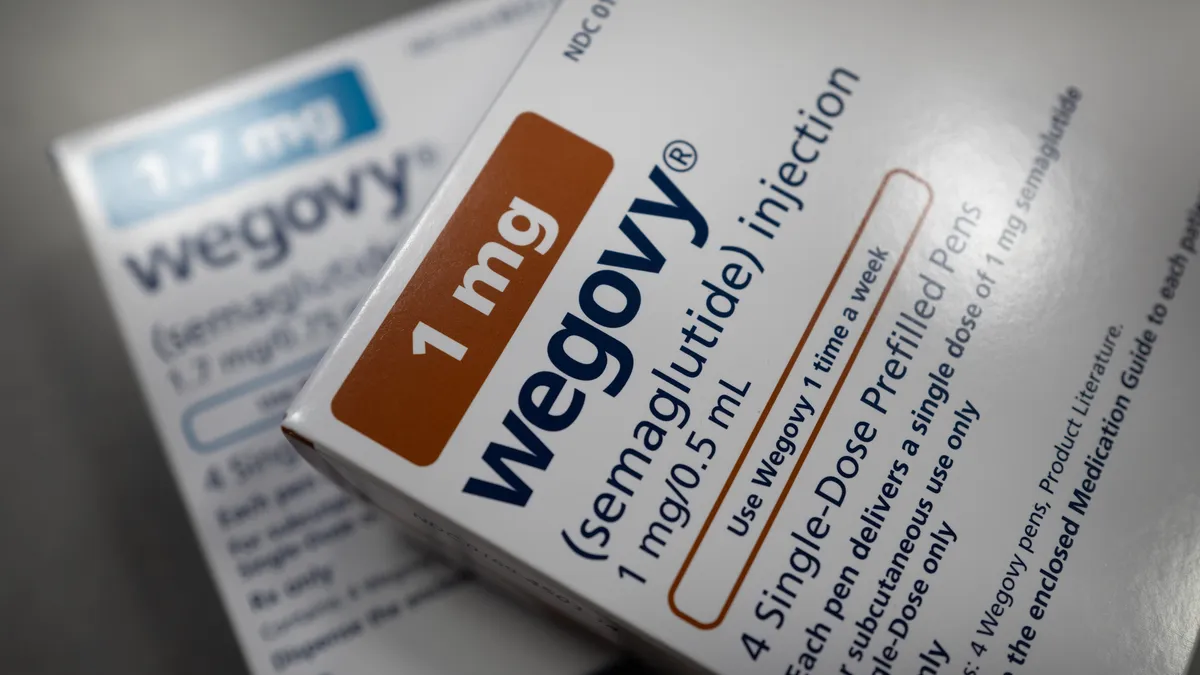
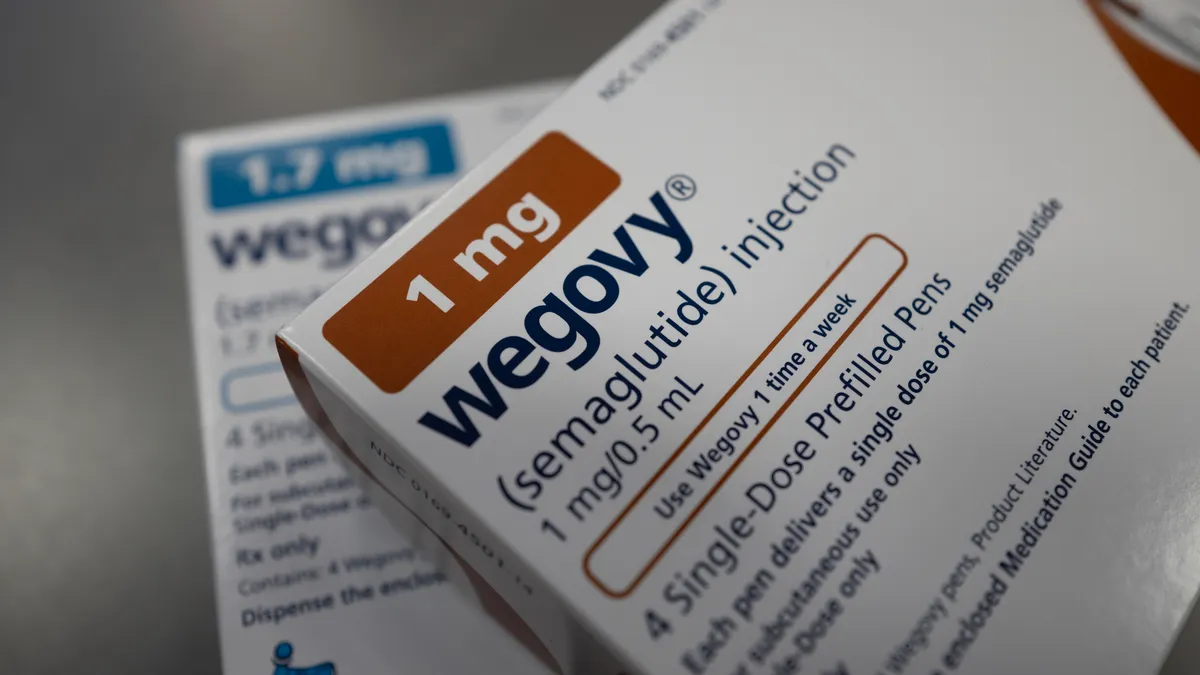
Lilly’s top rival Novo Nordisk submitted an oral version of Wegovy to the FDA close to April, meaning the two competing pills could reach the market around the same time. Novo had at least a four-month lead when Lilly said it intended to seek an approval, but the new voucher — part of a widely scrutinized pilot program that’s drastically speeding up some drug reviews — mitigates that advantage and could potentially shift millions of dollars in revenue Lilly’s way.
With its latest trial, Lilly appears to be aiming for wider use of its pill. As an initial therapy, orforglipron helped people with obesity lose around 12% of their body weight at the highest dose. That result fell short of the potency seen with injectable drugs and led some analysts to question its market prospects. Still, many people may prefer a pill over a weekly shot, and weight “maintenance” is currently an unmet need.
Published research has shown that people who stop taking “incretin” drugs like Wegovy and Zepbound regain weight. Adherence is low, too, with some studies showing as many as half of people stop taking treatment after 12 months. The data released Thursday suggest orforglipron might help, and a quick clearance could prompt doctors and patients to begin using it right away, even if an FDA approval in the maintenance setting isn’t immediately granted.
The trial offered enrollees in a different study comparing Zepbound to Wegovy an opportunity to be re-randomized to take orforglipron or a placebo for another year.
After the initial trial, people who got Zepbound weighed an average of 90.9 kilograms and those who got Wegovy weighed 95 kilograms, compared to averages of 118.5 and 113.8 kilograms, respectively, at the study’s start. At the end of the orforglipron study, people in both groups weighed a mean of 95.9 kilograms.
Lilly and Novo cut pricing deals with the White House in November, through which they pledged to sell starter doses of their pills at no more than $149 per month. Those agreements could open up access to 40 million more people, Wall Street analysts have said.