Healthcare Dive, MedTech Dive and BioPharma Dive collaborated on this five-part series examining changes at the HHS one year after sweeping layoffs. The series explores impacts across the department and provides inside looks at the CDRH, CMS, CDC and FDA.
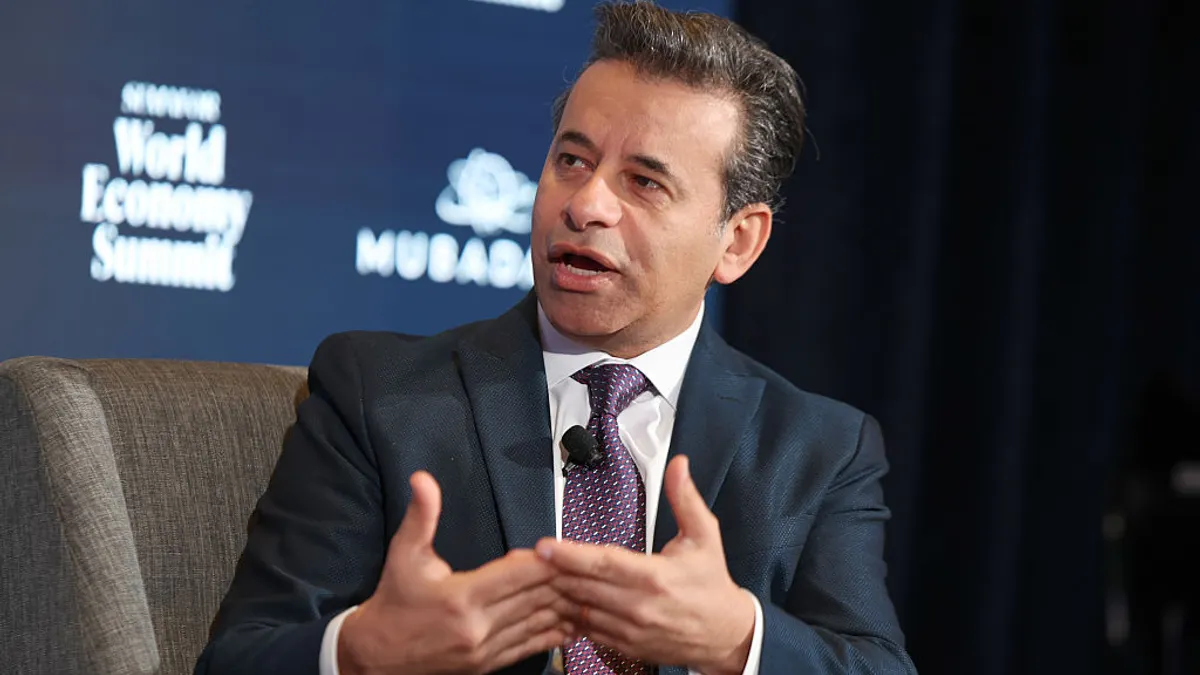
Marty Makary took over the Food and Drug Administration last year with a missive from President Donald Trump. The agency no longer had “the trust of Americans” and lost sight of “its primary goal as a regulator,” Trump said. It was the job of Makary, a former Johns Hopkins University surgeon, to change that.
Unlike some of Trump’s other selections, Makary was seen by biopharmaceutical industry watchers as a traditional choice as the FDA’s next leader. He sailed through a Congressional confirmation last March, and vowed at the time that agency staff would have “all the resources to do their job well” despite a wave of layoffs ordered by the administration.
Yet what has followed is a year of unusual turmoil. Over the course of Makary’s tenure, the FDA has undergone a series of erratic leadership changes that have left drugmakers guessing about its direction. Many have accused the FDA of backtracking on past agreements by rejecting or delaying new therapies, situations that have drawn scrutiny from lawmakers, conservative pundits as well as the White House and frustrated the investors backing biopharma companies.
Drug development is an expensive, risky endeavor that involves years of work and careful coordination with regulators on a clinical testing plan. Any indication that agreements between companies and the FDA aren’t ironclad could imperil future research.
Industry watchers are paying close attention. In a survey conducted by analysts at RBC Capital Markets late last year, biopharma investors circled regulatory uncertainty as the sector’s biggest issue going forward.
“We’re talking about investments of millions if not billions of dollars, and organizations need some kind of predictability about what the rules are,” said Michael Abrams, managing partner for the consulting firm Numerof who has advised companies on drug development strategies. “That it is one more handicap for the industry, and the industry has unfortunately been the target of many handicaps over the past year.”
In response, Health and Human Services spokesperson Andrew Nixon rejected those criticisms, saying “There has never been an FDA Commissioner that has acted as quickly as Dr. Makary to deliver win after win for the American people.”
Leadership volatility
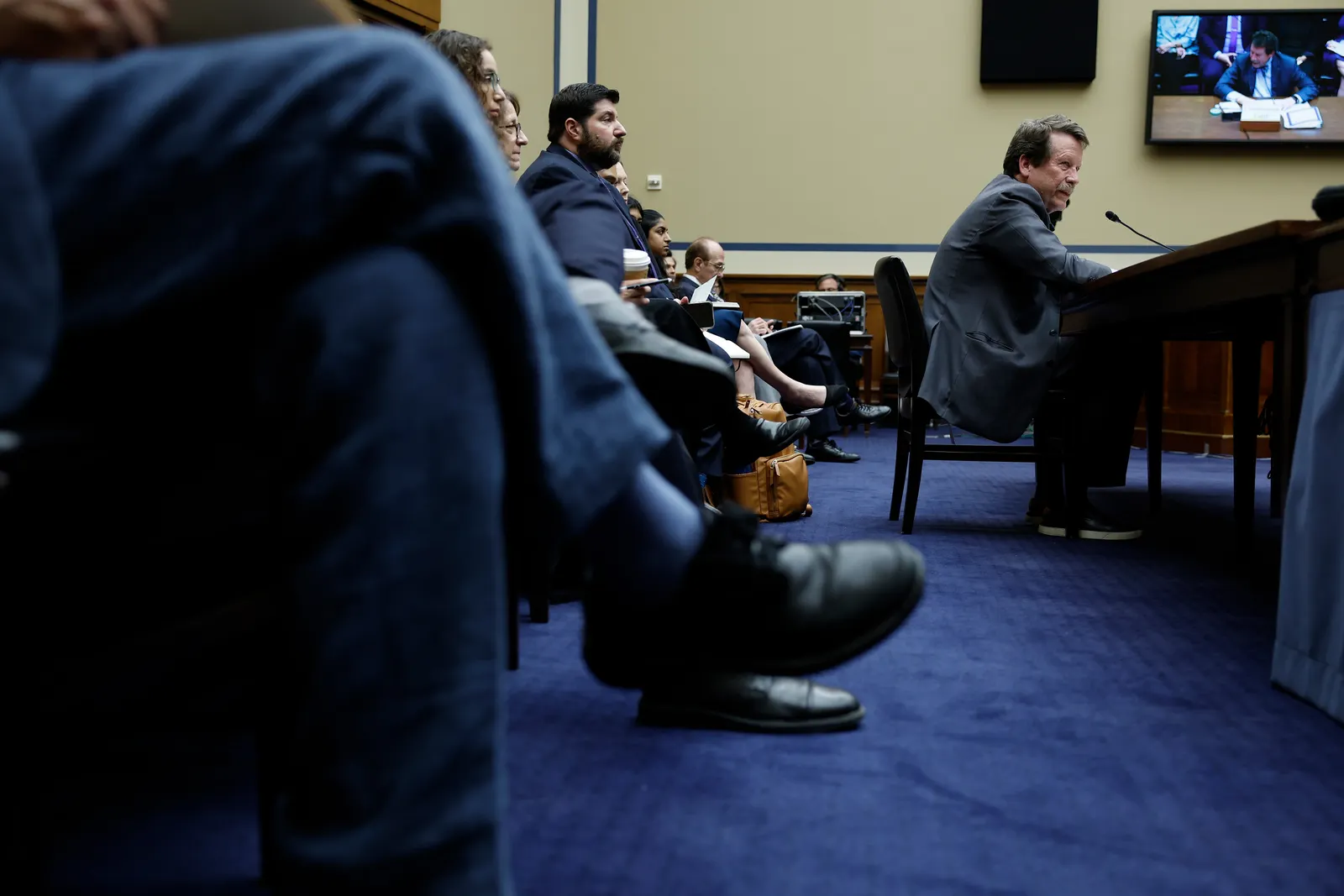
The upper ranks of the FDA were already upended in the period leading up to Trump’s inauguration. But that pace of change has continued afterwards, and though some of the turnover was commonplace — such as Makary’s immediate predecessor, Robert Califf, stepping down — much has involved the departures of seasoned reviewers the agency has struggled to backfill.
One of the FDA’s main review offices, the Center for Drug Evaluation and Research, is currently on its fifth director since January 2025. CDER’s current leader, Tracy Beth Høeg, isn’t an agency veteran and, for now, is serving as an “acting” director. The FDA’s other big drug evaluation office, CBER, has seen its lightning-rod director, Vinay Prasad, twice step down over the course of a year.
The FDA's year under Marty Makary
Along the way, the FDA has lost experienced regulators like former senior CBER officials Peter Marks and Rachael Anatol, and CDER figures Richard Pazdur and Jacqueline Corrigan-Curay. With their departures, years of drug-review experience and institutional memory have walked off the White Oak campus.
These changes have lowered confidence in FDA decision-making and stoked fear among investors, said RBC Capital Markets analyst Brian Abrahams. “Anytime there’s volatility in leadership and uncertainty around development, it adds risk to the drug development process and it adds risk to these investments,” he added.
Nixon, the HHS spokesperson, pointed to the FDA’s bid to hire 1,000 more reviewers as a sign that the agency will stay on time and remain consistent in its decision-making process. “The FDA received over 11,500 applications for these positions, showing the tremendous interest that individuals have in helping transform the agency,” he said.

Policymaking in public
Prasad was given unusually broad powers within the FDA, with Makary naming him not only CBER director but the agency’s chief medical and scientific officer as well. During his tenure, he and Makary adopted a public-facing, shoot-from-the-hip management style that only added to investors’ angst and, in Prasad’s case, reportedly contributed to a toxic work environment. Both FDA leaders had made frequent media or podcasting appearances before joining the agency. They continued to take a forward-facing approach afterwards.
This decision was part of a plan to increase agency transparency, an objective that, in certain cases — such as the FDA’s move to publicize drug rejection letters — has drawn praise. But that strategy has often resulted in significant policy pronouncements being disclosed in the pages of medical journals or even through social media or televised interviews, with key details from those initiatives coming later.
You don’t know if you’re going to wake up and an FDA official is going to be talking about a specific drug in a podcast or a LinkedIn post and the stock is going to be down 30%.

Brian Abrahams
Analyst at RBC Capital Markets
Agency leaders have taken the unusual step of discussing specific review cases publicly, too. In one case, George Tidmarsh, who had a short run as CDER director, criticized a marketed lupus medicine from Aurinia Pharmaceuticals. That incident reportedly triggered a lawsuit from Aurinia and led to his resignation amid an investigation by federal officials.
Then, in February, Makary discussed on CNBC an FDA application that was widely perceived to be for a gene therapy the biotech firm UniQure has been developing for the neurodegenerative disorder Huntington’s disease. UniQure claimed the FDA had flip-flopped in demanding more evidence for its treatment, turning the case into a high-profile dispute between the agency and a drugmaker. And while Makary didn’t mention UniQure by name, his comments sank company shares and were quickly followed by an announcement that the FDA would be requiring another clinical trial before considering approval.
Days later, an anonymous agency official widely speculated to be Prasad participated in a background interview with several journalists. That official further criticized UniQure and argued the company mischaracterized its interactions with the FDA. The agency announced Prasad’s pending departure shortly thereafter.
To Abrahams, the FDA’s push to make regulatory processes more transparent deserves praise. But he also viewed these kinds of incidents as evidence that “the pendulum [has] swung too far.”
“You don’t know if you’re going to wake up and an FDA official is going to be talking about a specific drug in a podcast or a LinkedIn post and the stock is going to be down 30%,” Abrahams said. “You have enough volatility and uncertainty in drug development. It doesn’t need to be exacerbated by unexpected regulatory communications outside of the normal paths.”
Transparency and regulatory relief
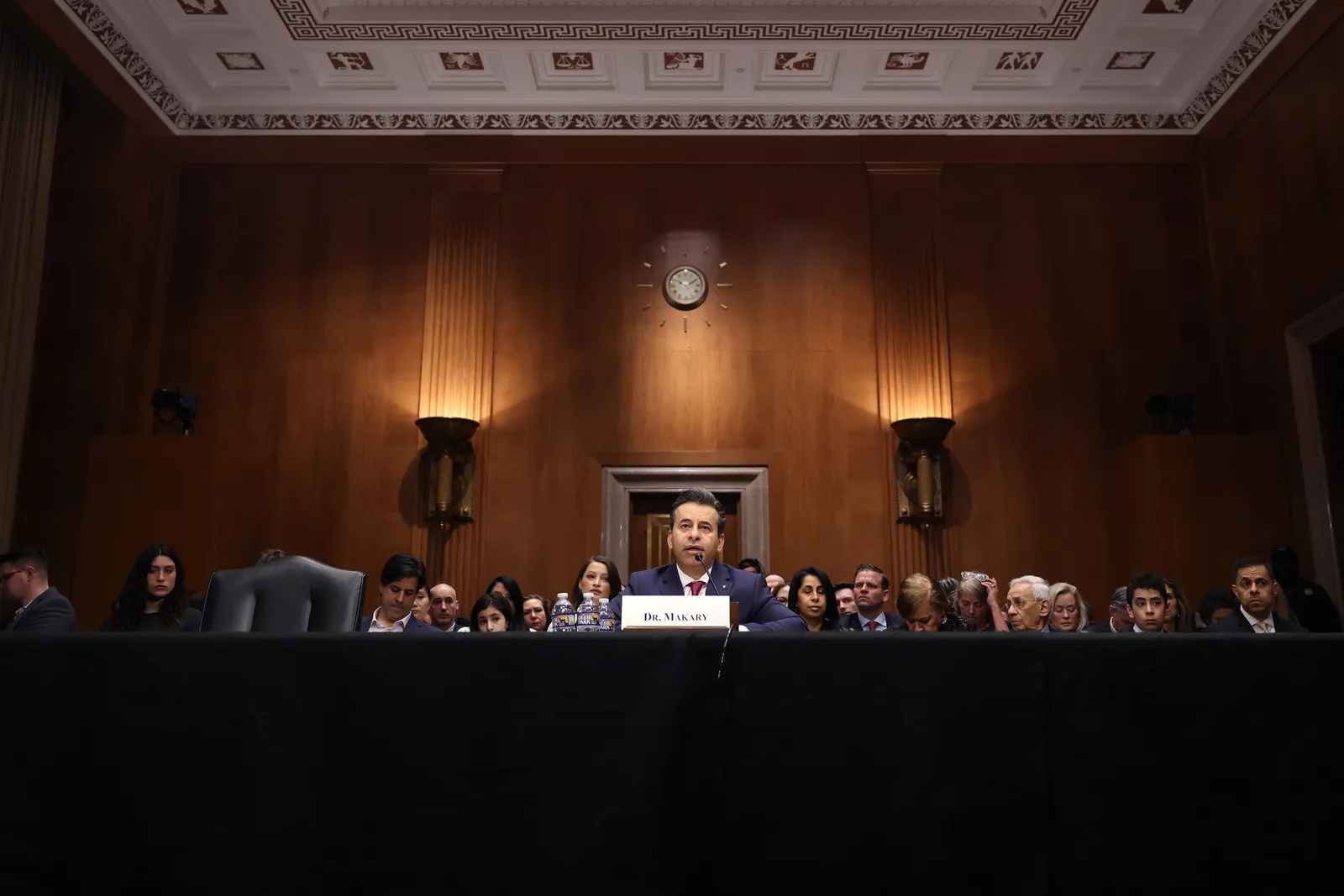
Abrahams and other industry watchers have lauded many of the initiatives Makary and Prasad have undertaken to streamline drug development.
A “national priority” voucher program can cut review times to mere weeks for some drugs that qualify. New guidelines have widened the types of evidence drugmakers can use to support rare disease drug applications. The “plausible mechanism” pathway could accelerate bespoke therapies that might otherwise have never been developed. And plans for the FDA, as a rule, to require only one large Phase 3 trial to support approvals instead of two could cut drug development expenditures and timelines.
But those initiatives have drawn criticism, too. Skeptics have argued that national priority vouchers could be used as political tools to gain favor with the White House. The FDA’s stated desire to speed rare disease treatments have conflicted, in many cases, with its actions. And, in practice, many medicines in recent years have sped to market with only one pivotal study, leaving more room for miscommunication between the agency and drugmakers.
“If I were a biopharma sponsor today and I was grappling with my registrational program and whether I should conduct one or two trials … I would go and have a formal meeting to discuss the registrational pathway and make sure you are aligned with the agency,” said Harpreet Singh, a former FDA oncology drug reviewer who is now chief medical officer at clinical research services group Precision for Medicine.
What’s more, the FDA has had less public debate about new medicines than in the past. These advisory committee meetings are an opportunity for FDA officials to discuss their questions about drugs they are reviewing with outside experts, and provide an important window into the regulator’s thinking.
Nixon said other “industry stakeholders” are not opposed to fewer advisory committee meetings because they “can be costly and time-consuming and, at times, may be perceived as more procedural than focused on scientific discussion.”
“Additionally, it is entirely up to the review team if they would like to convene an advisory committee,” he said.
Yet Prasad’s departure at the end of April could give the FDA a chance to reset — Makary has pledged to name a replacement before he leaves.
Abrams, of Numerof, said the agency has an opportunity to appoint in his place somebody who “knows how to manage change and manage the change incrementally” if the agency decides it needs to institute forthcoming policies Makary, Trump and Health and Human Services Secretary Robert F. Kennedy are advocating.
“Calming things down takes precedence over a lot of other things,” he said.