The CEO who helped guide development of the top-selling cell therapy for multiple myeloma will take the reins of a young startup searching the world for new drug prospects.
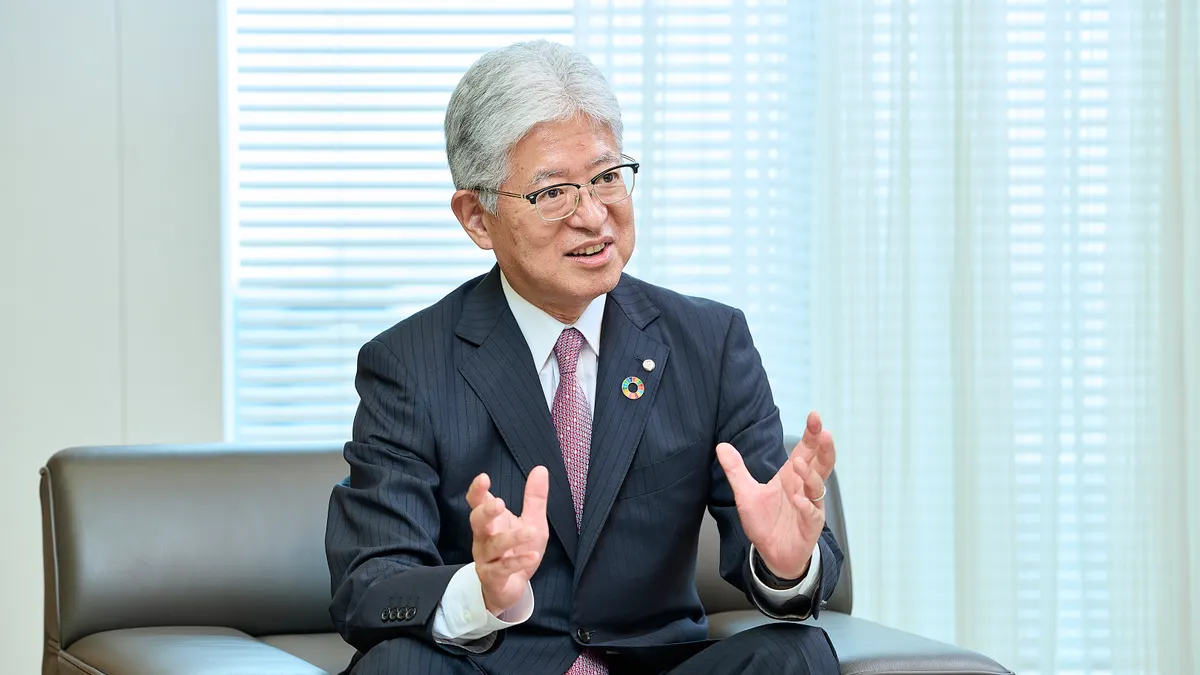
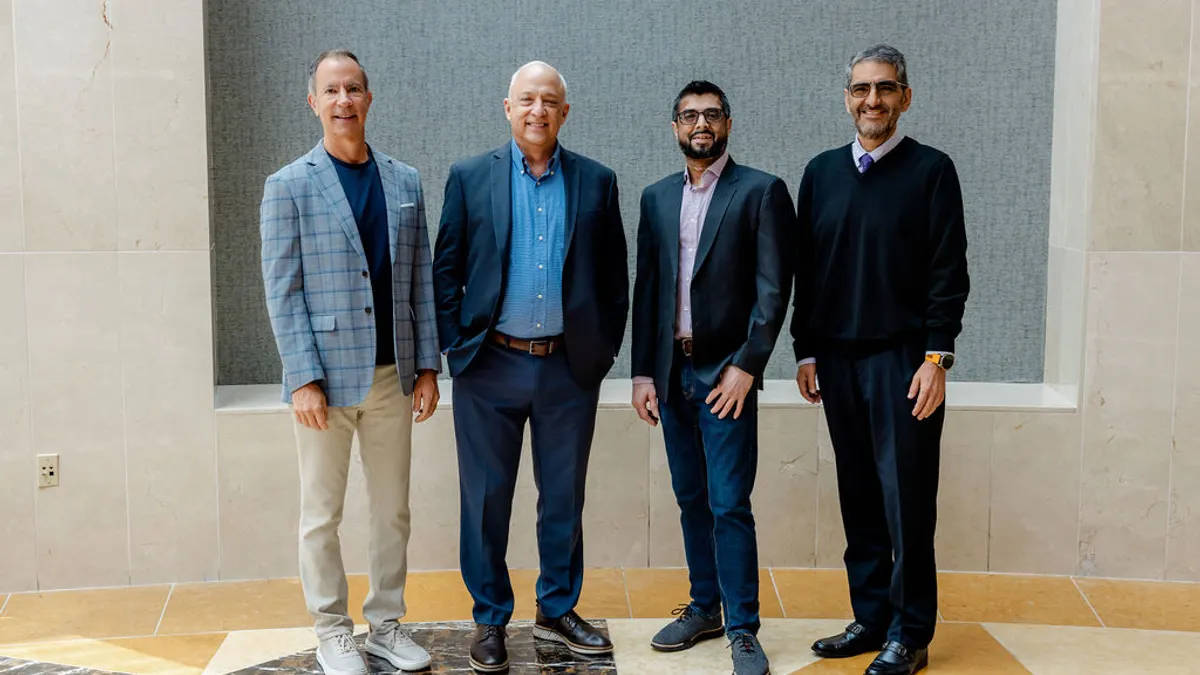
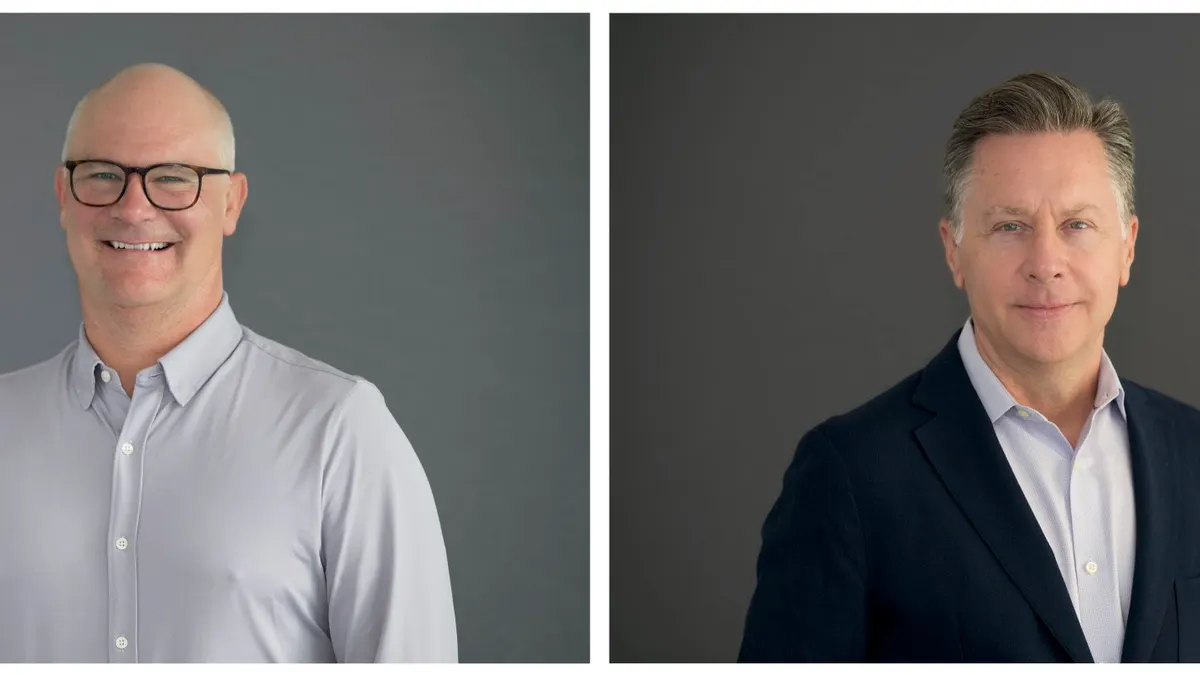
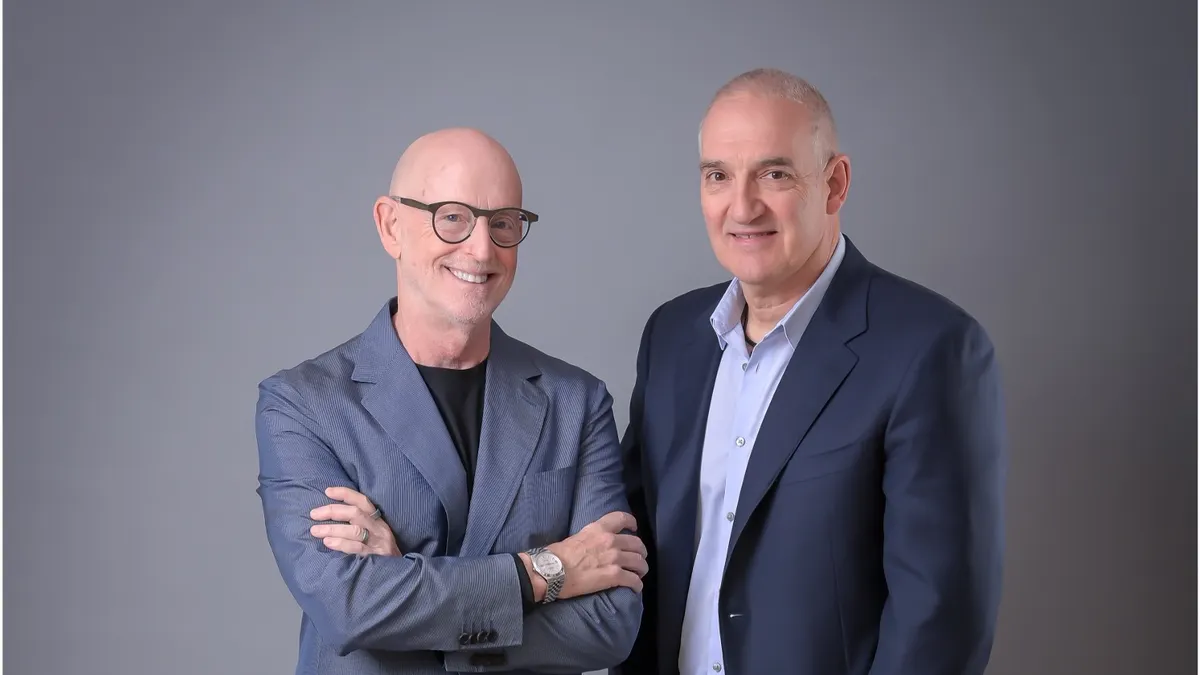
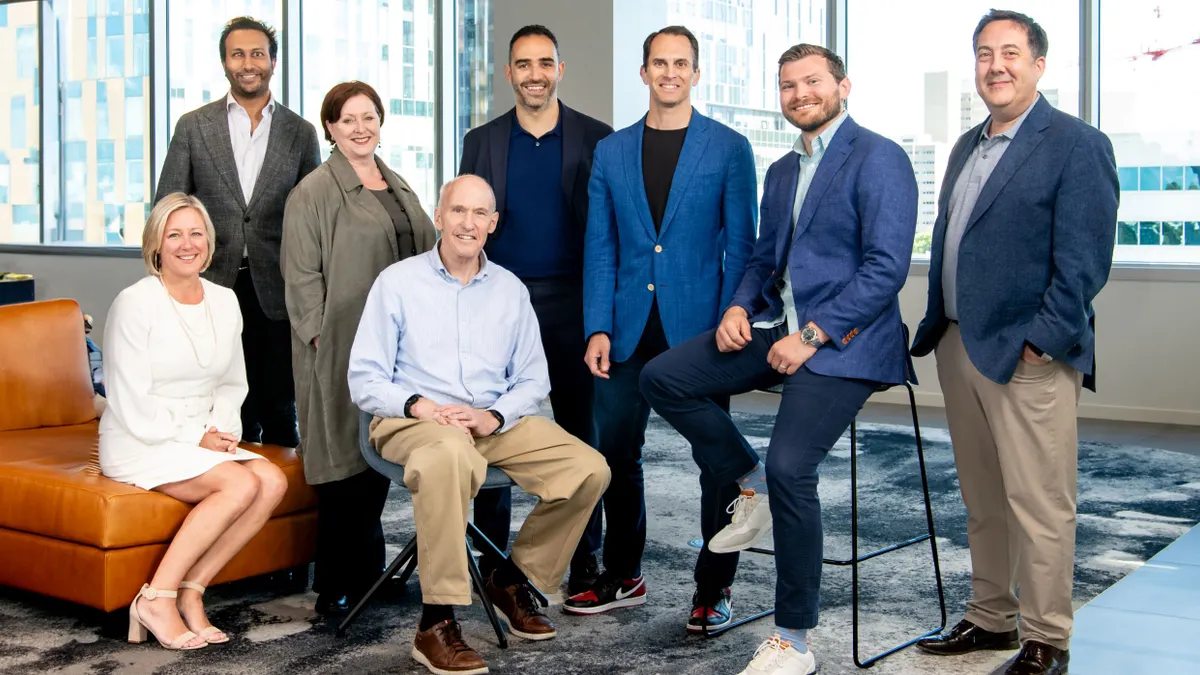
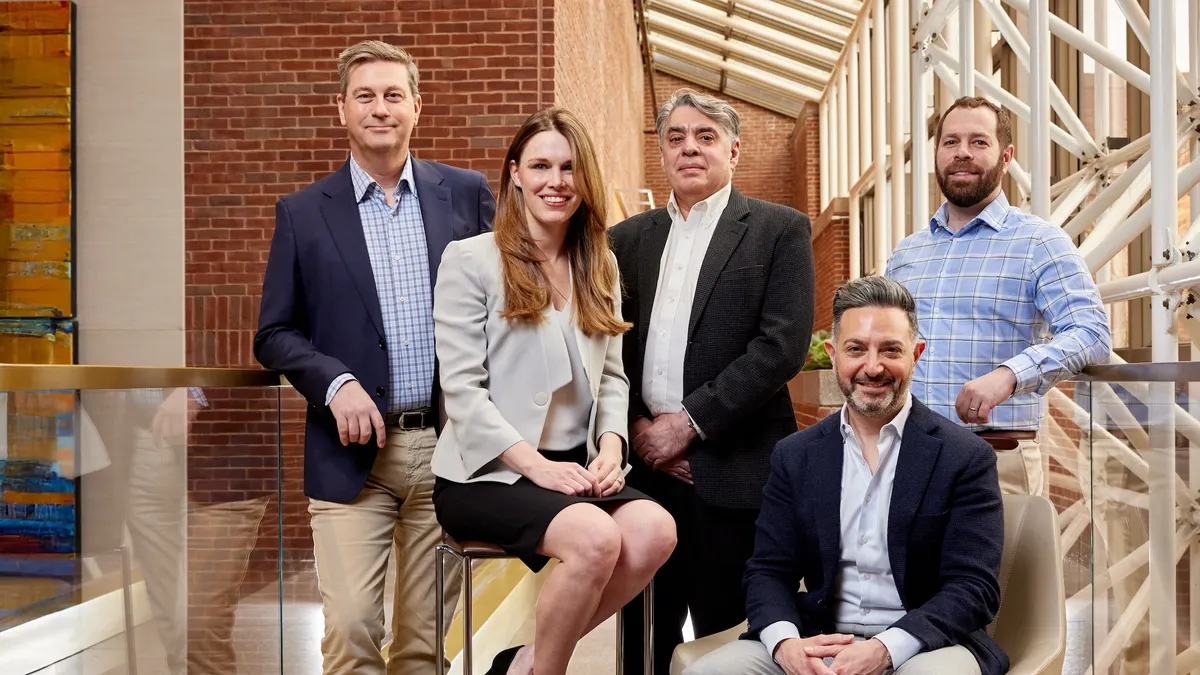
On Tuesday, that startup, K2 Therapeutics, announced that former Legend Biotech CEO Ying Huang has been named its new leader. It’s also secured $50 million in seed financing to support plans to in-license a portfolio of “high-potential, first-in-class and best-in-class” therapeutic candidates, according to a Tuesday statement.
K2, which was formed by biotechnology investor MPM BioImpact in 2024, has already been active in pursuing potential targets. The company says it has eight programs in preclinical to clinical testing, a few of which came via deals this year with China-based companies Adcoris and Antengene. Those pacts handed K2 rights to an antibody-drug conjugate in early-stage testing for cancer, a double-barreled “T-cell engager” and an option for a third undisclosed candidate.
Huang will now take over that portfolio. He previously ran Legend for seven years, during which time the company developed the cell therapy Carvykti and brought it to market through a collaboration with Johnson & Johnson. In a statement, K2 called that accomplishment “one of the first commercially successful China-to-U.S. drug launches.” Carvykti generated close to $2 billion in sales last year, though crowding competition has dimmed its future prospects and depressed Legend’s share price.
“At Legend Biotech, Ying led one of the most consequential success stories in modern biotechnology, transforming a China-originated innovation into a globally approved blockbuster therapy and helping reshape industry perceptions of where world-class innovation can emerge,” said Ansbert Gadicke, K2’s chairman and managing partner of MPM, in a statement.
That blueprint has become increasingly popular over the last few years, as biotechnology investors have looked to China and elsewhere for assets to build new companies around. Some have alrady gone public or been acquired by larger drugmakers.
At K2, Huang will lead a “hub-and-spoke” organization, through which a main entity houses drugs in different subsidiaries. That approach has faced some investor skepticism over the years, though it enables companies to more quickly cut deals or take a subsidiary public. Adcoris and Antengene were given cash payments as well as equity stakes in K2 subsidiaries through their recent licensing agreements.
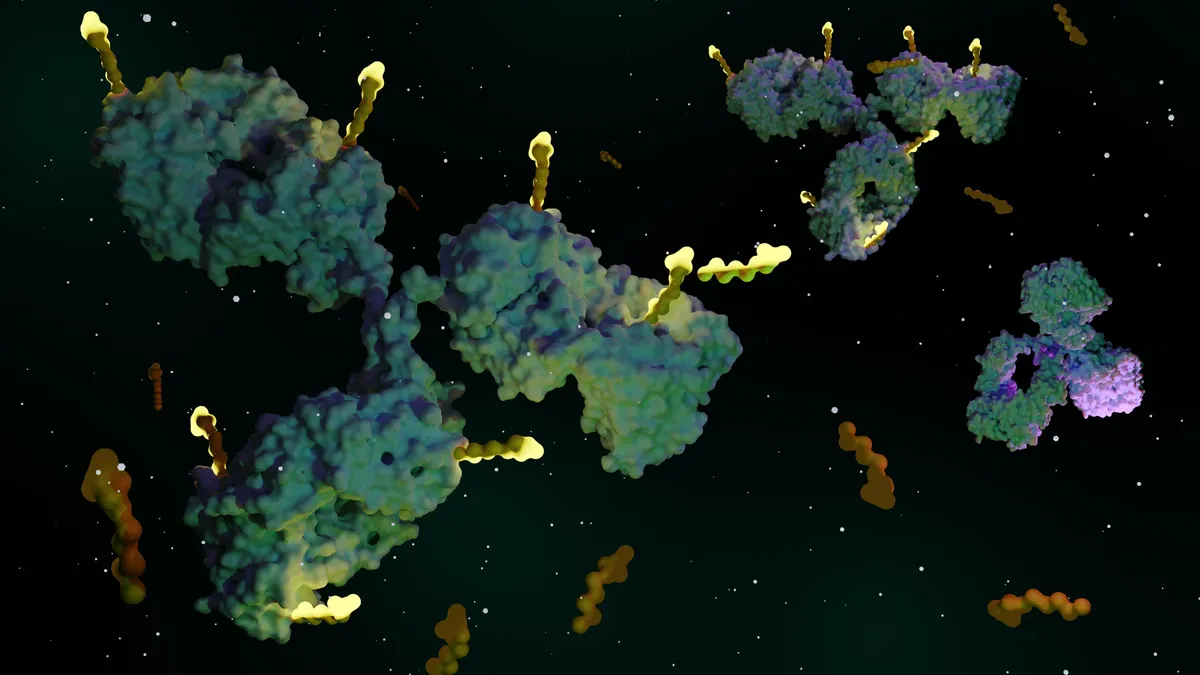
The Adcoris drug K2 licensed homes in on 5T4, a protein that’s overexpressed on many solid tumors. The Antengene drug, ATG-106, binds to a common T cell target, CD3, as well as CDH6, a protein also involved in the spread of multiple cancers. K2 expects to expand its portfolio over time through “disciplined asset acquisition, strategic capital deployment and focused development execution,” the company said.