Dive Brief:
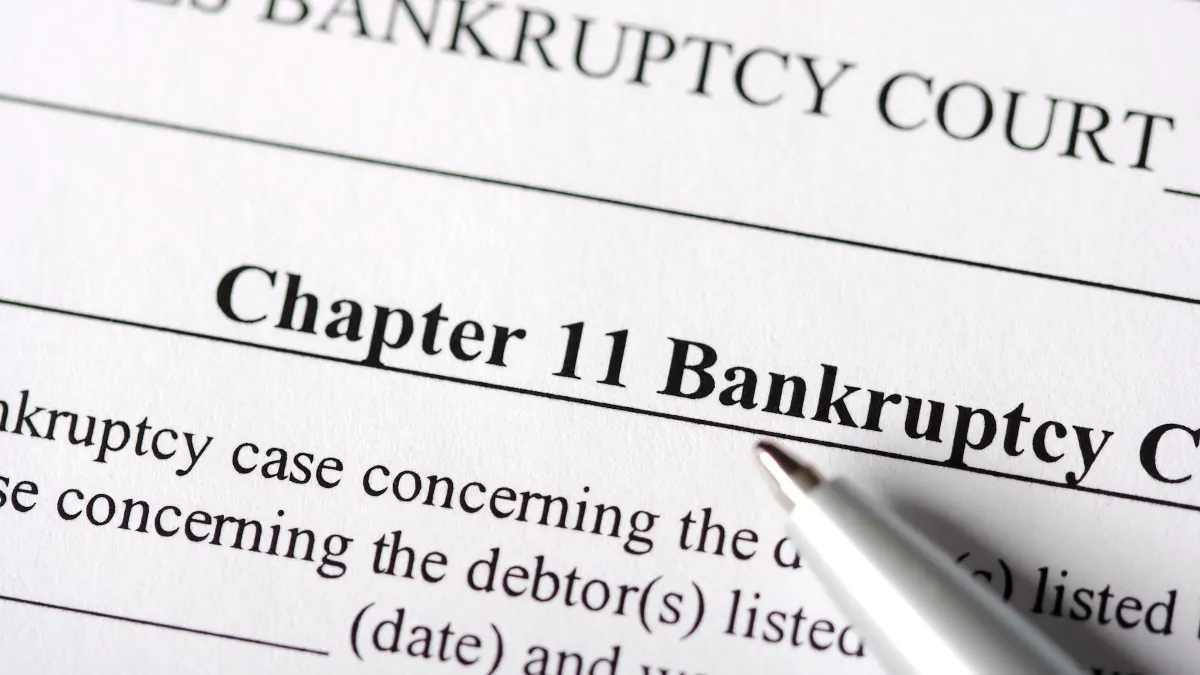
- Karyopharm Therapeutics, a cash-strapped cancer drugmaker, has filed for bankruptcy in a bid to sell itself and reorganize.
- Through the Chapter 11 filing announced Monday, Karyopharm intends to hold an auction in which Ayrmid, the parent of cell therapy maker Gamida Cell, will serve as the lead bidder. Karyopharm will continue to operate during the proceedings with the help of a $55 million bankruptcy loan from its current lenders. An acquisition should close in early 2027.
- Karyopharm sells the blood cancer drug Xpovio, which was first approved for multiple myeloma in 2019 and has since been cleared for a common form of lymphoma. U.S. regulators could soon clear use in myelofibrosis, too. In a statement, Ayrmid CEO Joe Wiley said adding Xpovio to Gamida Cell’s line of blood cancer cell therapies could “build a broader, stronger commercial-stage hematology business with meaningful opportunities for future growth.”
Dive Insight:
Karyopharm was able to beat the odds in biotech by bringing a medicine to market. Yet despite that achievement, the company hasn’t been able to turn a profit and, as time has gone on, has sunk deeper into financial trouble.
In its 2025 annual report, Karyopharm reported about $115 million in net Xpovio sales, $196 million in losses and an accumulated deficit of $1.8 billion. It also warned, at that point, that it only had enough cash and revenue to stay afloat through the middle of 2026.
Karyopharm has been hoping that label expansion opportunities might help grow sales, but Xpovio failed a clinical trial in endometrial cancer and the company could be waiting months for a clearance in myelofibrosis. In the meantime, $15.8 million in debt is coming due.
A Chapter 11 filing provides protection from creditors while a restructuring proposal is put in place. In Karyopharm’s case, a sale is the center of that plan. Its lead bidder, Ayrmid, sees a “strong strategic fit” with Karyopharm. The two companies have “complementary portfolios, established commercial capabilities and a shared commitment to addressing significant unmet needs in hematology,” said Ayrmid CEO Wiley, in the statement.
Wiley also signaled that the transaction won’t result in a liquidation. Should Ayrmid prevail, “we look forward to working with the Karyopharm team to realize that potential and continue delivering important therapies to patients in need,” he said.
Karyopharm shares fell 83% to just 11 cents apiece, giving the company a market value of only $2.5 million. It held $55 million in cash and equivalents as of June 30.