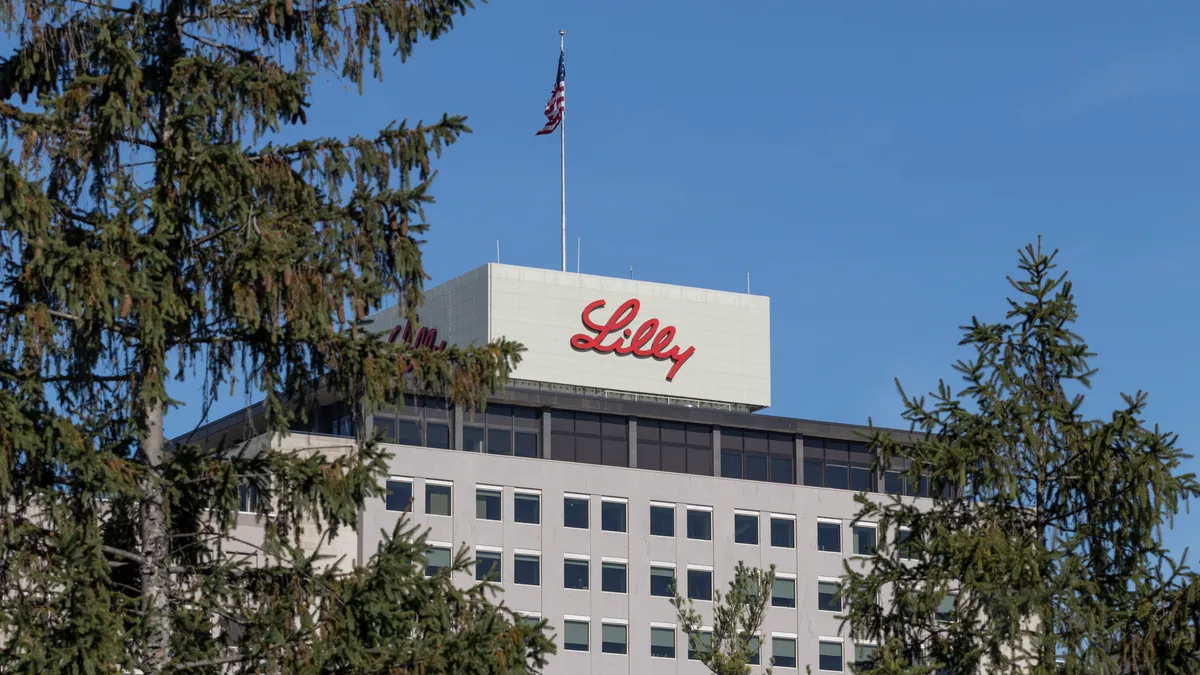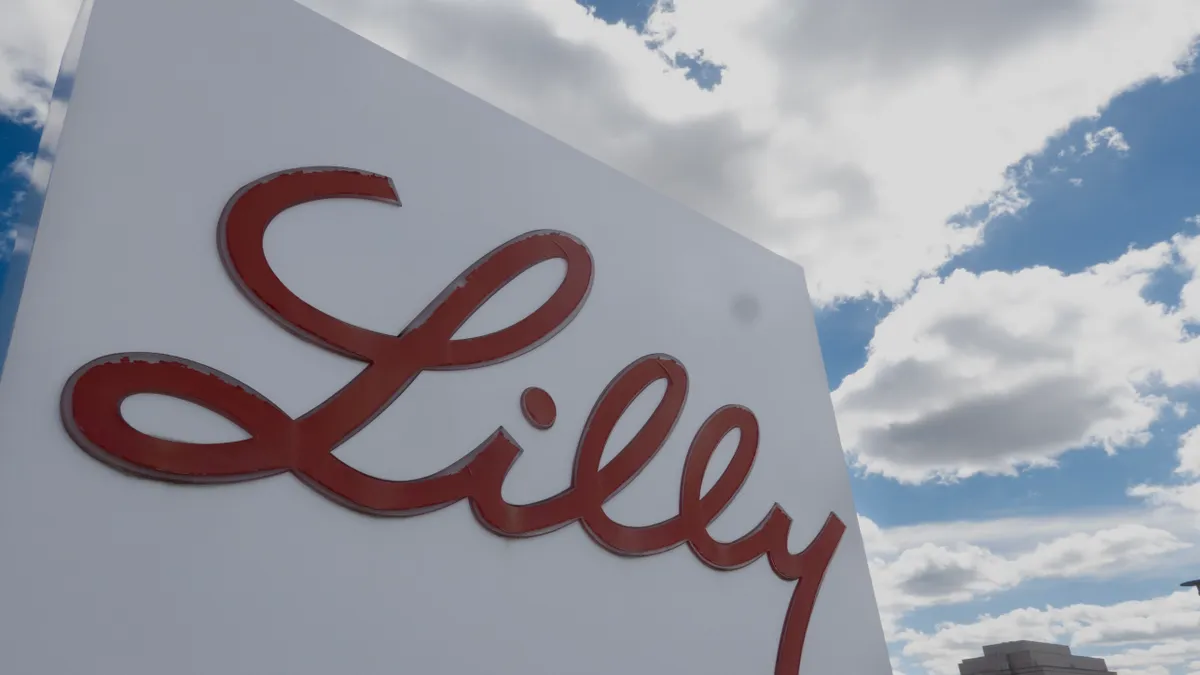
Eli Lilly is expanding plans to improve access to its obesity shot Zepbound, announcing Thursday an “employer connect” channel that will enable people receiving workplace-provided health coverage to directly purchase the medication without going through their standard insurers.
According to the Indianapolis-based company, more than 15 independent program administrators will initially run the program, which seeks to address the inconsistent coverage decisions private health insurers issue for Zepbound and other obesity medicines. Insurer pushback has become a significant access barrier for many people who might otherwise qualify for treatment.
“For far too many people living with obesity, starting or staying on treatment isn’t just a medical decision, it’s an access decision driven by coverage and cost,” said Ilya Yuffa, a Lilly executive vice president and head of its global customer capabilities, in a statement.
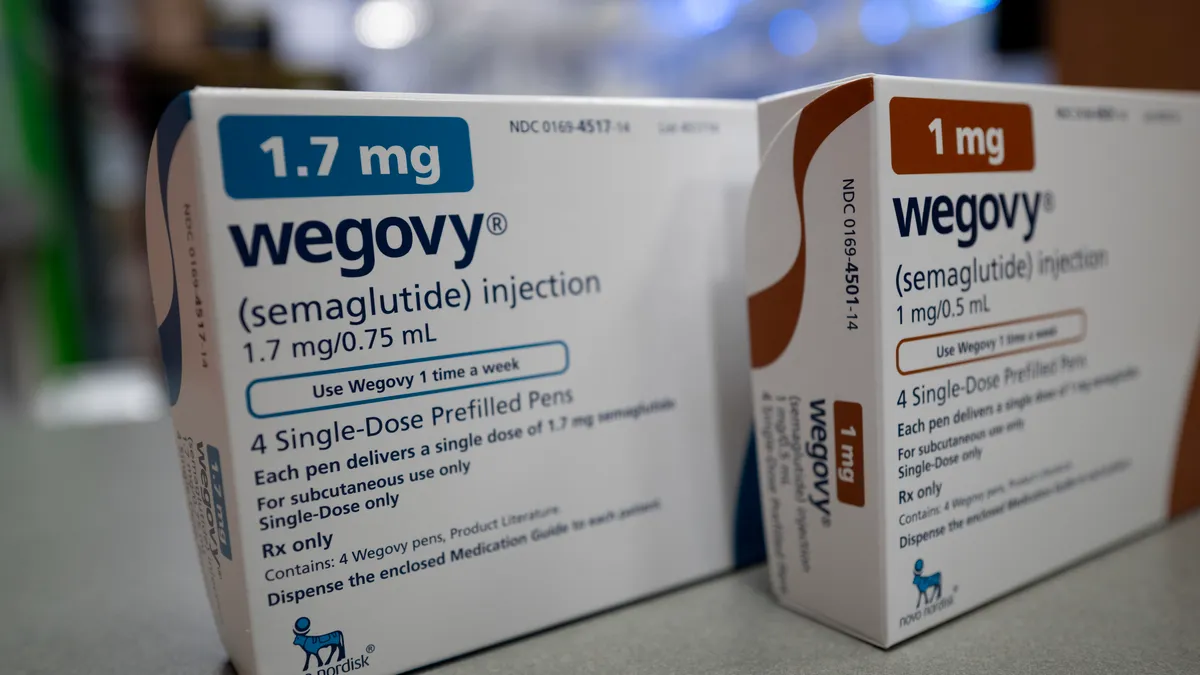
The program escalates efforts by Lilly and Novo to capture a bigger share of a lucrative market that’s still believed to be somewhat unaddressed. Since the resolution of drug shortages a couple years ago, both companies have launched online “cash-pay” services that allow people without insurance coverage or with prohibitively high cost-sharing requirements to buy their weight loss medicines more cheaply.
These services have climbed in popularity amid pressure from the Trump administration to equalize U.S. prices with what’s paid in certain other developed countries. But they’ve also been looked to by Lilly, Novo and others with would-be weight loss medicines as an emerging area of future sales growth.
“I think it’s going to be a big part of our future,” Lilly CEO David Ricks said at a conference in January.
The new channel represents another unorthodox attempt at spurring more drug sales. With employer connect, Lilly will sell Zepound through a set of programs that will offer anywhere from low-cost benefits administration to comprehensive plans that offer wraparound obesity care services.
The goal in doing so is to enable employers to design individually tailored treatment plans, giving Lilly a new way for Lilly to compete with the telehealth providers selling compounded versions of Wegovy and Zepbound. Drug compounders used these kinds of approaches to win patients during GLP-1 drug shortages and grab share from Lilly and Novo.
Lilly set a price of $449 a month for all Zepbound doses, similar to the cost involved in some cash-pay channels, although patients’ out-of-pocket costs will depend on employers’ benefit designs. The program administrators chosen for the program include GoodRx, Mark Cuban Cost Plus Drug Company and Teladoc Health.