Continuing a recent tear of acquisitions, Eli Lilly has agreed to buy a startup developing a possibly first-of-its-kind treatment for Huntington’s disease.
Lilly could pay up to $725 million in cash for Cambridge, England-based LoQus23 Therapeutics — a sum that includes an undisclosed upfront payment as well as future earnouts for hitting specific development and regulatory milestones. LoQus was co-founded in 2019 by industry veterans David Reynolds, Ruth McKernan and neuroscientist Caroline Benn while the three were entrepreneurs-in-residence at SV Health Investors' Dementia Discovery Fund.
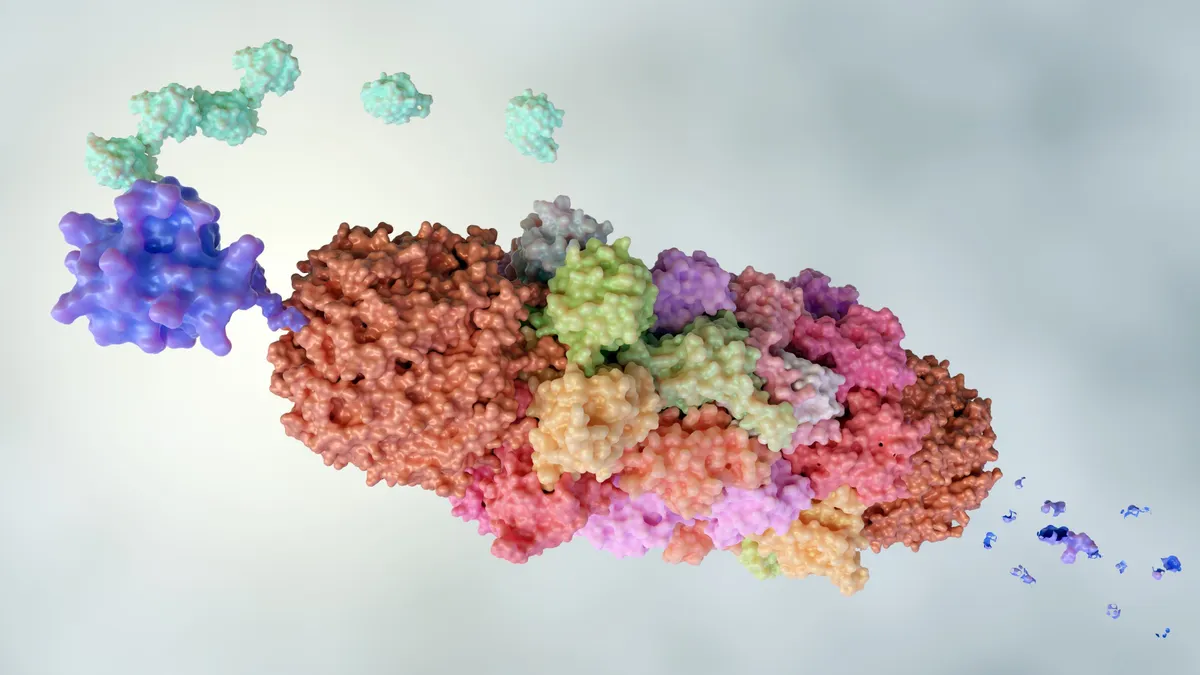
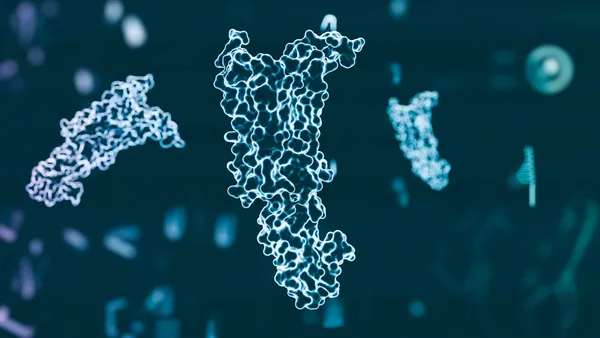
The startup’s most advanced program is an oral drug designed to inhibit a protein known as MSH3. While this protein is normally helpful, playing a role in DNA repair and stabilization, the way it works can inadvertently worsen the genetic “repeats” associated with some neurodegenerative disorders. In Huntington’s, for example, a three-letter DNA sequence repeats an unusually large number of times. Those extra copies lead the cell to produce an abnormal version of the “huntingtin” protein, which then damages the nerves.
LoQus23’s drug — codenamed LQT-23 — isn’t yet in human testing. But the company said it expects to “in the near future” submit an application to begin a clinical trial.
The LoQus23 team “has been motivated by the ambition to create a disease-modifying treatment for Huntington’s disease,” said Reynolds, who serves as the company’s CEO, in a statement. “This transaction brings that ambition one step closer, as Lilly has the neuroscience track record, scale, and expertise to accelerate LQT-23 into and through the clinic.”
Flush with cash from its popular obesity medications, Lilly has inked more than a dozen acquisitions this year. Just last week, the pharmaceutical giant announced its purchase of blood cancer specialist Calytrix Bio in a deal that could be worth up to $1.5 billion. At least four of Lilly’s buyouts have carried upfront payments of $50 million or more, according to data compiled by BioPharma Dive.
Two of those larger transactions focused on neuroscience. Lilly paid $6.3 billion for Centessa Pharmaceuticals, a major bet on an emerging class of sleep medicines that Wall Street analysts believe will drive billions of dollars in sales. Lilly also broke into the burgeoning psychedelics space by buying AtaiBeckley through a deal valued at $2.8 billion.