Moderna has filed approval applications for a seasonal flu vaccine it expects to become a critical source of future revenue growth.
The company on Monday said it submitted clearance requests with regulators in the U.S., Europe, Canada and Australia. Moderna is specifically seeking approvals to market the vaccine, dubbed mRNA-1010, for people at least 50 years of age.
“If approved, this potential new product launch and geographic expansion represent an important opportunity to support Moderna’s continued growth in 2027 and beyond,” said Moderna CEO Stéphane Bancel, in a statement.
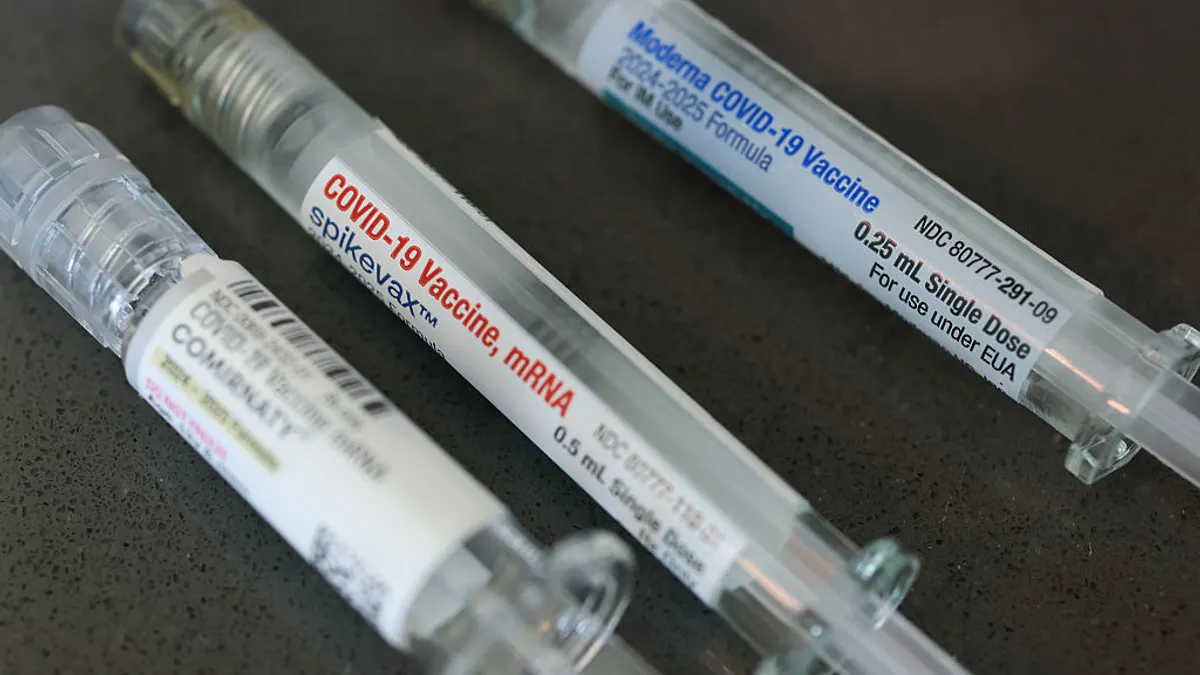
Moderna’s vaccine is built on the same messenger RNA technology it’s used to bring shots to market for COVID-19 and respiratory syncytial virus. That technology enables it to design and create shots more quickly than with established technologies. Such an advantage could help Moderna “more closely match evolving strains” of flu and “more effectively respond” to the virus, Bancel noted.
In clinical testing in people 50 years of age or older, mRNA-101 reduced the risk of influenza illness by 27% compared to marketed shots targeting three or four strains of the virus. The shot was similarly effective among study participants at least 65 years old, who are at a higher risk of poor health outcomes from the flu. Side effects were also mostly mild and not significantly different from what was observed in people who got another vaccine.
For Moderna, those results were a critical part of its plans to rebound from a series of setbacks that have significantly depressed its stock price. Flagging COVID vaccine sales, minimal contributions from its RSV shot and heightened scrutiny of mRNA technology in the U.S. have eroded the company’s market value, leading to layoffs, missed revenue projections and a strategic restructuring.
Moderna also saw a shot for cytomegalovirus once projected to be a future blockbuster fail a Phase 3 trial in October.
Still, the company hopes to break even financially in 2028 and the flu vaccine — as well as a combination COVID-19 and flu shot — are seen as revenue drivers that will help. Moderna had previously filed for approval of the combination shot, but decided to pull the application amid heightened regulatory standards and instead wait for new results from its standalone flu vaccine.
Moderna intends to invest the cash from its respiratory disease franchise, which includes those vaccines, into its oncology and rare disease programs. A skin cancer vaccine it’s working on with Merck & Co. could produce study results this year.