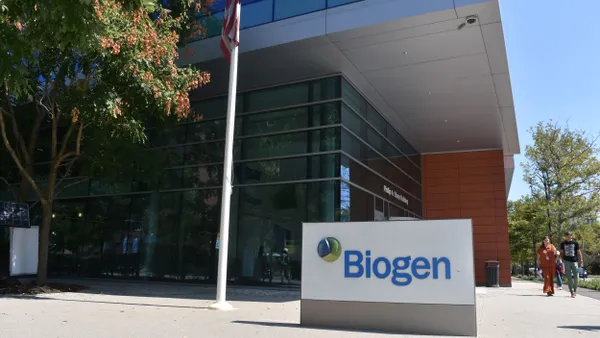
Neurocrine Biosciences is wagering on the financial upside of a first-of-its kind treatment for the rare disease Prader-Willi syndrome, agreeing on Monday to acquire the drug’s developer, Soleno Therapeutics, in a deal worth $2.9 billion.
Neurocrine is paying $53 per share for Soleno, an offer that represents a roughly 34% premium to the biotech’s previous closing price and is about 51% higher than Soleno’s average trading price over the last month. The bid has been approved by both companies’ boards and is expected to close within 90 days. It’ll be financed through cash on hand, though Neurocrine also intends to take on a “modest amount of pre-payable debt” alongside the deal, the company said in a statement.
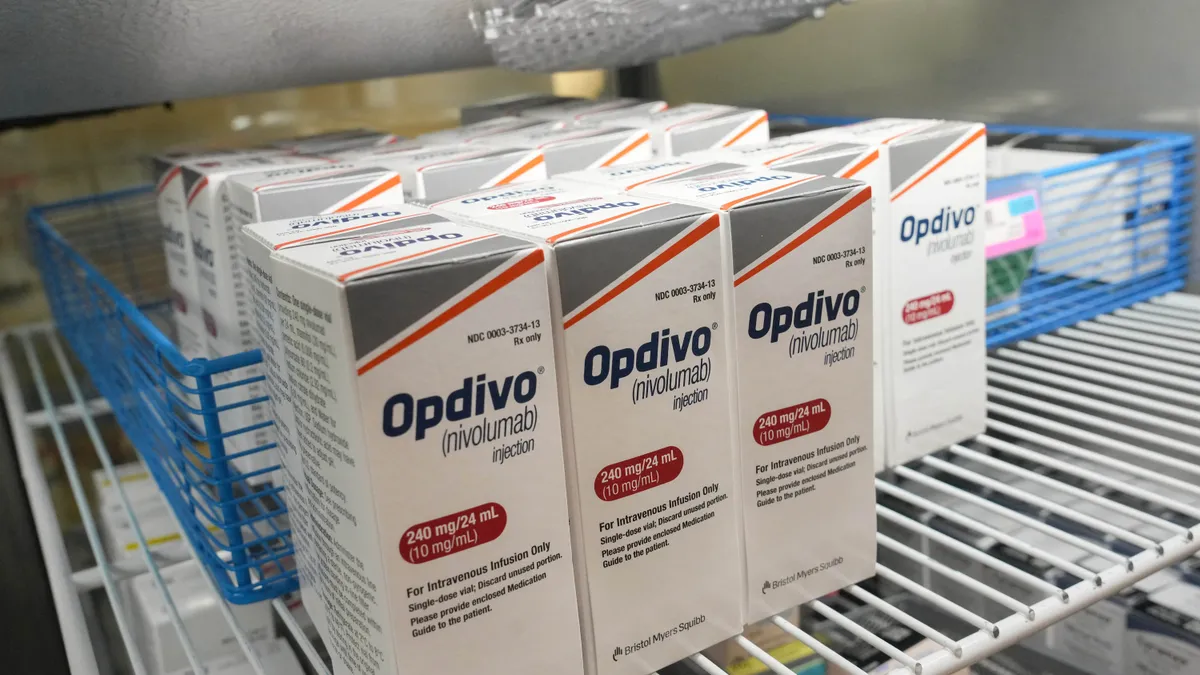
The acquisition centers around a drug known as Vykat XR. Last year, Vykat became the first approved treatment for the insatiable hunger, or “hyperphagia,” associated with Prader-Willi, a rare and tough-to-treat condition that causes a constellation of symptoms. Prader-Willi, which affects an estimated 10,000 to 20,000 people in the U.S., is typically managed through supportive care and human growth hormone to boost muscle and lower body fat. But until Vykat came along, no drug therapies were specifically cleared to curb the all-consuming hunger that hallmarks the condition.
The drug’s clearance followed an unusual clinical development journey and turned Soleno into a buyout target. The company’s stock price, which was once worth less than $2 apiece, peaked at almost $90 per share last summer. Vykat’s early launch success quickly turned Soleno profitable, too.
Yet since then, Soleno has faced growing doubts about Vykat’s sales potential. An August report from short-selling activist firm Scorpion Capital fueled concerns about Vykat’s safety and began depressing Soleno’s share price. Financial results released afterwards revealed a slowdown in patient start forms and uptick in treatment discontinuations that have stoked questions among investors and analysts about the drug’s growth trajectory. A pending approval decision in Europe expected around the middle of the year wasn’t seen as a sure thing, either.
The company’s decision to sell to Neurocrine at $53 a share hasn’t silenced those concerns. In a note to clients Monday, Stifel analysts Paul Matteis and James Condulis called Vykat a "controversial" drug and wondered “how confident” Soleno’s management team was on its “actual near-to-mid-term outlook” given the purchase price.
“While M&A is never a bad thing (especially after a frustrating/volatile stretch for the stock), we're admittedly surprised [Soleno] sold at this price,” Matteis and Condulis wrote.
For Neurocrine, though, the deal makes “very reasonable strategic sense,” wrote RBC Capital Markets’ Brian Abrahams. The company already has a presence in pediatric endocrinology and Vykat adds a third shot at sales growth behind its two main products, Ingrezza and Crenessity. Vykat’s positive net income should also “immediately” help boost Neurocrine’s earnings per share, Abrahams added.
In its statement, Neurocrine noted how the drug generated $190 million in 2025, $92 million in the fourth quarter alone and is “expected to continue to improve care” for Prader-Willi patients while “delivering long-term value” to company shareholders. Vykat is “well positioned as the foundational first-line therapy” for the disease and has “strong intellectual property” that should extend into the 2040s, Neurocrine added.