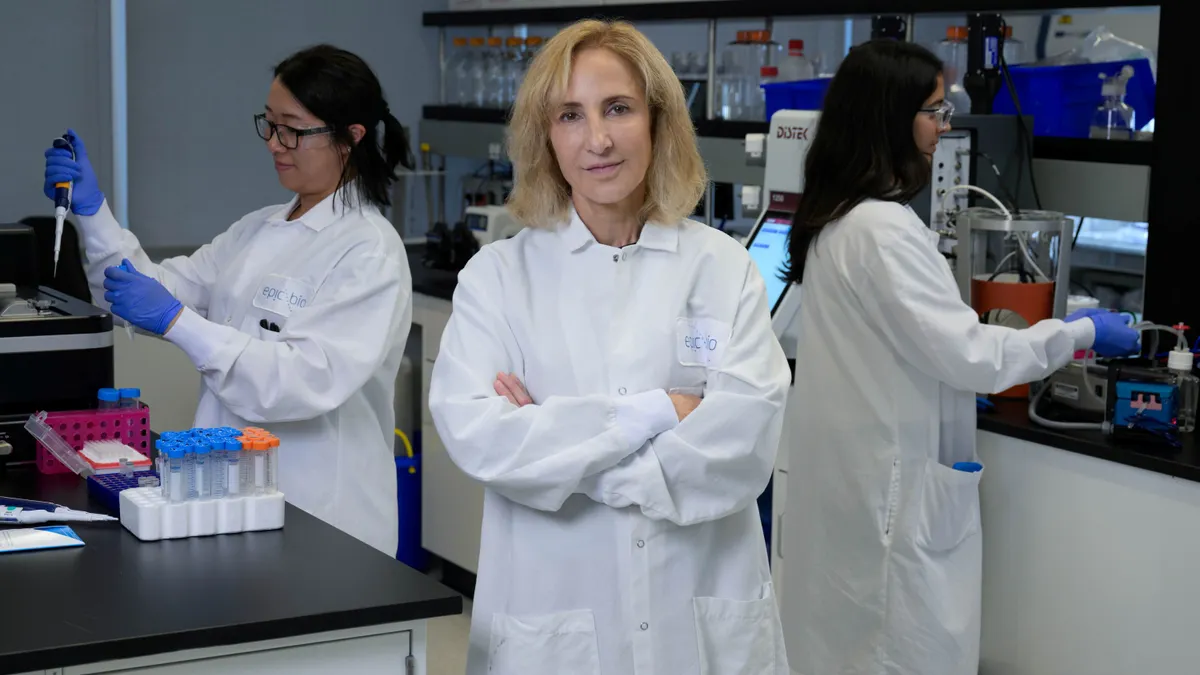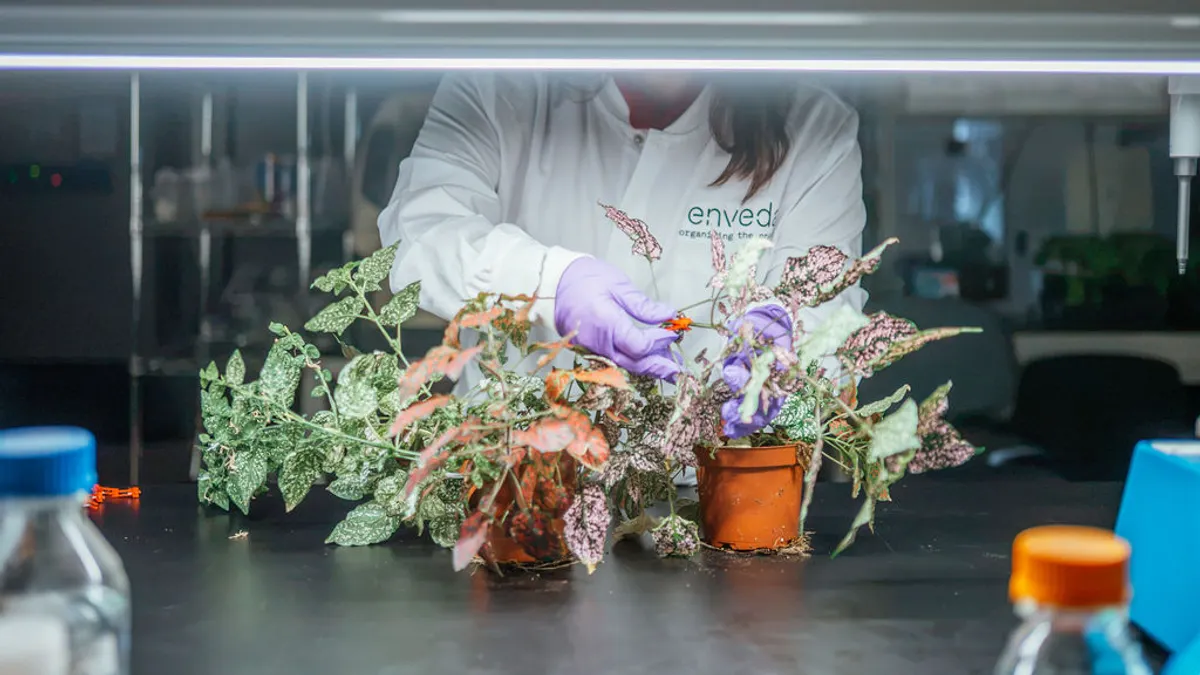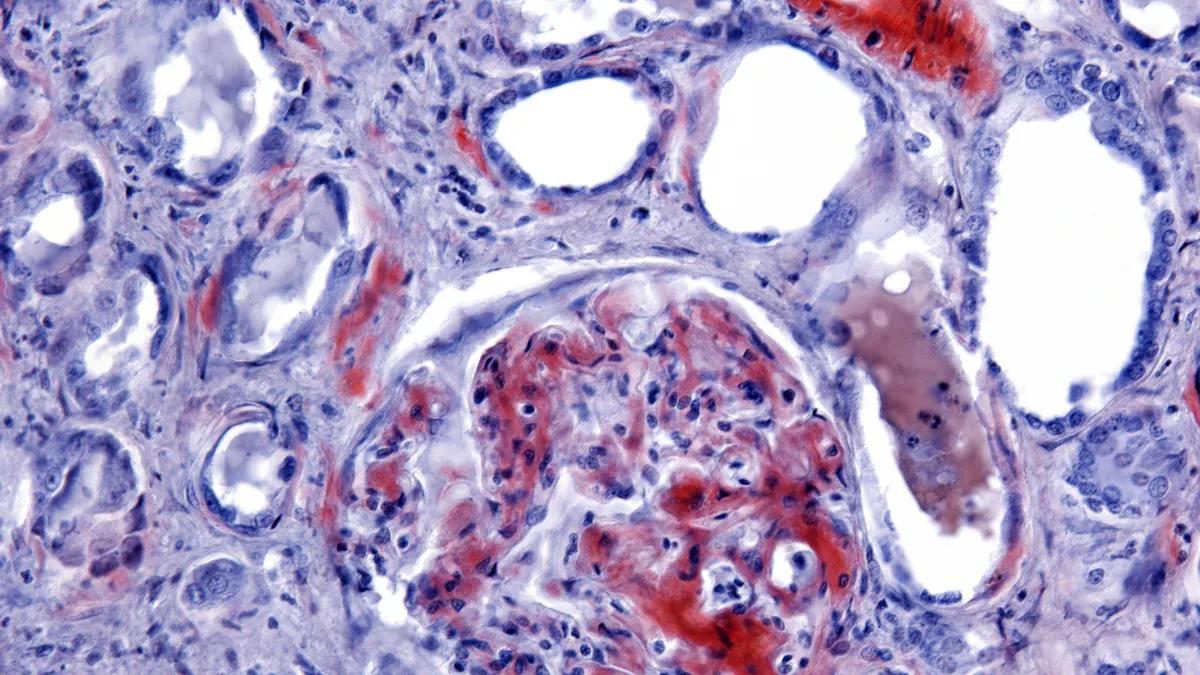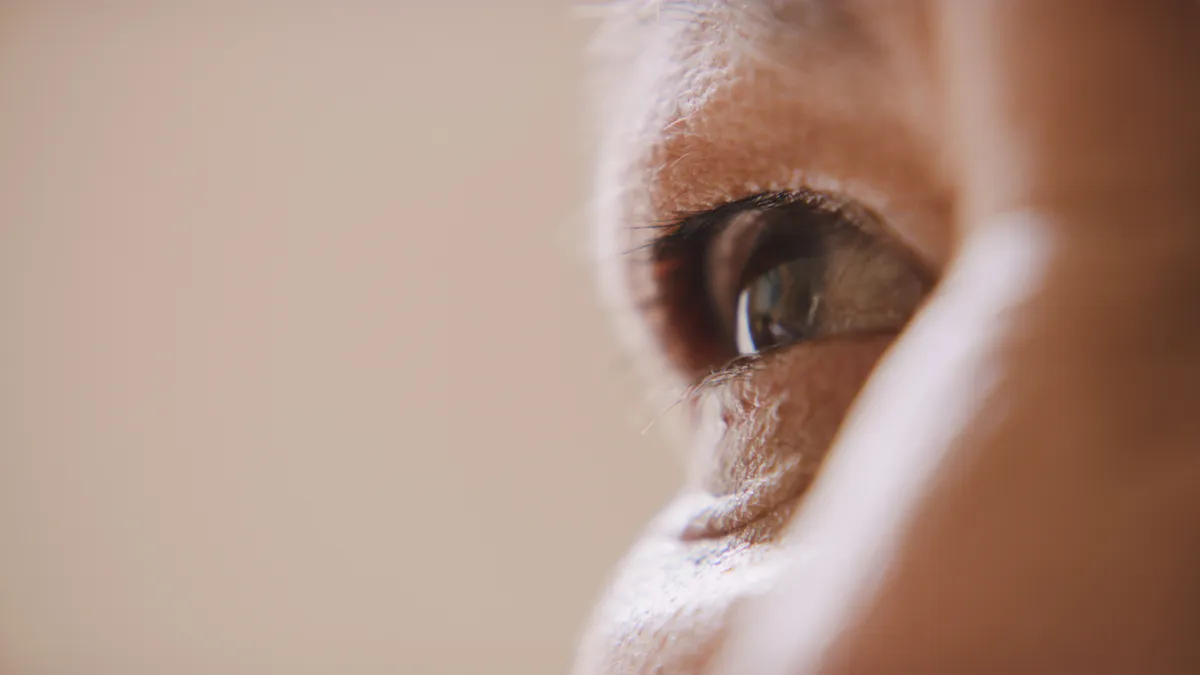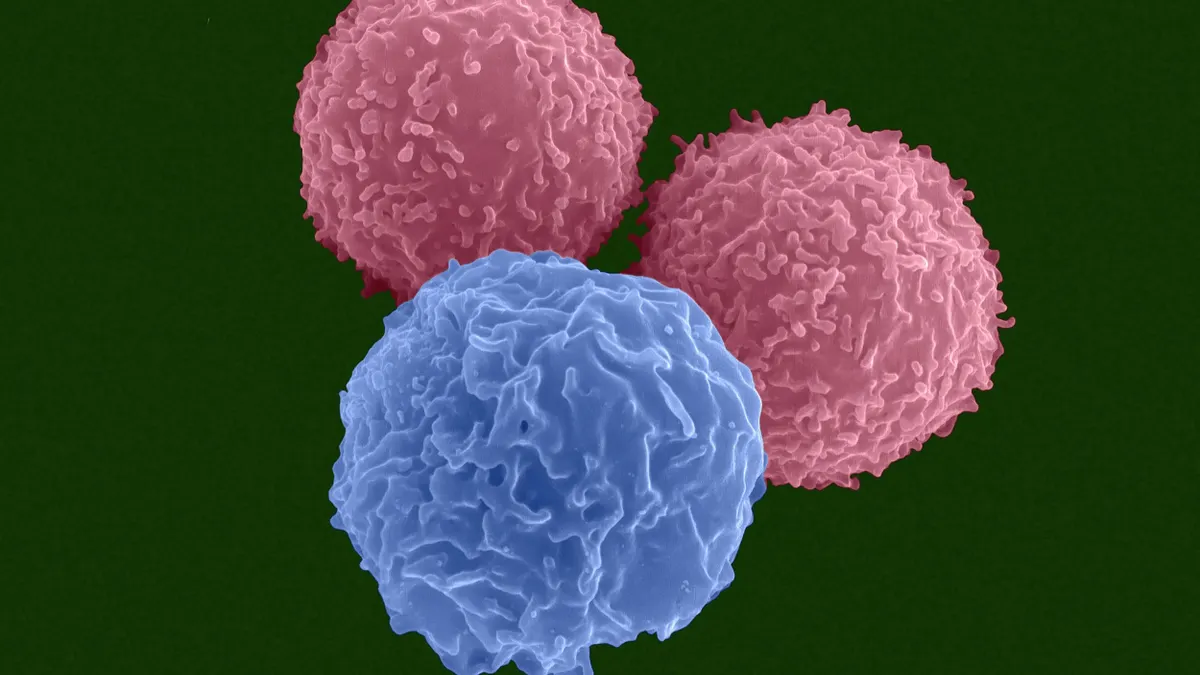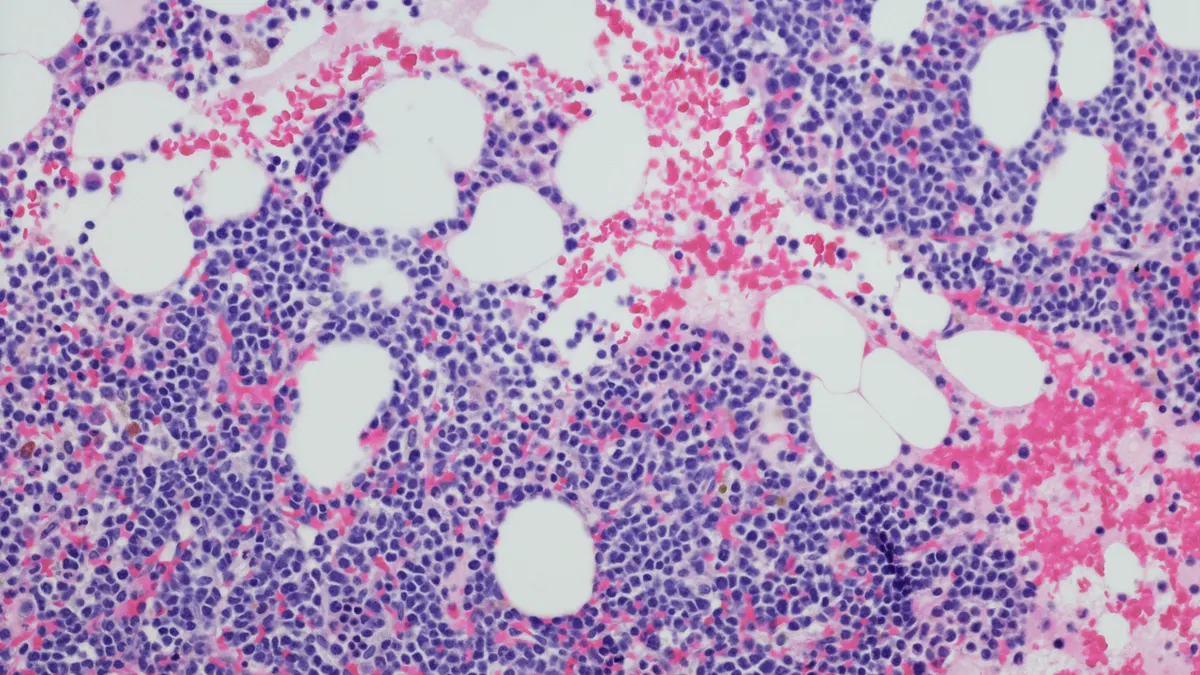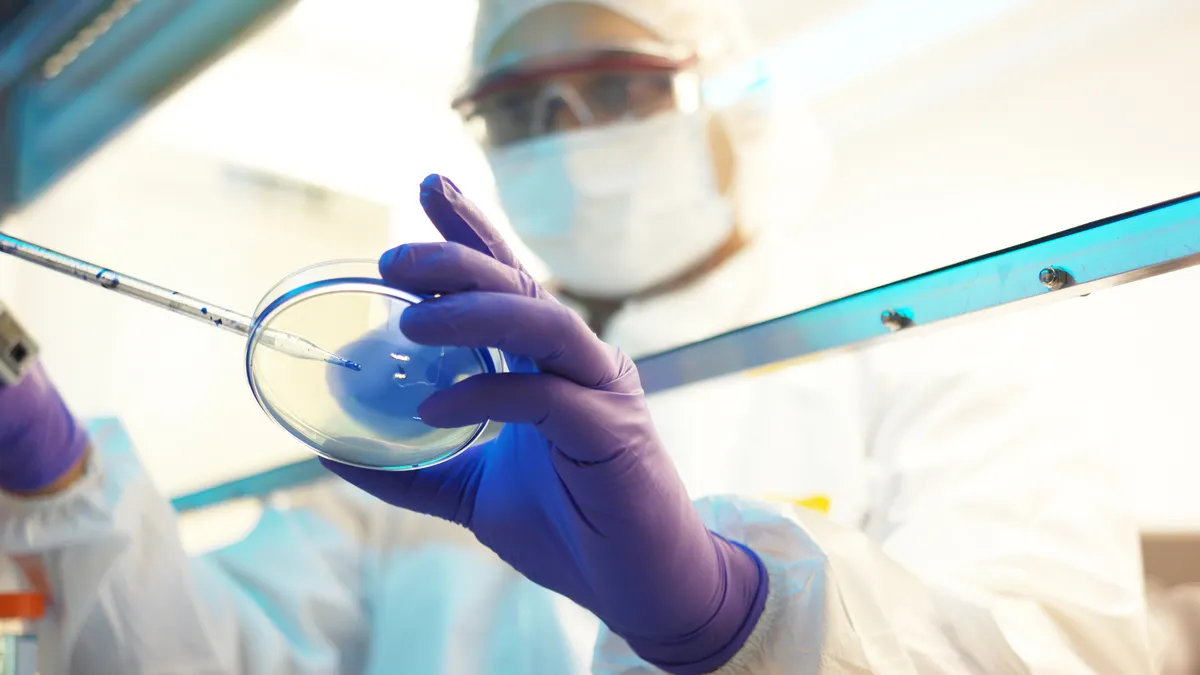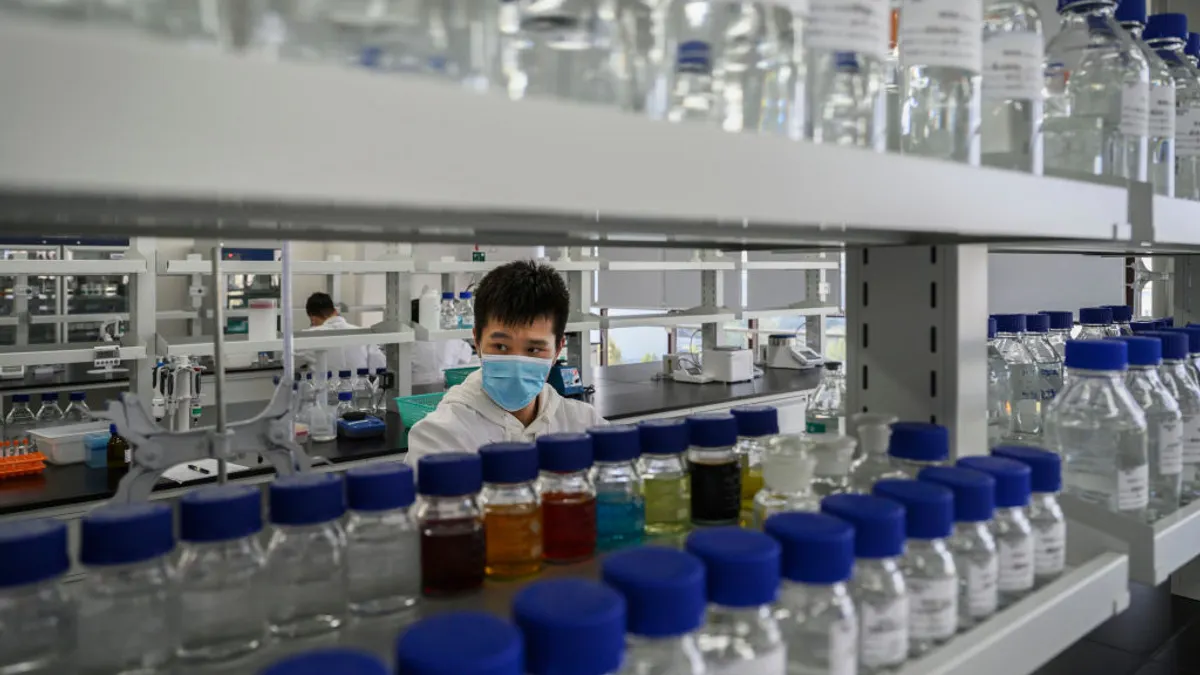
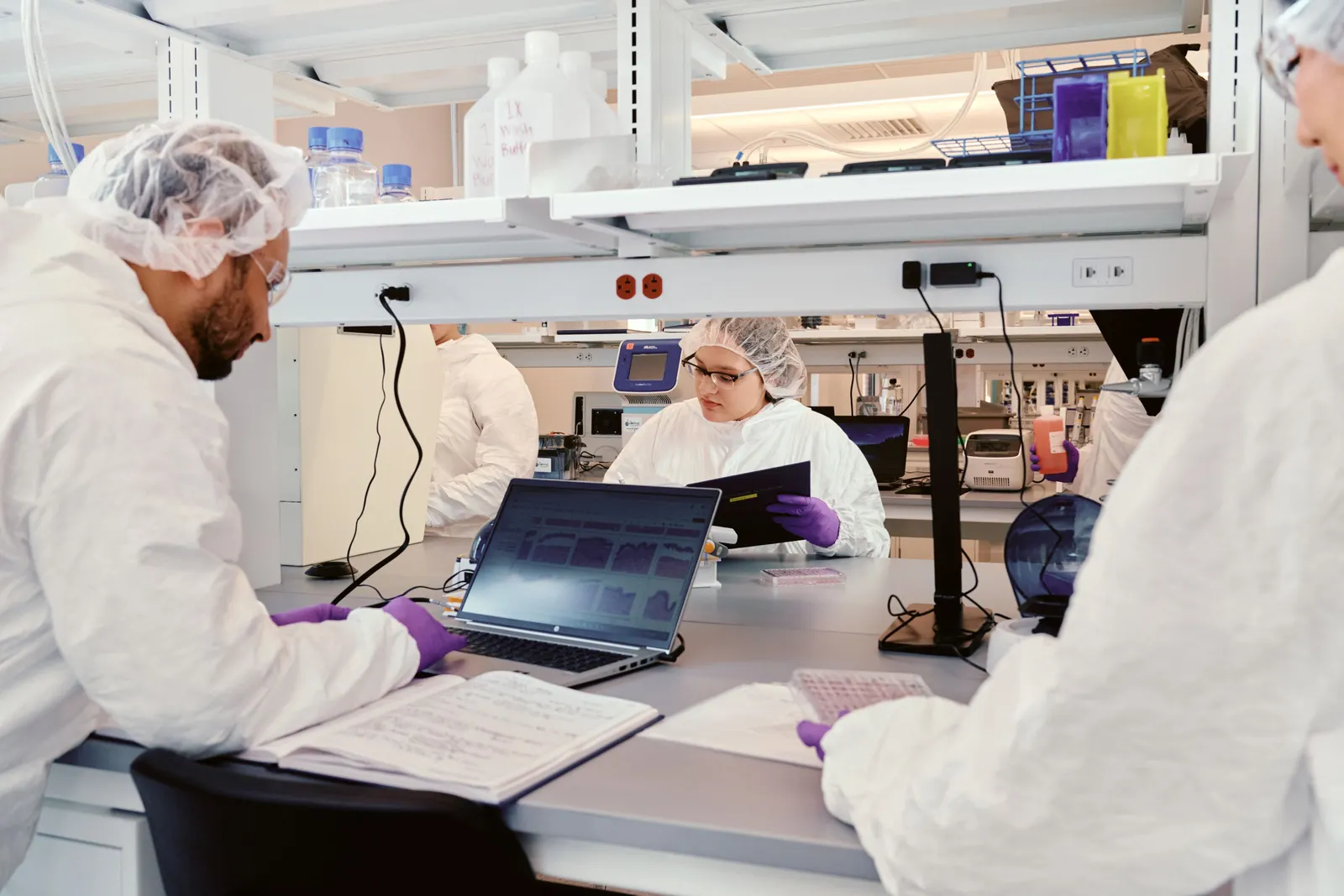
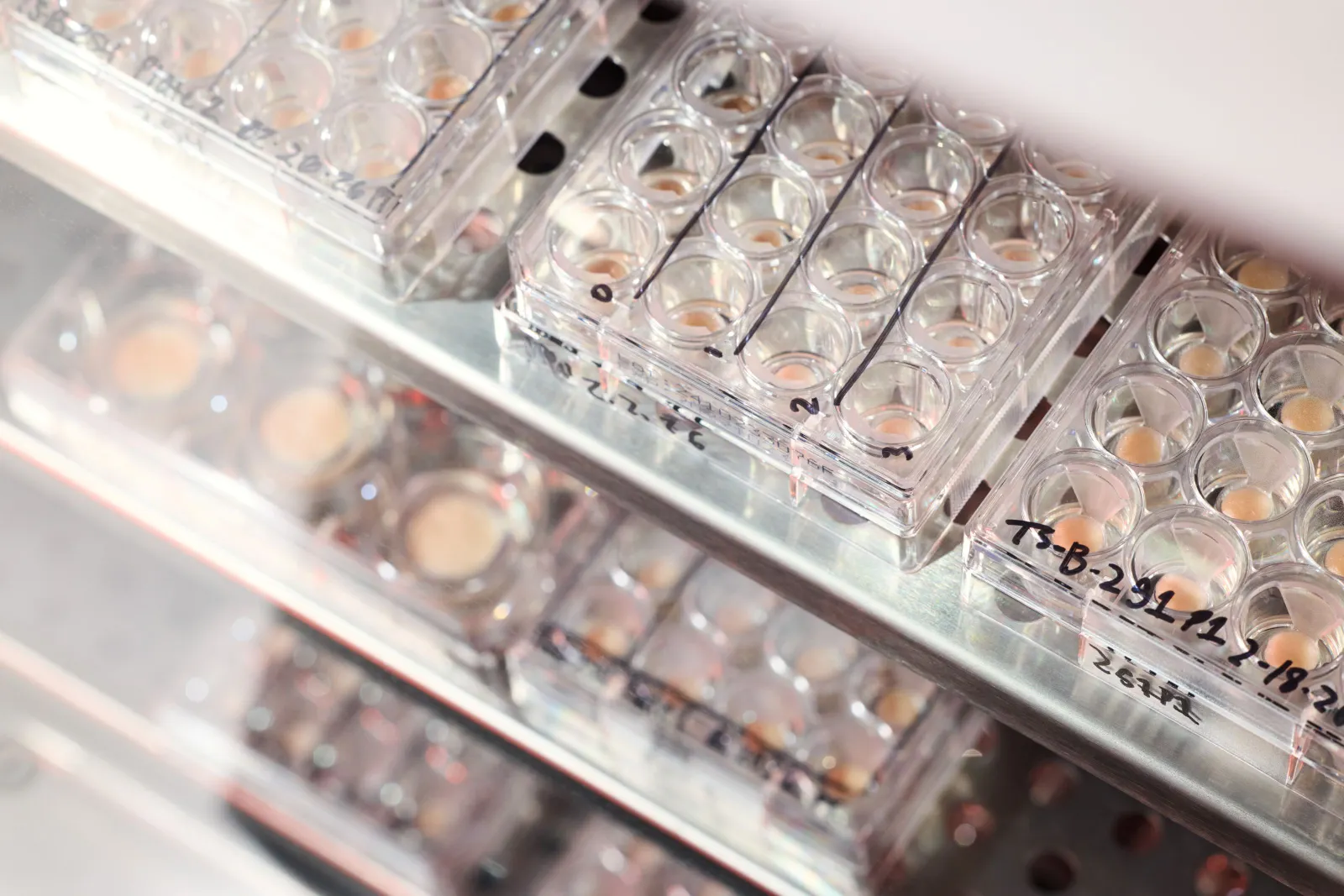
The harvested skin tissue is taken to a lab where, through a series of closely guarded technologies and techniques, it’s kept alive for around a month. And not just alive — resilient. The samples still look and behave like skin, holding onto their structure as well as the resident immune cells that detect pathogens and injuries and regulate inflammation. Typically, these tissues would degrade in roughly a week.
The startup behind this advance, Outer Bio, emerged from stealth late last week. With longer-living tissue and the help of artificial intelligence tools that screen millions of compounds, Outer believes it can find new ingredients for skincare or even treatments for skin conditions. The company claims each of its compound-sample pairings generates more than 30,000 data points, and that, to date, its platform has produced north of 10 terabytes of data across more than 300 donors and 10,000 potential treatments. Outer published a preprint of its research in May.
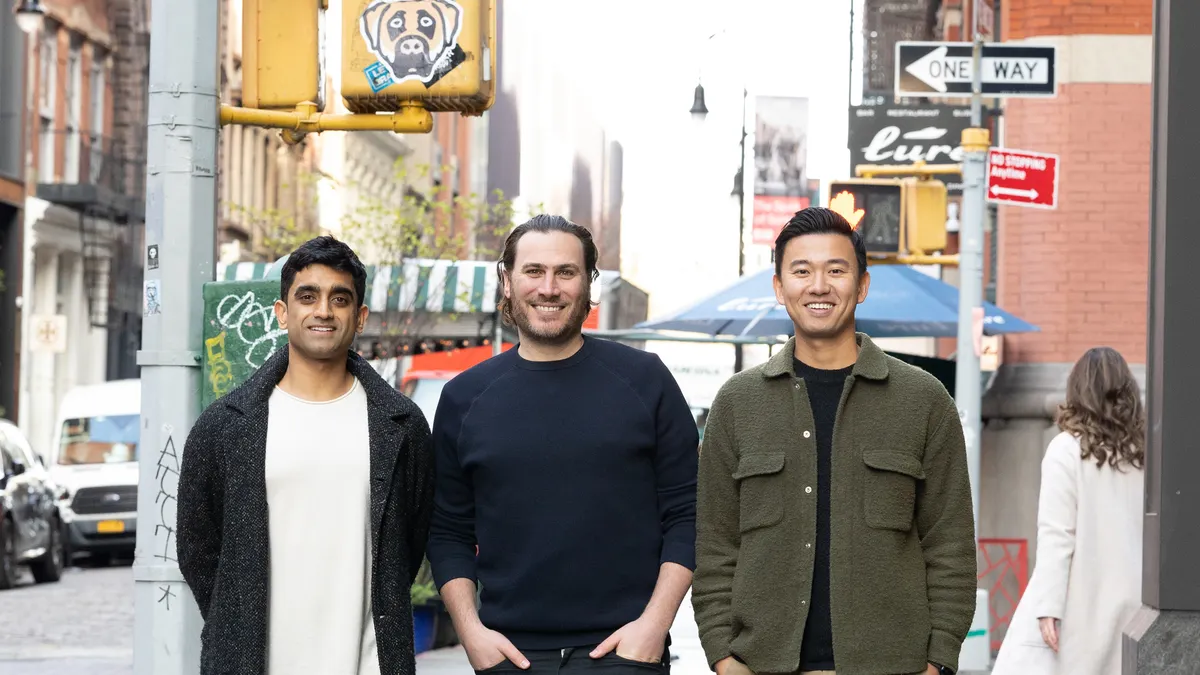
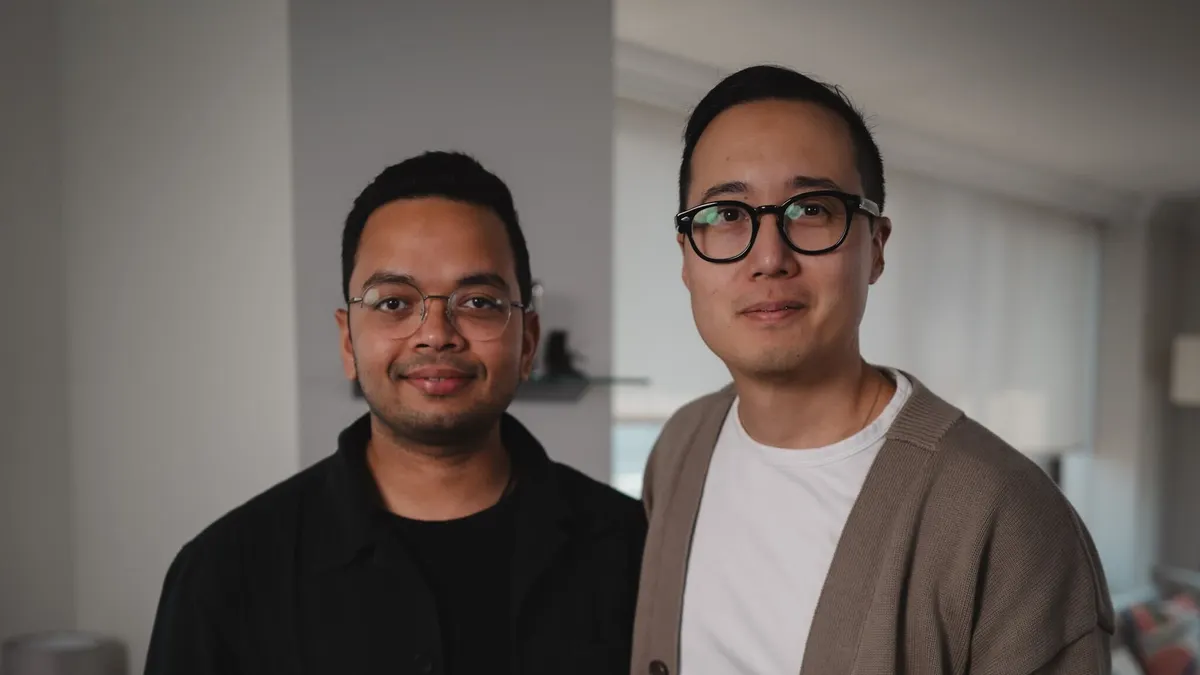
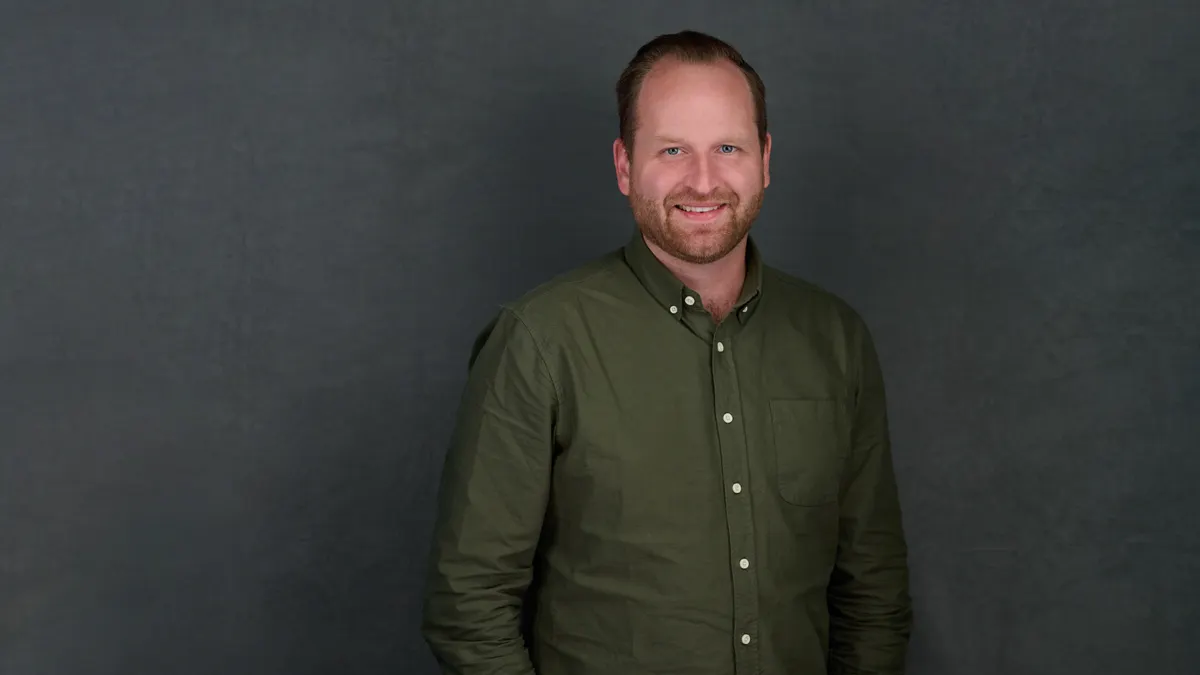
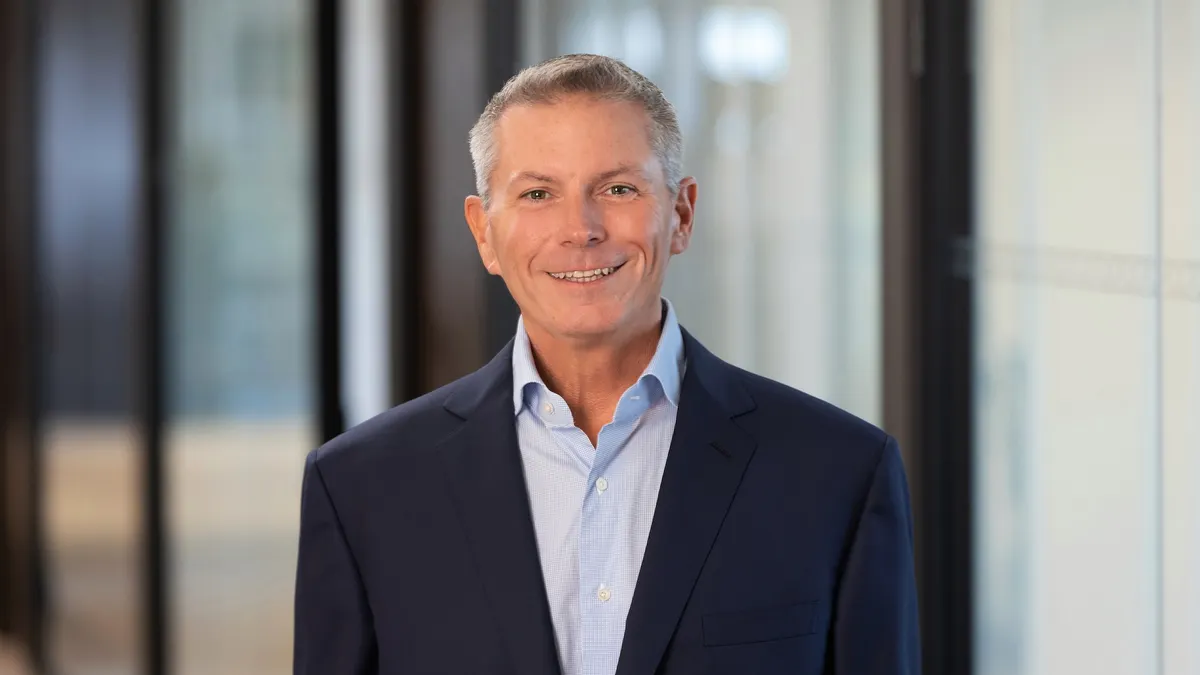
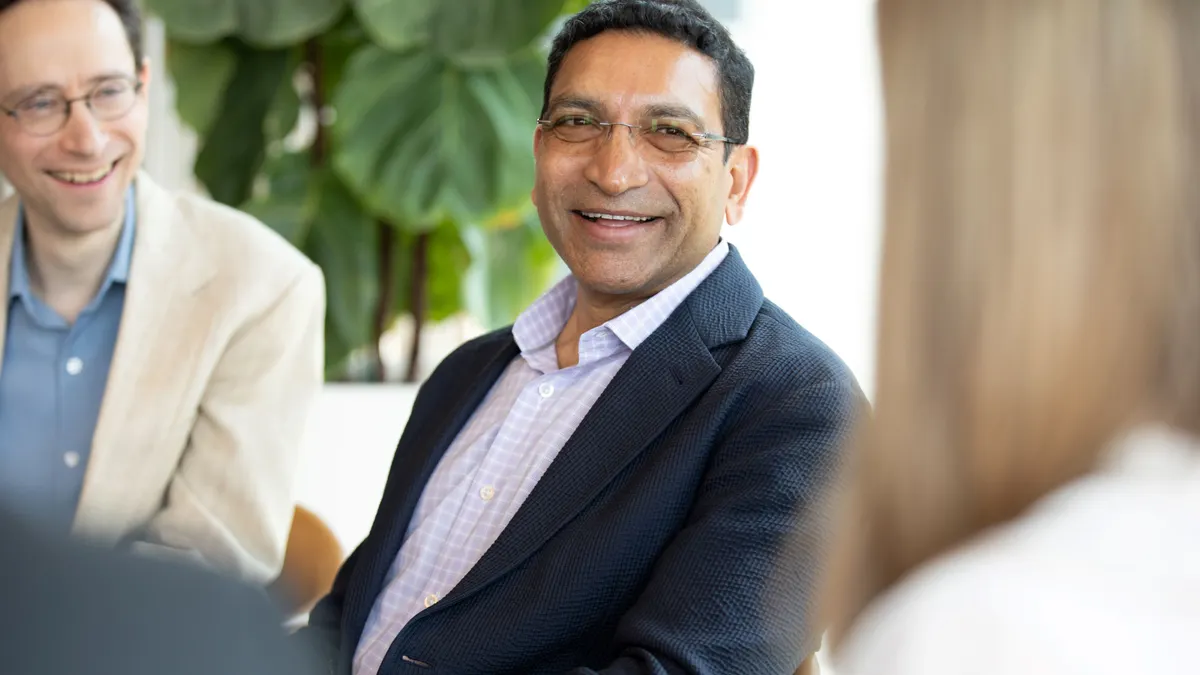
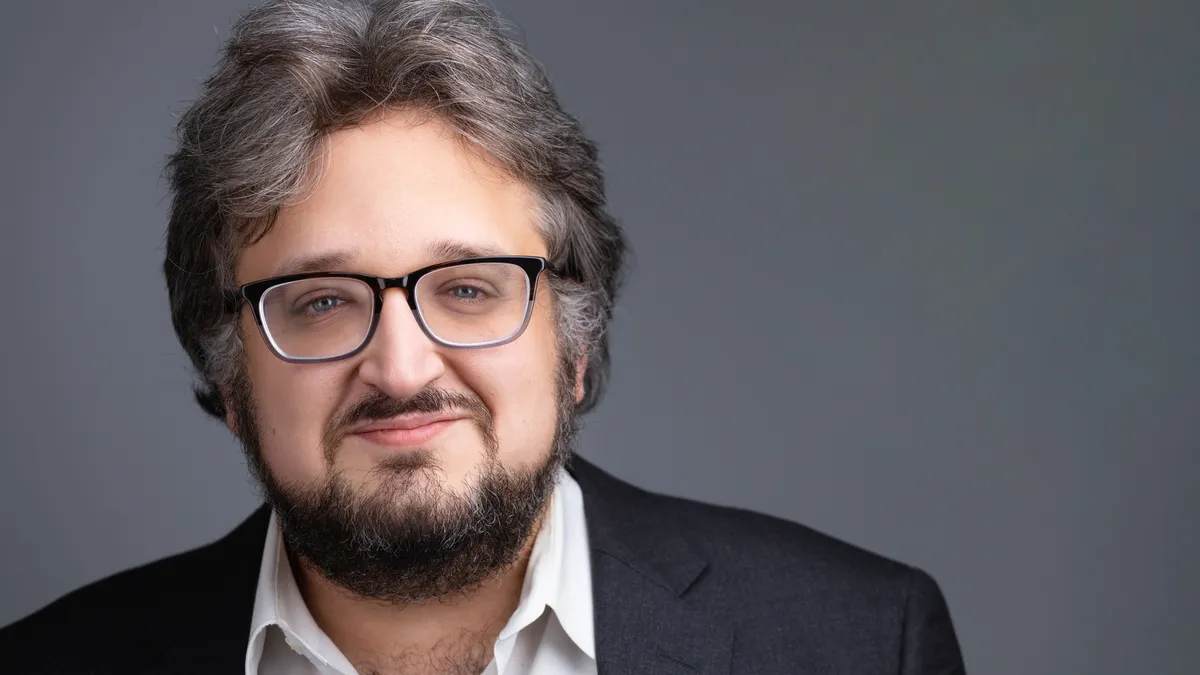
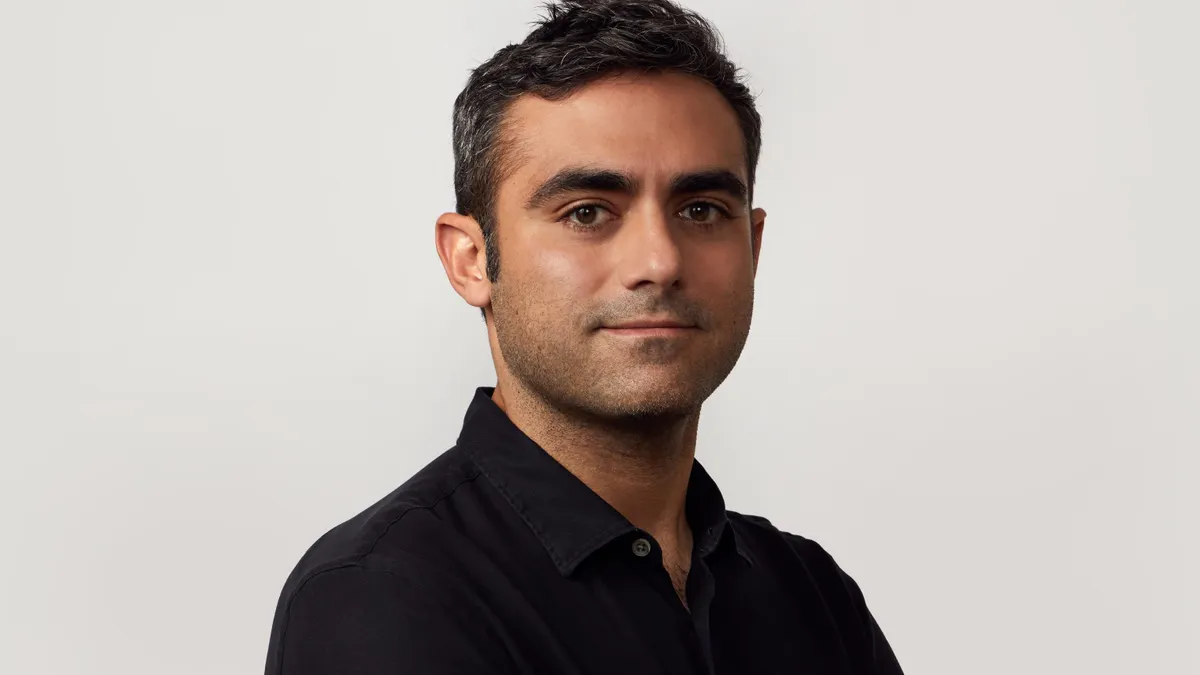
While Outer’s work certainly has applications to drug development, its co-founder and CEO, the serial tech entrepreneur Michael Polansky, is adamant that he doesn’t want the company following the path of a traditional biotechnology firm.
Polansky ran the family office of Facebook’s first president, Sean Parker, for nearly 15 years, during which time he also served as the right-hand operator standing up the Parker Institute for Cancer Immunotherapy. During that time, he had a window into the trials and tribulations of drug development — namely how complex and frustratingly slow the process was, especially compared to the relatively lightning fast pace at which Silicon Valley moved. Polansky acknowledged that Outer itself, which was formed in 2020, has taken a “long time in startup years,” because so many pieces of its skin-preserving process had to be custom-crafted. “Biology is super complicated,” he said.
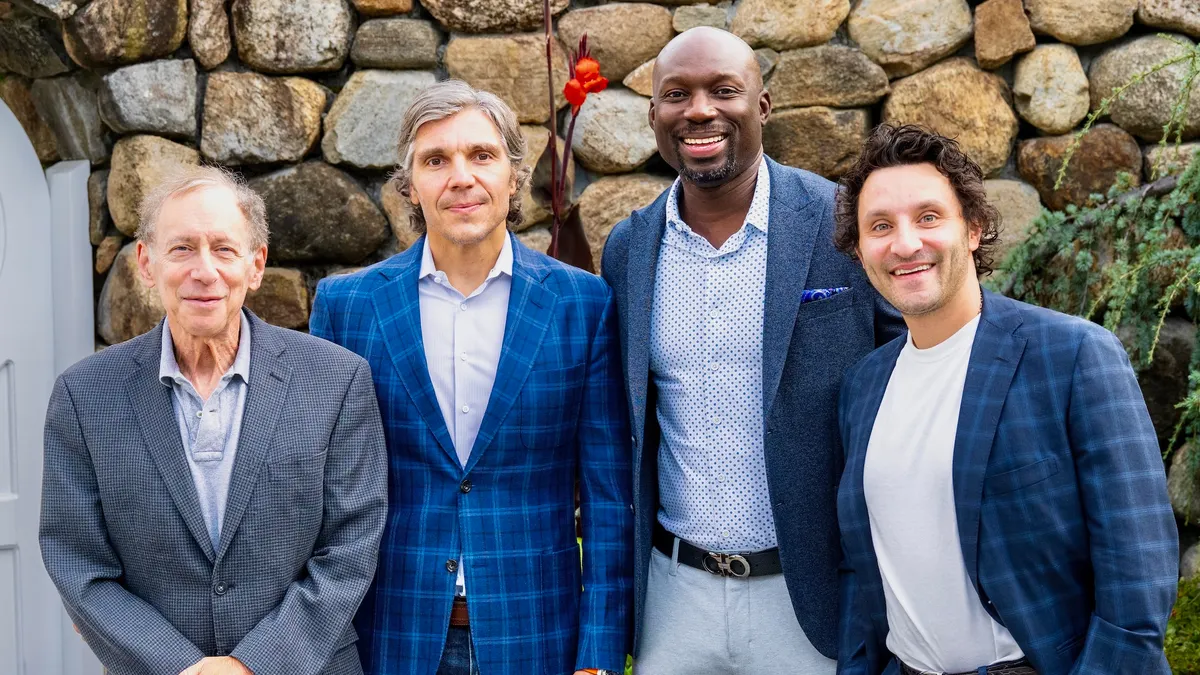
Outer currently has 19 employees along with $23 million in funding from more than half a dozen investors. That syndicate includes Wing Venture Capital, Initialized Capital, Sozo Ventures and Hawktail, the venture capital firm Polansky established in 2021. Outer is also working with "a number of companies," according to Polansky. One is Lady GaGa's makeup brand Haus Labs. Polansky is engaged to Lady GaGa, and both sit on Outer's board.
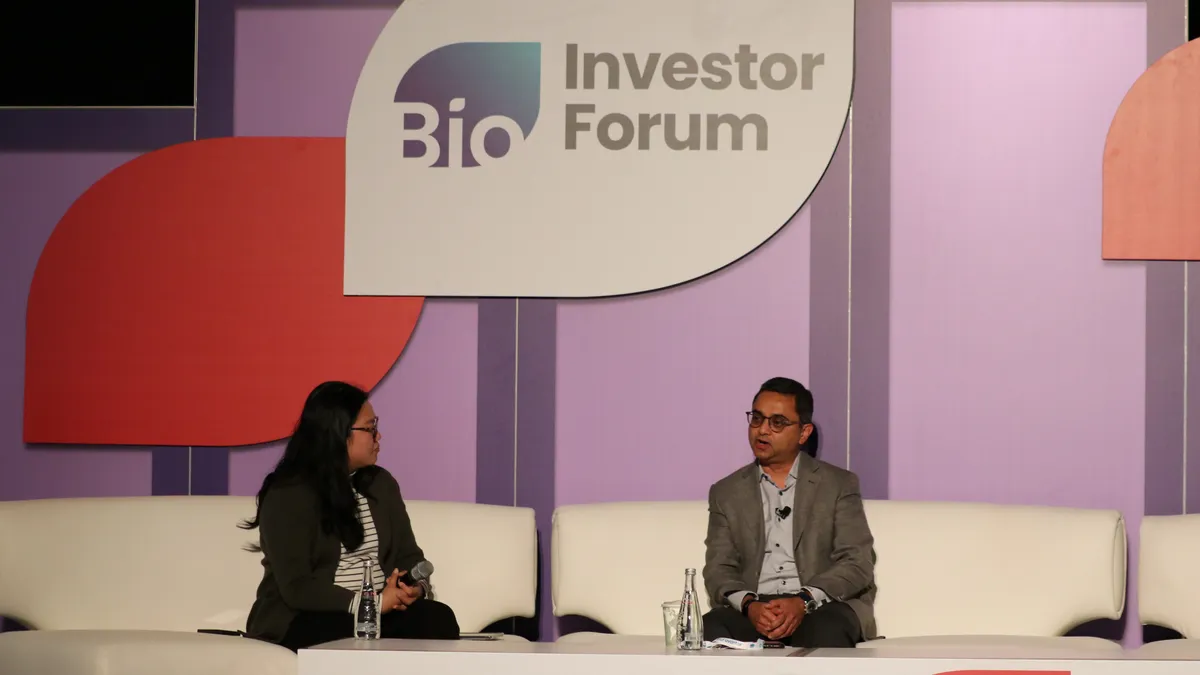
Polansky spoke to BioPharma Dive about operating a startup at the intersection of cosmetics and pharmaceuticals, and how that’s created an interesting — and tricky — investment proposition. He also detailed how Outer intends to avoid the obstacles that have derailed many biotechs.
The following conversation has been edited and condensed for clarity.
BIOPHARMA DIVE: What inspired you to create a company like this?
POLANSKY: I spent the first 12, 15 years of my career working primarily in software, and you get used to a pace of innovation that starts to feel natural and appropriate for what we want to see in the world, in terms of solving problems and improving things.
I made the transition over to life sciences somewhat indirectly. I started working in the cancer immunotherapy world and very closely with Sean Parker, who started to bridge the gap between his software career and into life sciences. One [problem] I thought a lot about was how difficult it is to generate relevant data at a speed and cost that could ever lead to an innovation pace like we see in software.
Clinical trials are so important. But [it’s] still really hard translating basic science into the clinic, as well as just basic science itself. If the goal is generating good, relevant data cheaper and faster, there needs to be companies dedicated to doing that. Unfortunately, a lot of the companies that come up with new ways of doing that are often turned into drug developers.
So I wanted to start a company really focused on efficient data generation, and not just efficient but special, new data that couldn't be generated any other way.. I [wondered] what would it mean to get great at generating data in a single organ, developing an expertise and [not] trying to boil the ocean by doing every single organ. A generalized biology effort would not be the right approach.
I started working with some ex-Emulate folks that I had met in the past — in particular our CSO KJ [Jang] and our CTO Chris [Hinojosa], who are brilliant. They come out of the Wyss Institute. We talked a lot about what organ would make sense. It didn't take long before we all kind of settled on the skin, for a variety of reasons. It’s a really interesting Venn diagram of enormous consumer demand — and I don't mean consumer as in consumer markets. I just mean people; the amount of enthusiasm and desire people have to have healthier skin is profound and universal, particularly as we start thinking about aging.
We knew the market was going to be there no matter what.
Your company is backed by more than half a dozen investment firms. When you were getting this off the ground, what were some of the biggest questions or concerns they had?
POLANSKY: We went slowly in the beginning. We sat in between life sciences and biotech and then consumer and beauty. The word skincare has different connotations to different people. The word cosmetic also has really weird connotations. Trying to talk about the path from bench to market in skin, you have to be able to think about things not just as drugs.
Active ingredients, over-the-counter and nondrug products — that's a very robust market. People are very experienced [there], they know what hyaluronic acid is, they’ve heard of retinol. So when I met with investors at the beginning, it was like they came from one or the other lens. We had a hard time at first widening the aperture enough [for them] to see we were organ-first, and that the data was equally relevant to drugs and cosmetic products.
In the early conversations I had with investors, some were only interested if we were going to go down the therapeutic path, and they wanted us to look like a typical drug discovery and development company. Then other people saw some of the rigor of the science and thought, “Well I don't understand this,” or, “Consumers aren't going to care, because they only care about packaging or branding and marketing.” So it took a while to find people.
You mentioned some longstanding obstacles with the drug development process. Have you deliberately structured Outer any differently than a traditional biotech so that it doesn’t fall into those traps?
POLANSKY: The obvious thing everybody says in the early days of these companies is if we discover a drug we're going to spin it out into a company. The list of people who have tried that and failed is very long, but that’s a financing challenge. If the quality of your asset is good then I think you're going to have success spinning it out.
We're going to skew ourselves towards the cosmetic avenue to market. And when I say cosmetic, I don't necessarily mean a beauty product. I mean not a drug. That would be preferable, because of the obvious reasons of cost and time. But if we discover a mechanism of action in a disease indication that's important, and what we have is going to work and is novel, we would be foolish not to try to develop a product around that.
I can't name any names today, but we're already working with a number of companies that could be great partners for us in our discoveries. Every major pharma company and a lot of non-pharma companies have a real deep interest in skin health. To show up with discoveries that fit what they are doing lends itself to a partnership strategy that's more than just financing.
That's how we're thinking about it today. We're going to see where the data takes us.
A big draw here is the ability to keep living skin samples alive and functional for about a month. How exactly does your proprietary system that supports and nourishes these cells work?
The truth is, it's not any one thing. It's everything from how we handle the tissue and how we process [the skin] to how it's supported in culture. We created our own support structures. The media is proprietary. The workflows are proprietary.
Over the course of four years, we continued optimizing and finding all the reasons why [the skin] wouldn't survive and fixing it. In the end, what we have is something that looks a lot more like a workflow than it does like one proprietary discovery that unlocked everything, which makes sense.
We did lots and lots of internal experiments to optimize. We didn't necessarily have a goal of a month. And to be honest, we’re still working on extending that.
There are other factors that matter. We didn't talk about this as much in our launch, but the work preserving the integrity of the [skin tissue] architecture was its own project. And showing we could do this across a wide variety of donors, that was important for us. Duration ended up the headline breakthrough I guess, but I look at it as a portfolio of things we had to get right, so that, in the end, we could start looking at our data as truly human relevant and [trustworthy.]
There’s a lot of excitement — and hype — around AI’s potential for finding new therapies. What, to you, is most encouraging about that approach so far, and what aspects are either lacking or still need proving out?
POLANSKY: A lot of the AI we use is not like AI that's been invented in the last 12 months. It’s more traditional machine learning. The thing that connects with what's going on today, for me, is people are finally believing. There's a picture that's been painted of the future, and I think we see this with the large language models and the way that folks are using it outside of biology — there's this magic in that. And where that magic is happening creates imagination around what could be possible in biology as well.
Unfortunately, that hasn't been delivered on yet, which is not a bad thing. It’s been such a short period of time. I don't know why we would expect it all to fall at once.
The interesting thing to me is that you just don't have the data you need in biology, for a variety of reasons. Some people think there's enough data, but it's just not labeled properly or it's too unstructured. Other people think the data doesn't exist at all; it needs to be generated. I think the answer is probably some of each.
I wouldn't be at all surprised if we start seeing companies that have — though I wouldn’t say this is true for us — but have no intention of ever making a product at all. Their entire company's job is just generating data. You're seeing with some of the larger AI labs that they're starting their own wet labs to generate data. Unfortunately, in biology, you have to run the experiments. It’s not something you can do synthetically. You can't scrape the literature. The data is not in the form that it needs to be in, or it doesn't exist.
Biotech executives often say the best time to raise money is any time you can. What’s your take? Are you actively thinking about or working toward that next raise? As you build out this company, how considerate do you think you’ll have to be about overhead and board composition?
POLANSKY: There is definitely, in my experience, a real contrast between how life science companies finance themselves, structure their boards and [do] corporate development, as opposed to software companies that seem to have found a more efficient path through that side of company building.
This is going to sound cliché, but I think it's true, and I would credit my time with Sean Parker for this — the most important thing is building a big company. The details around that tend to work themselves out if you're focused on what's best for the company.
My partners in this are all people that really believe in what we're doing and see the long-term vision. If you think about trading off a higher valuation for … a partner who's more aligned with you, I think that’s, in a biotech context, essential, because there are so many opportunities to take an off ramp from what you're doing to chase a near-term product. People oftentimes are forced into that position because they raise enough money to have one or two shots on goal and just kind of run out of time, and then have to make do with what they have. But if you have partners that see your vision in the same way you do, there's a lot more flexibility around how you build.
In our next round — if, when, however we raise that — what I'm going to be looking for are people who share that enthusiasm for the style of company we're building, which is the ultimate data corpus and the AI models are going to be much more valuable than any one active chemical we validate and productize.
That’s the future, and people who are coming out of the AI world right now are feeling that in general. The power of the models are that good — it’s just so profound and so transformational. That’s what we need to be. We can't be like a cookie cutter biotech company.
Maybe this is what all biotech companies are going to be in the future.