Today, a brief rundown of news involving Revolution Medicines and Zealand Pharma, as well as updates from Pfizer, Ultragenyx and TCGX that you may have missed.
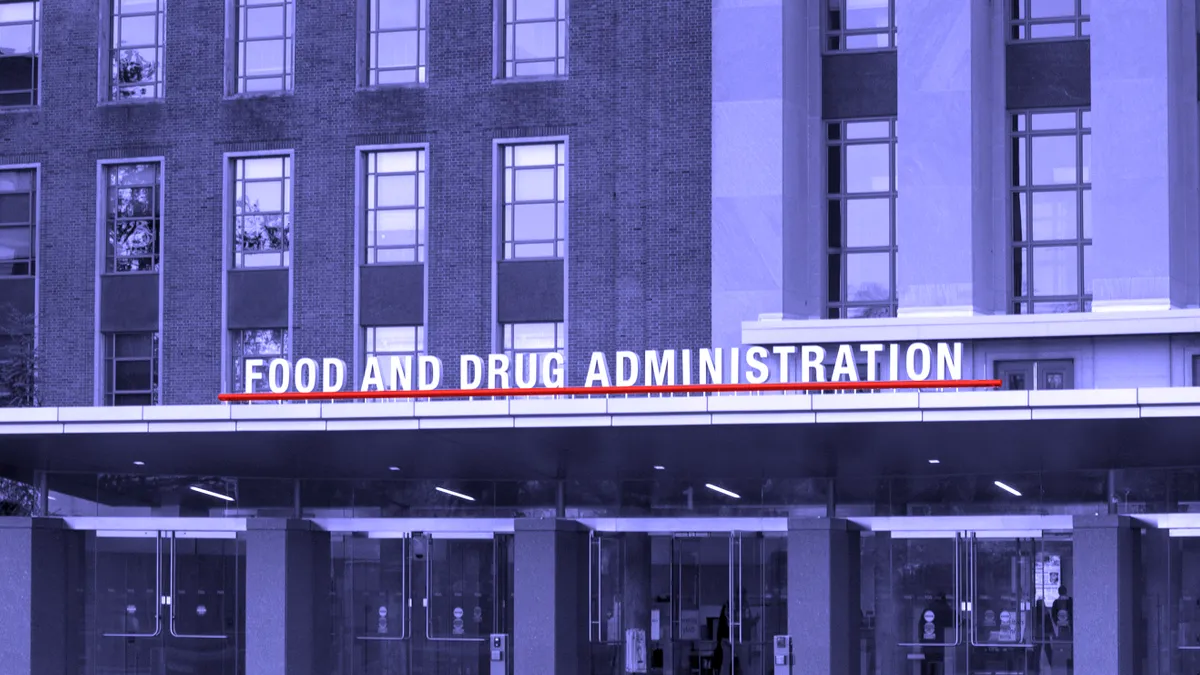
Shares of Revolution Medicine fell 6% Thursday following release of Food and Drug Administration review documents suggesting the company’s closely watched pancreatic cancer drug Rasonque might be less effective in certain patients for which it’s approved. Rasonque gained FDA approval in August based on data showing it nearly doubled survival compared to chemotherapy in patients who’d already progressed on chemo. However, the FDA documents showed that tumor responses were markedly better than chemo in trial enrollees with a specific KRAS mutation called G12V. The difference was more modest among those with a “G12D” mutation — who represent the largest share of pancreatic cancer patients — and worse in people with a “G12R” mutation. Many Wall Street analysts rushed to Revolution’s defense, arguing in client notes that the sell-off was “overdone,” “misguided” or an investor “overreaction.” Still, Leerink Partners analyst Andrew Berens referred to the disclosure as a “crack in the armor” for Rasonque and viewed it as an opportunity for competitors with G12D-specific inhibitors or next-generation medicines. — Jonathan Gardner
Zealand Pharma said Wednesday its experimental, Roche-partnered drug petrelintide helped people with obesity and diabetes in a Phase 2 trial lose up to 9% of their body weight over 28 weeks, equating to 7 percentage points more than those who got a placebo. Petrelintide was also associated with “clinically relevant” blood sugar reductions that were anywhere from about 0.6 to 0.9 percentage points better than a placebo. Multiple Wall Street analysts noted that weight loss numbers were comparable to an Eli Lilly drug that, like petrelintide, is an “amylin analog” and a potential alternative to GLP-1 medicines. They also applauded the therapy’s seemingly “benign” safety profile. Petrelintide’s effects on blood sugar, though, were viewed as less impressive. The drug will “likely be used primarily in the maintenance setting,” William Blair analyst Andy Hsieh predicted in a client note. — Jonathan Gardner
The FDA has expanded use of Pfizer’s HER2-targeting breast cancer drug Tukysa. Previously developed by Seagen, Tukysa first came to market in 2020 as a second-line treatment for HER2-positive breast tumors. The new clearance makes Tukysa available in the frontline setting, where it’ll be prescribed as part of a “chemotherapy-free maintenance” regimen also involving the targeted medications Herceptin and Perjeta. That regimen was associated with a 36% reduction in the risk of disease progression or death when compared to Herceptin and Perjeta alone in a Phase 3 trial. — Delilah Alvarado
Ultragenyx has gained $210 million by selling one of two regulatory fast passes it was recently awarded by the FDA. The priority voucher Ultragenyx sold on Wednesday was related to the clearance of Glenglycos, a gene therapy for a rare glycogen storage disease. It received another upon the approval of the Sanfilippo gene therapy Fayuvi. The sale is an “incrementally positive” development for Ultragenyx, as it’ll “significantly” strengthen the company’s balance sheet, wrote William Blair analyst Lachlan Hanbury-Brown. The company said it would consider cost cuts last month following the failure of a key experimental treatment for Angelman syndrome. — Delilah Alvarado
Biotech investment firm TCGX said Wednesday it closed a $600 million fund that will support biotechnology companies in Asia. Known as TCGX Asia Life Sciences Fund I, the investment vehicle will operate separately from, but in “close synergy” with, two other TCGX funds that back biotechs in the U.S. and Europe. It is backed by a “diverse group of international institutional investors,” said TCGX, without providing specifics. The firm is opening new offices in Shanghai and Hong Kong alongside the fund’s launch. — Delilah Alvarado