Dive Brief:
- Parabilis Medicines, formerly known as FogPharma, raised $305 million in a Series F financing to support its mission of pursuing disease targets long dismissed as out of reach by modern science.
- RA Capital Management, Fidelity Management and Janus Henderson Investors led the latest round of financing, which included both old and new investors, Parabilis said Thursday. The Series F gave the company a higher valuation than the previous round, which pulled in $145 million in early 2024.
- The company plans to use the funds to advance its lead drug candidate, zolucatetide, which is designed to target a beta-catenin pathway connected to millions of cancer cases. The experimental therapy has shown “compelling preliminary data” in an ongoing Phase 1/2 trial, Parabilis said.
Dive Insight:
Parabilis is riding a wave of resurgent enthusiasm for venture capital funding in the industry. A downturn after the pandemic dramatically slowed the pace of new public offerings and left private companies struggling for cash. Trump administration policies that gutted scientific funding, introduced turmoil into regulatory agencies and threatened tariffs on the industry made the situation worse.
But the second half of 2025 saw a turnaround for biopharma. Venture capital funding rebounded as concerns about tariffs lessened, key drug launches beat expectations and a flurry of acquisitions demonstrated faith in smaller biotechs. IPOs may be poised to bounce back as well, with Aktis Oncology set to be the first to test the waters this year.
The funding round announced by Parabilis comes amid similar recent announcements from Soley Therapeutics, Diagonal Therapeutics, EpiBiologics and Beacon Therapeutics, among others. Parabilis’ financing is the largest disclosed in early January.
Parabilis has long had a high profile for a cancer medicine startup. The company’s Helicon technology is based on work done by co-founder Greg Verdine and his team in a laboratory at Harvard University starting in the late 1990s. Verdine has since become a serial biotech entrepreneur.
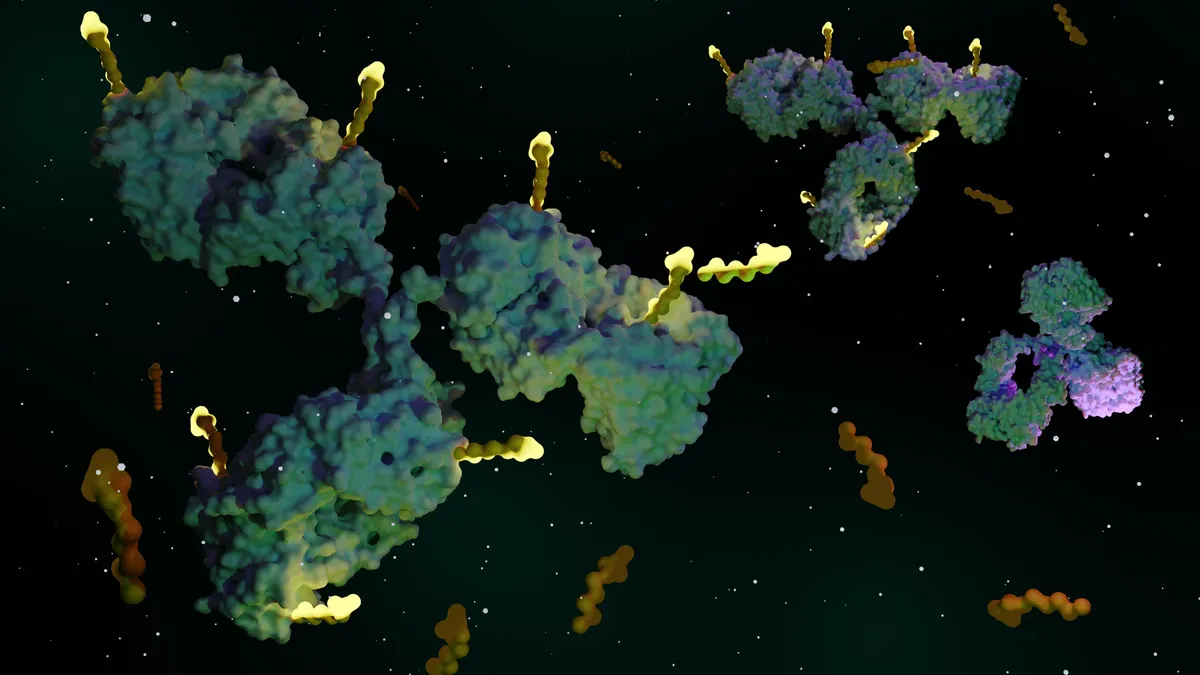
At Harvard, Verdine’s team set out to overcome the problem that traditional drugs have in reaching and binding to disease-causing proteins inside a cell. They developed short peptides in a specific helix shape that could enter cells and block disease targets. The result was what is now the Helicon platform, which Parabilis says it can use to reach multiple critical targets previously considered undruggable.
Verdine became the first CEO when the company began operating in 2016, and it has steadily progressed with financing from leading health-care investors. In 2023, the company recruited the former head of Johnson & Johnson’s research department, Mathai Mammen, to take over as its leader.