Dive Brief:
- PsiThera, a former Roivant Sciences subsidiary, announced Wednesday it raised $47.5 million in a Series A round to help develop its portfolio of tumor necrosis factor-targeting drug candidates.
- Once known as Psivant Therapeutics, the biotechnology company is using its proprietary artificial intelligence platform to find new molecules that can deliver biologic-like efficacy in an oral form.
- Its early backers include Lightstone Ventures and Samsara BioCapital, which co-led the venture capital round, as well as Roivant, YK Bioventures, and Eurofarma Ventures.
Dive Insight:
Biologic medicines that target TNF, a protein involved in inflammation, changed the way many autoimmune conditions are treated. Drugs like Humira and Enbrel effectively combat a wide range of diseases and regularly earned billions of dollars annually. But they're also given via injections or infusions, and thus are more complicated to make and administer.
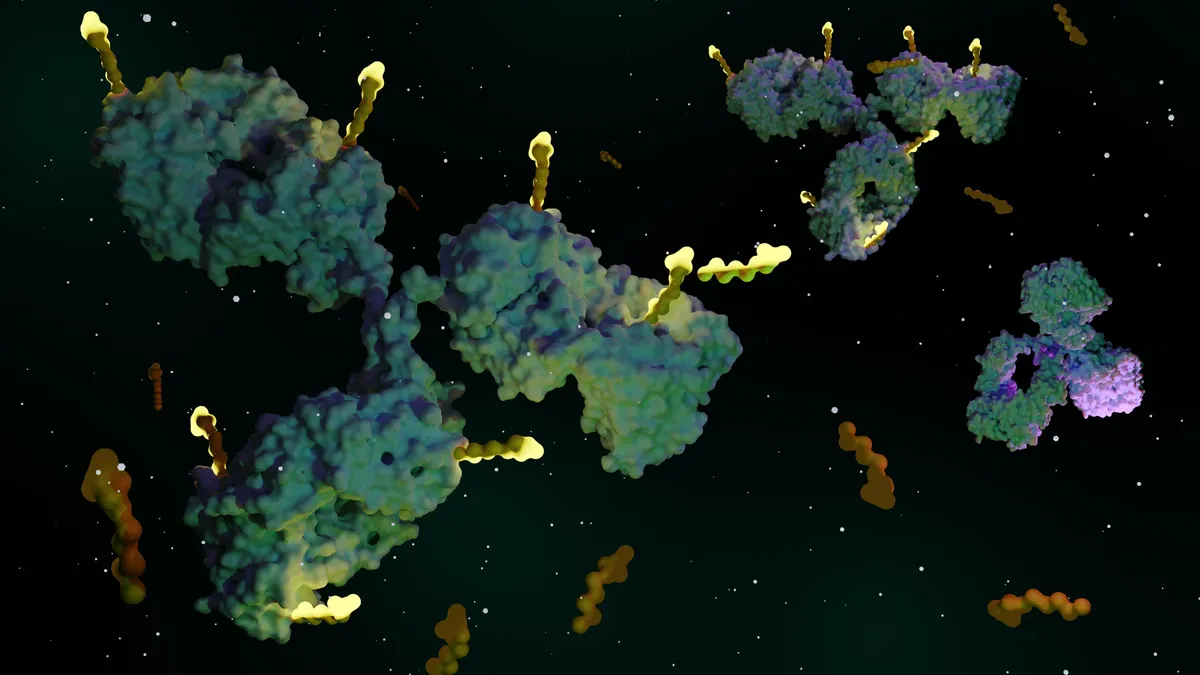
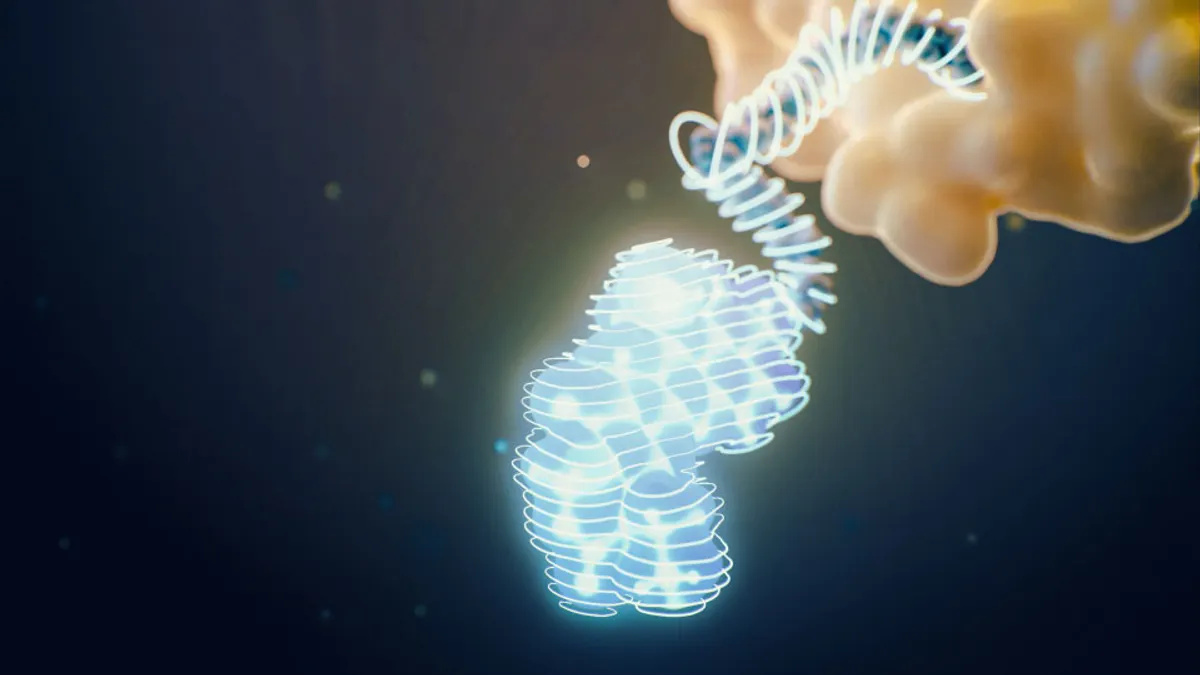
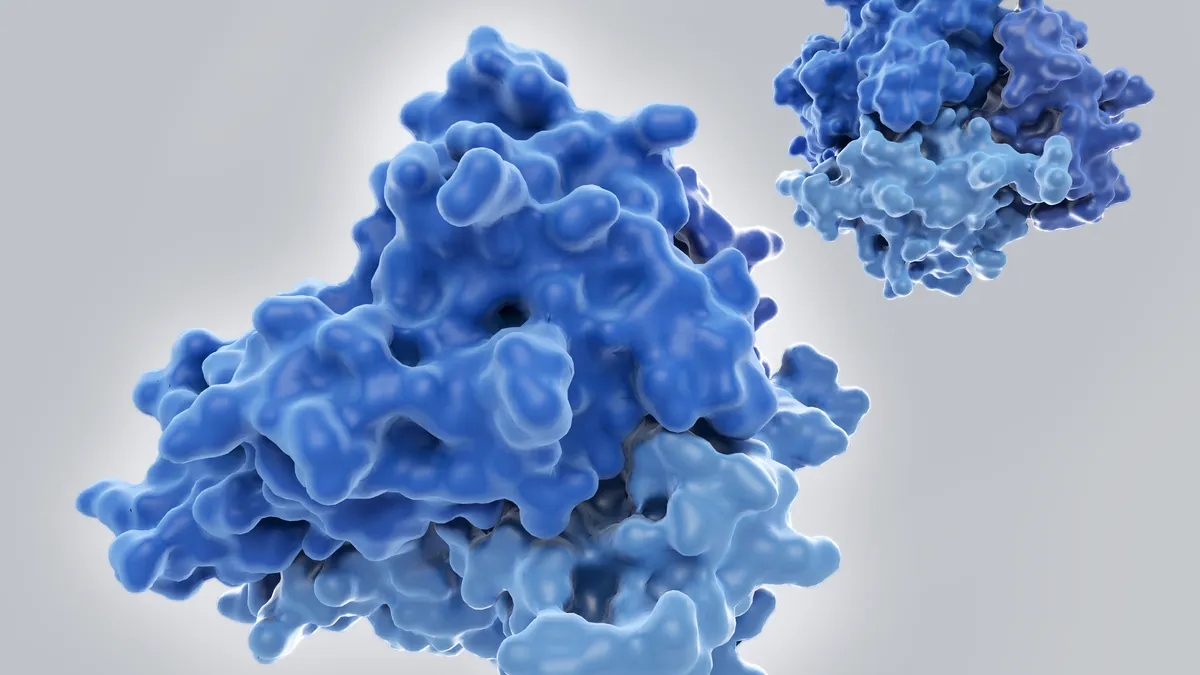
PsiThera’s ambitions are to take those biologics and turn them into oral medications that are cheaper to produce and easier to take. The company is leaning on AI to find new ways to latch onto and block TNF, and believes it can make small molecules do so by predicting and simulating the minuscule ways that a protein changes its structure, also known as protein motion, said Woody Sherman, PsiThera’s founder and chief innovation officer.

Adding to PsiThera’s enthusiasm for what’s possible for a biologic in a pill was Monday’s data readout from Kymera Therapeutics, whose shares skyrocketed on the announcement that an oral protein degrader appeared safe and worked on an inflammation target.
“There's been a growing number of examples over the course of the past 10 years of oral therapies for these previously intractable targets,” Sherman said.
PsiThera claims its AI platform can shrink the time scientists spend finding a potential molecule to optimizing it for preclinical studies.
Skeptics of AI-designed drugs, meanwhile, have been unconvinced that the technology can find high-quality medicines. The few that have made it to clinical testing, such as Recursion Pharmaceuticals’ neurovascular drug, have not demonstrated meaningful efficacy.
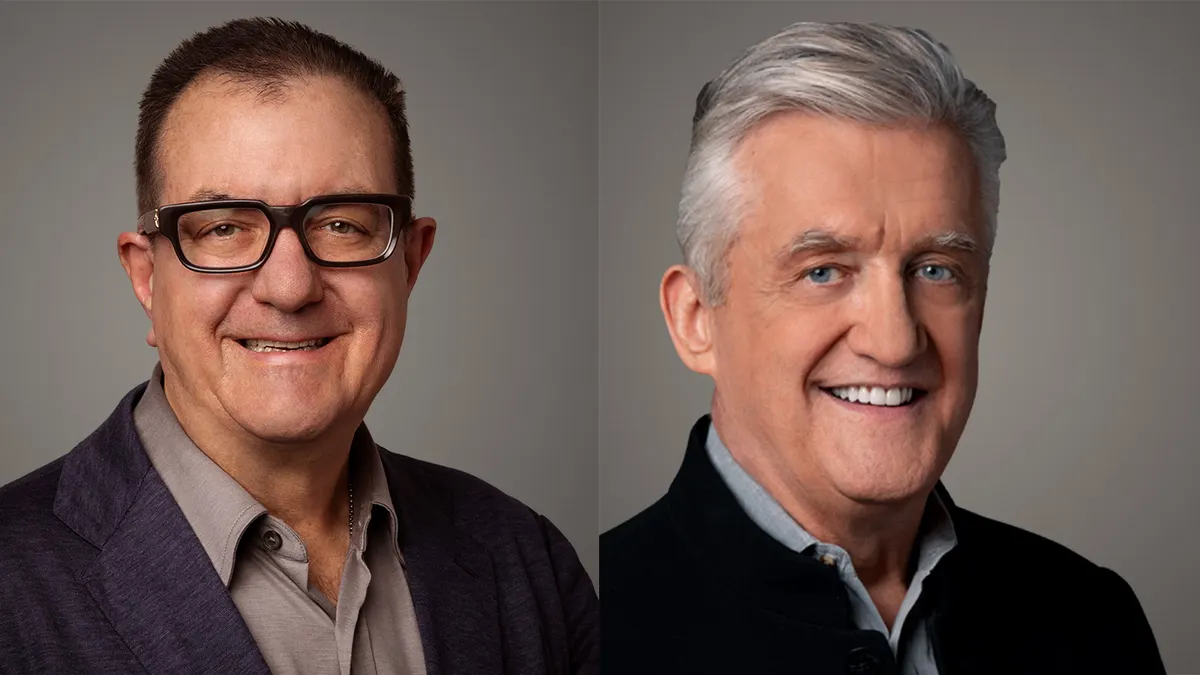
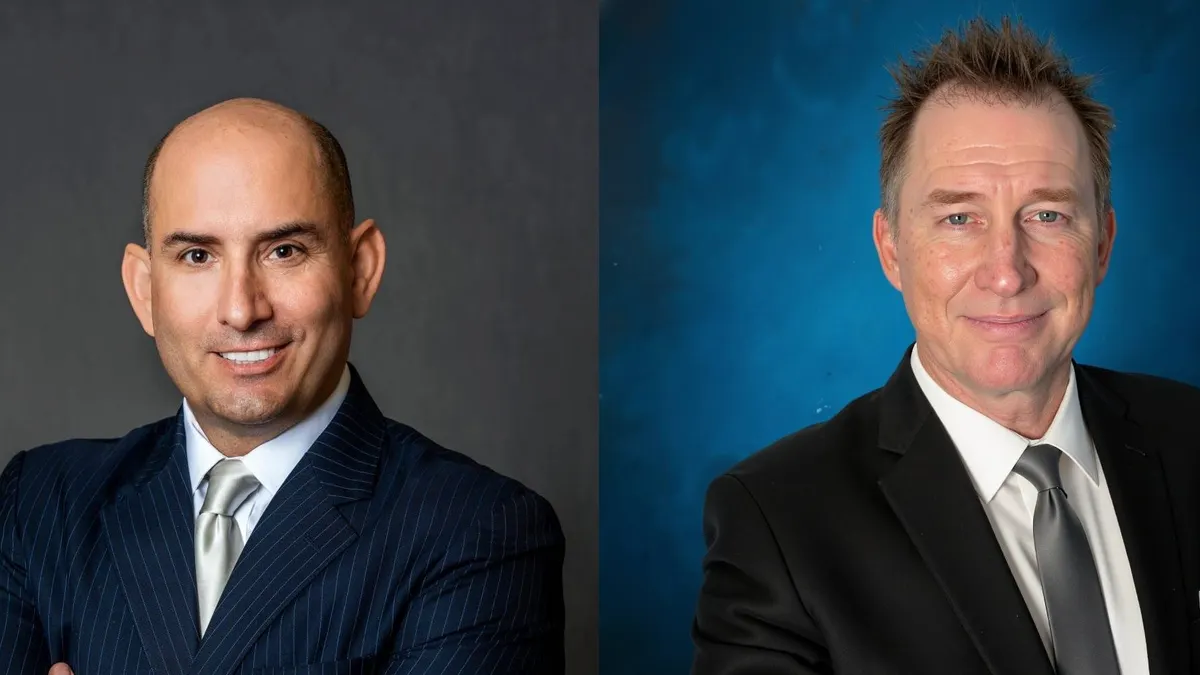
Sherman and PsiThera CEO Eric Shaff are aware of these reservations. Yet they maintain it’s still early days and that down the line, what may seem like a pipe dream for the future of AI drug discovery could become reality.
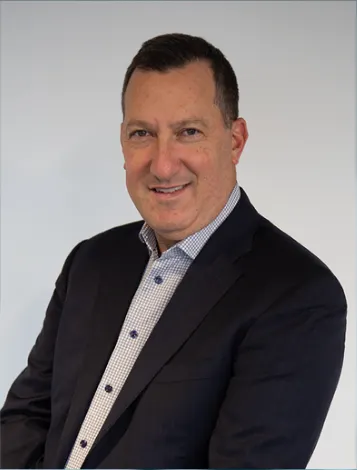
“AI may change the game, but humans have an essential role in the process,” Shaff said.
PsiThera broke off in 2022 from Roivant, which launched companies like Telavant and Dermavant as part of its “hub-and-spoke” biotech creation model. PsiThera was built around its drug discovery engine, Shaff said, and launched externally once it identified TNF as its first target.
The company plans to select its lead program candidate next year.
Correction: A previous version of this story misspelled Eric Shaff's last name, and included the incorrect year for PsiThera's spinout.