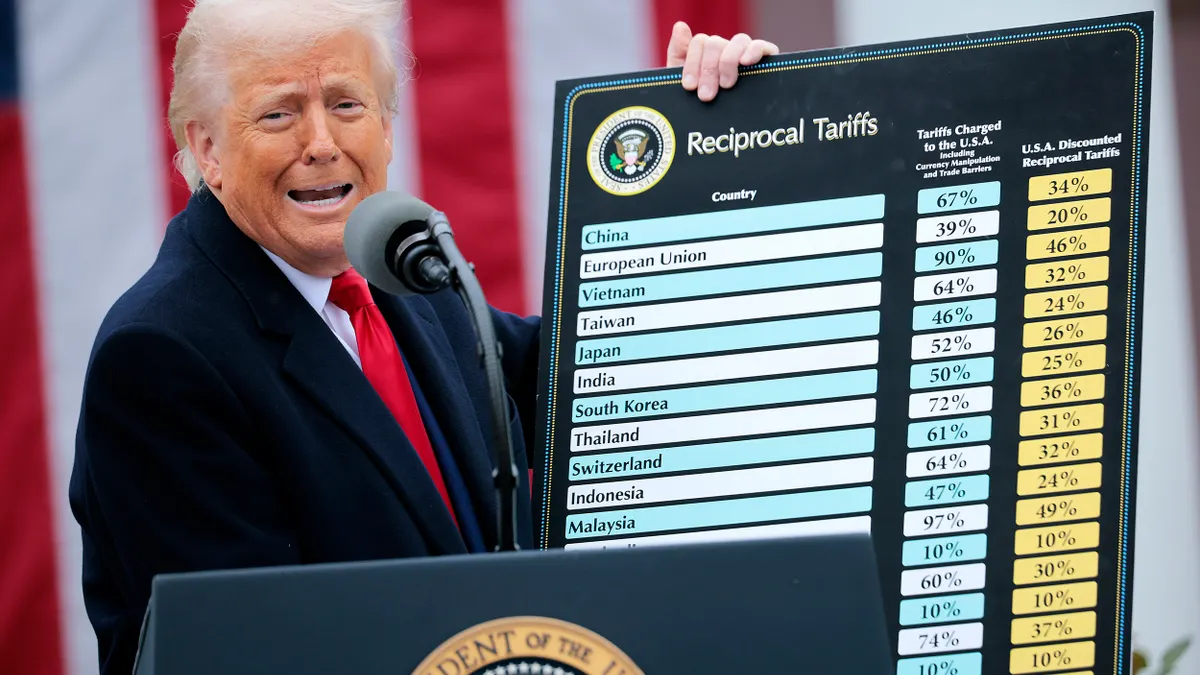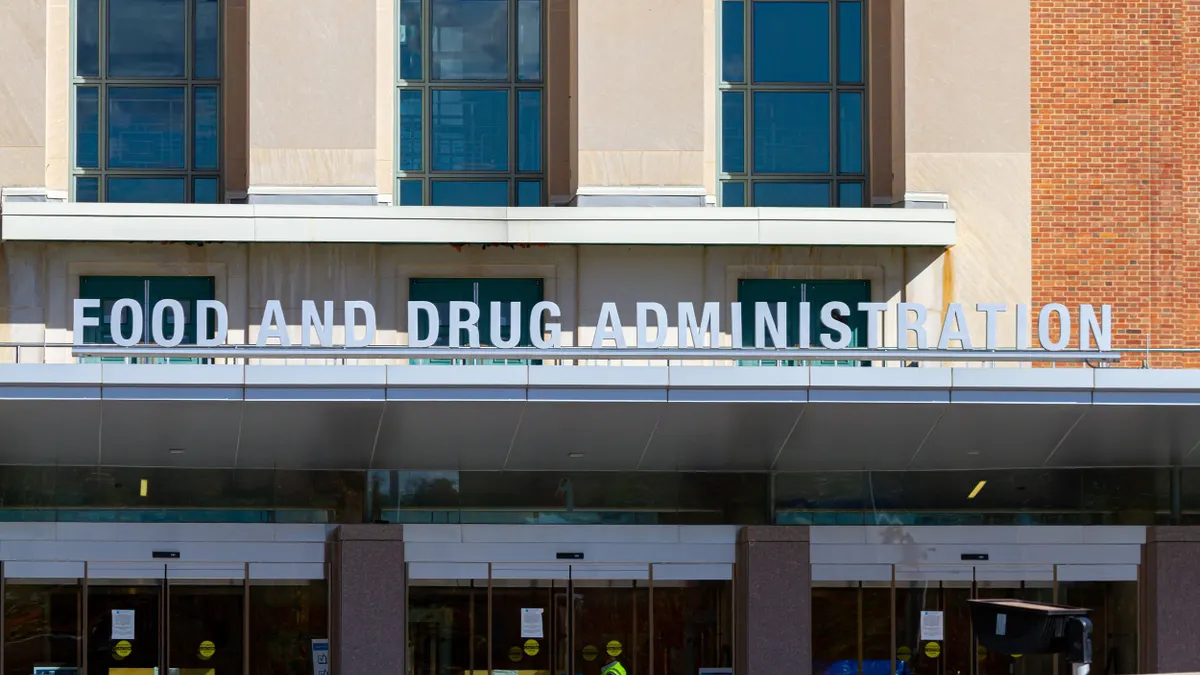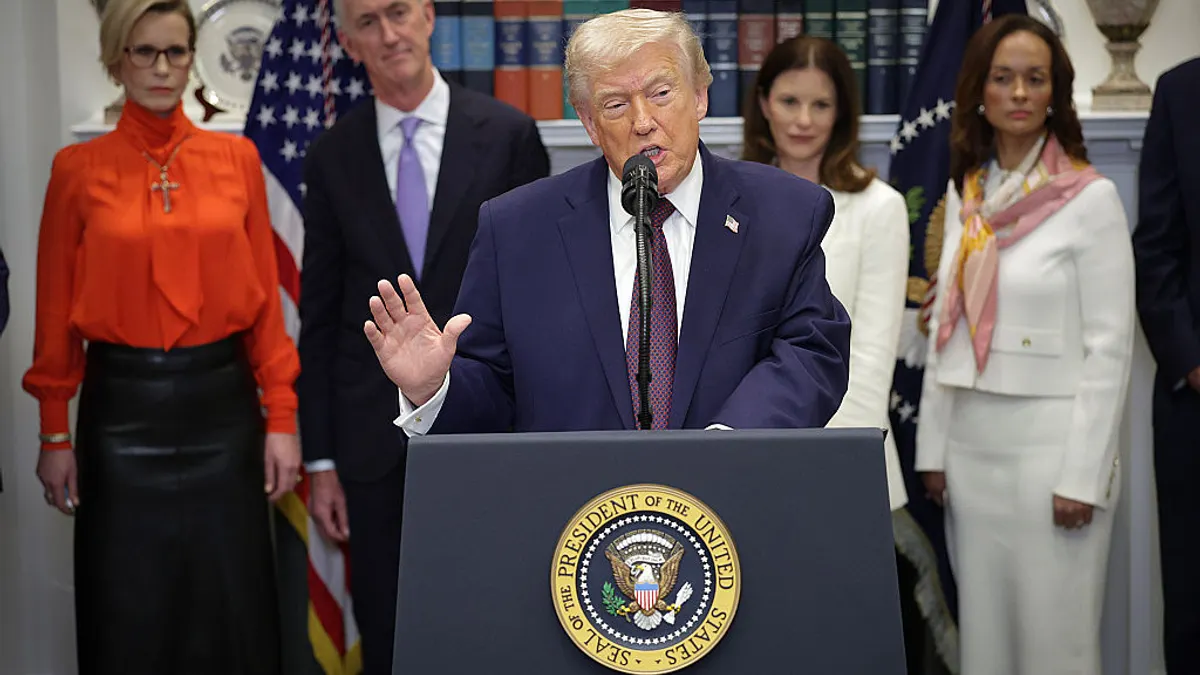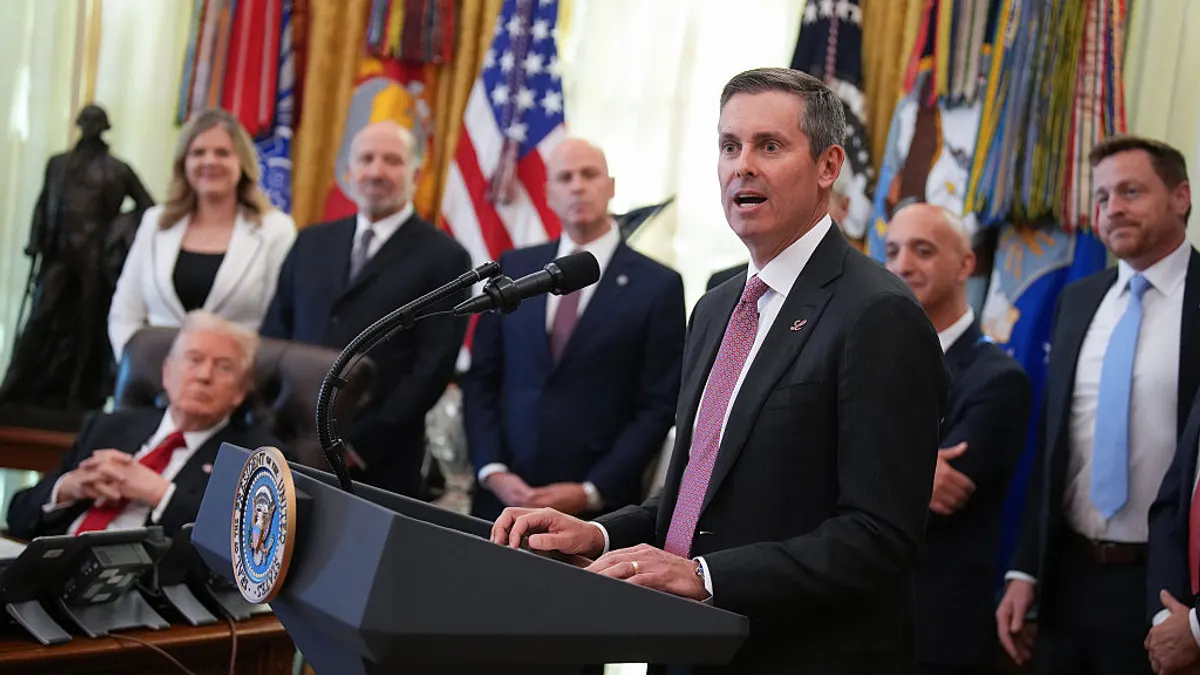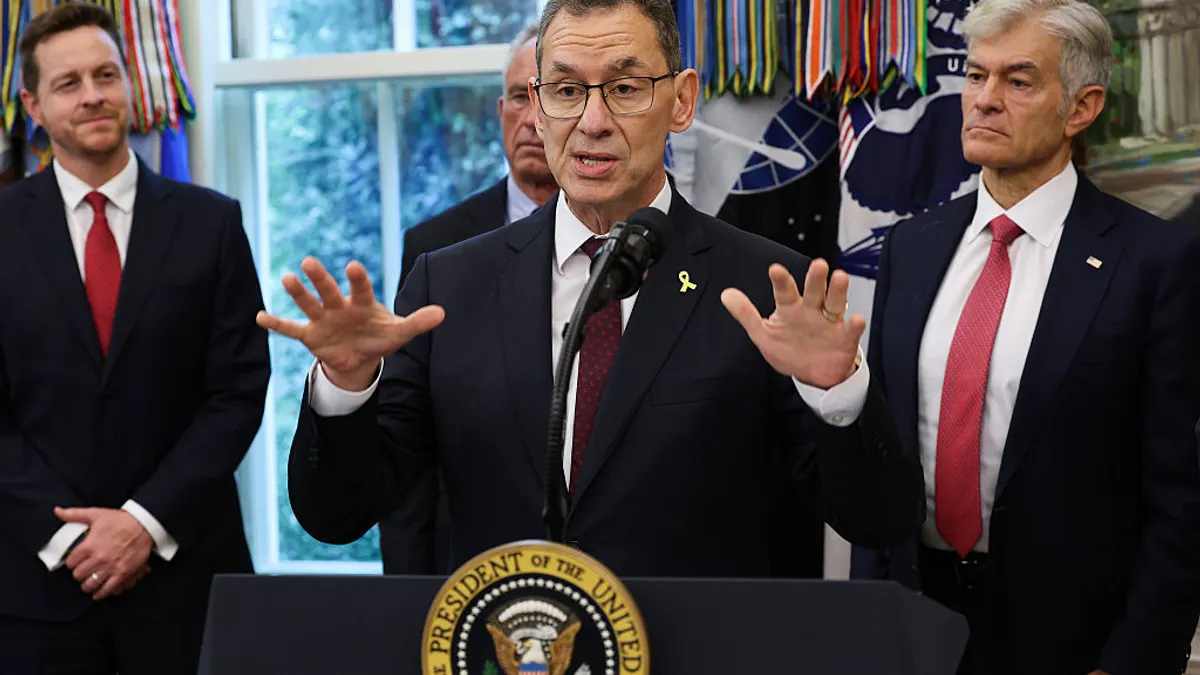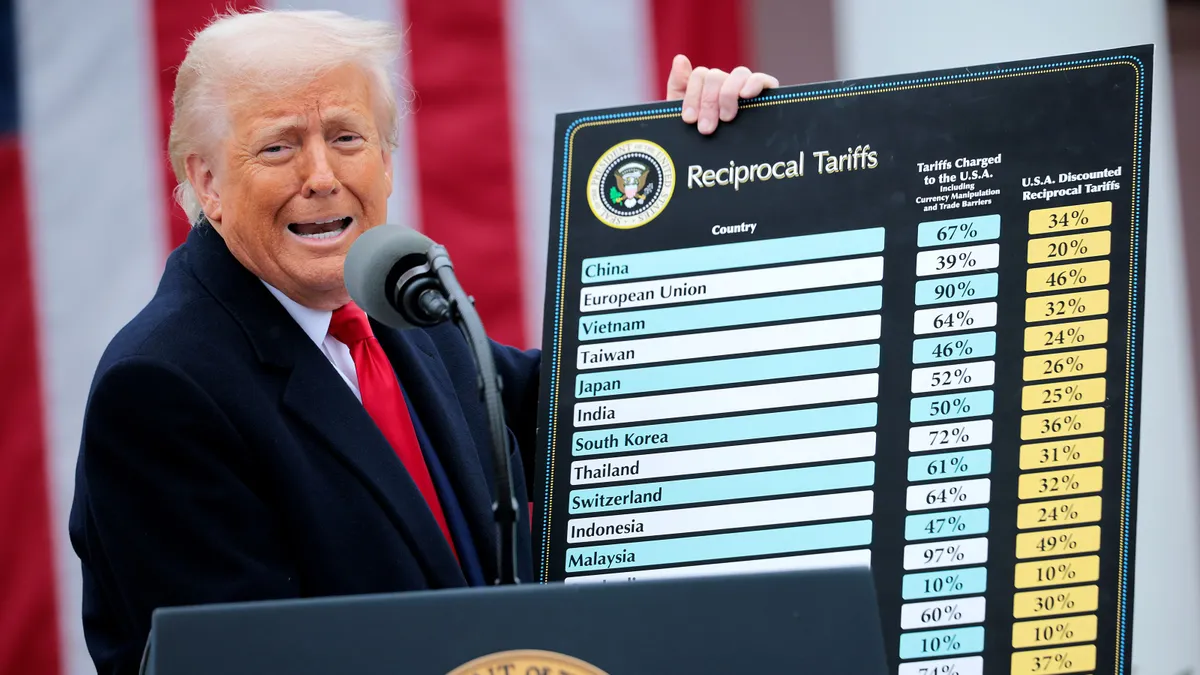
The Trump administration has revived tariffs on imported pharmaceuticals, applying 100% levies on drugs under the authority of a trade law that seeks to secure domestic production for national security.
However, the White House’s announcement Thursday exempted a wide array of drugs imported from countries that have already signed trade deals with the U.S., by companies that have agreed to pricing and manufacturing onshoring deals, along with all generics and biosimilars.
The announcement “removes a policy overhang” on biopharma companies that has existed since the Commerce Department initiated its investigation nearly a year ago, wrote RBC Capital Markets analyst Trung Huynh in a note to clients. “The policy is designed to reward cooperation, and almost every major drugmaker cooperated,” Huynh wrote.
The agreement exempts those companies that have agreed to spend a collective $400 billion to build manufacturing and other facilities in the U.S., as well as agree to “most favored nation” deals that aim to equalize drug prices with other countries. The White House lists 13 companies that have made such deals.
In addition, drugs manufactured in the European Union, Japan, Korea, Switzerland and Liechtenstein, which have already secured trade deals with the U.S., would be subject to a 15% tariff, which Huynh called “manageable.” Drugs manufactured in the U.K. will also have a lower rate that the White House didn’t specify, subject to a separate agreement.
Generic and biosimilar drugs, or their ingredients, won’t be charged any levies at all, although the administration said it will reassess that decision in a year. Orphan and some specialty drugs will be exempt if they are from a trade deal country or “meet an urgent public health need.”
Tariffs will go into effect in 120 days for large companies and 180 days for smaller ones.
The sector will be largely spared major damage, according to Huynh. “This is a positive relative to investor sentiment and our prior expectations,” he wrote. “Smaller companies pursuing large indications may be most vulnerable, but overall we think given high margins, potential carve-outs, and time to adjust, the overall threat to the sector should be low.”
Those susceptible mid-sized companies have already begun lobbying to have the tariffs reversed through a coalition called the Mid-Sized Biotech Alliance of America. And the main industry lobbying group, Pharmaceutical Research and Manufacturers of America, has also opposed them, and lawsuits appear possible to at least temporarily disrupt their implementation.
“At a time when America’s global leadership in biopharmaceutical innovation is being challenged — and Americans are struggling to afford their insurance premiums — we need smart policies to ensure that the U.S. remains the best place in the world to discover and manufacture affordable, lifesaving medicines,” said Stephen Ubl, PhRMA’s president, in a statement. “Tariffs will undermine this important goal.”
Huynh also noted that the exemption based on most-favored-nation pricing and manufacturing investment is set to sunset at the end of Trump’s current term, Jan. 20, 2029, which also leaves the potential for further harm to drugmakers.
“Companies are making 20-year [property, plant and equipment] investment decisions based on three-year policy certainty,” Huynh wrote. “If the next administration reverses course, $400 [billion] becomes stranded cost. Even if the exemptions are extended, there's no guarantee new concessions won't be demanded, creating a perpetual 2029 overhang.”