Through an acquisition announced Friday, Belgian drug company UCB is wagering more than $1 billion on a cutting-edge medicine that’s being tested as a potential therapy for a few seizure disorders as well as Alzheimer’s disease.
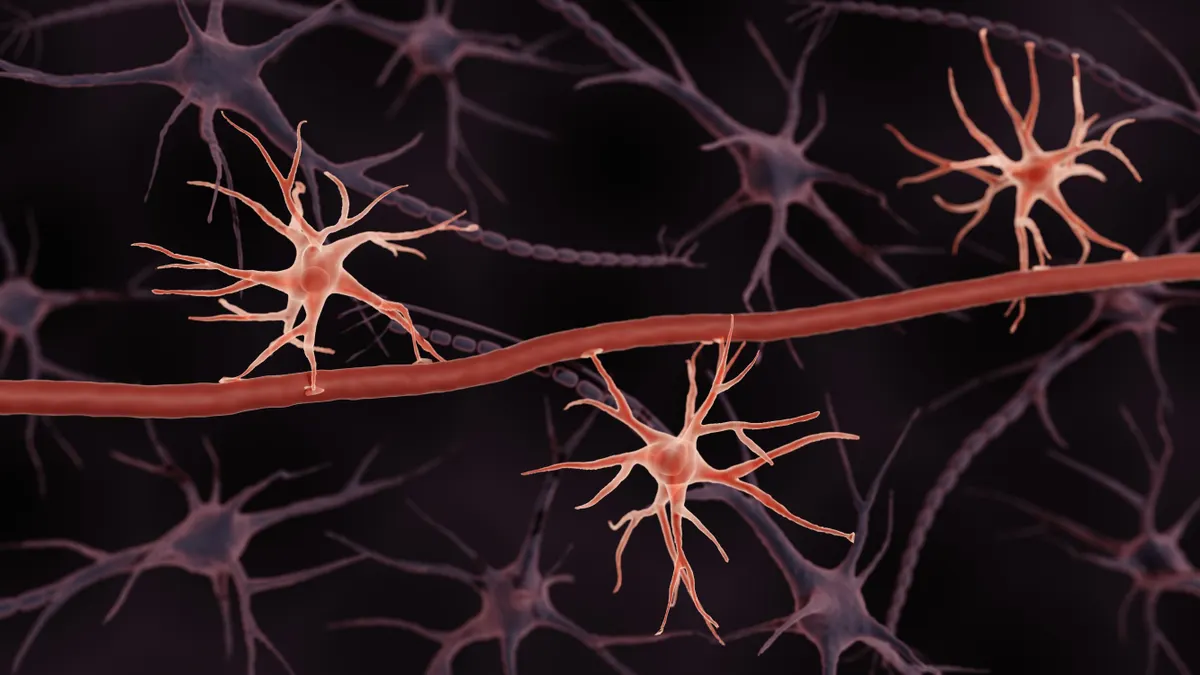
UCB offered to buy privately held Neurona Therapeutics for $650 million up front while dangling another $500 million in future, milestone-based payments. If completed, the deal would hand UCB an experimental therapy that uses pluripotent stem cells engineered to calm the brain and repair neural networks.
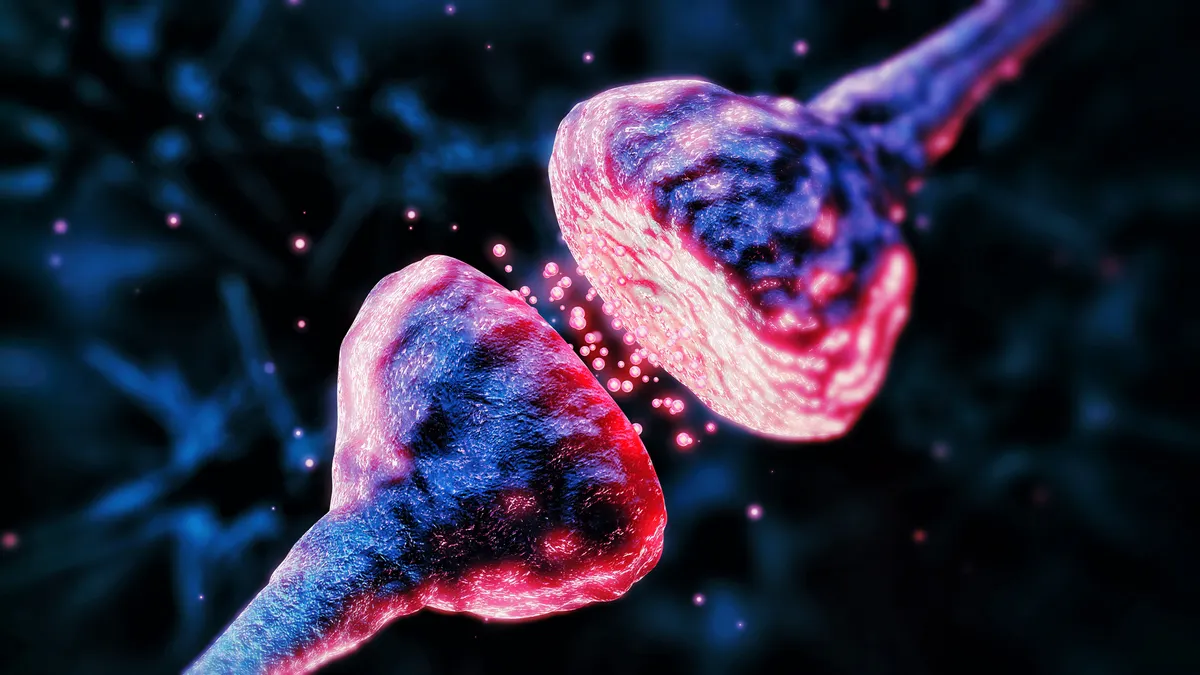
The therapy, codenamed NRTX‑1001, is currently being evaluated in clinical trials as a treatment for patients with hard-to-treat forms of a common epilepsy rooted in the “mesial temporal lobe” part of the brain.
Such an asset would diversify UCB’s arsenal of seizure treatments, which are all small molecule drugs. That list includes Vimpat, Keppra, Briviact and Fintepla — with the last being the most recent to secure U.S. approval, for seizures associated with a rare, severe type of childhood epilepsy that often causes long-term disabilities. In 2025, UCB recorded close to 1.2 billion euros, or roughly $1.3 billion, in net sales from just Briviact and Fintepla.
In a statement, the company said this acquisition “marks a strategic expansion into regenerative medicine and advanced therapies,” while showcasing a “commitment to inorganic growth” and to epilepsy solutions “that go beyond symptomatic management.”
“We believe this therapy has the potential to provide durable targeted repair of the nervous system following a single dose and could represent a major step forward for people living with mesial temporal lobe epilepsy,” CEO Jean-Christophe Tellier said in the statement.
Though often expensive to make and challenging to administer, cell therapies have proven to be powerful tools for fighting certain cancers. A growing body of evidence also indicates these treatments can be helpful combating diseases tied to the immune and nervous systems, which in turn has piqued investor interest. Back in 2024, for instance, Neurona raised $120 million to support its research, through a funding round co-led by Viking Global Investors and Cormorant Asset Management.
More recently, Aspen Neuroscience, a biotech developing a cell therapy for Parkinson’s disease, closed a $115 million Series C round. And just last month, Oryon Cell Therapies, another startup making a cellular medicine for Parkinson's, emerged from stealth with $42 million in funding.
Early this year, analysts at the investment bank Stifel met with two prominent doctors in the epilepsy space, who said around one-third of patients with focal onset seizures — a broad category that encompasses mesial temporal lobe epilepsy — remain treatment-refractory despite a significant increase in the number of FDA-approved anti-seizure medications over the past 20 years.
The statistic underscores a “significant unmet need” among this population, the analysts wrote.
Additionally, the doctors described how community neurologists often prefer to prescribe drugs that are easy to use, like Vimpat or Keppra. They viewed “azetukalner,” a closely watched, ion-channel-opening medicine from Xenon Pharmaceuticals, as having many of the same attributes that made Vimpat or Keppra commercial successes. Xenon, notably, has become a top takeover target to some on Wall Street.
A cell therapy like NRTX‑1001 may therefore face a bit of an uphill battle. But UCB sees an opportunity. Among other potentially advantageous characteristics, like being a durable, one-off treatment, the therapy is administered to the brain through a minimally invasive surgical procedure.
UCB confirmed the deal won’t impact the company’s 2026 revenue guidance, which is expected to grow in a high single-digit to low double-digit percentage range at constant exchange rates. Underlying profitability, meanwhile, is now expected to grow in a high single-digit to mid-teens percentage range at constant exchange rates.