Today, a brief rundown of news involving Ultragenyx and Bristol Myers Squibb, as well as updates from Roche, Longeveron and Rocket Pharmaceuticals that you may have missed.
The Food and Drug Administration has approved the first gene therapy for the rare progressive neurological condition Sanfilippo syndrome Type A. Called Fayuvi and priced at $3.95 million, the treatment is now the second gene therapy Ultragenyx Pharmaceuticals has brought to market since August. Neither of those therapies are projected by analysts to become blockbuster products. But Ultragenyx obtained sellable drug review vouchers alongside both approvals, which should “significantly bolster” the company’s balance sheet, wrote William Blair analyst Sami Corwin. Ultragenyx warned of coming cost cuts following the failure of an Angelman syndrome drug with bigger sales potential. Company shares climbed by double digits following Fayuvi’s approval. — Ben Fidler
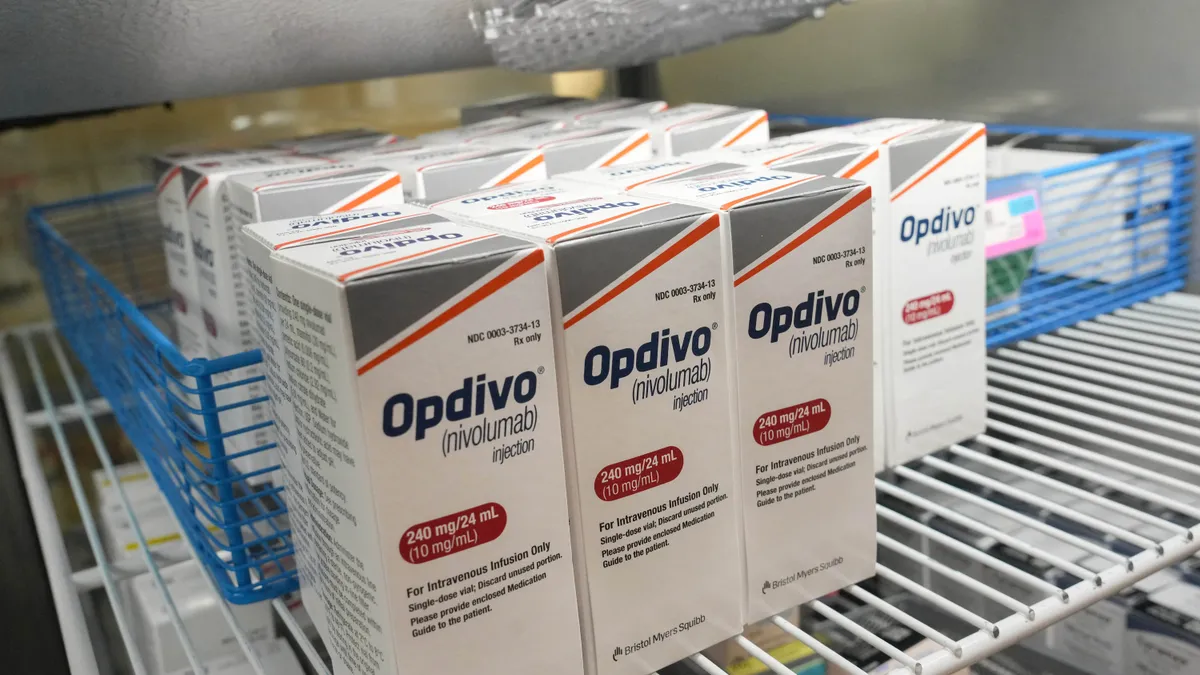
Bristol Myers Squibb has stopped development of an experimental cancer drug licensed from startup Orum Therapeutics three years ago. Bristol Myers paid Orum $100 million up front in 2023 for rights to the therapy, which is known as ORM-6151, involves a combination of antibody-drug conjugate and protein degradation technologies, and was being tested in acute myeloid leukemia. In a regulatory filing, though, Orum said that, after reviewing the data from a Phase 1 trial, it's shelving the drug along with obligations to make additional milestone payments. Orum had been eligible to receive as much as $80 million in conditional payouts in the deal. — Ben Fidler
Roche's double-barreled blood cancer drug Lunsumio has succeeded in a late-stage trial in follicular lymphoma. Roche didn't provide specifics, but said that a regimen involving Lunsumio and a standard therapy meaningfully improved progression-free survival compared to Rituxan and typical treatment in people who'd received at least one prior medication. Survival data were "immature" upon an interim data check, Roche said. Lunsumio is currently approved in the third-line setting, but the latest Phase 3 study could convert that clearance to a standard nod and expand use. Roche intends to submit the findings to regulatory authorities. — Ben Fidler
Longeveron will begin a strategic review after its experimental cell therapy for heart disease failed a Phase 2 trial. After 12 weeks of follow-up, patients receiving that therapy, laromestrocel, didn’t have a statistically significant change in a measure of the heart’s ability to pump out blood. Longeveron plans to meet with the FDA to discuss potential steps forward, but in the meantime, the company will hire an investment bank to “review all options” and intends to cut costs. — Ben Fidler
Rocket Pharmaceuticals has come to terms with U.S. regulators on modifications to a pivotal study testing a treatment for the rare heart condition Danon disease. Rocket previously paused that trial following the death of a study participant and then resumed testing with an altered protocol that, so far, has proven safe in three other enrollees. On Tuesday, Rocket said the FDA endorsed that safety update as well as its path to completing the trial. The company will recruit 9 additional patients and hopes to complete dosing in the middle of 2027. Rocket will provide an update on the program during a virtual investor webinar in early October. — Delilah Alvarado