Dive Brief:
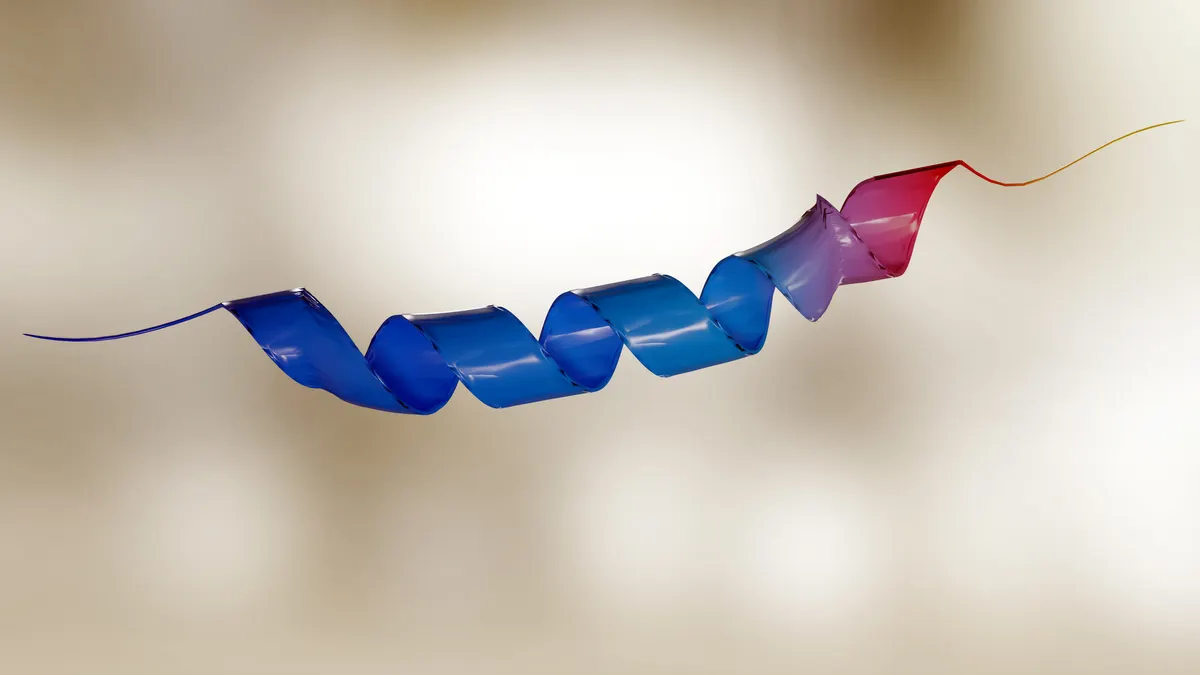
- Novo is investing in oral biologics, signing a deal with fellow Danish company Orbis Medicines to discover multiple “macrocycles” that have the “potential to replace injectable medicines,” Orbis said Thursday.
- Orbis could receive as much as $1.4 billion in up front and downstream payouts, as well as sales royalties, in the deal. The companies didn’t specify the number of drugs on which they would collaborate, nor specific diseases, only mentioning that they’ll pursue unnamed cardiometabolic targets.
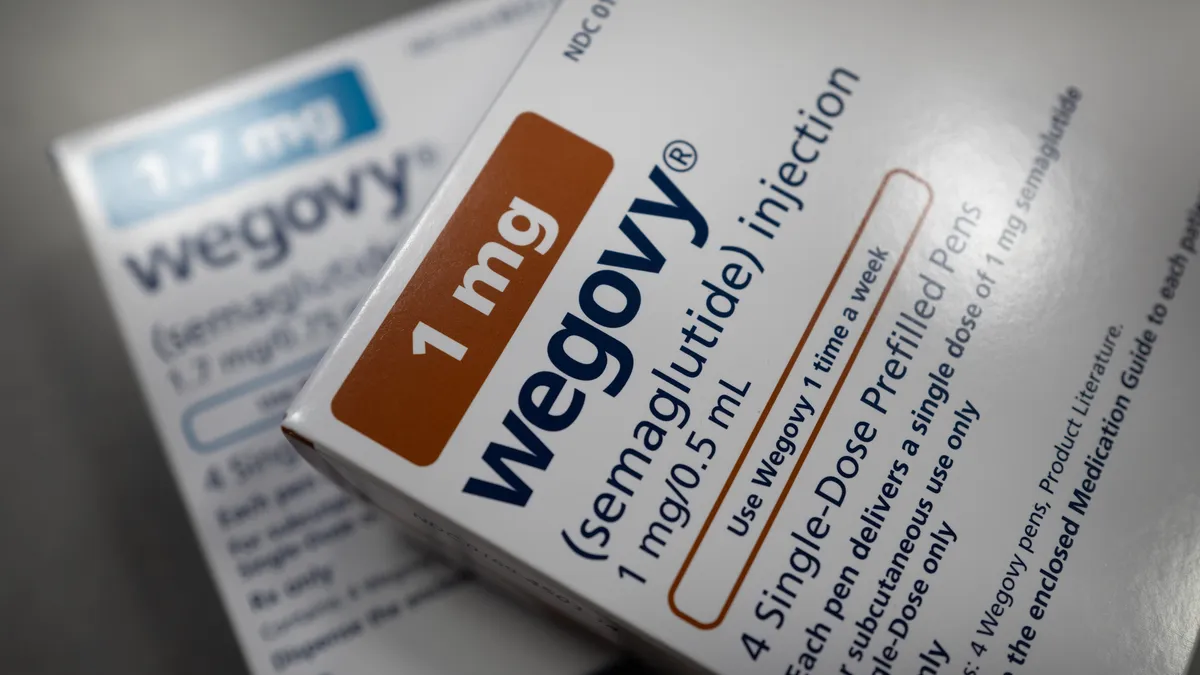
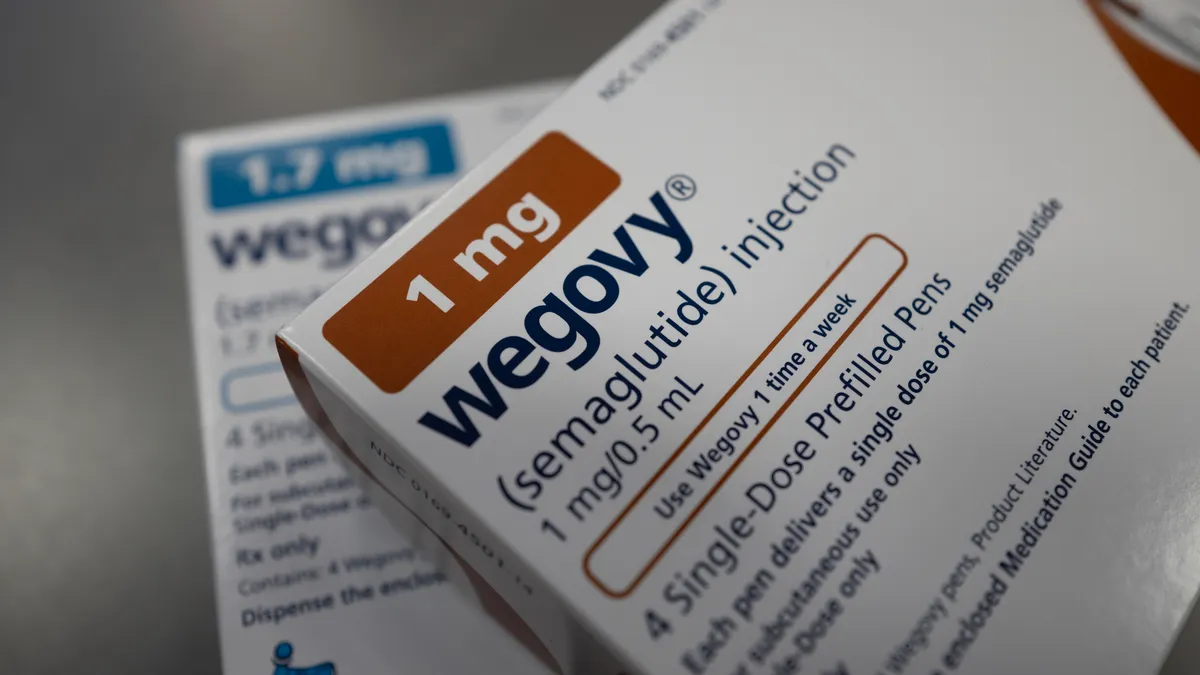
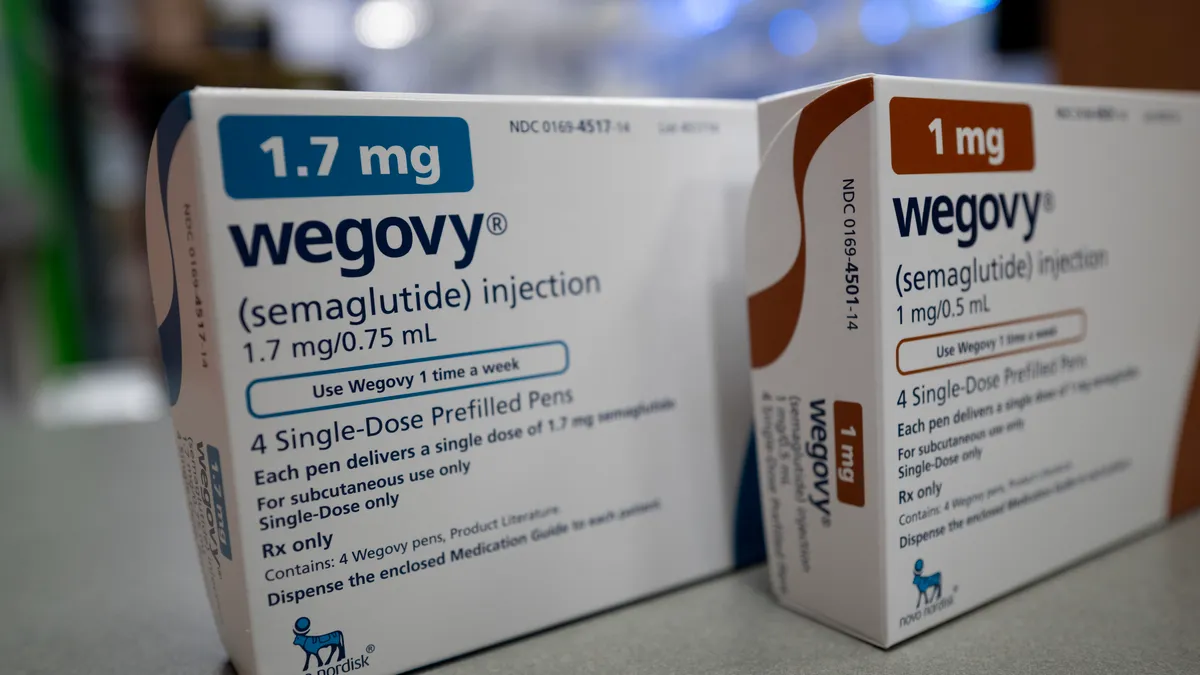
- The use of macrocycles is one way Novo could overcome some of the limitations of standard oral peptide medicines, such as poor digestive absorption. The highest dose of Novo’s Wegovy pill contains 20 times the highest injectable dose because most of the drug’s active ingredient is chewed up before reaching the bloodstream.
Dive Insight:
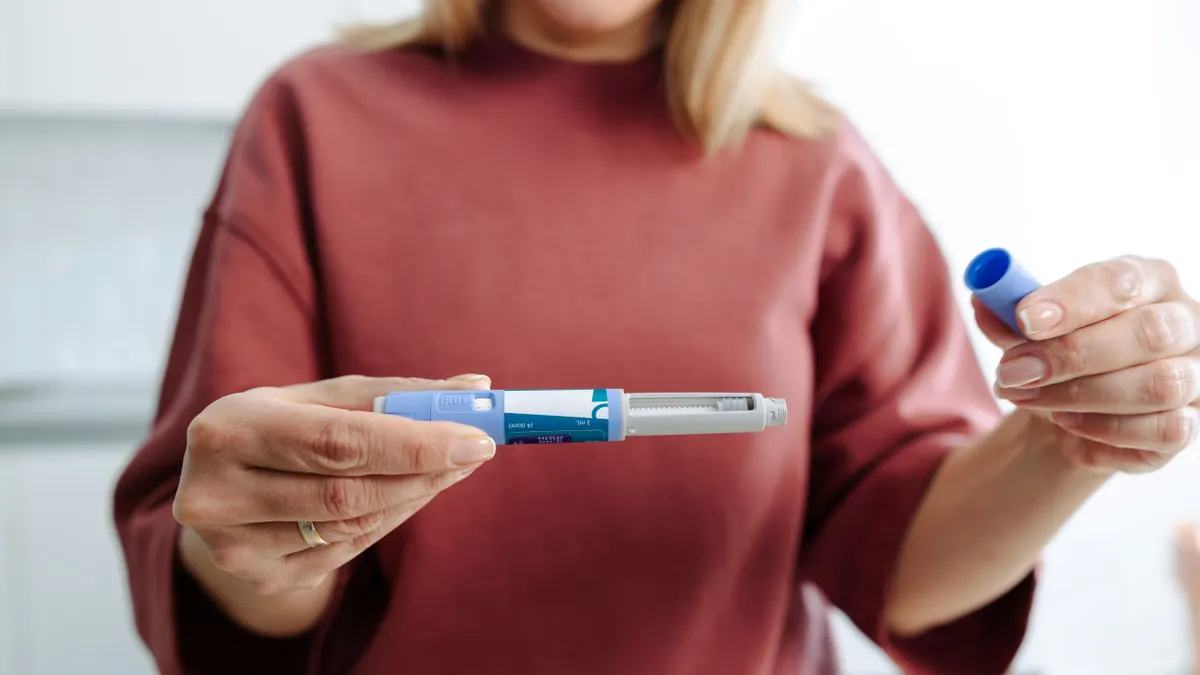
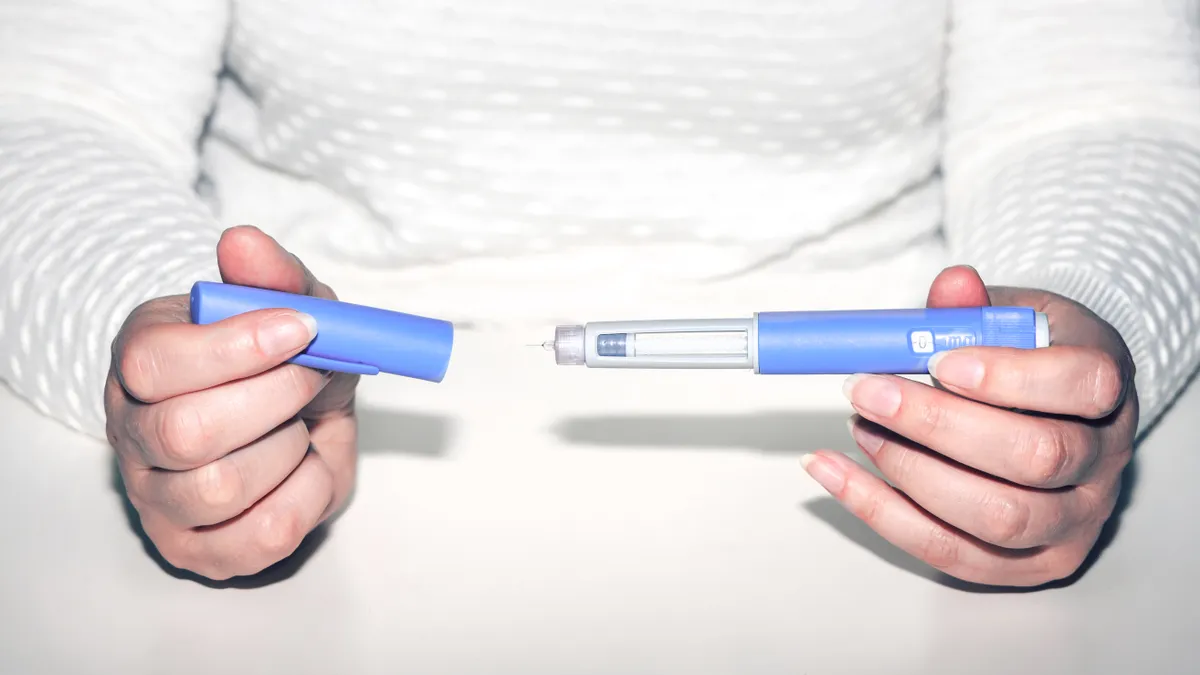
Biologic drugs such as peptides and antibodies are primarily delivered through infusions or injections, with subcutaneous “pens” being the most patient-friendly options. But drugmakers have long searched for ways to pack a biologic into a pill, hoping to help further improve convenience and medication adherence.
Macrocyclic peptides, a newer twist on a well-known drug class, are one option. Merck & Co. brought such a treatment to market earlier this year when it won approval of the cholesterol lowering medication Lipfendra. A group of startups are working on other ways to advance the technology, among them Orbis, Unnatural Products and Dayra Therapeutics. All three have now signed deals with larger drugmakers.
Novo, meanwhile, is in the midst of a reboot that follows its loss of leadership in obesity and diabetes medicines to Eli Lilly. Over the last year or so, the company has swapped CEOs, laid off staff and reshuffled its board.
Earlier this week, the company also announced a corporate rebranding that will see it drop “Nordisk” from its name in day-to-day use. It’s invested heavily in AI tools, too, most recently through an alliance with Anthropic.
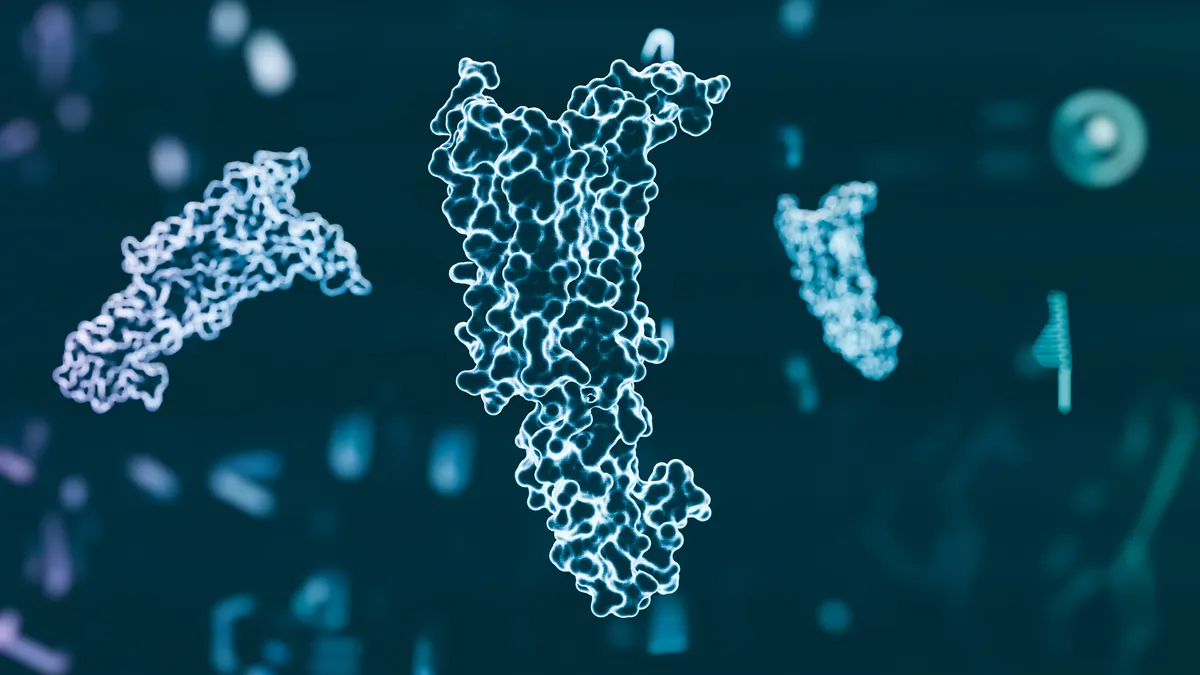
Orbis incorporates AI into drug research as well. The company uses a platform it calls “nCycles” to model and design molecules “that are both orally bioavailable and capable of modulating challenging intra- and extracellular targets,” the company said.
Orbis launched with $93 million in January 2025.