Drugs imported to the U.S. from the U.K. won’t face tariffs for three years in return for a series of government pricing concessions aimed at balancing the costs paid for drugs in both countries.
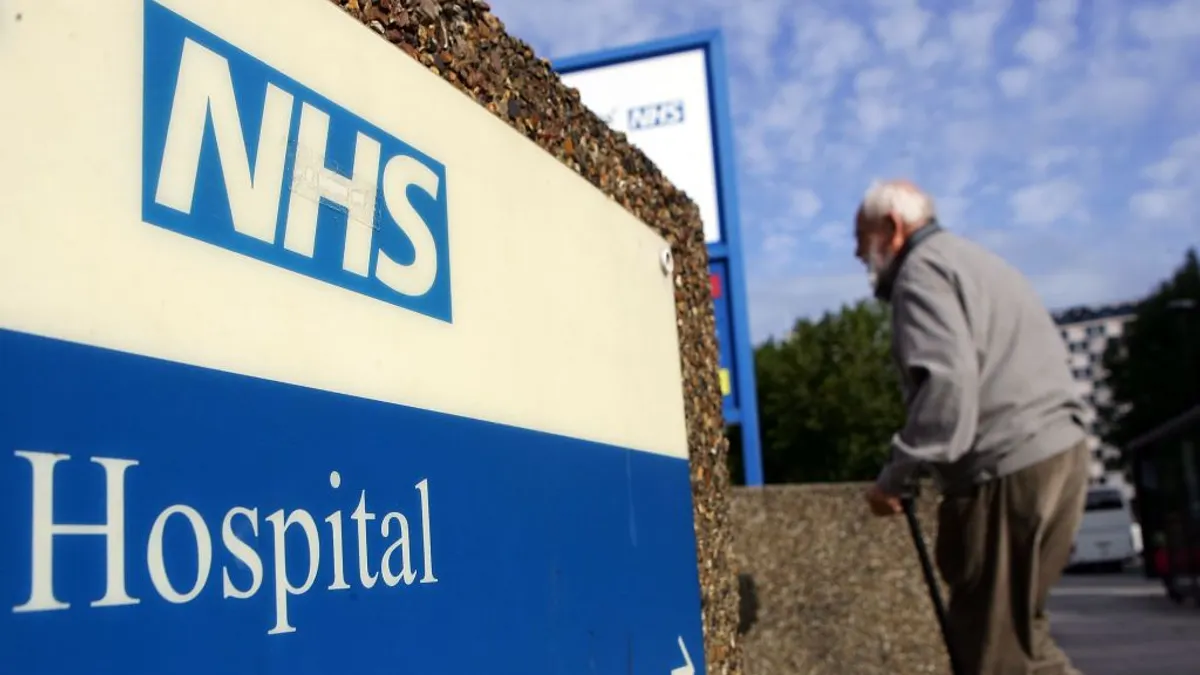
An “agreement in principle” announced Monday, and that’s part of a broader trade deal between the U.S. and U.K., will loosen certain rules that restrain the prices of new medicines in Britain. The pact will also reduce mandated rebates to England’s National Health Service from 23.5% to 15% for 2026 through 2028.
In exchange, the U.S. government won’t impose tariffs for three years on British-origin drugs, pharmaceutical ingredients or medical devices under a legal authority known as Section 232.
The agreement helps achieve many of the goals recently outlined by the U.K. pharmaceutical industry’s lobbying group, which has complained that restrictive pricing policies have slowed access to new drugs and discouraged investment. Those policies have irked drugmakers, some of which, including AstraZeneca and Merck & Co., paused spending on British research facilities this year.
Monday’s deal will see the U.K. spend 25% more on new medicines by relaxing cost-effectiveness rules set by a pricing watchdog called the National Institute for Health and Care Excellence, or NICE. Under existing rules, NICE deems a drug to be cost-effective if it costs less than 20,000 to 30,000 pounds for each “quality adjusted life year,” or year that a medicine helps alleviate the burden of a disease. NICE is vowing to boost that threshold to 25,000 to 35,000 pounds going forward, and stated Monday that the shift should enable it to approve another three to five new drugs each year.
“The deal is an important step towards ensuring patients can access innovative medicines needed to improve wider NHS health outcomes,” said Richard Torbett, Chief Executive of the Association of the British Pharmaceutical Industry, in a statement. “It should also put the U.K. in a stronger position to attract and retain global life science investment and advanced medicinal research.”
Before the deal was signed, British pharmaceutical manufacturers had already made multiple moves to avoid U.S. pharmaceutical tariffs. AstraZeneca committed to spending $50 billion on U.S. manufacturing and signed a subsequent drug pricing deal, while GSK committed $30 billion to U.S. investments.