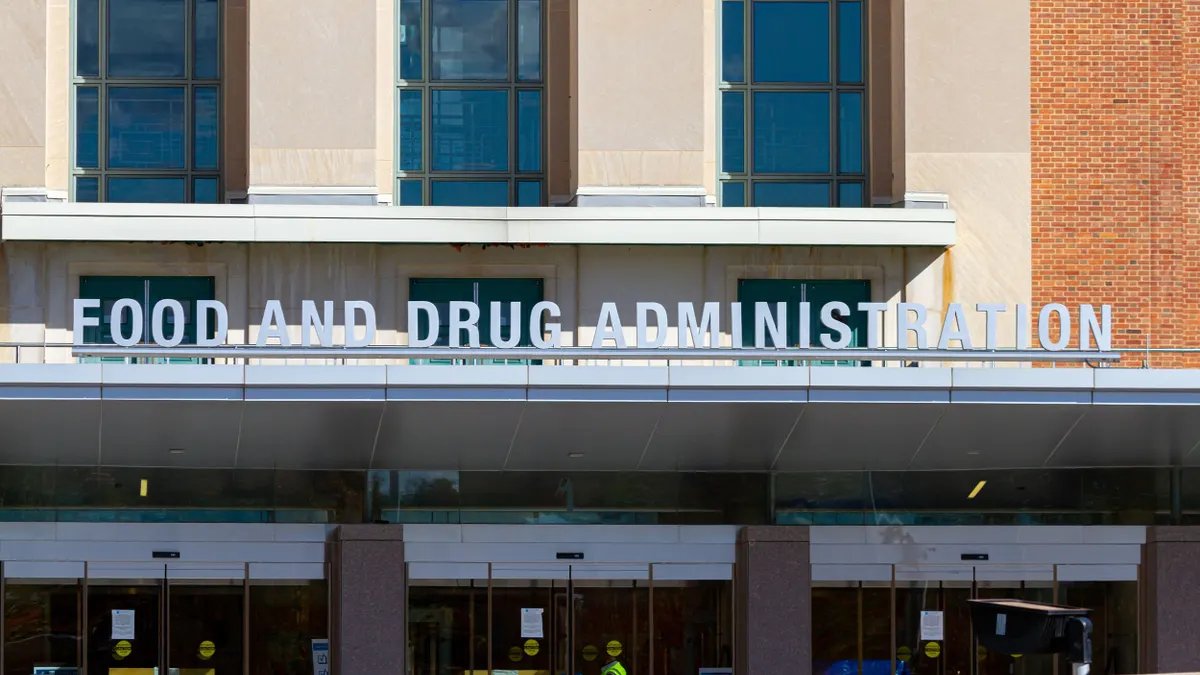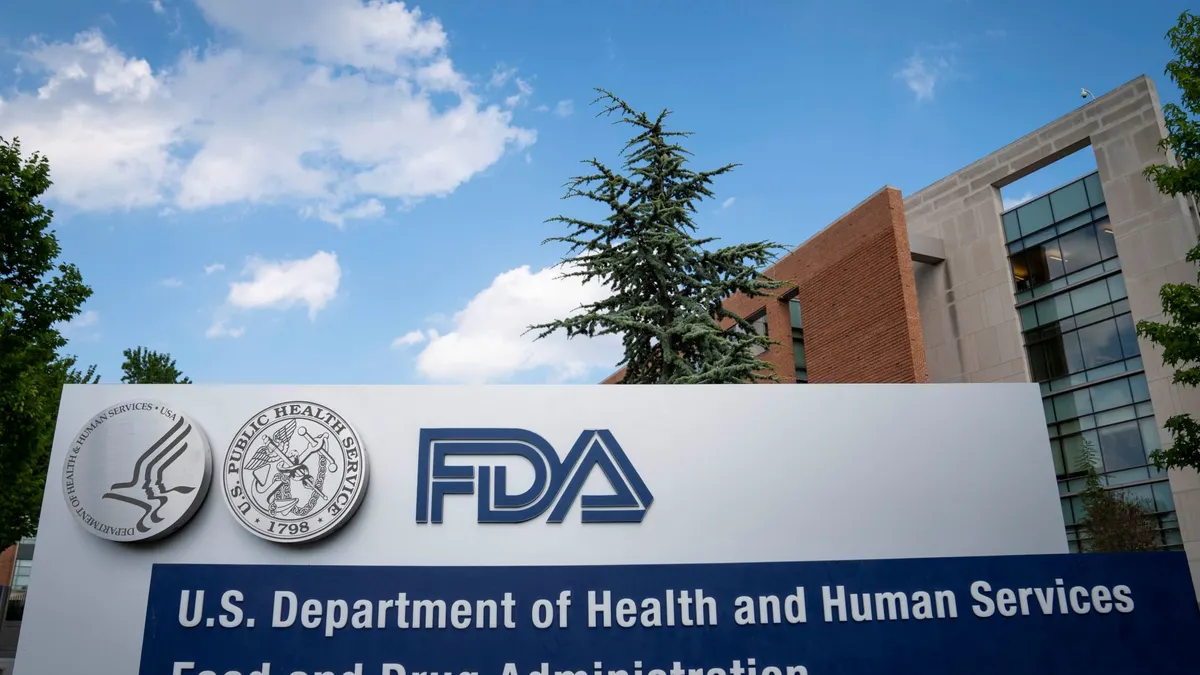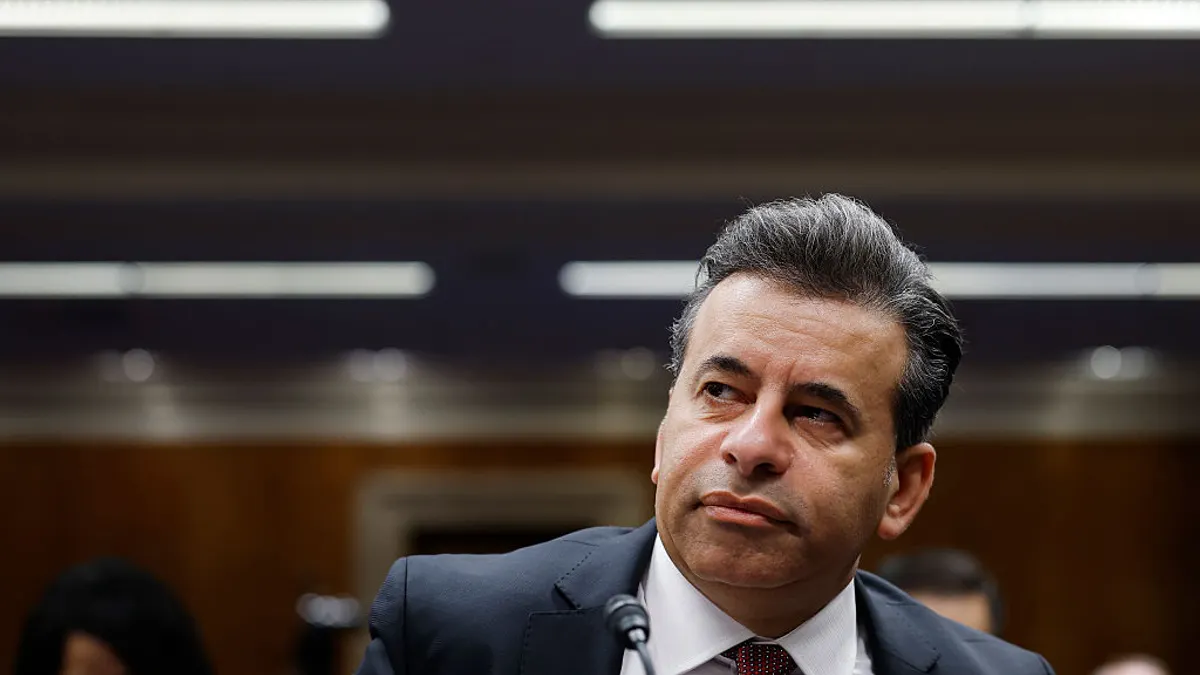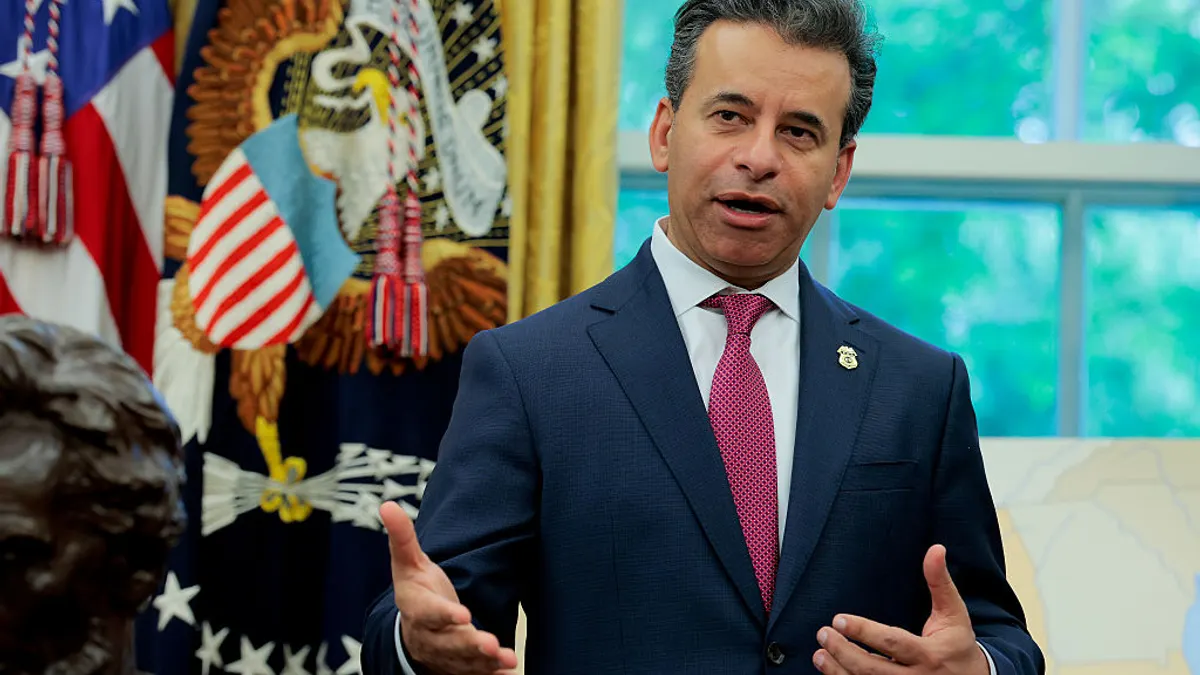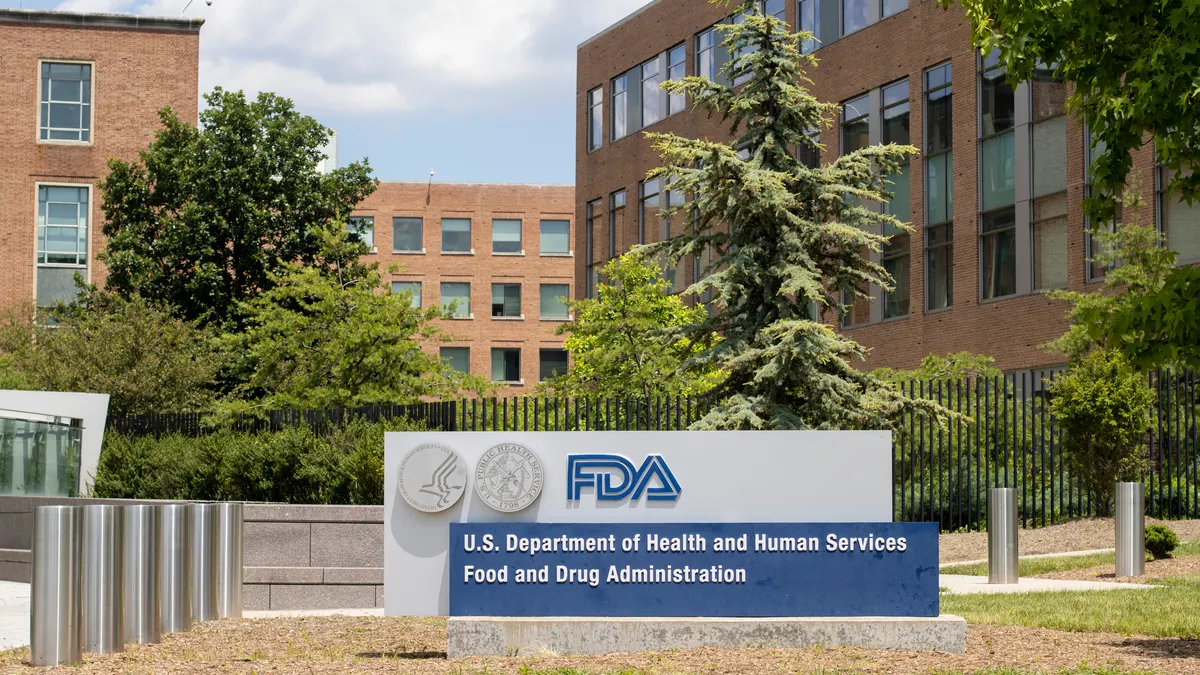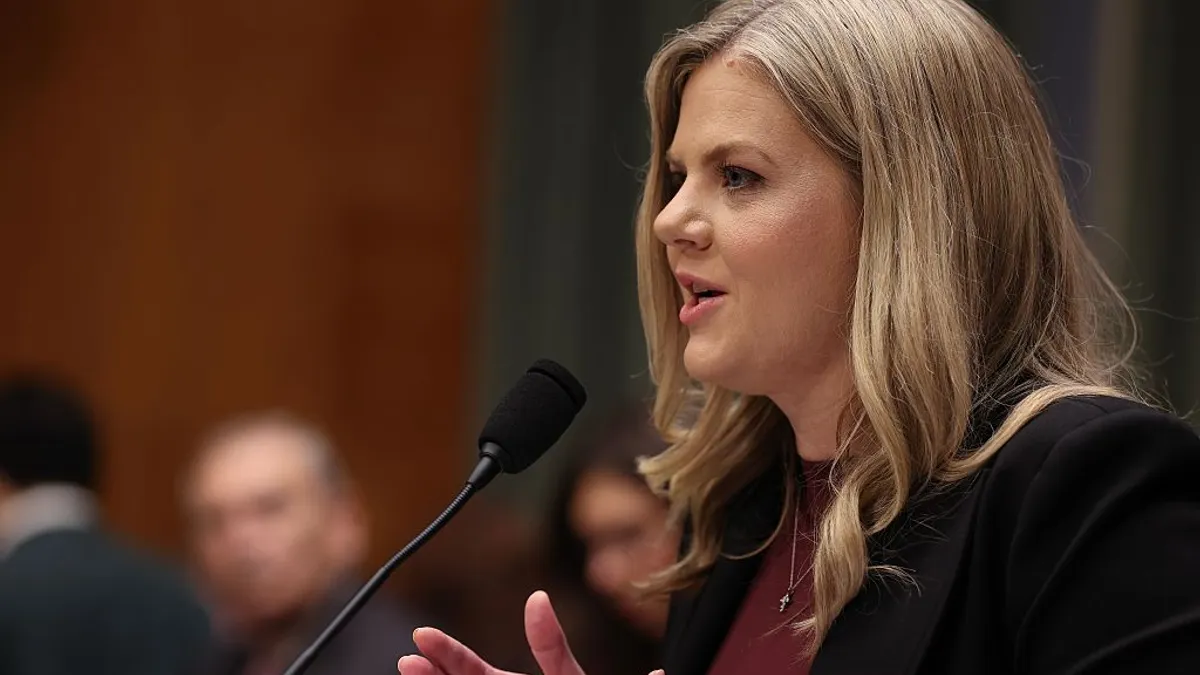
The White House has pulled Heidi Overton’s nomination to be the Food and Drug Administration’s next commissioner after her views on vaccine policy, abortion drug access and flavored vapes caused her to lose critical support in the Senate.
The Senate Health, Education, Labor and Pensions Committee had scheduled a Wednesday vote to consider Overton’s confirmation along with multiple other nominations. The meeting was urgent, too, as the White House had hoped to have Overton in place while Republicans still retain control of Congress.
Yet a vote never occurred. On Tuesday, a published report from Axios indicated that the White House abandoned the effort after it appeared Overton wasn’t likely to succeed. At Wednesday’s hearing, Committee Chairman and Louisiana Republican Senator Bill Cassidy confirmed that outcome and expressed surprise, stating he’d been involved in “productive conversations” that had “convinced me that she would follow the science and push back against decisions that put Americans' lives at risk.”
“I think she would have had the votes to pass out of a committee and to pass the full Senate,” Cassidy said at the hearing. “Unfortunately, with the limited time left, confirming a permanent FDA commissioner appears to fall to Senate Democrats.”
The decision is likely to set back for months the Trump administration’s efforts to nominate a permanent FDA commissioner. That position has been occupied on an acting basis since May by Kyle Diamantas, the agency’s deputy commissioner for food. His elevation came after the resignation of Marty Makary, who stepped down following a rocky tenure marred by constant leadership upheaval and unpredictable decisionmaking.
As an acting commissioner, Diamantas is only eligible under federal law to serve for 210 days. However, Overton’s withdrawal resets the 210-day clock.
Over the last several months, the agency has reversed many of its controversial Makary-era decisions and installed more traditional leaders at two top drug offices. Those moves have given the agency the kind of much-needed stability industry watchers believed that Overton could solidify.
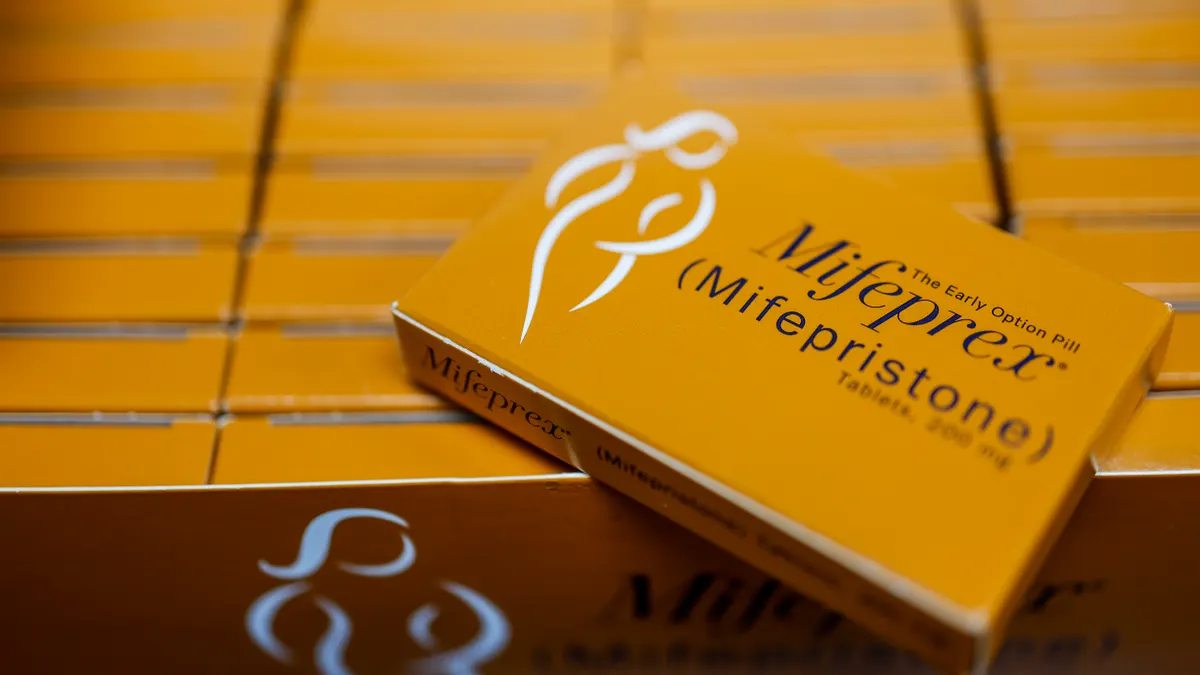
At her confirmation hearing in September, Overton pledged to “follow the law” on vaccines and acknowledged that the medical abortion drug mifepristone had met agency standards for safety and effectiveness. Republican lawmakers and anti-abortion groups have pressed the FDA to again review the safety of mifepristone despite decades of evidence supporting its use. That study is now underway, with results expected by March 2027.
Importantly for drugmakers and biotech investors, Overton also advocated for policies that could speed the development of rare disease drugs. She vowed to convene more of the expert panels that had become a rarity during Makary’s tenure, and rely on career staff scientists in making regulatory decisions.
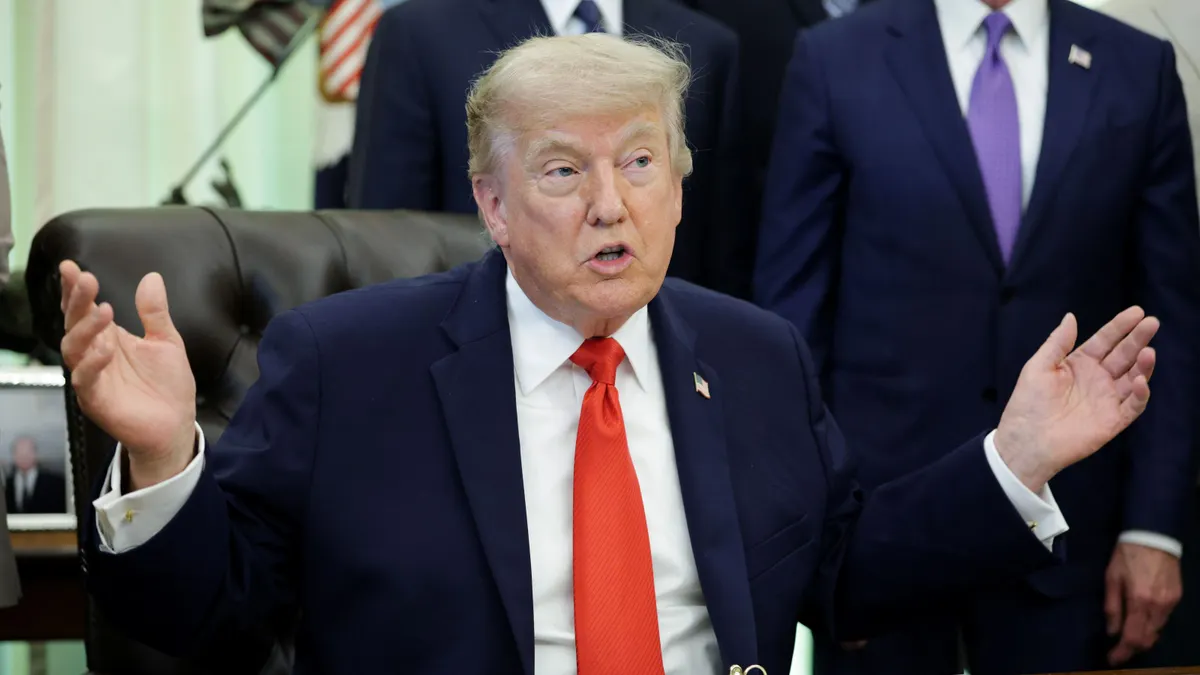
But Overton additionally backed Trump’s push to divide the MMR vaccine — which Trump referred to as “lethal” — into three shots. Her stance on abortion, as well as her role loosening access to flavored vapes, reportedly also drew opposition from multiple “MAHA” groups and GOP lawmakers.
It’s unclear who the administration might nominate next. Semafor reported that Republican Sen. Roger Marshall, a physician who lost a re-election campaign for his seat in Kansas, could be the nominee.
In the meantime, though, the FDA’s operations and drug approval processes are “likely to continue running reasonably smoothly” and without any major disruptions, wrote RBC Capital Markets analyst Brian Abrahams.
Should Diamantas leave, the sector “could potentially see more instability,” Abrahams cautioned. But Marshall, he noted, has a track record that is “generally pro-innovation [and] industry-friendly.”