Dive Brief:
- Isomorphic Labs, a spinout from Alphabet trying to “reimagine” drug discovery with the use of artificial intelligence, raised $5 billion in a Series C financing led by Greenoaks and Sequoia Capital.
- Alphabet offered “continued significant investment” in the funding round, which also included participation from existing investors and new ones such as Andreesen Horowitz, Isomorphic said Tuesday. The financing follows a $2.1 billion Series B announced in May.
- The money will help Isomorphic as it attempts to ultimately move from developing AI models to bringing medicines to the clinic. The London-based company said it also expects to be able to “expand deeper into new biology.”
Dive Insight:
The latest financing for Isomorphic comes as the AI industry is stumbling. The downfall of Nvidia CEO Jensen Huang and election results that showcased voter anger with data centers have triggered a reckoning for the industry and a larger selloff of technology stocks.
But investors in Isomorphic appear unfazed. The company’s two multibillion dollar funding rounds represent the biggest venture capital infusions this year involving the 26 firms BioPharma Dive tracks. And the latest $5 billion Series C is the largest among all financings tracked since 2022.
Both large and small drugmakers are rushing to embrace AI in their operations. Bristol Myers Squibb, Merck & Co., Eli Lilly and Novo Nordisk have all announced significant investments or partnerships this year. Isomorphic, founded in 2021, counts Novartis, Johnson & Johnson and Lilly among its partners.
Anthropic CEO Dario Amodei recently predicted that AI could cure most major diseases within a decade. Yet questions abound about how much the technology can actually do. There’s no approved medicine designed by AI, and even proponents of its use in drug discovery warn that it’s unlikely to be a quick panacea for the risks and failures of pharmaceutical development.
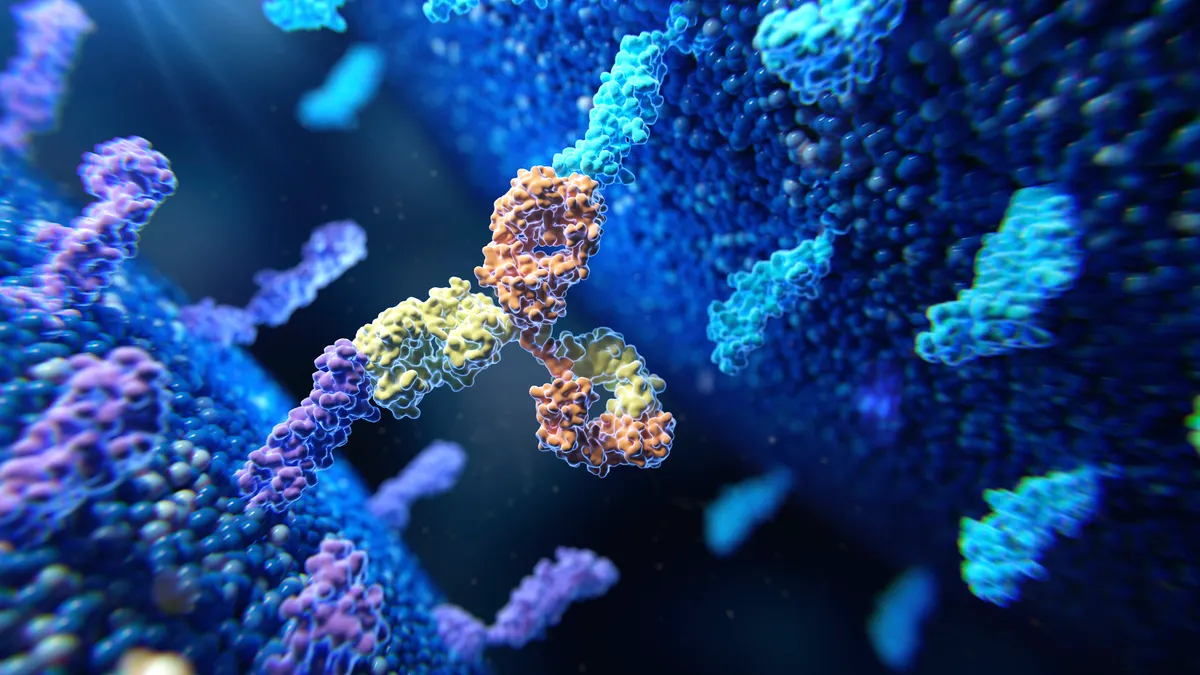
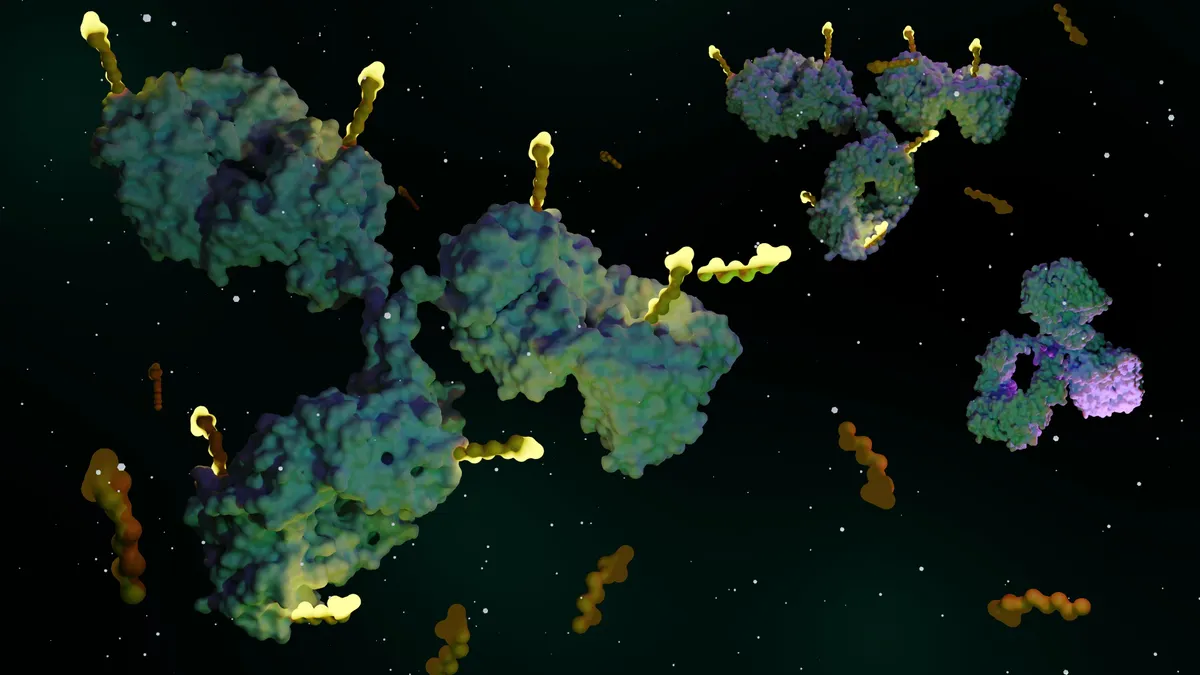
Isomorphic says its technology can “deliver exquisitely engineered molecules with optimal drug-like properties” and address some of the most challenging problems in drug discovery. The company said it’s seen positive preclinical results for partners and internally in oncology and immunology, “setting the stage for clinical entry.”