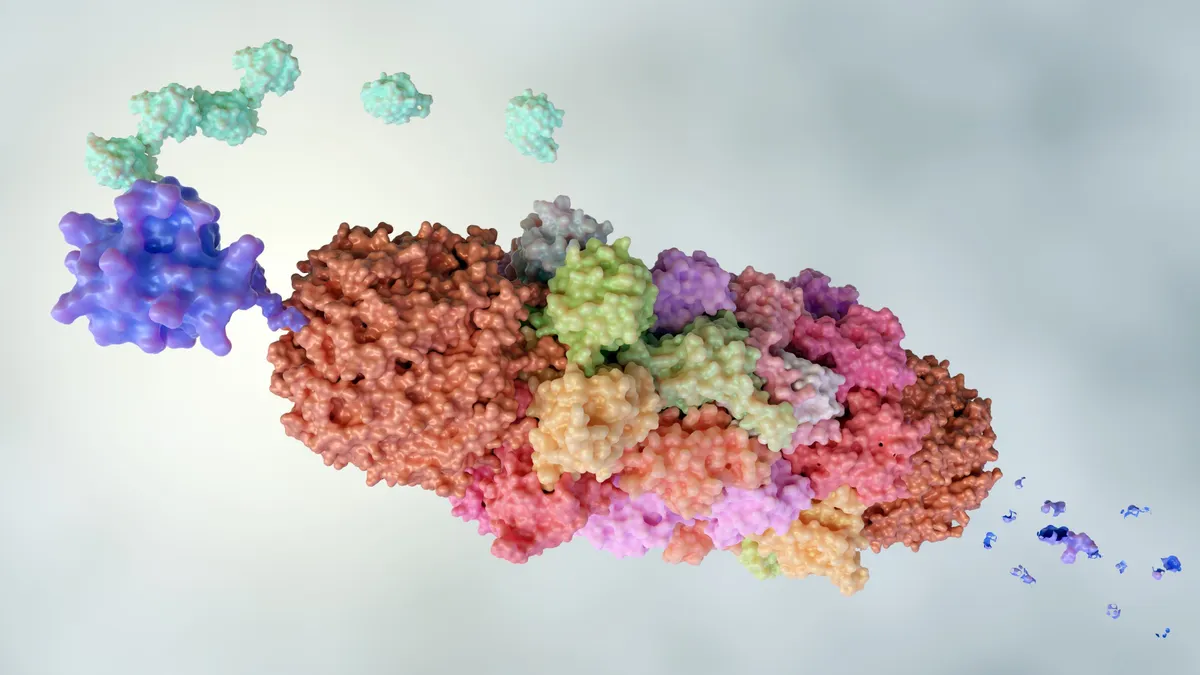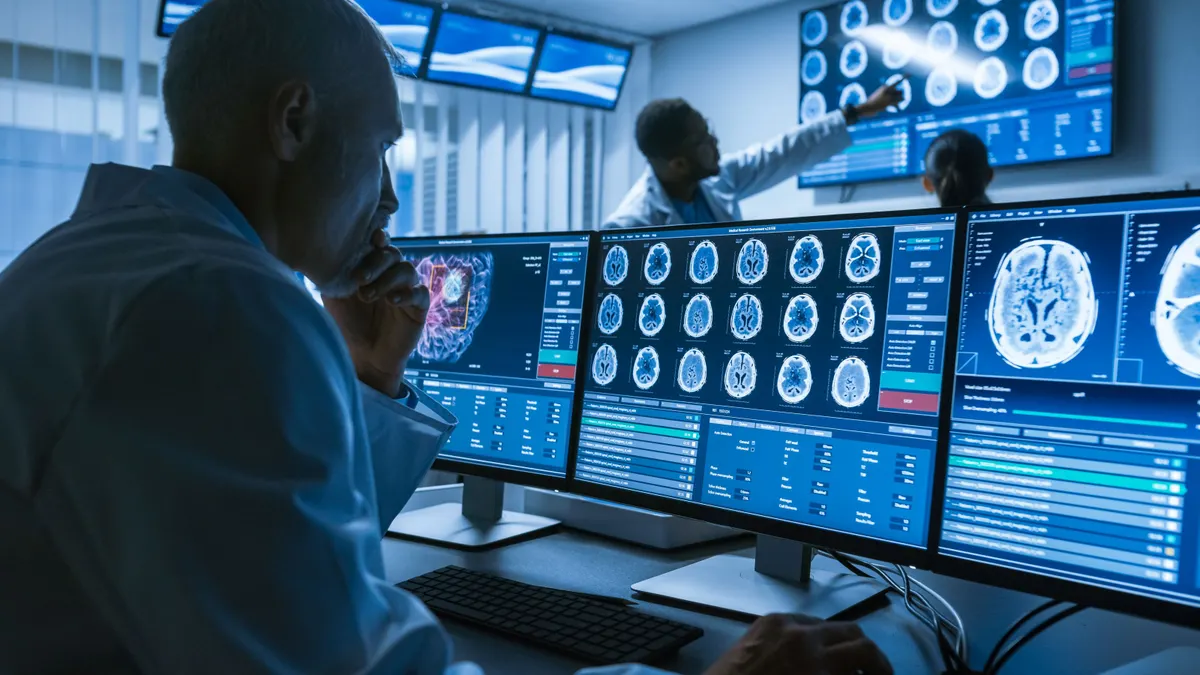

Healthcare organizations have spent the better part of a decade caught between two imperatives: harness the power of AI and protect patient data at all costs. For most of that time, these goals have been pulled in opposite directions. Cloud-based large language models offer remarkable clinical reasoning, but routing protected health information through external APIs introduces risks that compliance teams and patients shouldn't have to accept.
That formula is changing. AI is evolving from interactive chats to automated workloads driven by agentic tools, compressing timelines and enabling faster outcomes. A new reference architecture running on the Dell Pro Max with GB300 and the NVIDIA Grace Blackwell Ultra GB300 Superchip demonstrates that sophisticated, multi-agent clinical AI can operate entirely on-premises, with patient data processed entirely within the organization's own infrastructure. Purpose-built for research labs and enterprise AI teams, the system delivers data center-class AI capabilities at the deskside, with 20,000 TFLOPS of FP4 computing power and the memory headroom to host models with up to one trillion parameters. In healthcare, that opens the door to running frontier-scale clinical reasoning closer to where the data originates, within the organization’s own infrastructure.
Six agents, one machine, zero data leakage
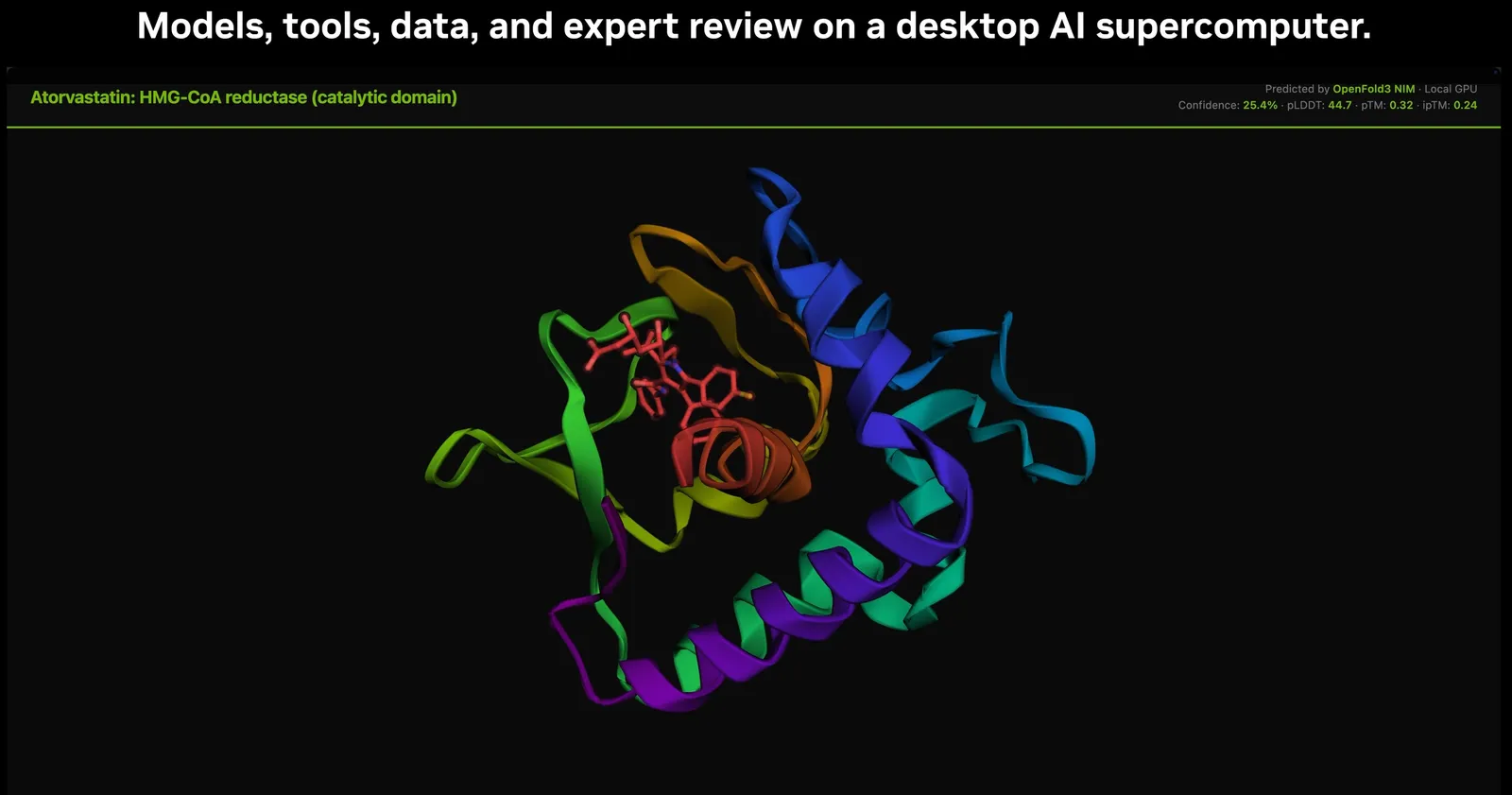
The system, detailed in a recently published playbook from NVIDIA, deploys six specialized AI agents — a coordinator and five domain experts covering patient data, labs and vitals, medications, clinical analysis and molecular visualization — on a single supercomputer. At its core, NVIDIA Nemotron 3 Super, a 120-billion-parameter mixture-of-experts model, runs locally via containerized inference.
The architecture supports air-gapped deployments where data never leaves the device. In this playbook configuration, patient data is processed locally and never passes through the hosted LLM or external AI services. A small number of read-only outbound connections are permitted under an implicit-deny network policy.
Augmenting the clinician, not replacing the workflow
For biopharma and health system leaders evaluating AI adoption, the critical question isn't whether the technology works, it's whether it fits. The Local Healthcare Agent architecture is designed to augment existing clinical workflows rather than compete with them.
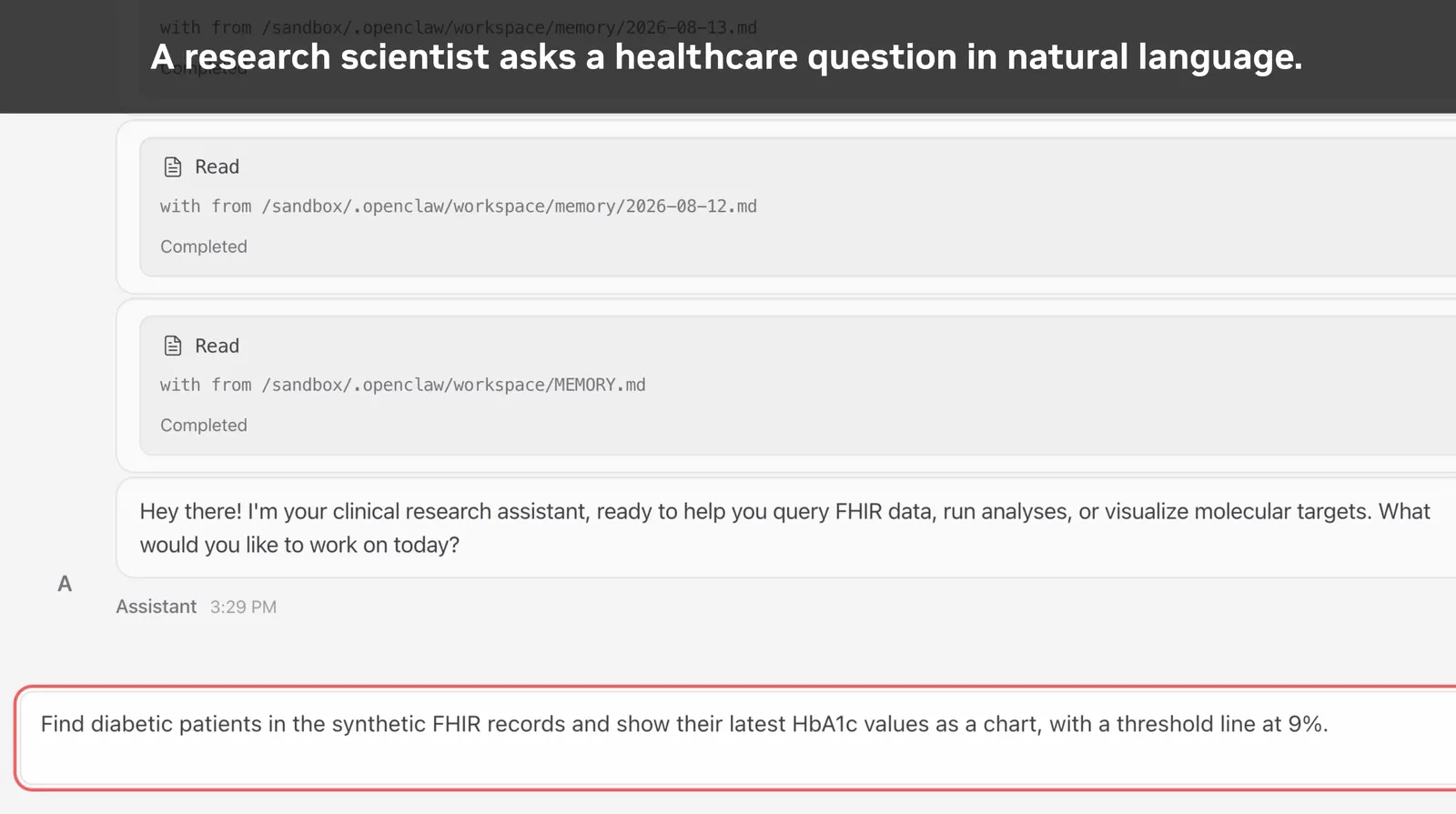
Consider care gap identification. Today quality teams manually cross-reference lab results against evolving measure definitions, a process that's accurate but labor-intensive. This system automates the query and surfaces patients who fall outside target thresholds, but the clinical knowledge driving those decisions lives in files, not in model weights. Change a threshold from 9.0% to 8.5% to reflect a stricter organizational standard and the agents use the updated value on the next query.
This editability matters because clinical guidelines evolve constantly. An AI system that requires retraining to incorporate updated quality measures or revised drug classification lists will always lag behind the science. One that reads human-readable skill files at query time stays current at the speed of clinical knowledge.
The infrastructure argument for local AI
AI workloads generally fall into two categories: those that can be handled on local hardware and those that require data center or cloud processing. The Dell AI Factory with NVIDIA provides the accelerated computing, networking and software infrastructure to help organizations make that distinction, placing workloads where they make the most sense. The Dell Pro Max with GB300 offers the GPU memory density to run both a frontier-class LLM and a protein structure prediction model on a single deskside system, co-locating AI models with the agent harness to minimize inference latency.
For healthcare organizations navigating data sovereignty requirements, the practical appeal is straightforward. In regulated industries, data is the IP and organizations in these fields often require that both training data and model weights remain within their own secure, firewalled infrastructure. On-premises infrastructure also converts variable token spend into a predictable capital investment, a consideration that grows more relevant as agentic workflows compound token consumption with every agent decision. And because the deskside platforms share the same architecture as data centers, scaling from the deskside to the AI factory is seamless. Local Al complements enterprise solutions by giving organizations more control over where sensitive workloads run.
What this signals for the industry
The Local Healthcare Agent playbook is a proof point, not a finished product. But it signals a meaningful shift: the computational barrier to running sophisticated AI locally has fallen below the threshold that most health systems and biopharma organizations can meet. When a single workstation can host multi-agent clinical reasoning, molecular visualization and guideline-aware care gap analysis — all within a verified security sandbox — the conversation moves from "Can we do this?" to "Where do we start?"
The answer, increasingly, is right where the data already lives.
The Local Healthcare Agent playbook is available now as an NVIDIA-validated playbook, designed for rapid deployment on the Dell AI Factory with NVIDIA. Healthcare and biopharma organizations exploring on-premises clinical AI can download the playbook, deploy the full six-agent system in approximately an hour and evaluate the workflow against their own use cases. The architecture is consistent from deskside to data center, so what you validate locally can scale to the AI factory without retraining or re-platforming.
Learn more about the Dell AI Factory with NVIDIA and explore solutions. Study Dell Technologies Healthcare and Life Sciences AI solutions.