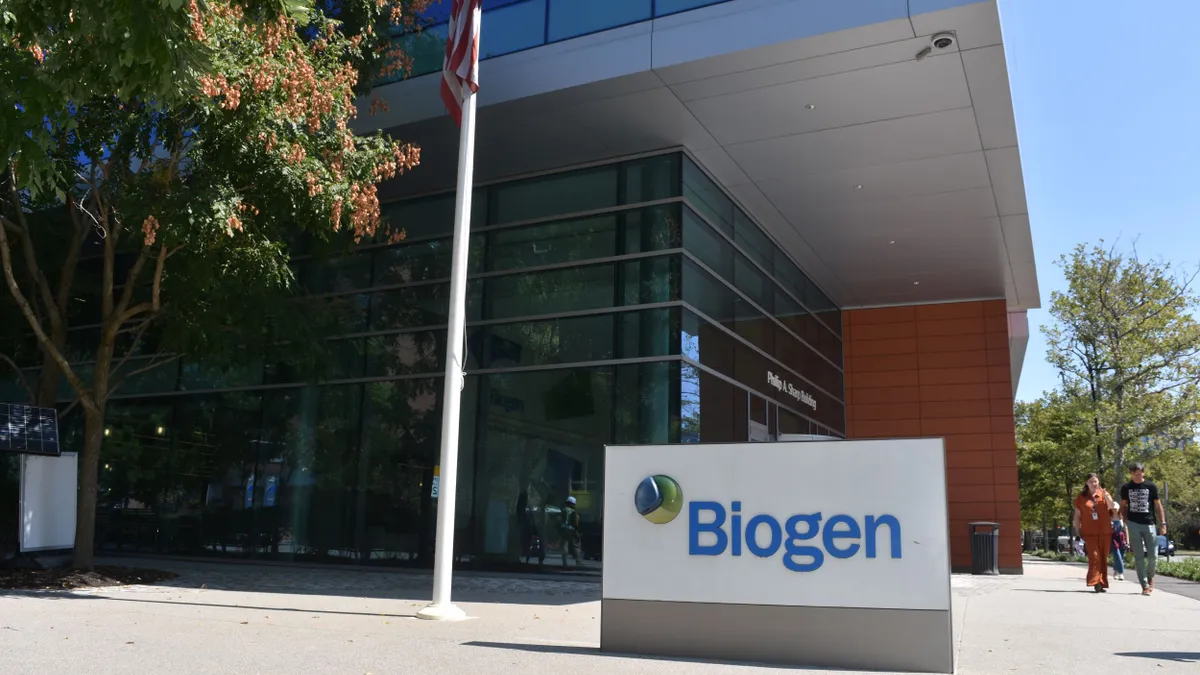
At the beginning of 2025, Biogen CEO Christopher Viehbacher tried to temper expectations around the company’s appetite for deals. Biogen, looking to diversify its core research areas, had spent $8.5 billion over the past couple years on an immunology-focused drug developer and a rare disease specialist. Investors were curious whether more was to come.
“We’re not necessarily saying, ‘Hey, wow … we need to go do a deal,’” Viehbacher said at the biopharma industry’s bellwether conference. “That’s not where we are.”
Yet, in the 15 months since, Biogen hasn’t let off the gas. Last February, the company bought rights to a potentially first-of-its-kind epilepsy medicine from Stoke Therapeutics. It then entered partnerships with an RNA drugmaker and a Versant Ventures-backed biotechnology firm; put more than $1 billion on the table for rights to an experimental, anti-inflammation therapy; and purchased a privately held startup working on a delivery system for neurological medicines.
That streak continued Tuesday, when Biogen announced plans to acquire Apellis Pharmaceuticals for $5.6 billion in cash.
Biogen’s Chief Financial Officer Robin Kramer explained that Apellis proved attractive on multiple fronts. It has two immune system-regulating products, Syfovre and Empaveli, that launched relatively recently. It also has a team with expertise in nephrology, which should be valuable as Biogen prepares to bring to market “felzartamab,” a drug in testing against a couple uncommon kidney illnesses, as well as “antibody-mediated rejection.”
Despite the size of this latest acquisition, Kramer argues that Biogen is still in a strong position to pursue opportunities in its other priority research areas, especially if those fill out the earlier parts of its pipeline. The company ended last year with around $4.2 billion in cash and cash equivalents and roughly $6.3 billion in total debt.
BioPharma Dive spoke to the finance head about the lead up to the Apellis deal and why her team has such confidence in the target’s products. The following conversation has been edited and condensed for clarity.
BIOPHARMA DIVE: Why does this deal make sense for Biogen at this time?
KRAMER: The opportunity to bring in two early-launch commercial assets into the portfolio, from a growth perspective, is really important to us. Being able to do that in a manner where there is that immuno-crossover, and the ability to have talent come over from Apellis with that nephrology expertise, sets us up very nicely for the felzartamab asset.
We have a potential launch for AMR beginning in 2027, so rather than having to do a from-scratch build in that area — because we do not have a substantial number of existing resources — this really sets us up for success with felzartamab.
So, it's both having that near- and mid-term growth opportunity in an area we are playing in.
When did conversations with Apellis about a potential deal begin? Is this a “J.P. Morgan, executives met for coffee” kind of thing?
KRAMER: We can't really speak to the specifics on that. What I can say is that we have been, for over a year, thinking about a potential acquisition of Apellis. And over this last year, as we saw Empaveli come to market, it just further reinforced our view as it relates to the synergistic aspect of this particular transaction.
Apellis’ stock, prior to the deal announcement, was down by about a third since the start of the year. Did that affect your decision to pull the trigger now, or push you to think more about the premium size?
KRAMER: When we're looking at the potential opportunity, the intrinsic value is what we really focused on. It was more understanding the market opportunities for both Syfovre and Empaveli and coming to our own view.
Where we landed, it's in consideration of that intrinsic value. Looking at other metrics, such as multiple of revenue, we believe we fall straight in the middle of the pack as it relates to the transaction price.
How confident are you in the revenue prospects of those two drugs over, say, the next five years? Some analysts doubt the revenue reaches a level that, at least to them, makes this a really well-priced deal for Biogen.
KRAMER: As we were [valuing] the company, we first and foremost focused on the initial years since the products launched. That’s what gave us the confidence to say we believe the top-line growth opportunities are between the mid- to high-teens as it relates to the combination of the two drugs.
What we also noted is that our initial views, in totality, are fairly consistent with Wall Street expectations. Our base case has an assumption that is fairly well aligned with Wall Street. We may have a little bit of a difference in the makeup of the two products in that regard, but from a total outlook perspective, we are largely in line.
Syfovre revenue dipped a bit last year. How, in the hands of Biogen, do you plan to ramp up that launch?
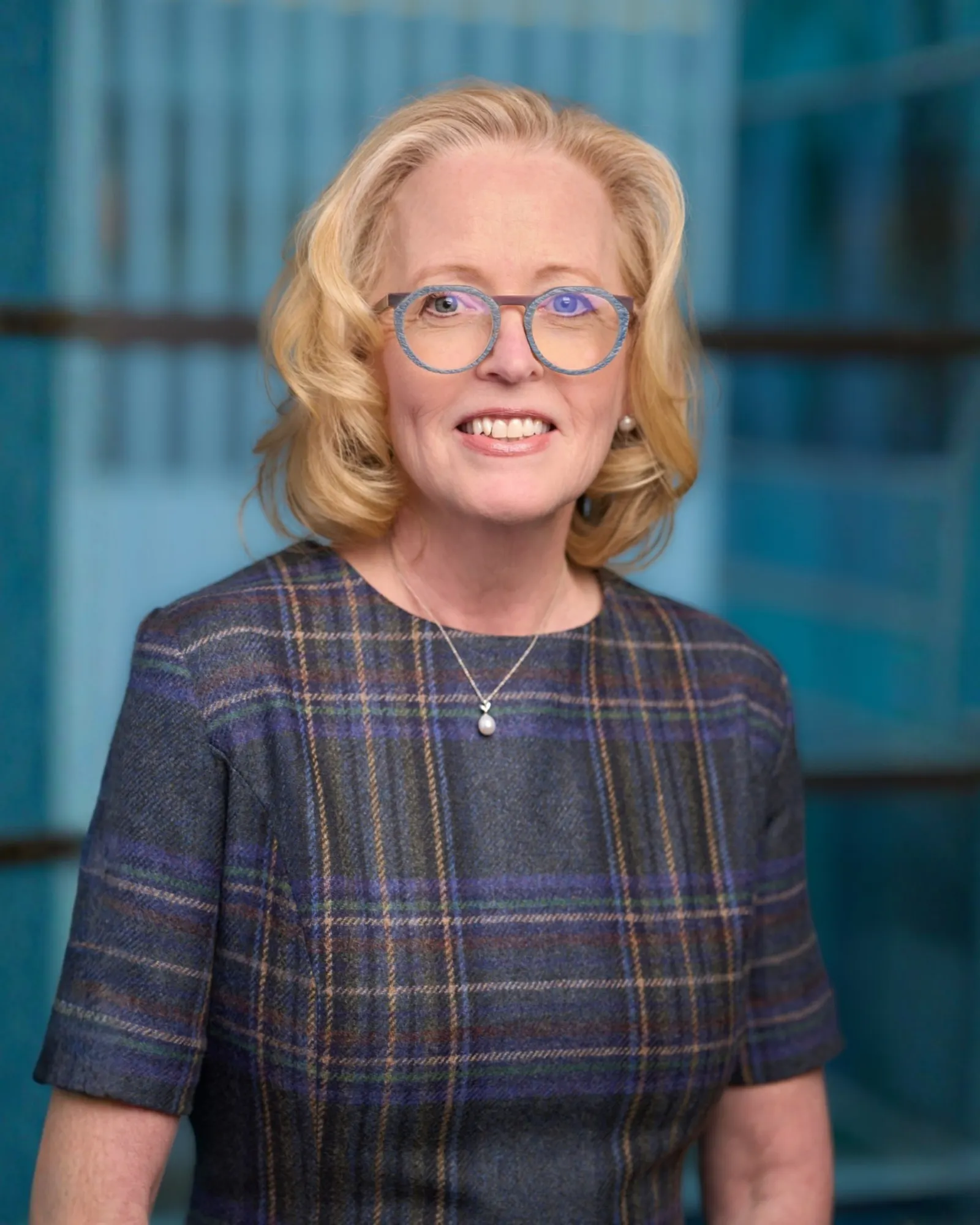
KRAMER: As it relates to Syfovre, it's a little bit of still waters run deep — in the sense that, from a patient perspective, they've continued to see growth in starts. [The challenges] have been about the pricing dynamics, as it relates to the 2025 revenue performance. We have a lot of experience in that area.
One of the things that we're monitoring is the potential for the pre-filled syringe to bring an additional differentiation for Syfovre versus the competitive landscape. We’ll bring the two teams together and think about how to maximize the opportunity, but we’re also looking forward to potentially having that additional differentiation.
Syfovre works on the immune system, but it’s approved for a disease of the eyes — an area Biogen played in years ago with its Nightstar acquisition, but hasn’t done much with since. Do you expect you’ll have to build up ophthalmology research or commercialization teams after this deal, or is that already baked in with the Apellis team?
KRAMER: We believe the capabilities required for optimizing the acquisition is within the Apellis team, and then in combination with the existing Biogen team.
What, in terms of M&A, is the company’s appetite now that you’re finishing up a $5.6 billion deal?
KRAMER: From a size perspective, we still have capacity to do the other strategic areas of focus that we've noted — looking for opportunities in the early-stage part of the pipeline. And, because of the combined cash flow generated between the two companies, we're able to get back to optimal debt leverage ratios by the end of 2027, which frees up capacity to do other strategic initiatives.
This deal employs a tool, a contingent value right, that’s become increasingly popular among biopharma dealmakers. There can be apprehension on the side of seller shareholders about a buyer’s ability or desire to hit goals tied to CVRs. So, how confident are you that Biogen will hit those goals once it takes over these products?
KRAMER: Our base case assumption is a more conservative model than how the CVRs are set up.
You’re right: it is a popular mechanism to bridge the gap between buyer and seller on valuation perspectives. And one of the nice things about CVRs is it incentivizes both parties to seek to maximize the opportunity. If the CVR is triggered, there's a substantial benefit that comes to our shareholders as well as a benefit to the seller’s shareholders.
As a combined entity, we would look to optimize the performance of Syfovre.