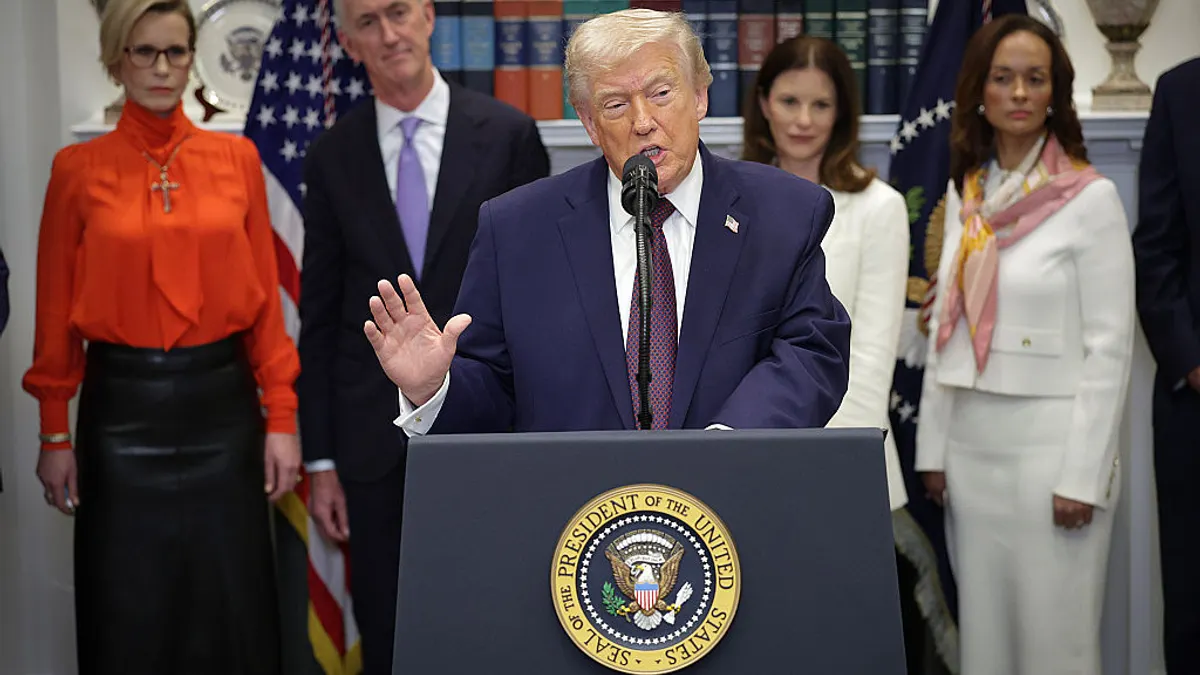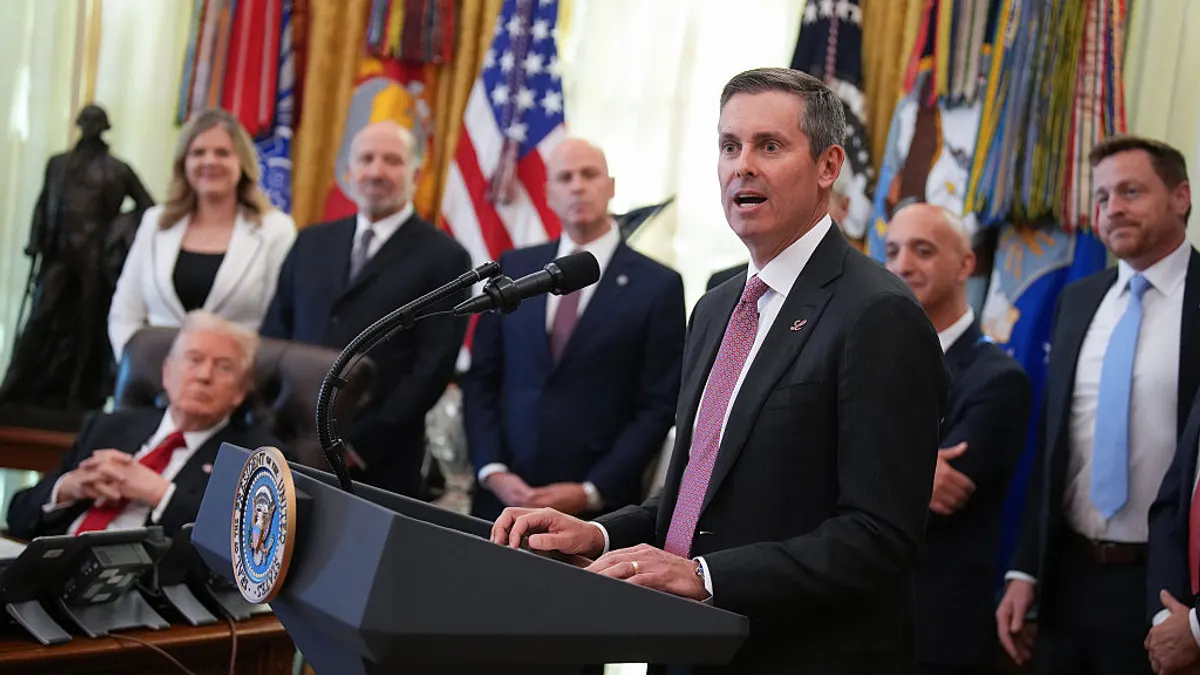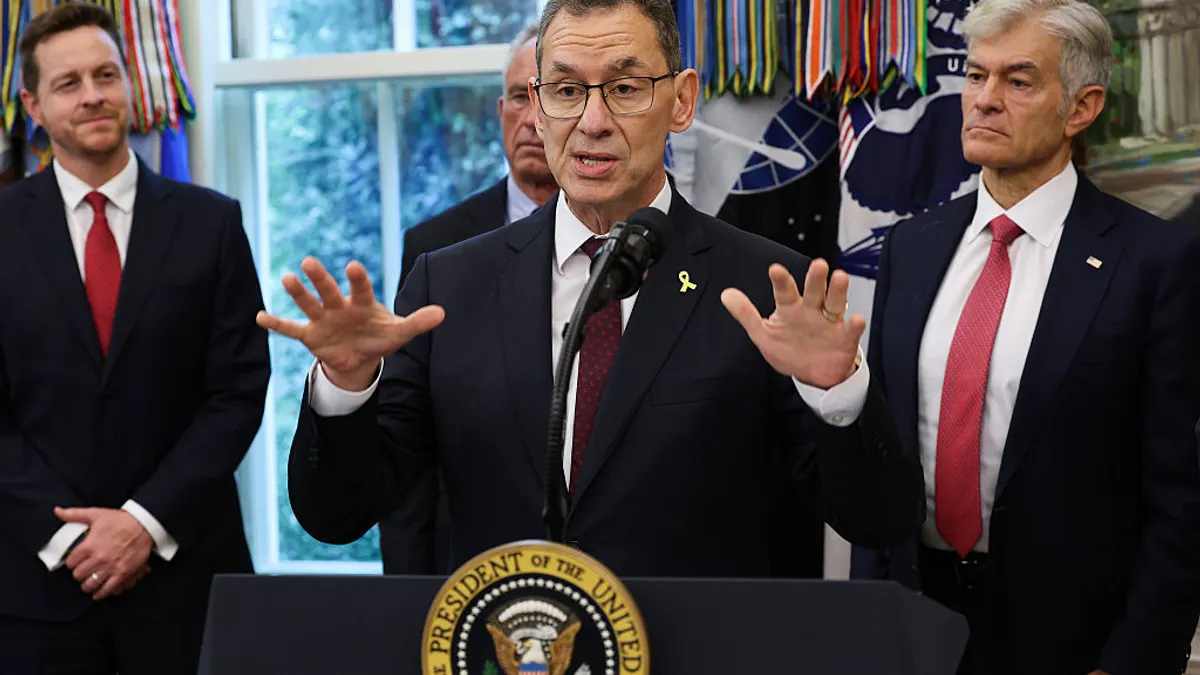
AbbVie is the latest among more than a dozen of the world’s largest drugmakers to sign a drug pricing deal with the White House, announcing late Monday a deal to invest $100 billion in U.S. pharmaceutical research and manufacturing and lower some product costs in return for tariff relief.
As with the many other deals revealed between the Trump administration and large pharma companies, the agreement is short on details as well as its potential impact on AbbVie’s earnings. AbbVie only said that it will provide “low prices” to Medicaid and boost efforts to sell through a government portal widely used medicines like Humira, Alphagan, Combigan and Synthroid — all of which are off-patent and face competition from lower-cost biosimilars or generics.
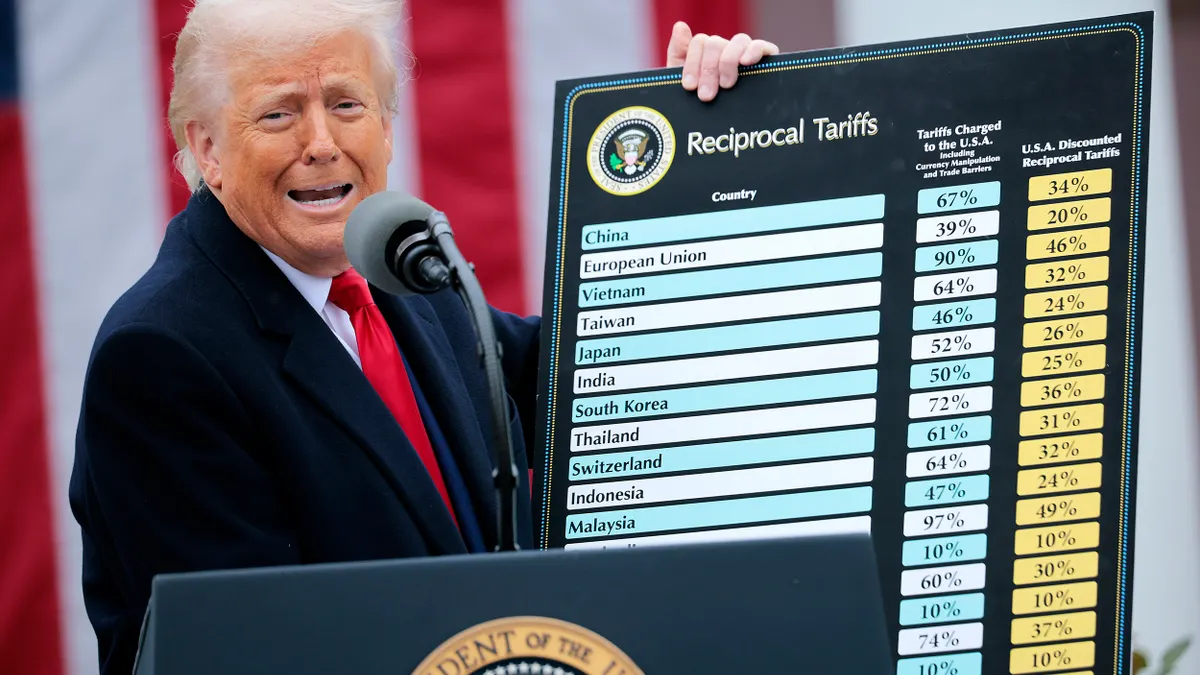
AbbVie will also commit to spending $100 billion in U.S. research and development as well as capital investments over the next decade, a significant increase from its prior pledge. That promise leaves AbbVie exempt, for three years, from Trump administration tariffs or future drug pricing mandates. Multiple other drugmakers, including Pfizer, Merck & Co. and Gilead Sciences, have gotten similar reprieves in recent deals.
Additional terms remain confidential, AbbVie said. The company didn’t mention any specific effects on its financial guidance.
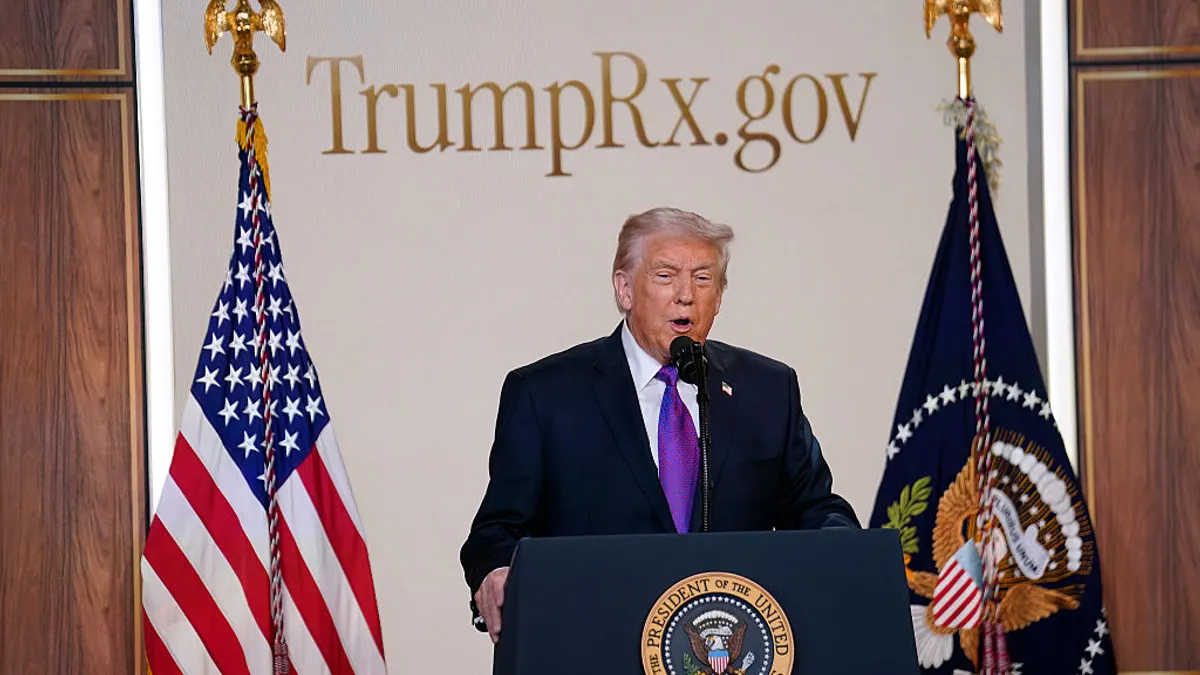
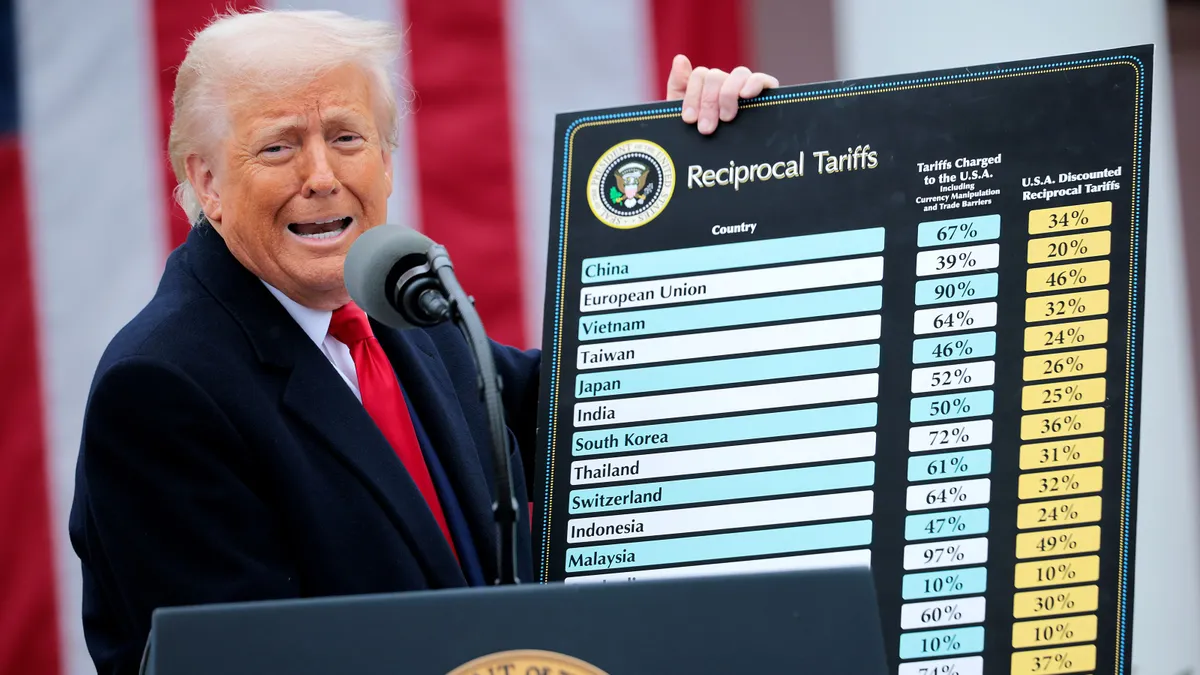
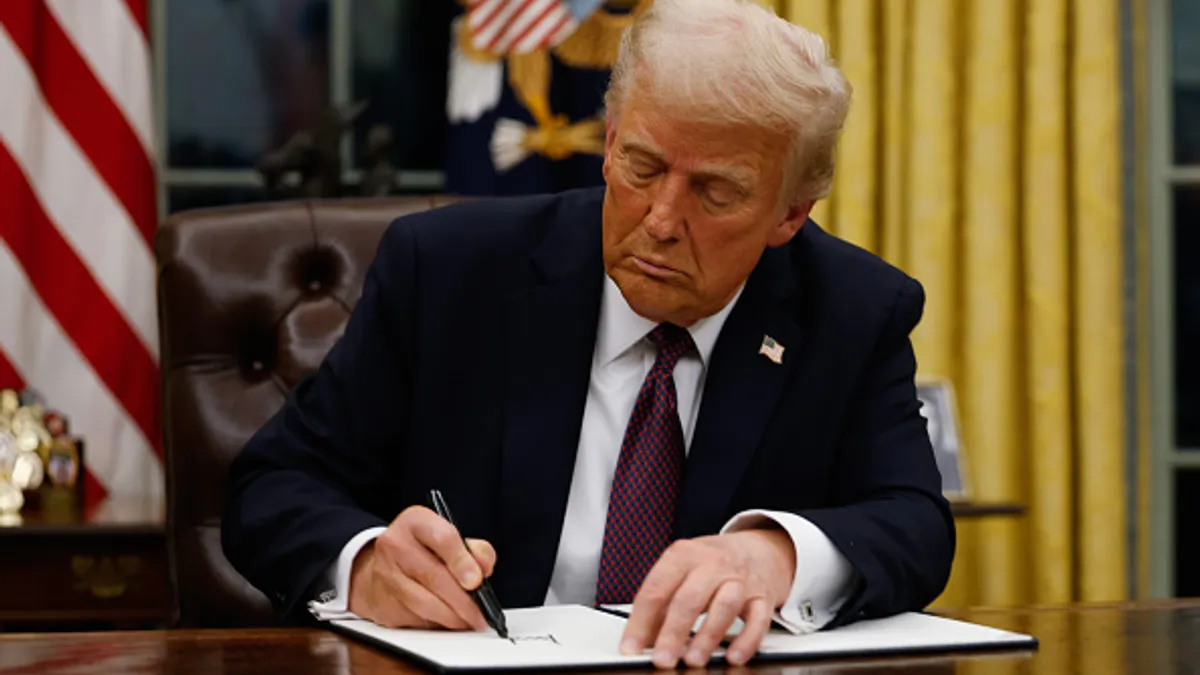
The deal is part of a broader push by Trump to bring the prices paid by U.S. consumers in line with those with many countries abroad. This “most-favored-nation” pricing concept was a target during Trump’s first term, and the administration revived the effort earlier this year through a pressure campaign against the pharmaceutical industry.
In July, Trump sent letters to 17 large drugmakers giving them about two months to lower prices or face an unspecified government response. Since then, 16 have announced deals, many of which offer discounts on drugs that were already heavily rebated or nearing the end of their patent life. Companies are typically getting three years of tariff relief in return.
Drugmakers have described these deals as “manageable,” leading Wall Street analysts to suggest they’re unlikely to deter future growth. Pharmaceutical stocks, which had been pressured by tariff and pricing threats in early 2025, have rebounded since. AbbVie shares, for instance, have climbed about 30% since last April, when Trump threatened the industry with “major” tariffs.
In an investor survey published last week, RBC Capital Markets analysts said that the regulatory landscape is now viewed as the sector’s biggest issue. Investors are “less bearish” on drug pricing and policy, they wrote.