Eli Lilly and Ascidian Therapeutics said Wednesday that they’re teaming up in a research collaboration to find new medicines for genetically driven kidney diseases, the latest foray into genetic medicines for the Indiana drugmaker.
Per deal terms, Lilly will hand Ascidian as much as $1.9 billion, inclusive of an undisclosed upfront payment, payouts tied to research, development and commercial milestones, and tiered royalties on any drugs that make it to market.
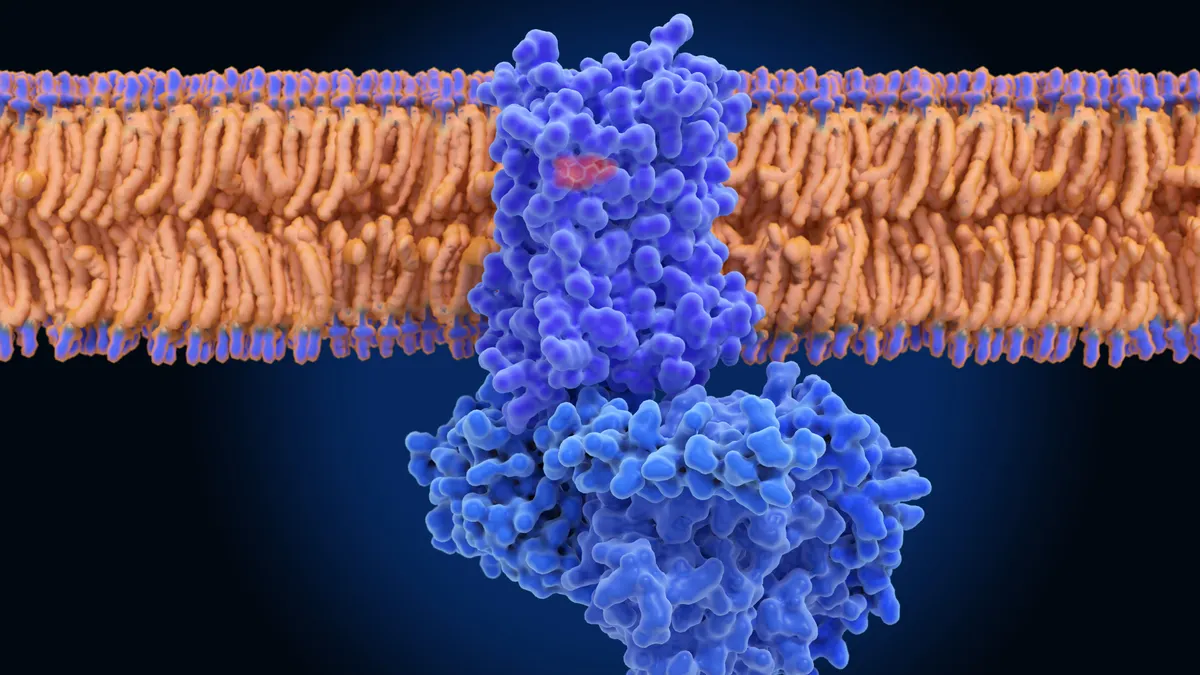
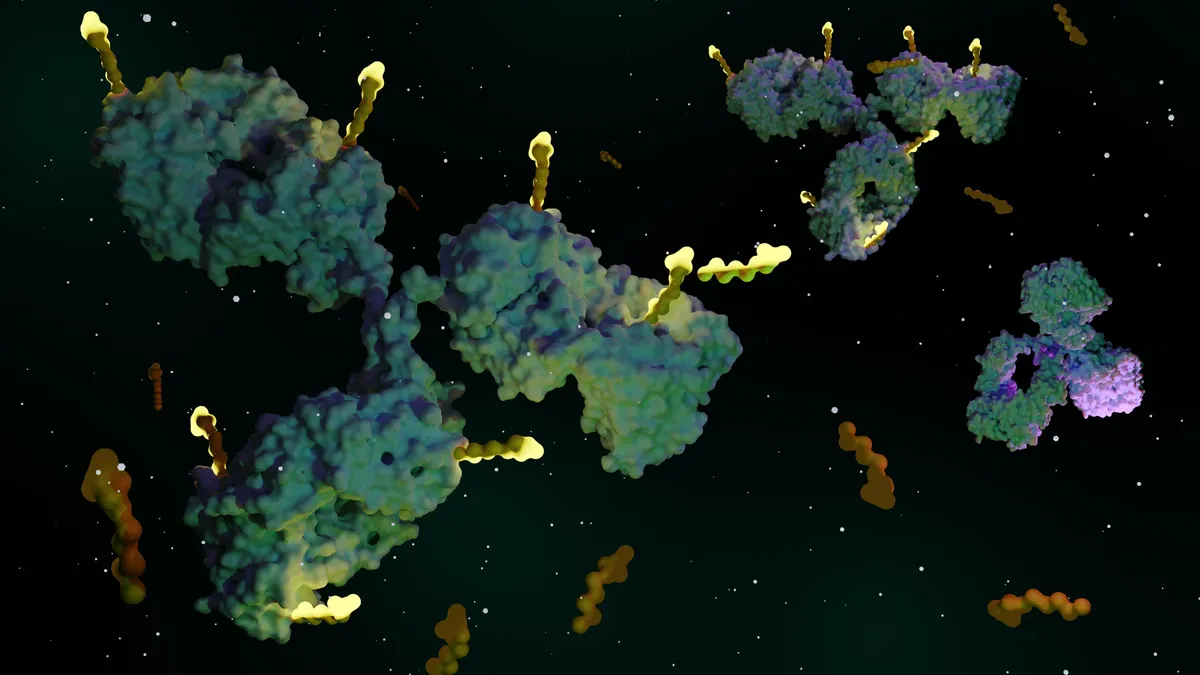
The deal leans on Ascidian’s RNA exon editing technology, which designs medicines that replace damaged segments of RNA code to help the body produce functional proteins. For years, the Boston biotechnology company has touted its platform as a way for patients to receive the benefits of gene therapies while dodging the risks associated with gene editing, which permanently alters DNA. Going after just the diseased exons also allows Ascidian to use other delivery methods to get into tissues, rather than relying on the viral vectors that limit where a gene therapy can be delivered.
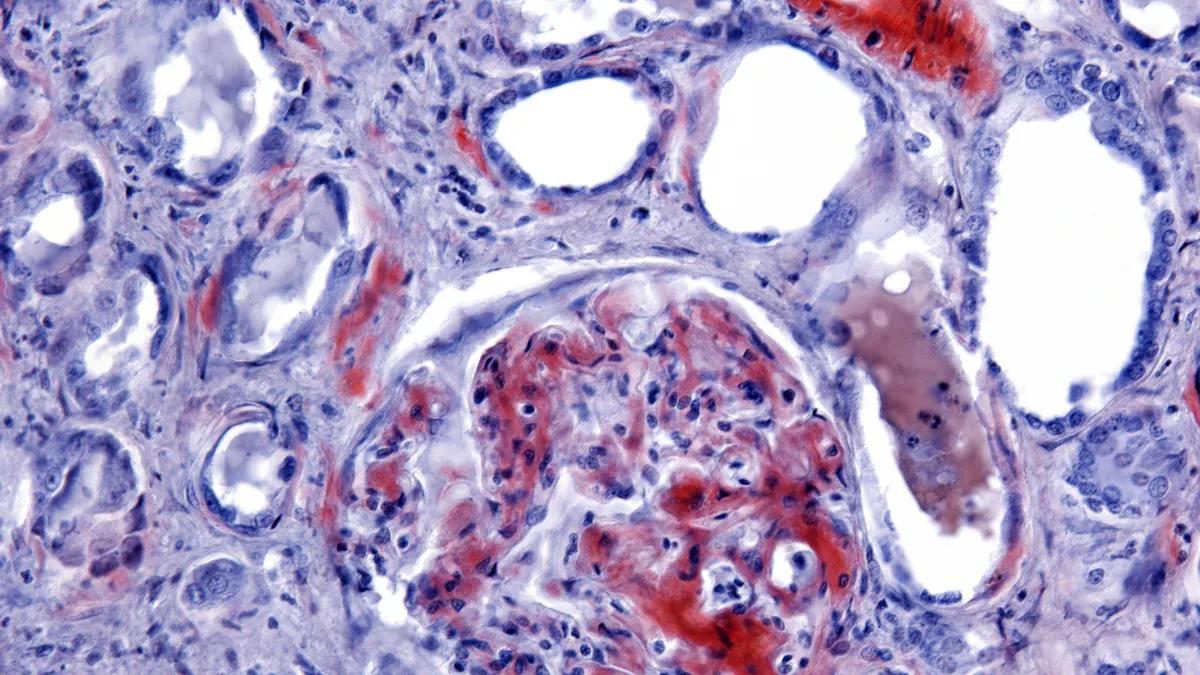
The companies have not disclosed which targets they will first pursue, but noted that more than 60 genetic diseases affect the kidneys, and more than 3.5 million people in the U.S. have severe inherited kidney disease.
Treatments for some of the renal conditions they could pursue are largely limited to symptom management, kidney transplants or dialysis. RNA exon editing could address “the fundamental cause of the disease,” fixing genes that may be overexpressed and lead to toxicity or loss of function, said Robert Bell, Ascidian’s chief scientific officer.
“Lilly is both a radar and a magnet in genetic medicines,” said Daniel Rosan, Ascidian’s chief financial and business officer. The two companies have been in talks even before Ascidian’s 2022 launch, he said, but inked a deal recently “because both Ascidian and Lilly felt like genetic medicines for the kidney is starting to reach a point of tractability that probably wasn't true five years ago.”
Ascidian has in early human testing a treatment for Stargardt disease, a genetic eye condition that is the most common inherited form of macular degeneration and eventually results in vision loss. In 2024, it signed onto a research collaboration with Roche focused on neurological targets, which handed Ascidian $42 million up front and could earn the biotech roughly $1.8 billion if it hits certain R&D and commercialization milestones.
Other moves Lilly’s made over the past year to acquire more experimental genetic medicines include the May acquisition of Engage Bio, its alliance with Seamless Therapeutics, a partnership with MeiraGTx and its $1 billion purchase of Verve Therapeutics. Last week, Lilly reported that a base editing treatment it got as part of its Verve buyout succeeded in an early trial of participants with high cholesterol levels or early-onset heart disease.