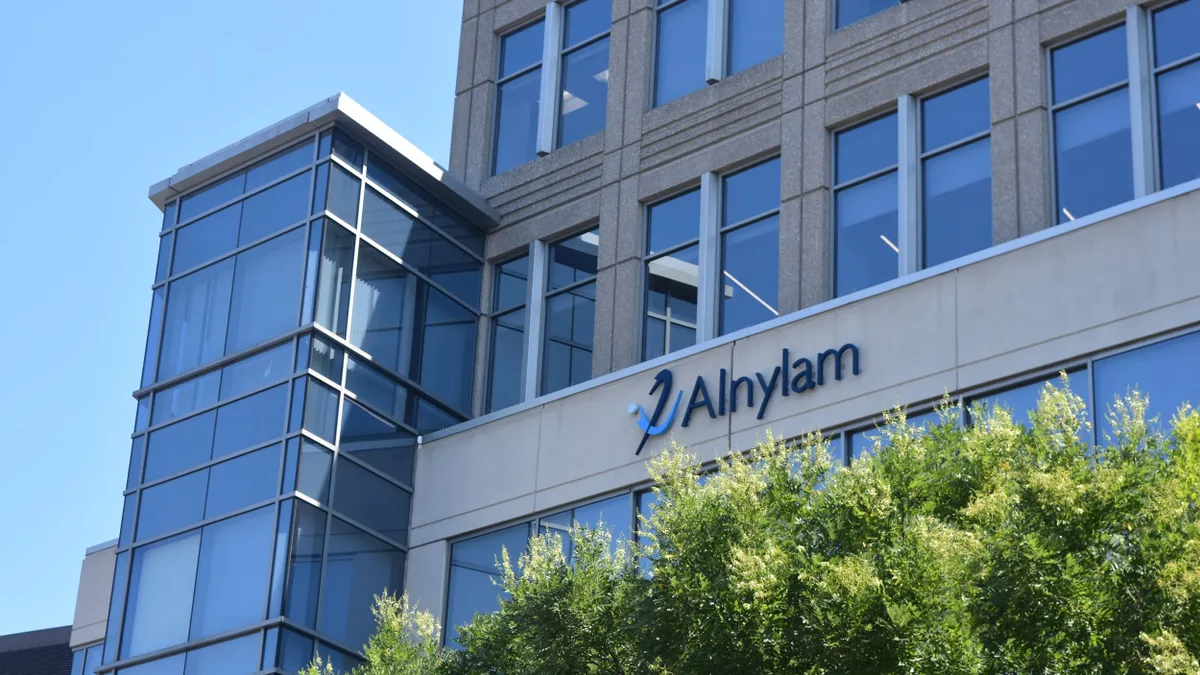
Alkeus Pharmaceuticals, an unorthodox biotechnology startup advancing a new medicine for a genetic eye condition, is selling itself in a deal worth up to $800 million.
The purchase announced Thursday will see Tarsus Pharmaceuticals, the developer of a range of treatments for eye, skin and infectious conditions, acquire Alkeus for $270 million in cash and $180 million in stock.
Alkeus’ shareholders could see as much as $350 million in additional payouts should the company’s drug, a prospective Stargardt disease treatment named gildeuretinol, obtain regulatory approval and achieve its first sale. Those stockholders, which include Bain Capital Life Sciences and TCGX, could see a percentage of sales royalties, too.
Should it close as expected later this year, the buyout will end an unusual journey for Alkeus, a startup that was run by one person for much of its existence and built around a drug licensed from Columbia University 16 years ago. That person, Leonide Saad, used his own money to fund Alkeus until he raised a $2 million Series A round in 2011. Alkeus then won the biotech startup competition MassChallenge and Saad used that opportunity to convince Josh Boger — a judge in that contest and the Merck & Co. chemist who founded Vertex Pharmaceuticals — to become the startup’s executive chairman in 2012.
Boger stayed aboard for a few years, left, and then returned to the company from 2023 to 2025. By that time, Saad had used a series of grants to get gildeuretinol through mid-stage testing and even earned a special Food and Drug Administration designation to speed reviews. He’d also, after some earlier trepidation, brought in outside investors for a $150 million Series B round.
Since then, gildeuretinol has emerged as one of the leading experimental drug prospects for Stargardt, a condition with no available treatments.
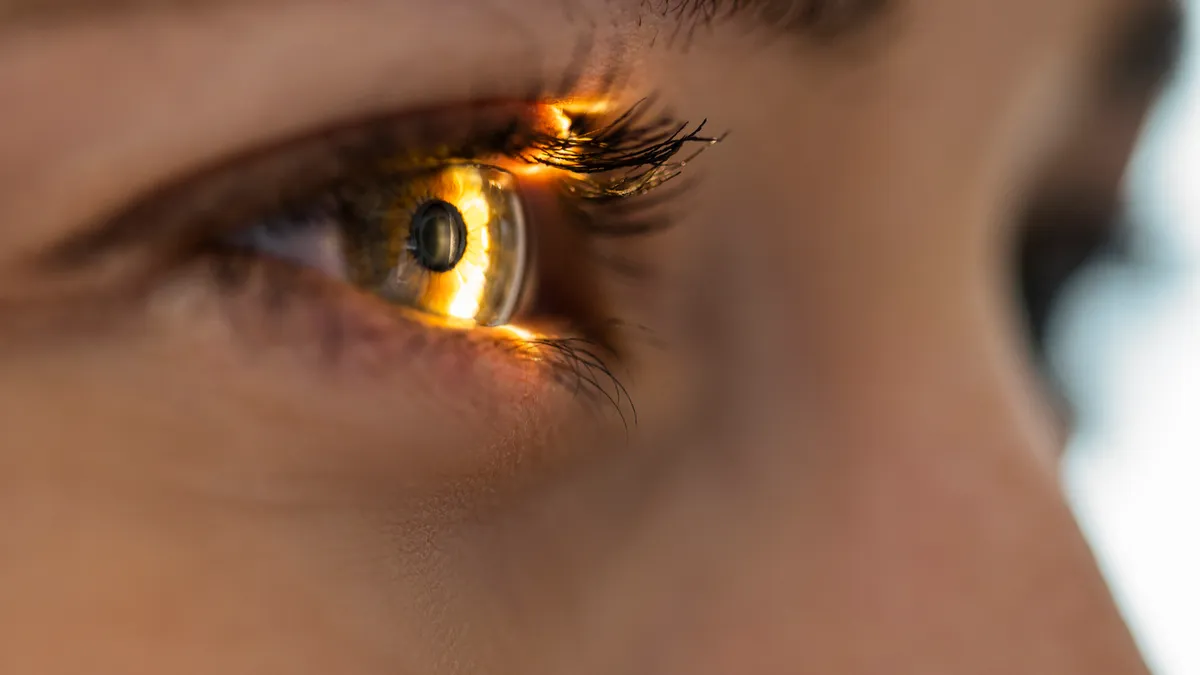
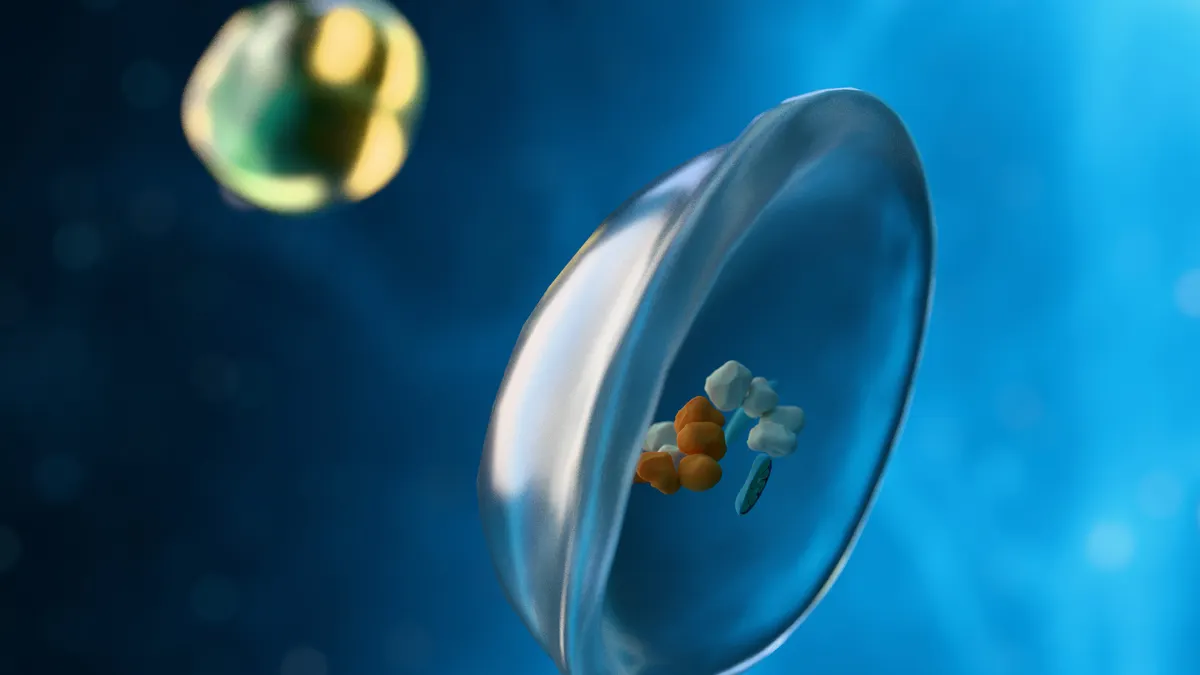
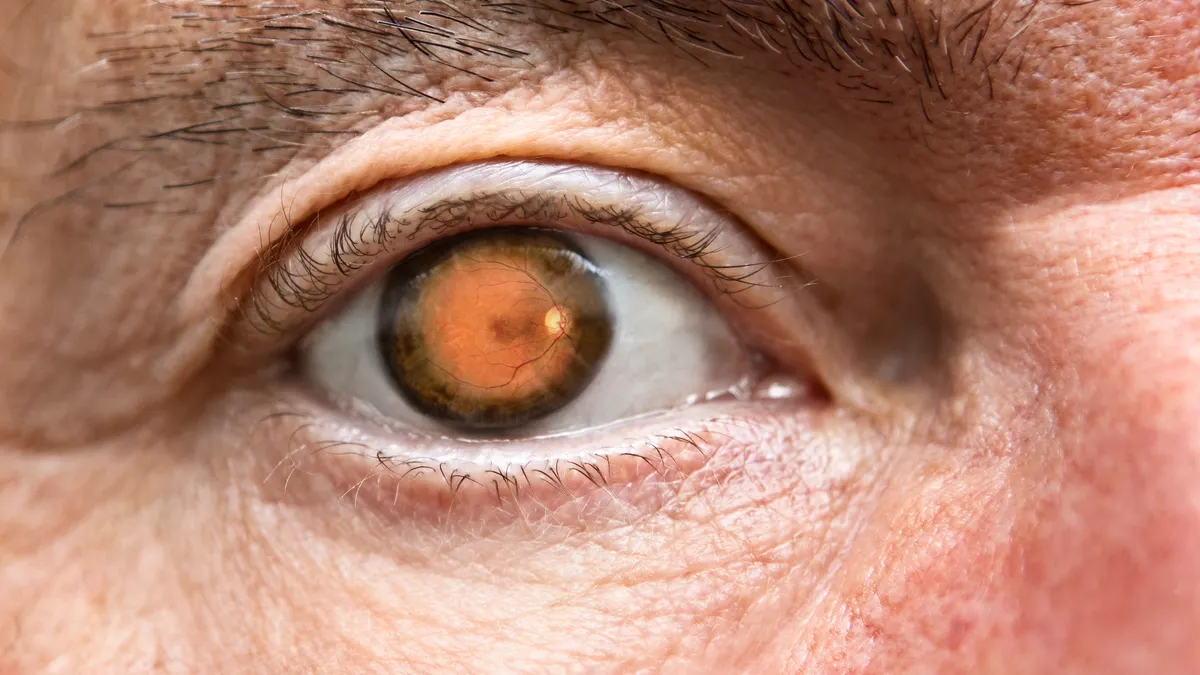
In Stargardt, a genetic defect changes the way the body produces the vitamin A needed to make retinal cells. It results in the formation of yellowish clumps in the eyes, causing progressive vision loss. Gildeuretinol is essentially a version of vitamin A altered to stop the chemical reaction causing those clumps to form.
“It’s the most elegant possible way for a drug” to work, Boger told BioPharma Dive in 2023, calling gildeuroretinol, if it were to be successful, potentially “the most perfect drug I’ve ever seen.”
Saad is now a board member rather than an executive, and Boger is no longer listed on Alkeus’ website as a director. But gildeuretinol’s development has progressed with what’s now a larger company led by a different executive team.
Tarsus noted Tuesday how, in one placebo-controlled study, treatment appeared to slow the yearly growth of those damaging clumps by 29.5%. Another study found that treatment recipients were far less likely than placebo patients to lose ability to see in dim lighting.
More than 400 patients have gotten the drug so far, some of whom were on therapy for as long as seven years. Investigators haven’t detected any treatment-related effects on night or color vision, or eye sensitivity when people shift from a bright to dark environment, according to the company.
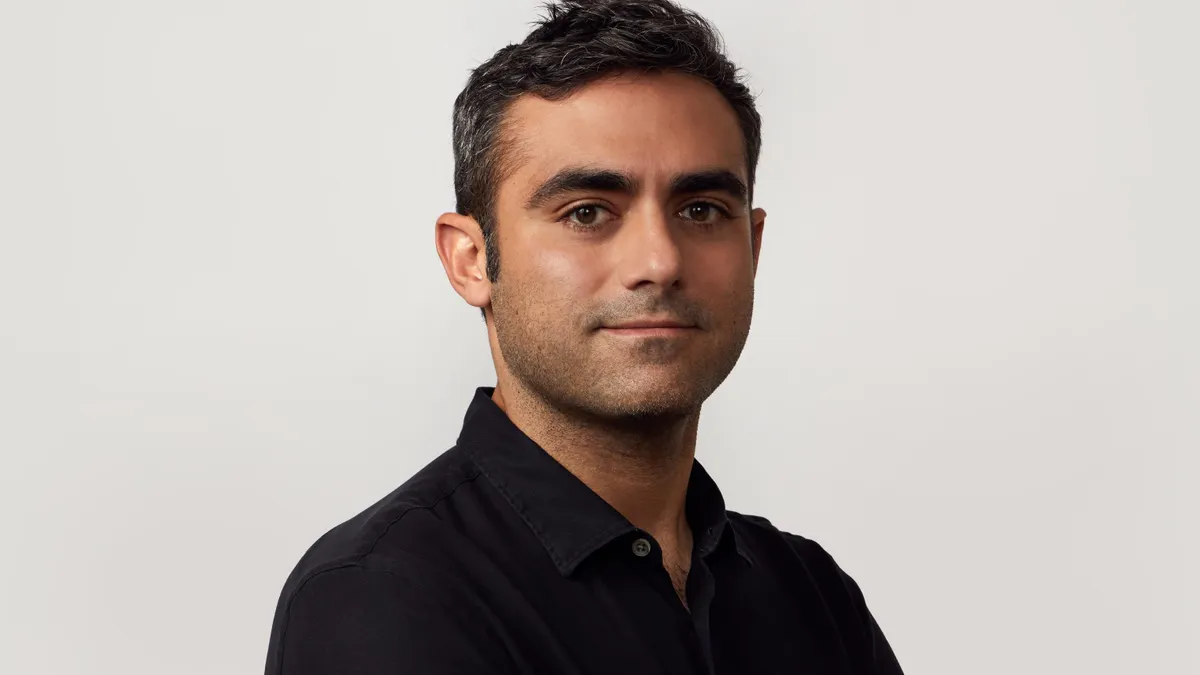
“We believe gildeuretinol has the potential to be a transformational medicine for Stargardt disease,” said Tarsus CEO Bobby Azamian, in a statement.
A Phase 3 study is now underway and enrolling about 230 patients. Results are expected in 2029. By then, at least one rival Stargardt drug could be on the market — a treatment Belite Bio submitted to U.S. regulators in June.