Dive Brief:
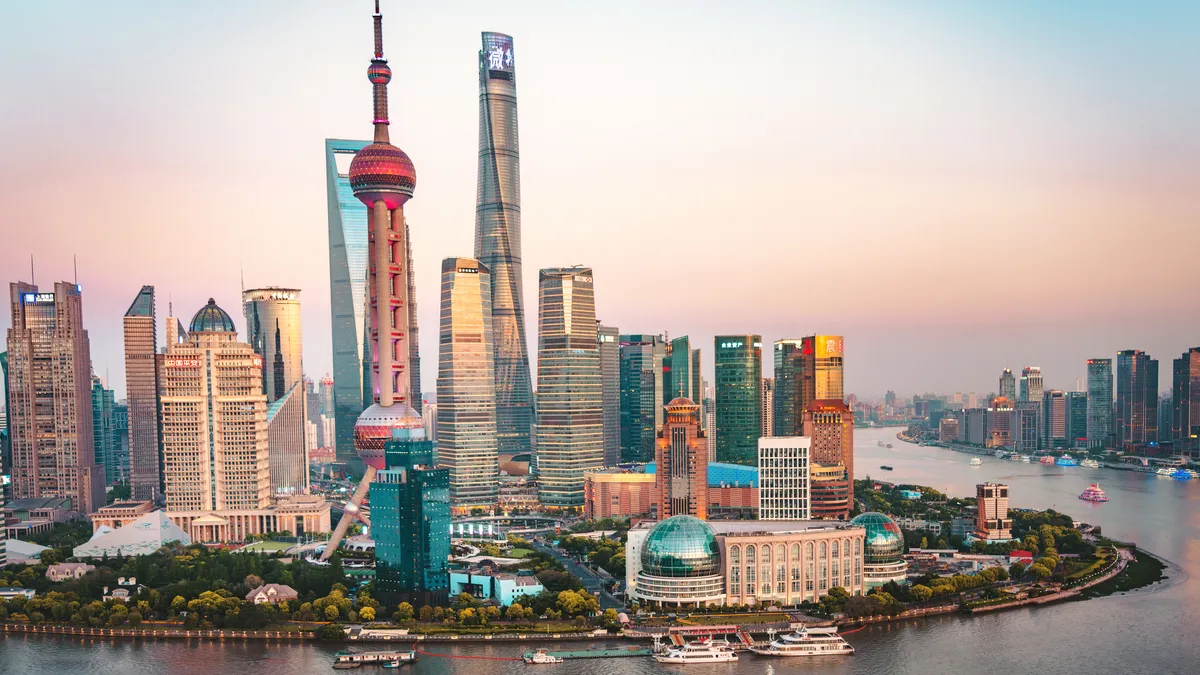
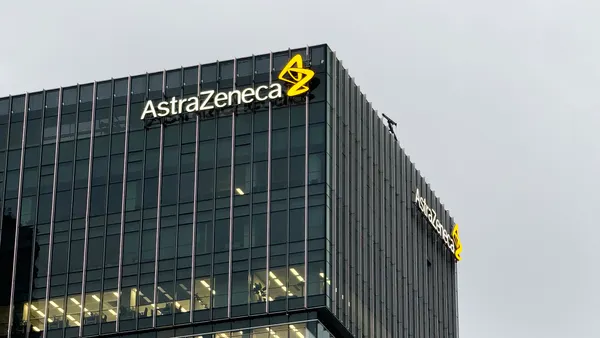
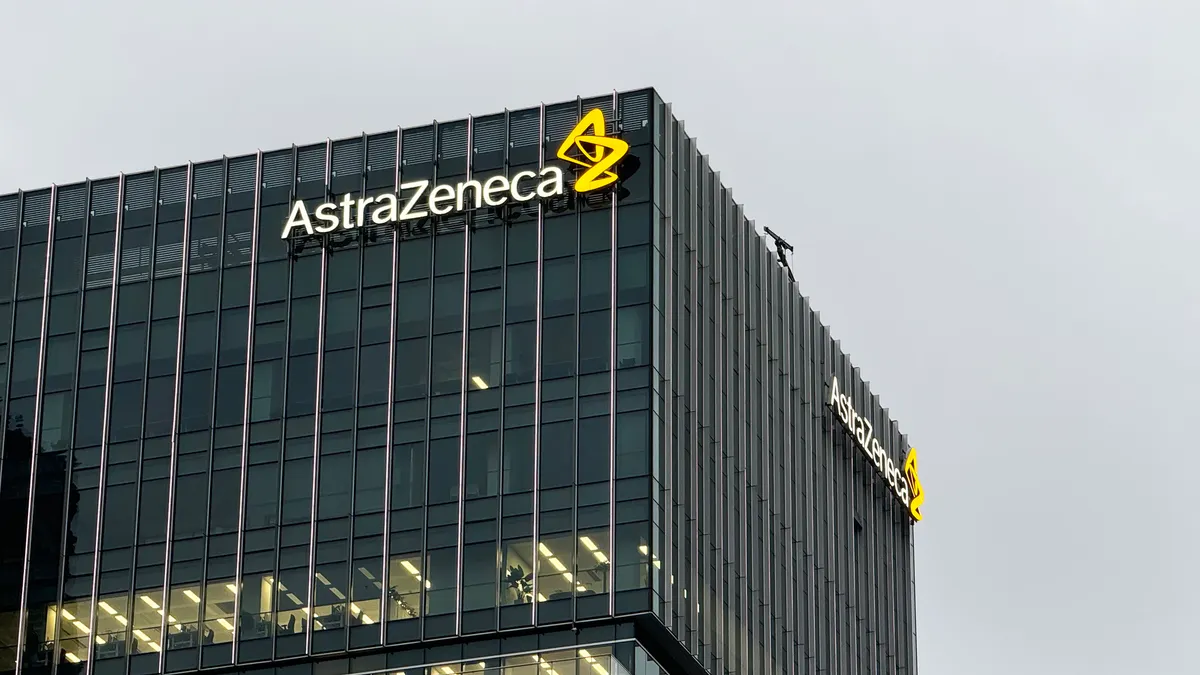
- AstraZeneca on Thursday announced plans to invest $15 billion in China over the next five years as the global pharmaceutical industry increasingly looks to the country for innovation.
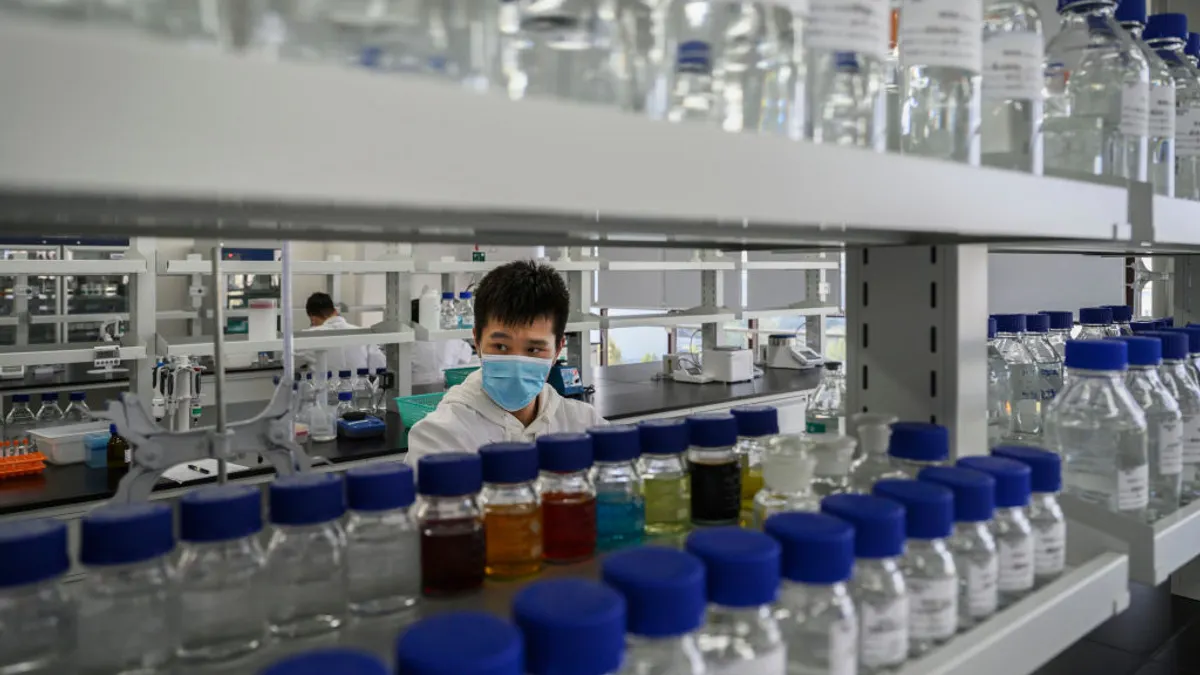
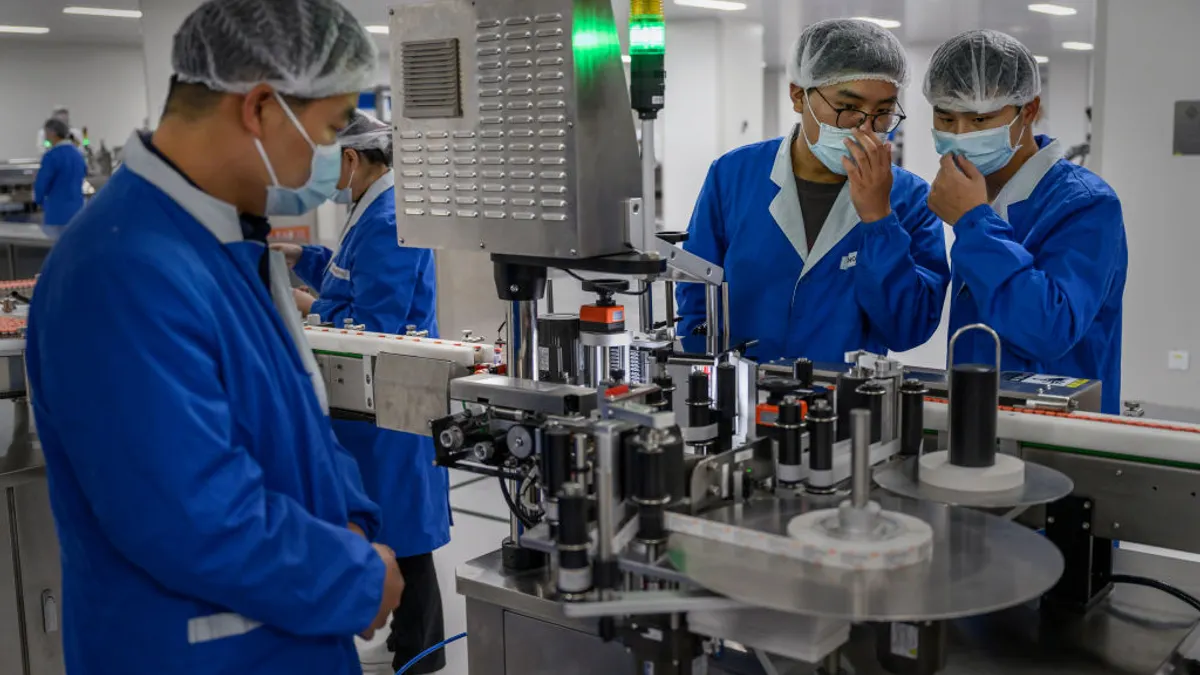
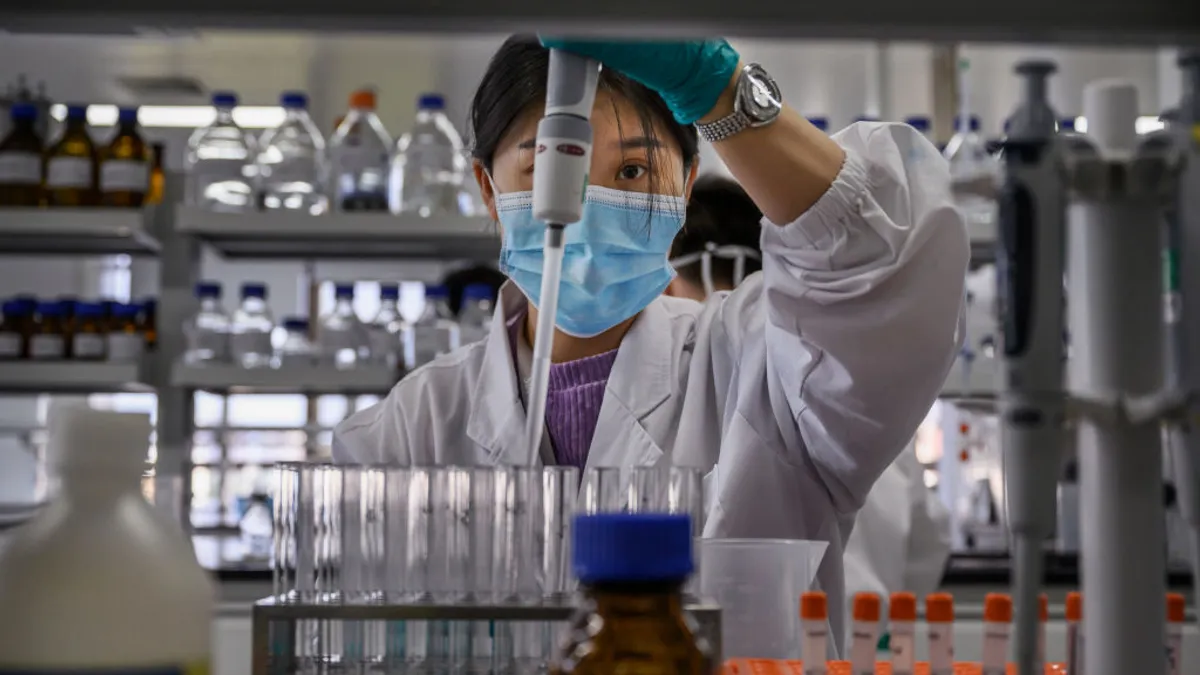
- The investments through the year 2030 will “span the value chain,” including drug discovery, clinical development and manufacturing, AstraZeneca said. The British drugmaker plans to build out existing facilities in Wuxi, Taizhou, Qingdao and Beijing as well as establish new sites that will be announced later.
- U.K. Prime Minister Keir Starmer pointed to the investment, announced during his trip to China, as an example of “unlocking opportunities for British businesses across the globe.” He said it will help AstraZeneca grow, in turn creating jobs for workers at home.
Dive Insight:
China is both a significant market for drugmakers to sell their products and, increasingly, the source for new ones. Last year, Chinese companies signed more than 60 licensing deals with U.S. and European drugmakers, according to BioPharma Dive data. AstraZeneca alone has inked 16 such agreements with Chinese partners since 2023.
That trend is likely to continue and broaden as regulatory flexibility and lower costs in China allow companies in the country to quickly move new medicines into development. And the drugmakers looking to China range from startups to some of the biggest pharmaceutical makers in the world.
China’s advancements have shaken up the biopharmaceutical industry and drawn concern from U.S. officials who worry that American companies will lose their edge. But some leaders in the industry have pointed to a middle path – where moves such as AstraZeneca’s investment promise to strengthen the position of Chinese companies and those outside the country.
“The bull case is that U.S. biopharma can convert `China speed’ into `U.S. execution plus global commercialization,’ provided regulatory and geopolitical constraints don’t sever the bridge,” Robert Plenge, head of research at Bristol Myers Squibb, wrote in a blog post Thursday. “The bear case is that China overtakes the U.S. as a source of innovation.”
AstraZeneca, for its part, is making bets across the world. The company has pledged to spend $50 billion in the U.S. as President Trump pressures the industry for more American investment. But it calls China both its second-largest market and “a strategic hub for global innovation.”
The drugmaker already employs more than 17,000 people in China and said the new round of investments will “significantly enhance” its work in areas such as cell therapy, an increasing focus for the company. AstraZeneca now expects to become “the first global biopharmaceutical leader with end-to-end cell therapy capabilities in China.”
AstraZeneca has a long history in China, starting in 1993. In its release Thursday, the company particularly highlighted its partnerships with Chinese biotechs AbelZeta Pharma, CSPC Pharmaceutical Group, Harbour BioMed, Jacobio Pharma and Syneron Bio.